Tag Archives: photography

Title: Tricks for Making Short Training Videos Work: Tips from St. Louis Commercial Video Experts

In today’s fast-paced business environment, training videos have become an essential tool for organizations looking to engage and educate their employees. Whether you’re onboarding new hires, explaining company procedures, or rolling out a new product, short training videos can make the learning process more effective and memorable. However, creating a successful short training video involves more than just pressing “record”—it requires careful planning, production, and editing.

Repurposing content can be a great way to extend the reach of your training materials. For example, if you already have training videos or photography assets, we can help you repurpose that content to create fresh training materials.

As an experienced videographer and photographer at St. Louis Commercial Video, I’ve helped numerous organizations across the St. Louis area create training videos that engage their target audience and deliver key information efficiently. Here are some expert tricks to ensure your short training videos work.

1. Start with a Clear Objective

Before you even think about turning on the camera, it’s crucial to define the goal of your video. What specific knowledge or skills should the viewer take away from the video? Keep in mind that the most effective training videos are focused on one topic at a time. Trying to cover too much in one short video can lead to confusion or disengagement. Stick to one key point or skill per video to keep things clear and manageable.

2. Keep It Short and Engaging

When creating a short training video, aim to keep it under 5 minutes. Attention spans are short, and viewers are more likely to absorb and retain information when it’s presented in small, digestible chunks. Use compelling visuals, graphics, and animations to enhance the content and keep the viewer’s interest. Visual aids can go a long way in helping to clarify complex concepts and make the video more engaging.

3. Use Professional Equipment and Lighting

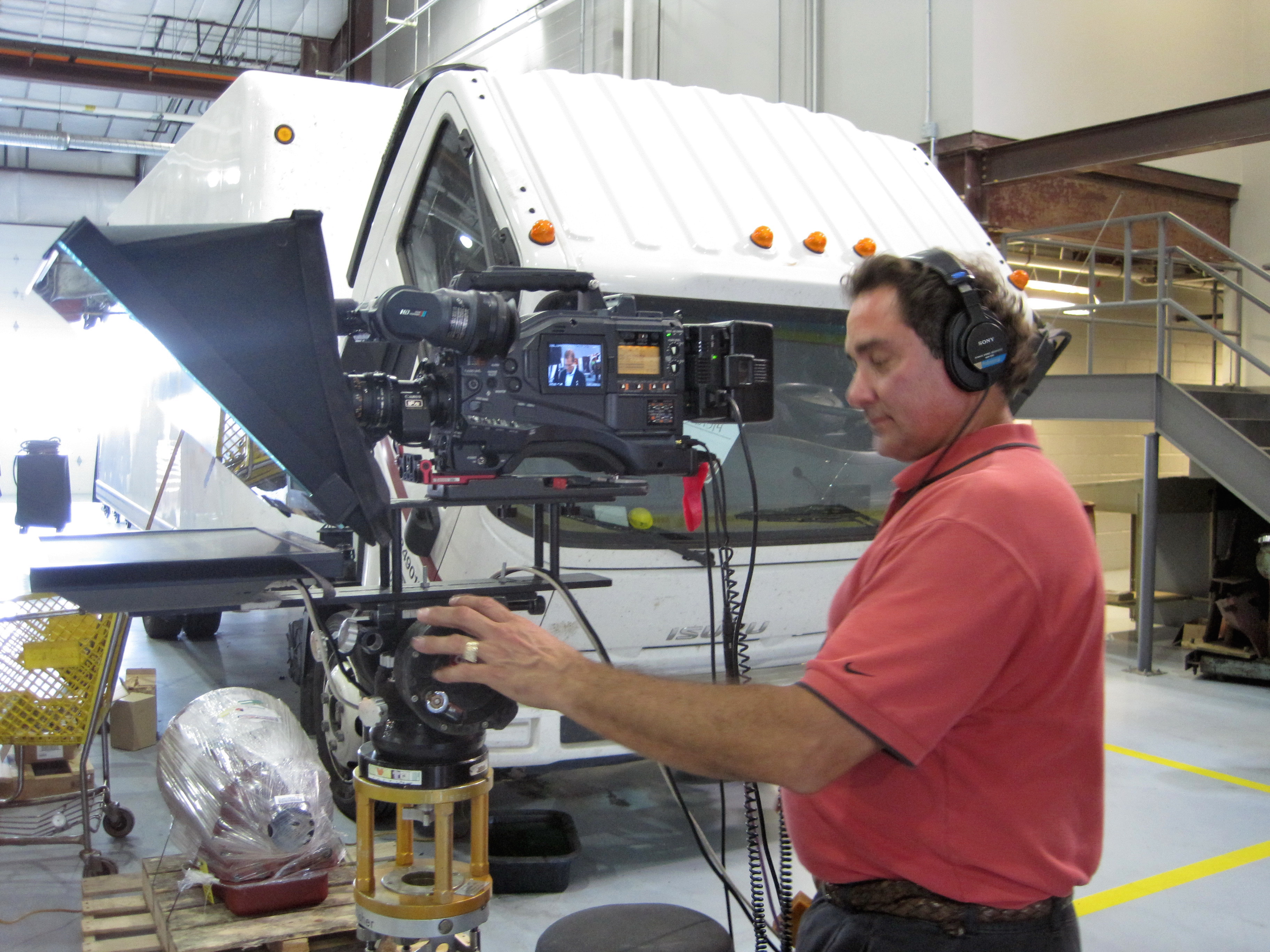
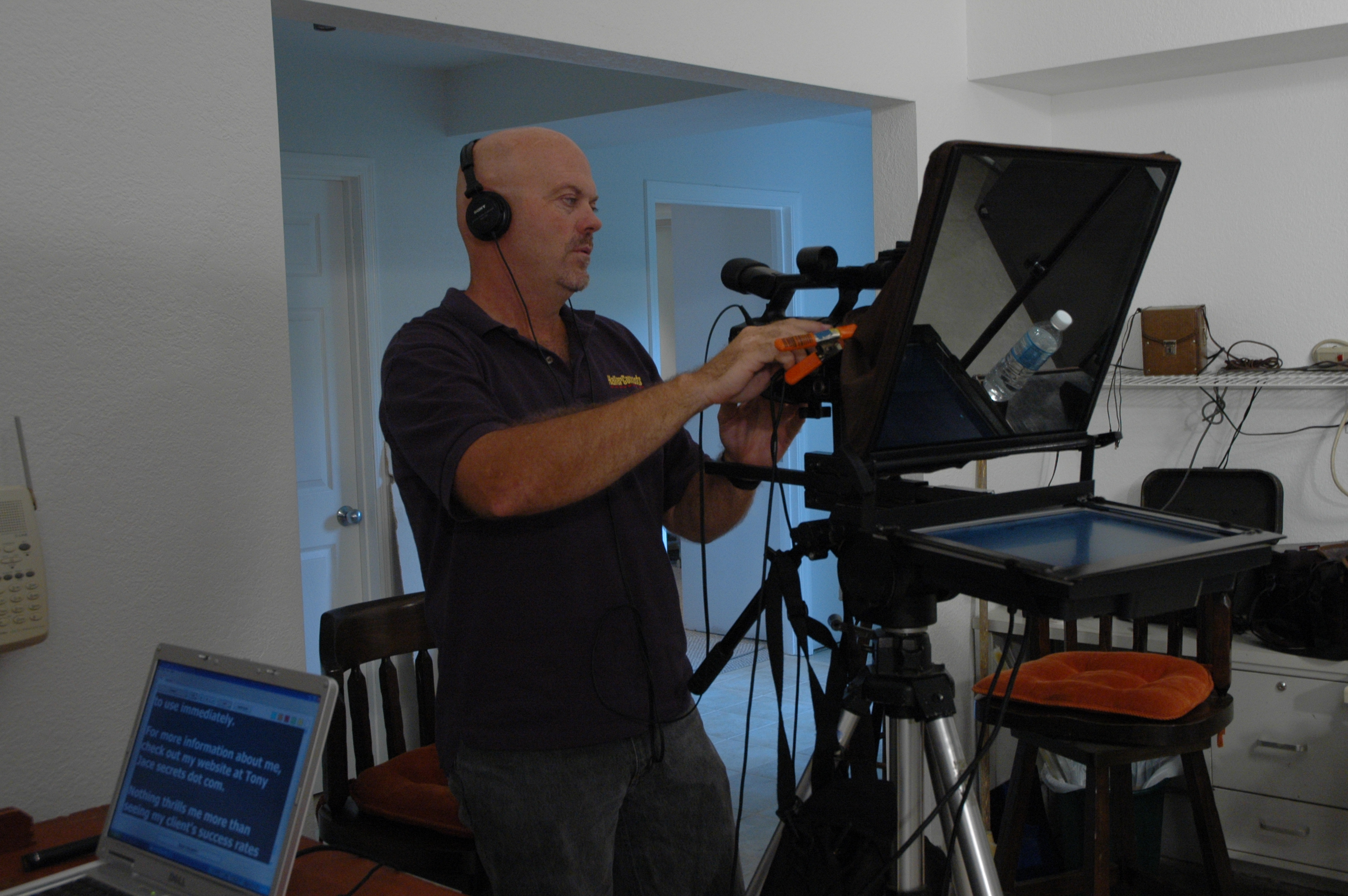
High-quality video production can make a big difference in how your message is perceived. Poor lighting, sound issues, or shaky camera work can distract from the content and make it harder for viewers to focus. That’s where St. Louis Commercial Video comes in. We provide full-service studio and location video and photography production, equipped with the right tools to ensure your video looks and sounds professional.

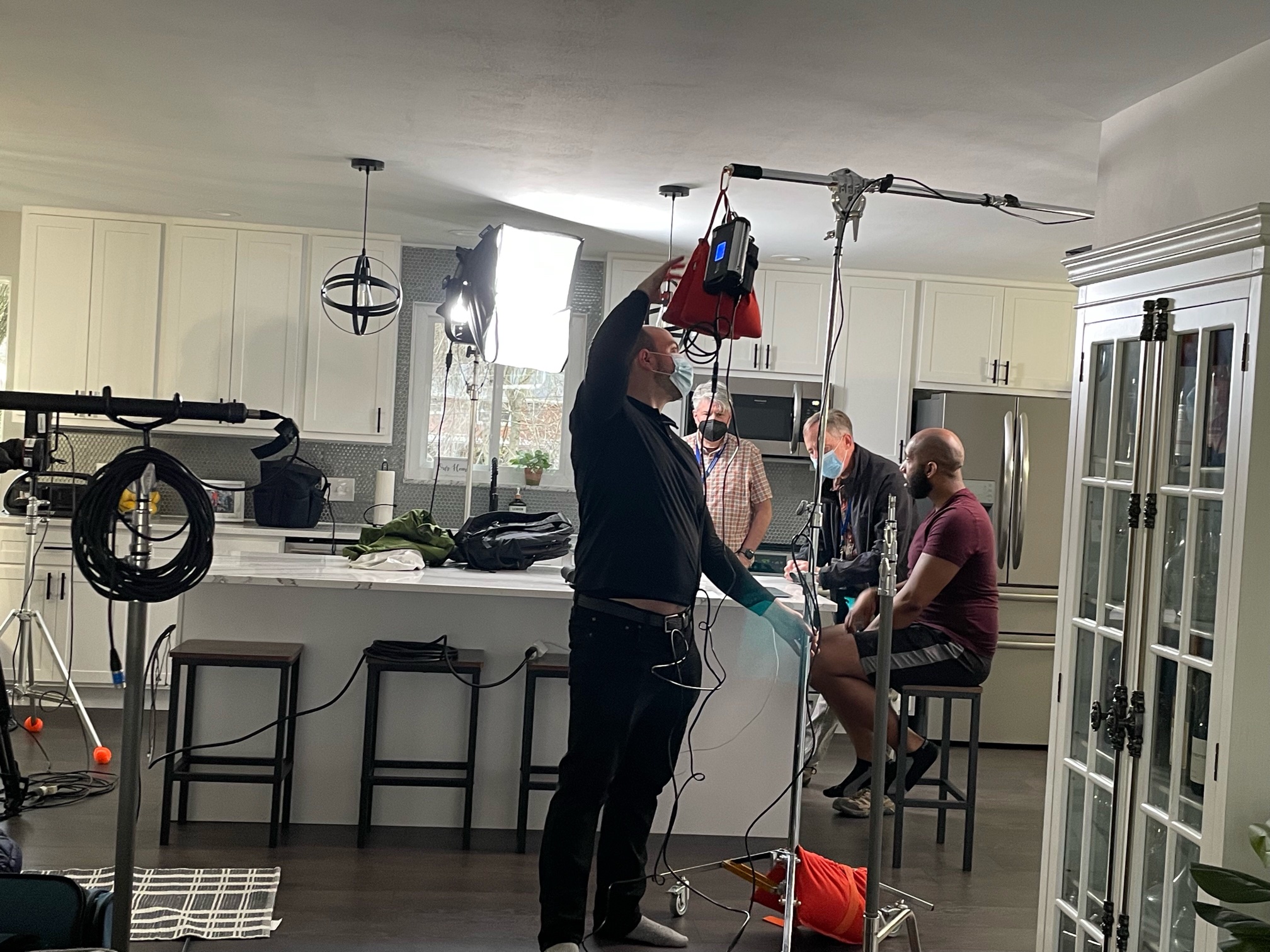
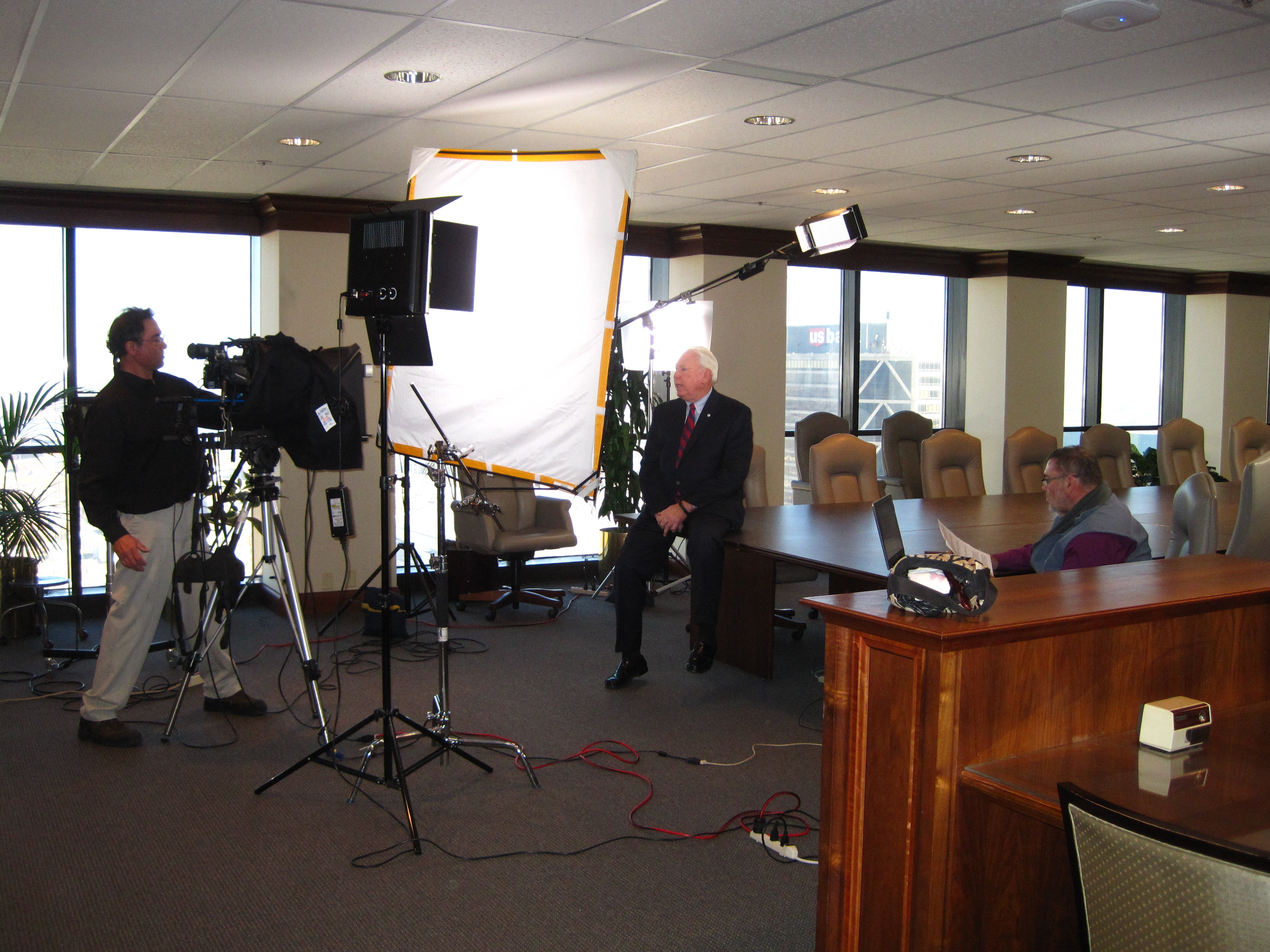
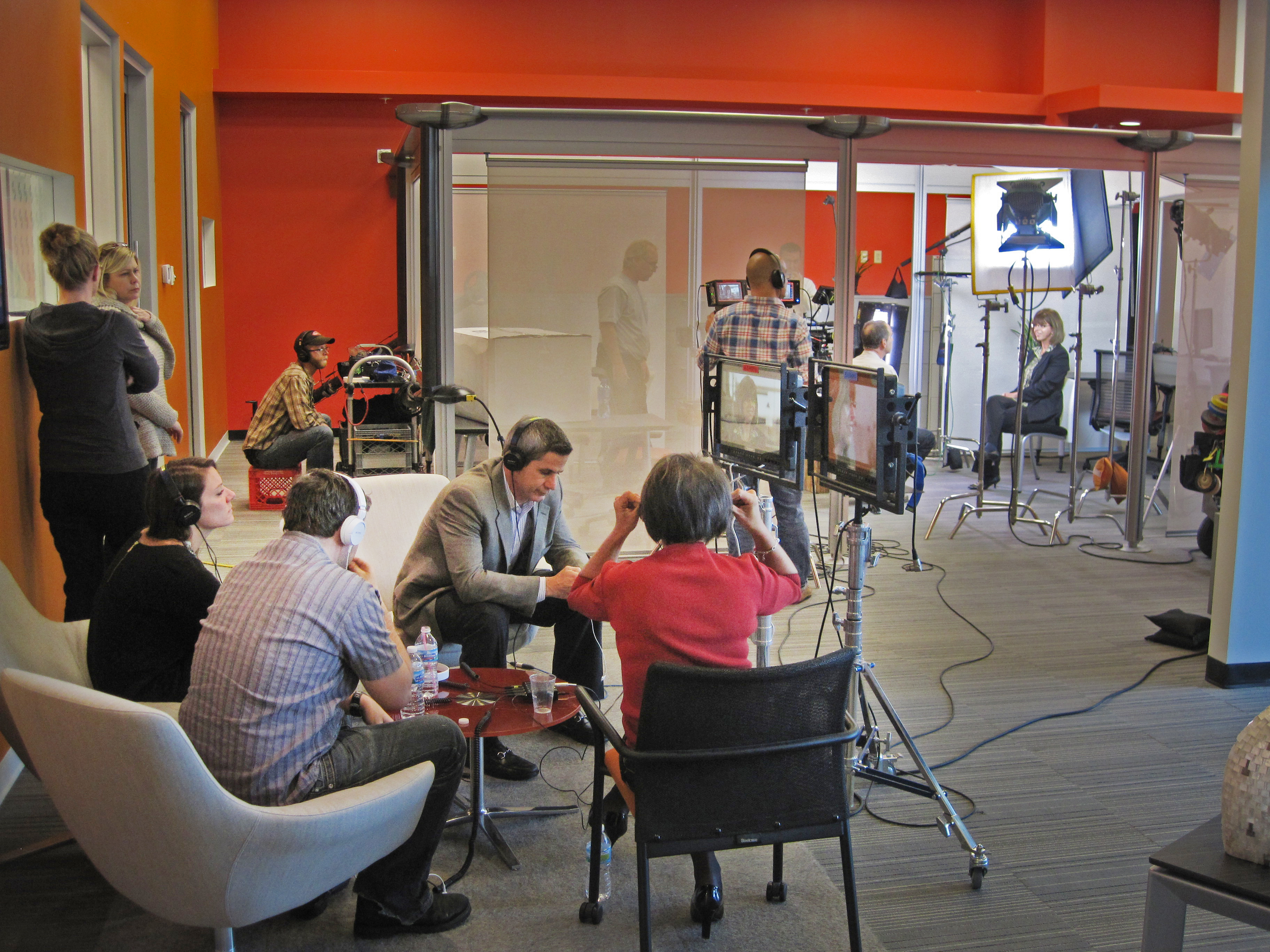
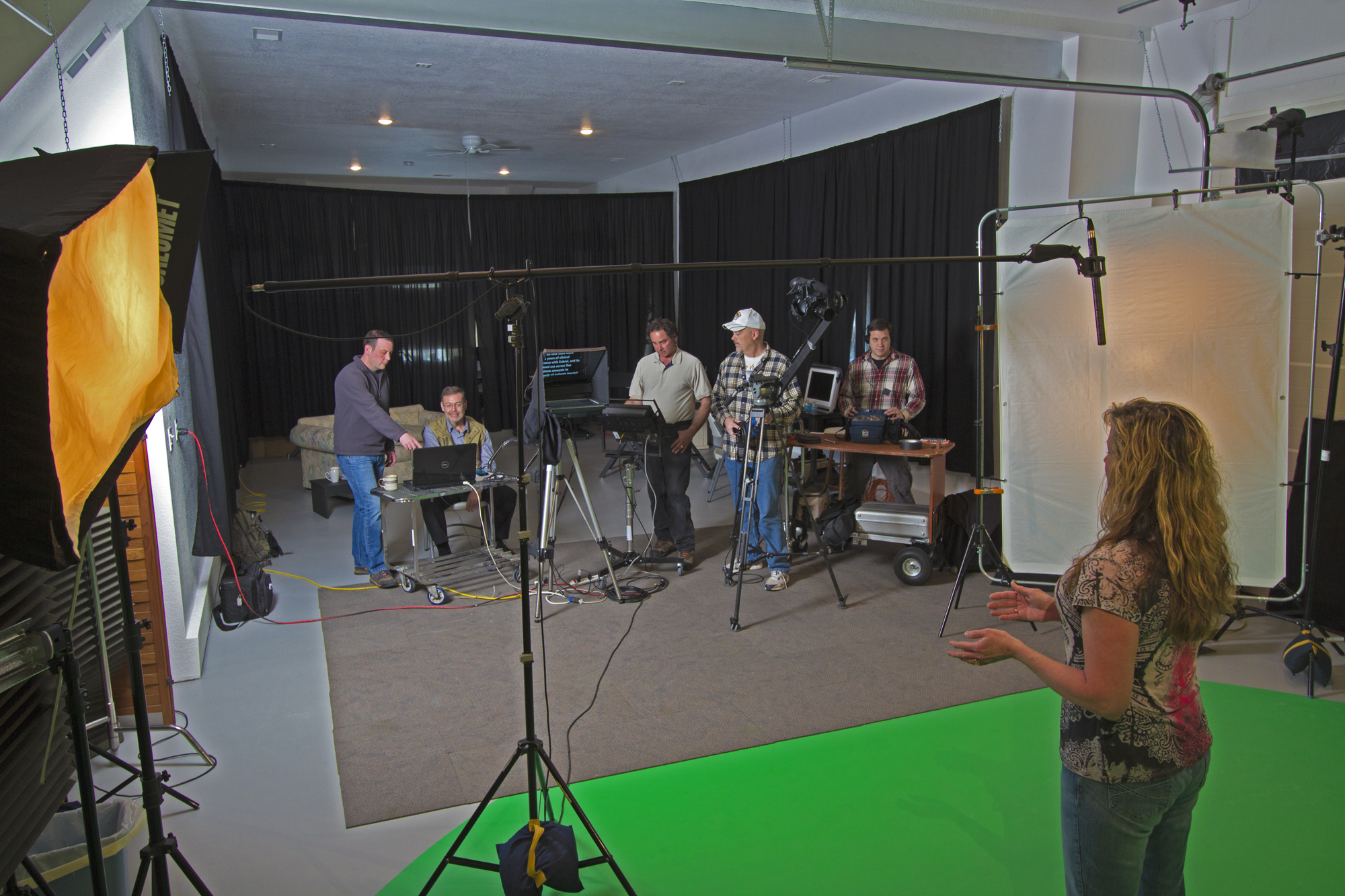
Our private studio offers excellent lighting and visual setups, ideal for small productions and interview scenes. Whether you’re filming in our studio or at an off-site location, we ensure the lighting and sound are optimized for the best possible results. This attention to detail makes all the difference when it comes to keeping your audience engaged.

4. Create a Custom Interview Studio Setup

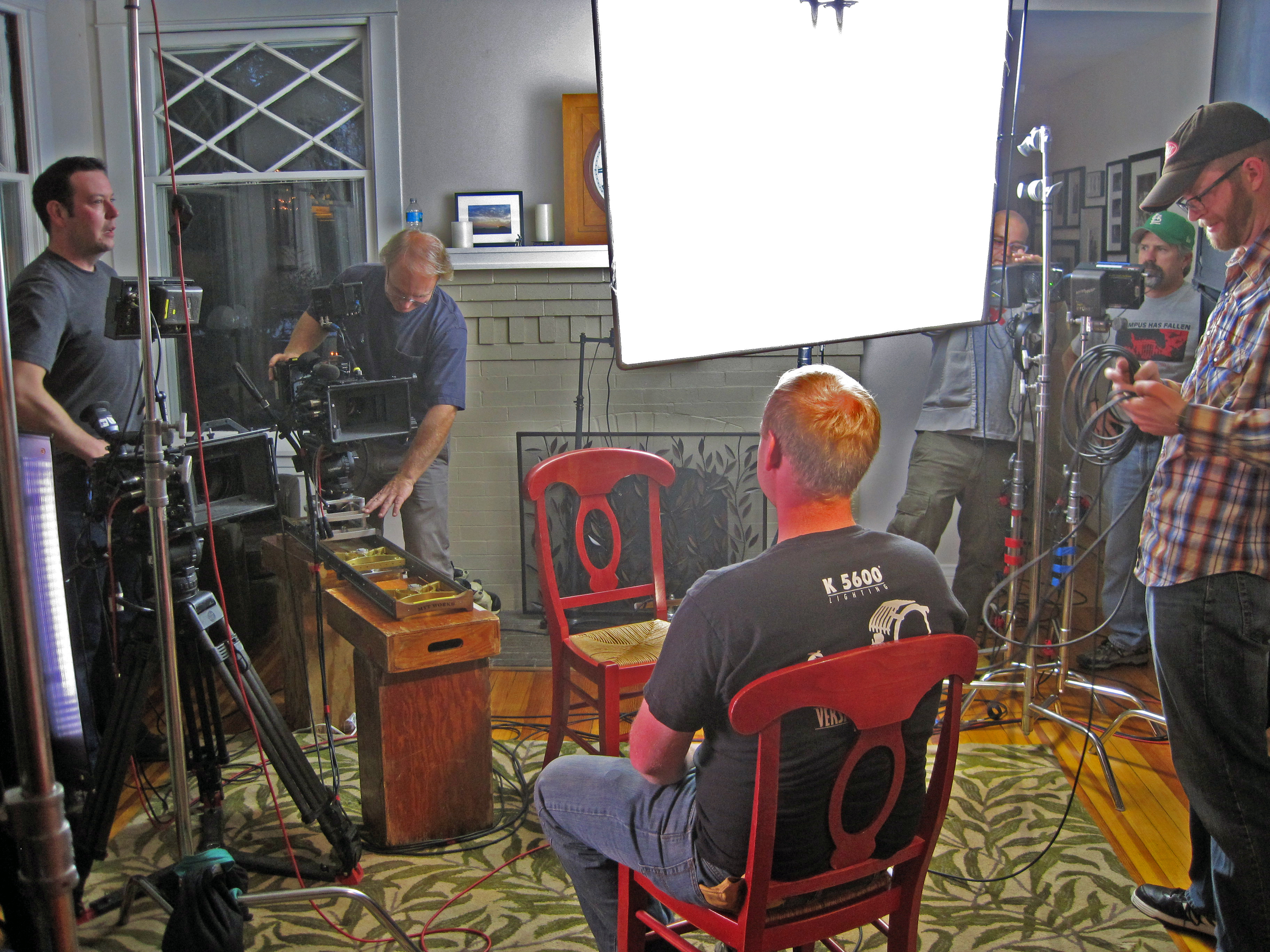
If your training video involves interviews or speaking segments, it’s essential to have a comfortable and professional environment for your speakers. St. Louis Commercial Video specializes in custom interview studio setups. We can tailor your studio for specific needs, whether it’s a formal corporate setting or a more casual atmosphere, and provide professional sound and camera operators to ensure high-quality results.

5. Leverage the Power of Drone Shots (Yes, Inside!)

If your training video could benefit from aerial shots or a unique perspective, consider using a drone. While drones are often associated with outdoor shots, we can fly our specialized drones indoors to capture stunning aerial footage that adds a dynamic element to your video. This is perfect for creating engaging training videos with a fresh look, especially for larger spaces or demonstrations that require a wide-angle view.

6. Incorporate Repurposed Content

Repurposing content can be a great way to extend the reach of your training materials. For example, if you already have training videos or photography assets, we can help you repurpose that content to create fresh training materials. St. Louis Commercial Video specializes in repurposing photography and video branding to gain more traction across different platforms. Our team is well-versed in all file types, media styles, and the accompanying software to ensure your content works across multiple channels.

7. Effective Editing and Post-Production

The post-production phase is where the magic happens. Once the video footage is captured, the editing process brings everything together. It’s essential to ensure that your video is concise, well-paced, and that any unnecessary content is trimmed. With the right editing tools, we can enhance your video with graphics, text overlays, transitions, and sound effects, making it even more engaging. St. Louis Commercial Video offers professional editing and post-production services to ensure your training video looks polished and is ready to be distributed.

8. Make Your Video Accessible

Finally, ensure your video is accessible to all employees, including those with disabilities. Adding subtitles or captions can help people with hearing impairments, non-native speakers, or those in noisy environments better understand the content. Providing multiple formats (e.g., downloadable files or embedded versions) can also improve the accessibility and shareability of your training materials.


Why Choose St. Louis Commercial Video for Your Training Videos?

At St. Louis Commercial Video, we understand the importance of creating high-quality, engaging content for your business. Since 1982, we’ve worked with businesses, marketing firms, and agencies in the St. Louis area, helping them produce effective corporate photography and video content.

Our full-service capabilities include studio and location video and photography, editing, post-production, and the use of licensed drone pilots for aerial footage. We can customize your productions for diverse media requirements, ensuring that your training videos are tailored to your audience’s needs. Whether you need a private interview studio setup, specialized drone footage indoors, or a comprehensive media strategy to repurpose your existing content, we have the experience and expertise to make it happen.

With our team of creative professionals, we can handle every aspect of your production, from lighting and camera work to post-production editing and final delivery. Trust St. Louis Commercial Video to deliver a training video that enhances learning and leaves a lasting impact on your team.

Let’s make your next training video perfect—contact us today to get started!
314-913-5626 stlouisvideos@gmail.com

Common Mistakes in Video Interviews and How to Fix Them

Video interviews are a powerful tool for corporate communication, marketing, and brand storytelling. They offer a direct way to connect with audiences, whether it’s through internal communications, customer testimonials, or executive interviews. However, even experienced teams can fall prey to common mistakes during video interviews that can negatively impact the final product. In this post, we’ll explore some of the most frequent issues that arise during video interviews and how to fix them, ensuring your video achieves the professional quality it deserves.

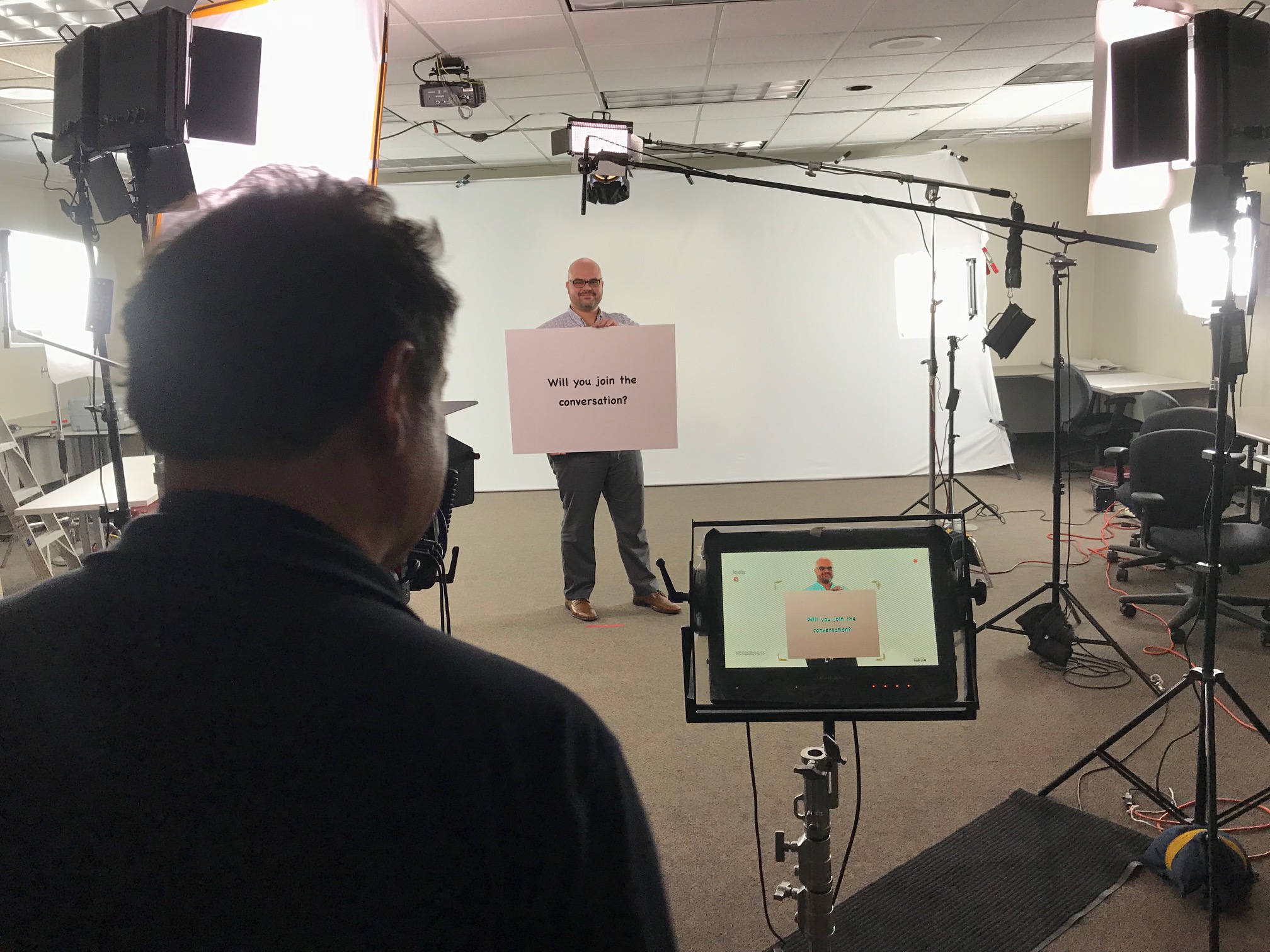
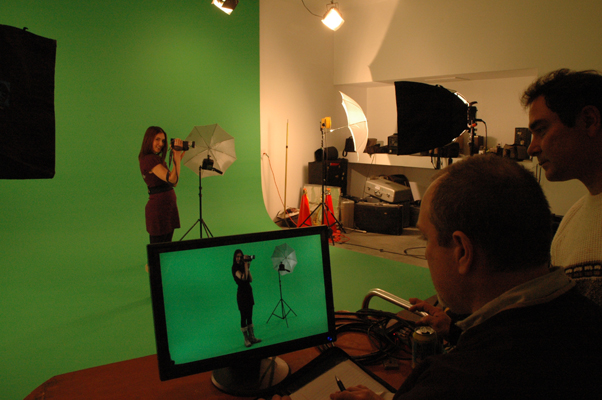
Before filming, test your lighting by viewing the subject on a monitor to see how it translates on camera. Small adjustments to the light positioning can make a significant difference in the final image.

1. Poor Lighting

One of the most common mistakes in video interviews is improper lighting. Insufficient or poorly placed lighting can cause harsh shadows, overexposed areas, or make the interviewee appear flat and unprofessional.

How to Fix It:

  • Use Soft, Diffused Lighting: Ideally, use three-point lighting: key light, fill light, and backlight. The key light should be positioned at a 45-degree angle from the subject, with the fill light placed on the opposite side to soften shadows. A backlight, or hair light, should be placed above and behind the subject to separate them from the background.
  • Control Ambient Light: Natural light can be unpredictable. If you’re shooting near a window, control the sunlight with curtains or reflectors to ensure the lighting remains consistent throughout the interview.
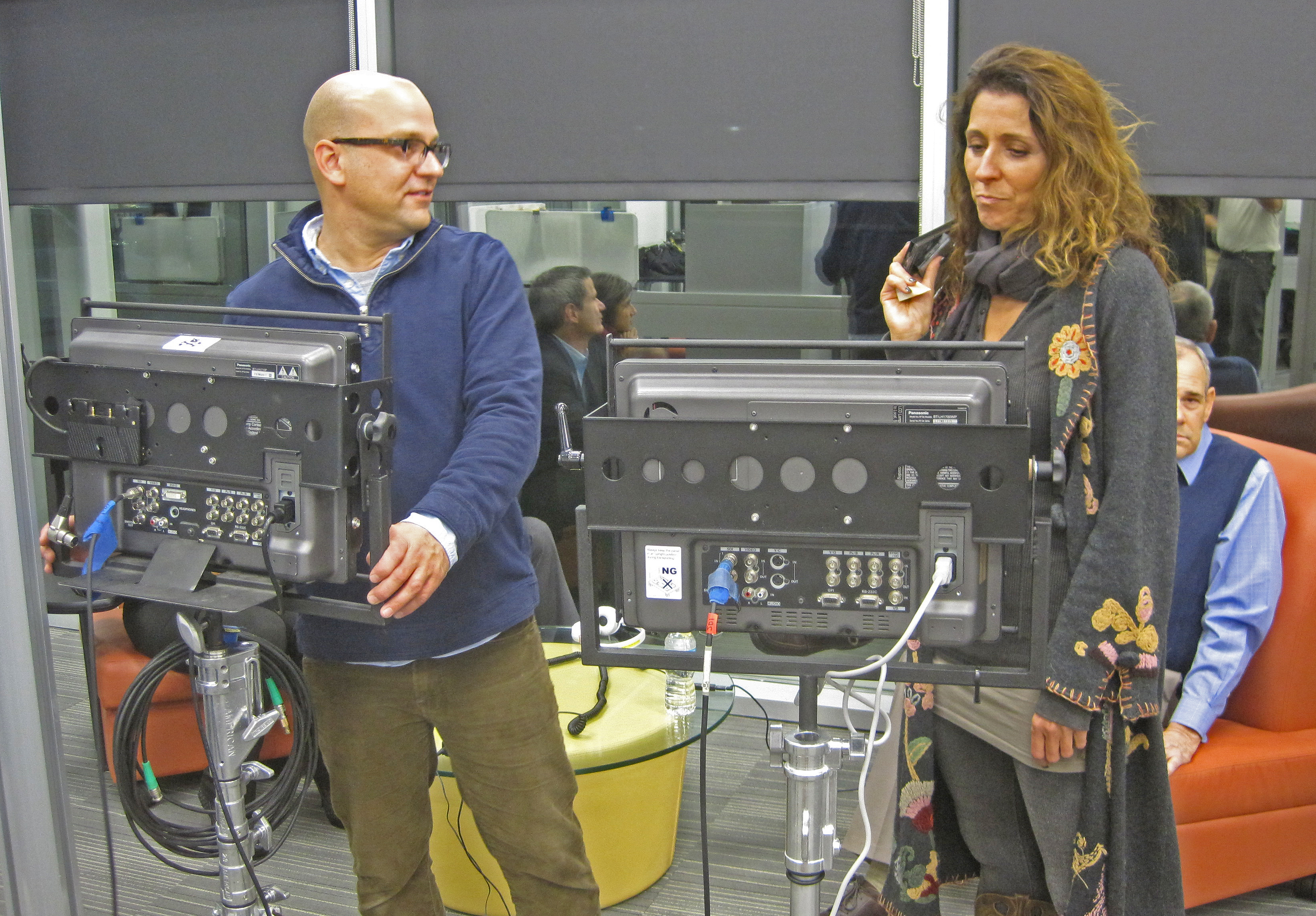
  • Test the Setup: Before filming, test your lighting by viewing the subject on a monitor to see how it translates on camera. Small adjustments to the light positioning can make a significant difference in the final image.

2. Background Distractions

Another frequent issue is a distracting background. Whether it’s cluttered, poorly lit, or too busy, a background that competes with the interviewee can divert attention from the subject and reduce the impact of the interview.

How to Fix It:

  • Simplify the Background: Choose a background that complements the subject but doesn’t distract from them. If you’re filming in a studio, opt for a clean, neutral backdrop. For on-location interviews, select a background that adds context but doesn’t overwhelm the shot.
  • Use a Shallow Depth of Field: By adjusting the camera settings to create a blurred background, you can keep the focus on the subject while still maintaining the context of the location.
  • Manage the Environment: In studio settings, make sure any background props are relevant to the interview and arranged neatly. In on-location settings, ensure the environment is clean and free of clutter or anything that could distract the viewer.

3. Unflattering Camera Angles

Improper camera angles can create unflattering shots that diminish the professional quality of the interview. Too low or too high an angle can distort the subject’s appearance or create unnecessary tension in the shot.

How to Fix It:

  • Eye-Level Angles: Always aim to position the camera at the subject’s eye level to maintain a natural and engaging perspective. This ensures the subject appears more approachable and professional.
  • Consider the Framing: Use the “rule of thirds” to frame your subject. Position them slightly off-center to create a more dynamic and visually pleasing composition. Be mindful of headroom (the space above the subject’s head) and make sure there’s enough space to avoid making the subject feel cramped in the frame.

4. Uncontrolled Audio

Audio issues are another major concern in video interviews. Background noise, poor sound quality, or inconsistent audio levels can make it difficult for viewers to focus on the message.

How to Fix It:

  • Use Lavalier Microphones: Clip-on lapel microphones are ideal for interviews because they provide clear, consistent sound while minimizing background noise. Ensure the mic is positioned correctly to capture the subject’s voice clearly.
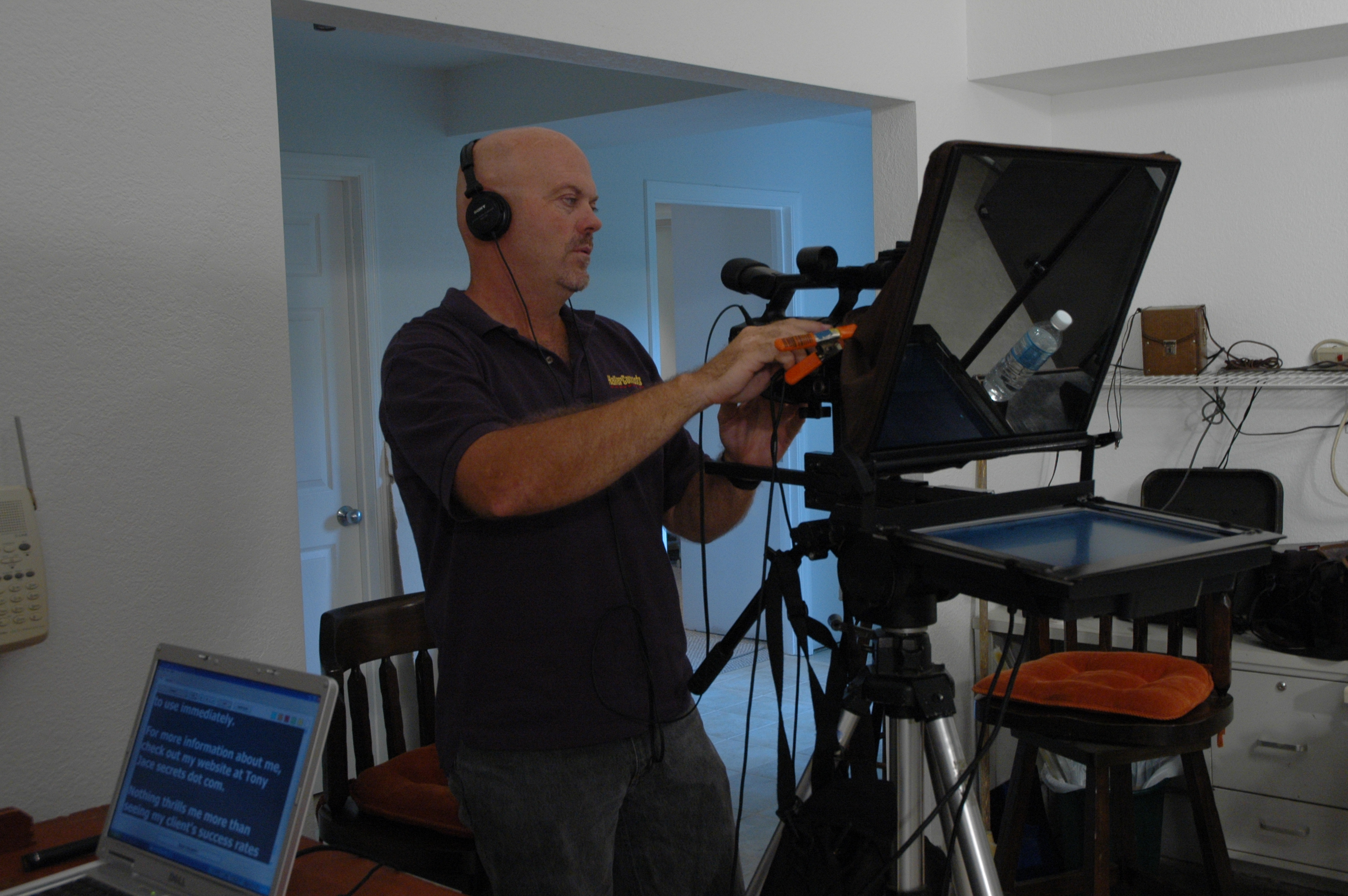
  • Check the Sound Levels: Always monitor sound levels before and during the interview. Use headphones to listen to the audio feed and adjust the gain to avoid distortion or overly quiet audio.
  • Control the Environment: Close windows, doors, and any other sources of external noise. If filming in a public space, request that nearby activities be minimized or pause while you record.

5. Lack of Preparation for the Interviewee

Many times, interviews fail to capture the best responses simply because the interviewee is not prepared. Without proper guidance or clear expectations, the interviewee may fumble, appear nervous, or provide unclear answers.

How to Fix It:

  • Pre-Interview Briefing: Before the interview, brief the subject on the format, questions, and expectations. This will help them feel more comfortable and confident.
  • Warm-Up Session: Conduct a short warm-up conversation to put the interviewee at ease before the actual interview begins. This helps build rapport and reduces nervousness.
  • Clear Questions: Ensure that questions are clear and concise. Avoid long-winded or complex questions that could confuse the interviewee and lead to awkward pauses.

6. Overloading the Interview with Jargon or Scripted Responses

Using industry-specific jargon or scripted responses can make an interview feel stiff and less authentic. Audiences want to connect with the real, human side of the interviewee, not just hear rehearsed lines.

How to Fix It:

  • Keep It Conversational: Encourage the interviewee to speak naturally. While it’s important to stick to key points, let the conversation flow organically to capture a more authentic tone.
  • Use Open-Ended Questions: Ask questions that allow for thoughtful, expansive responses. Open-ended questions (e.g., “Can you tell me about a time when…”) encourage the interviewee to share stories and experiences, making the content more relatable.
  • Avoid Over-Scripting: Allow the subject to speak from the heart. If needed, provide bullet points or guidelines but let the conversation develop organically.

7. Inconsistent Branding

When creating video content for a brand, it’s crucial that the video aligns with the company’s branding guidelines. Failure to do so can result in videos that feel disconnected from the company’s identity, diminishing their effectiveness.

How to Fix It:

  • Incorporate Consistent Branding Elements: Ensure that the video’s colors, fonts, and style match your brand’s visual identity. This includes everything from the background design to the on-screen text and lower thirds.
  • Branding in the Environment: If filming on-location, ensure the environment aligns with your brand. For example, having company signage or relevant products subtly incorporated into the background can reinforce your brand message.
  • Post-Production Branding: Use editing techniques to add consistent branding elements, such as logo animations, branded transitions, and colors that are aligned with your brand’s identity.

St. Louis Commercial Video Production: The Expert Team for Flawless Video Interviews

At St. Louis Commercial Video Production, we understand that every video interview is unique, and we have the expertise to help you avoid common mistakes and create high-quality content that resonates with your audience. As a full-service professional commercial photography and video production company, we bring decades of experience and the right equipment to every project. Our creative crew ensures a smooth production process from start to finish.

We offer full-service studio and location video and photography, along with editing, post-production, and licensed drone pilots. Our private studio is equipped with customizable lighting setups that are perfect for small productions and interview scenes. The space is large enough to incorporate props and create a tailored, professional set for your production.

Whether you need a custom interview studio setup, sound and camera operators, or specialized drone footage, we provide everything you need to ensure your video production is a success. Our team is well-versed in all types of media formats and software, and we specialize in repurposing your video and photography branding to give your content greater impact and traction.

Choose St. Louis Commercial Video Production for your next interview-based video, and let us help you create compelling, high-quality content that perfectly captures your message.

314-913-5626 stlouisvideos@gmail.com

On Your Next Video Production, Shoot Photography as Well

In today’s digital age, businesses and organizations are increasingly relying on visual content to communicate their message, build their brand, and engage with their audience. Video production has become a cornerstone of this strategy, providing a dynamic and compelling way to showcase products, services, and company values. However, to maximize the impact of your visual content, it’s crucial to integrate professional photography into your video production process. Here’s why combining photography and video production can elevate your brand and drive more successful outcomes for your business.

When you simultaneously shoot photography and video for a project, you ensure visual consistency across all your media assets.

Enhancing Visual Consistency and Brand Cohesion

When you simultaneously shoot photography and video for a project, you ensure visual consistency across all your media assets. This consistency is vital for building brand recognition and trust. Using the same locations, props, lighting setups, and talent for both photography and video helps create a unified look and feel that strengthens your brand identity. This approach also streamlines the creative process, saving time and resources by leveraging the same setup for both mediums.

Maximizing Content Versatility and Repurposing

Capturing both photography and video allows you to create a versatile library of content that can be repurposed across various platforms and marketing channels. High-quality photographs can be used in brochures, social media posts, website banners, email campaigns, and print advertisements, while videos can be utilized for commercials, webinars, online tutorials, and social media stories. This multifaceted content strategy not only extends the reach of your message but also ensures that you have a cohesive array of visual assets to support your marketing efforts.

Improving Engagement and Storytelling

Photographs and videos each have their unique strengths in storytelling. While videos are excellent for demonstrating products, explaining services, and showcasing customer testimonials, photographs capture moments and details that can evoke emotion and provide context. By integrating both mediums, you can create a richer, more engaging narrative that resonates with your audience on multiple levels. This combination helps you convey your message more effectively, whether it’s through a compelling video introduction followed by detailed photographic case studies or a photo gallery that complements a product demonstration video.

Optimizing Production Efficiency and Cost-Effectiveness

Scheduling and coordinating separate photography and video shoots can be time-consuming and costly. By planning and executing both simultaneously, you optimize your production schedule, reduce downtime, and make better use of your resources. This approach minimizes the logistical challenges and expenses associated with multiple production days, such as equipment rentals, location fees, and talent costs. Moreover, it ensures that your creative vision is consistently executed across all media formats.

Leveraging Professional Expertise and Equipment

At St Louis Commercial Video Production and Photography, we understand the intricacies of producing high-quality visual content that meets the diverse needs of our clients. Our team of experienced photographers and videographers is equipped with state-of-the-art technology and creative expertise to deliver exceptional results. We offer full-service studio and location video and photography, as well as editing, post-production, and licensed drone pilots. Our ability to customize productions for various media requirements ensures that your brand is presented in the best possible light.

Custom Solutions for Diverse Media Requirements

St Louis Commercial Video Production and Photography specializes in repurposing your photography and video branding to gain more traction. We are well-versed in all file types and styles of media and accompanying software, allowing us to tailor our services to your specific needs. Whether you require a private studio lighting and visual setup for small productions and interview scenes, or a large studio space for incorporating props to round out your set, we have the facilities and expertise to support your vision.

Comprehensive Production Support

From a private custom interview studio setup to providing sound and camera operators to equipment, we have everything to make your next video production perfect. Our specialized drones can even fly indoors, offering unique perspectives for your projects. As a full-service video and photography production company since 1982, St Louis Commercial Video Production and Photography has worked with many businesses, marketing firms, and agencies in the St. Louis area for their corporate photography and video needs.

Conclusion

Integrating professional photography into your video production process is a strategic move that enhances visual consistency, maximizes content versatility, improves engagement, and optimizes production efficiency. At St Louis Commercial Video Production and Photography, we have the right equipment, creative crew, and extensive experience to ensure successful image acquisition and exceptional results for your business. Trust us to deliver customized, high-quality productions that meet your diverse media requirements and elevate your brand.

For more information on how we can assist with your next project, please contact St Louis Commercial Video Production and Photography. Our full-service offerings and commitment to excellence make us the ideal partner for all your photography and video production needs.

314-913-5626 stlouisvideos@gmail.com

Business Videography: Emerging Technologies and Trends

In the realm of business marketing and communication, videography has evolved into a powerful tool that can captivate audiences, convey messages effectively, and drive engagement. As decision makers overseeing photography and video production services for businesses and organizations, it’s crucial to stay abreast of the latest technologies and trends shaping the industry. In this comprehensive guide, we’ll explore some of the emerging technologies and trends in business videography that are reshaping the landscape and providing new opportunities for businesses to connect with their audience.

Whether it’s broadcasting a product launch, hosting a Q&A session, or streaming a behind-the-scenes look at your business operations, live streaming allows you to engage with your audience in a more authentic and immediate way.

1. Virtual and Augmented Reality (VR/AR)

Virtual and augmented reality technologies are revolutionizing the way businesses engage with their customers. VR and AR allow for immersive experiences that can transport viewers to different locations, showcase products in a lifelike manner, or provide interactive training simulations. Integrating VR and AR into your business videography strategy can enhance viewer engagement and provide a memorable experience that sets your brand apart.

2. 360-Degree Video

360-degree video offers viewers a fully immersive experience, allowing them to explore a scene from every angle. This technology is particularly effective for showcasing real estate properties, event venues, or tourist destinations. By incorporating 360-degree video into your business videography repertoire, you can provide viewers with a dynamic and interactive viewing experience that enhances their engagement with your brand.

3. Live Streaming

Live streaming has become increasingly popular in recent years, offering businesses the opportunity to connect with their audience in real-time. Whether it’s broadcasting a product launch, hosting a Q&A session, or streaming a behind-the-scenes look at your business operations, live streaming allows you to engage with your audience in a more authentic and immediate way. Integrating live streaming into your business videography strategy can help you foster stronger connections with your audience and drive engagement.

4. Interactive Video Content

Interactive video content allows viewers to actively engage with the content by making choices or taking actions that influence the outcome. This type of content can be highly engaging and immersive, making it ideal for storytelling, product demonstrations, or interactive training modules. By incorporating interactive elements into your business videography, you can create a more personalized and engaging experience for your audience.

5. Drone Videography

Drone videography has become increasingly popular for capturing stunning aerial footage that provides a unique perspective on a subject or location. Whether it’s showcasing expansive landscapes, capturing dynamic action shots, or providing aerial views of a property or event, drone videography can add visual interest and production value to your business videos. Leveraging drone technology in your videography projects can help you create visually compelling content that stands out from the competition.

Conclusion

As technology continues to evolve, so too does the field of business videography. By staying abreast of emerging technologies and trends, businesses can leverage videography to effectively communicate their message, engage their audience, and drive results. Whether it’s incorporating VR and AR for immersive experiences, embracing live streaming for real-time engagement, or leveraging interactive video content for enhanced viewer interaction, businesses have more tools at their disposal than ever before to create compelling and impactful video content.

As a full-service video and photography production company, Angel Eye Productions Video and Photography is equipped with the expertise and resources to help businesses harness the power of videography for their marketing and communication needs. With our experienced team, state-of-the-art equipment, and creative approach to storytelling, we can customize productions to meet diverse media requirements and help businesses achieve their goals. Partner with Angel Eye Productions Video and Photography for your next corporate photography and video project in the St. Louis area, and let us help you elevate your brand through the power of visual storytelling.

Contact us today to learn more about how Angel Eye Productions Video and Photography can elevate your business through professional videography and photography services.

314-913-5626 stlouisvideos@gmail.com