Creating a Consistent Visual Brand Requires More Than Great Photography
Today’s businesses face a complex visual communications challenge. A single organization may need professional photography for its website, executive interviews for corporate communications, product videos for advertising, recruitment content for human resources, and social media clips for ongoing digital marketing.
Each assignment has its own creative and technical requirements. However, when these projects are produced independently, opportunities for coordination, consistent branding, and production efficiency can be lost.
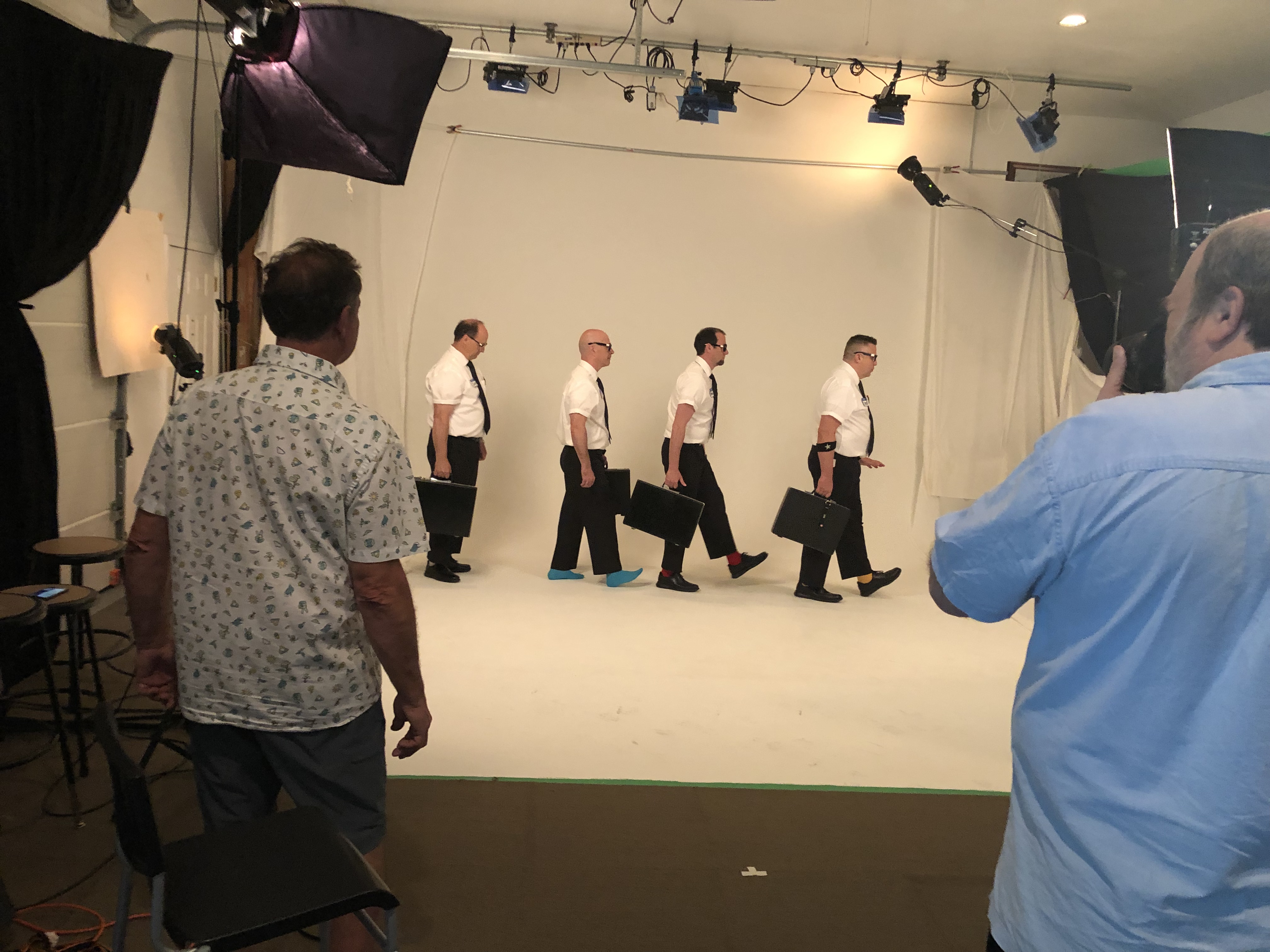



That is why experienced marketing directors and creative agencies increasingly benefit from approaching photography and video as components of a coordinated content strategy.
Instead of commissioning separate productions for every marketing channel, organizations can plan commercial photography, corporate video, location footage, interviews, and specialized aerial imaging together.
A carefully organized multimedia production can generate a comprehensive library of professional visual assets that supports numerous marketing and communications objectives from a single coordinated effort.
This strategy requires an experienced production partner with the appropriate creative personnel, studio facilities, location capabilities, camera equipment, sound recording expertise, and comprehensive post-production services.
Understanding how these elements work together helps businesses make better production decisions and get greater value from their marketing investments.
Why an Integrated Photography and Video Strategy Makes Business Sense
Commercial photography and corporate video are often managed through different departments or marketing initiatives.
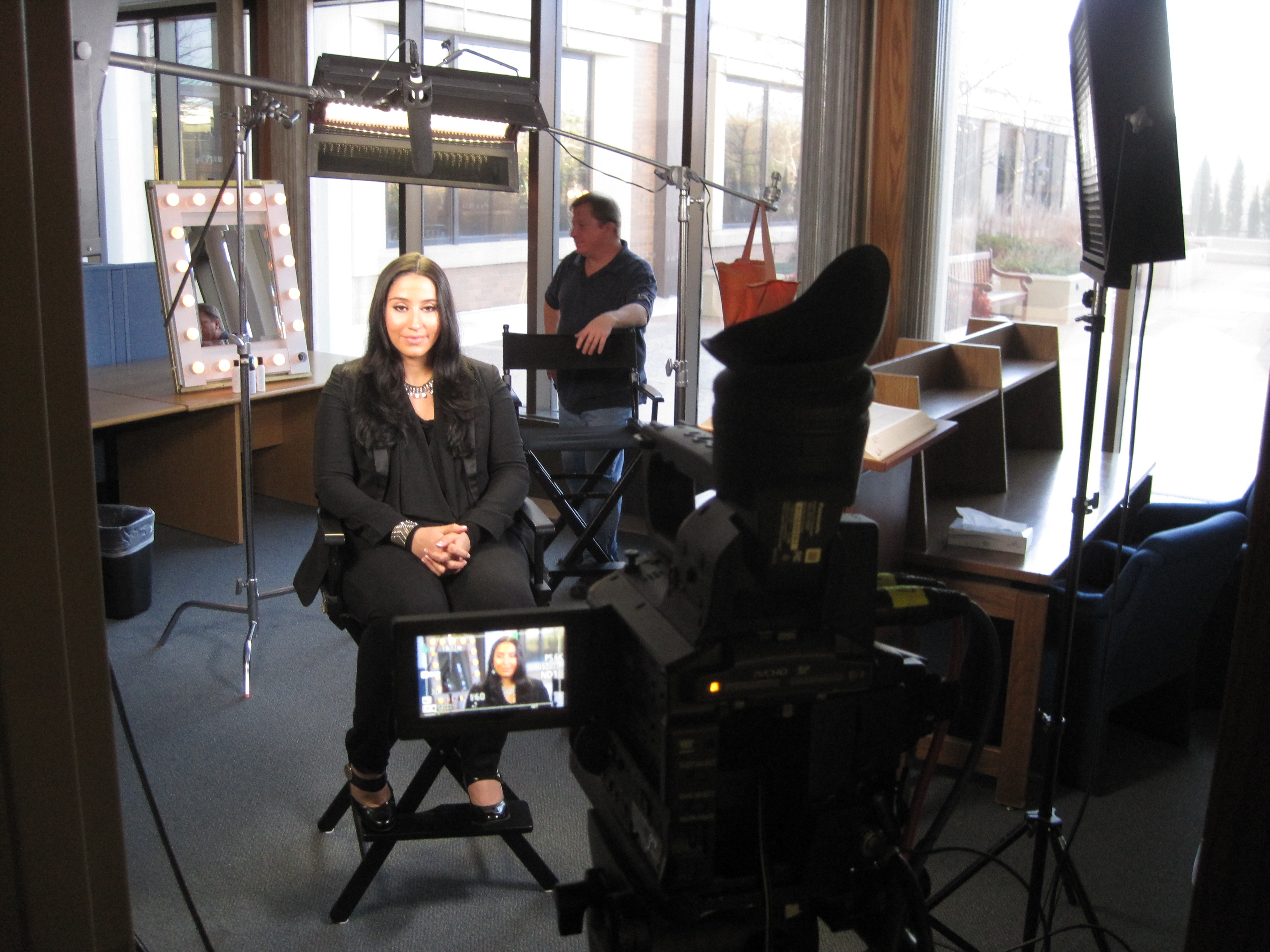
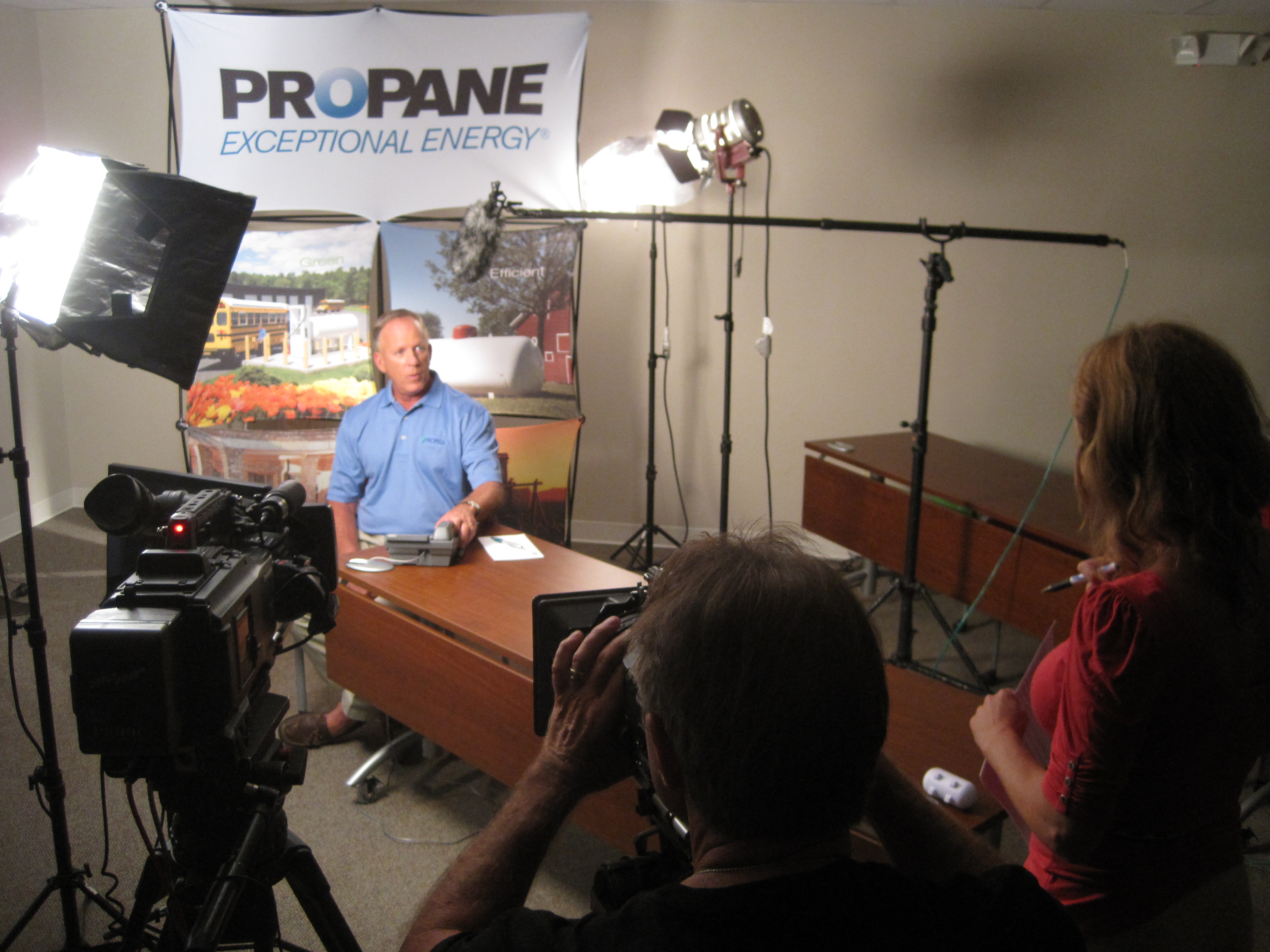
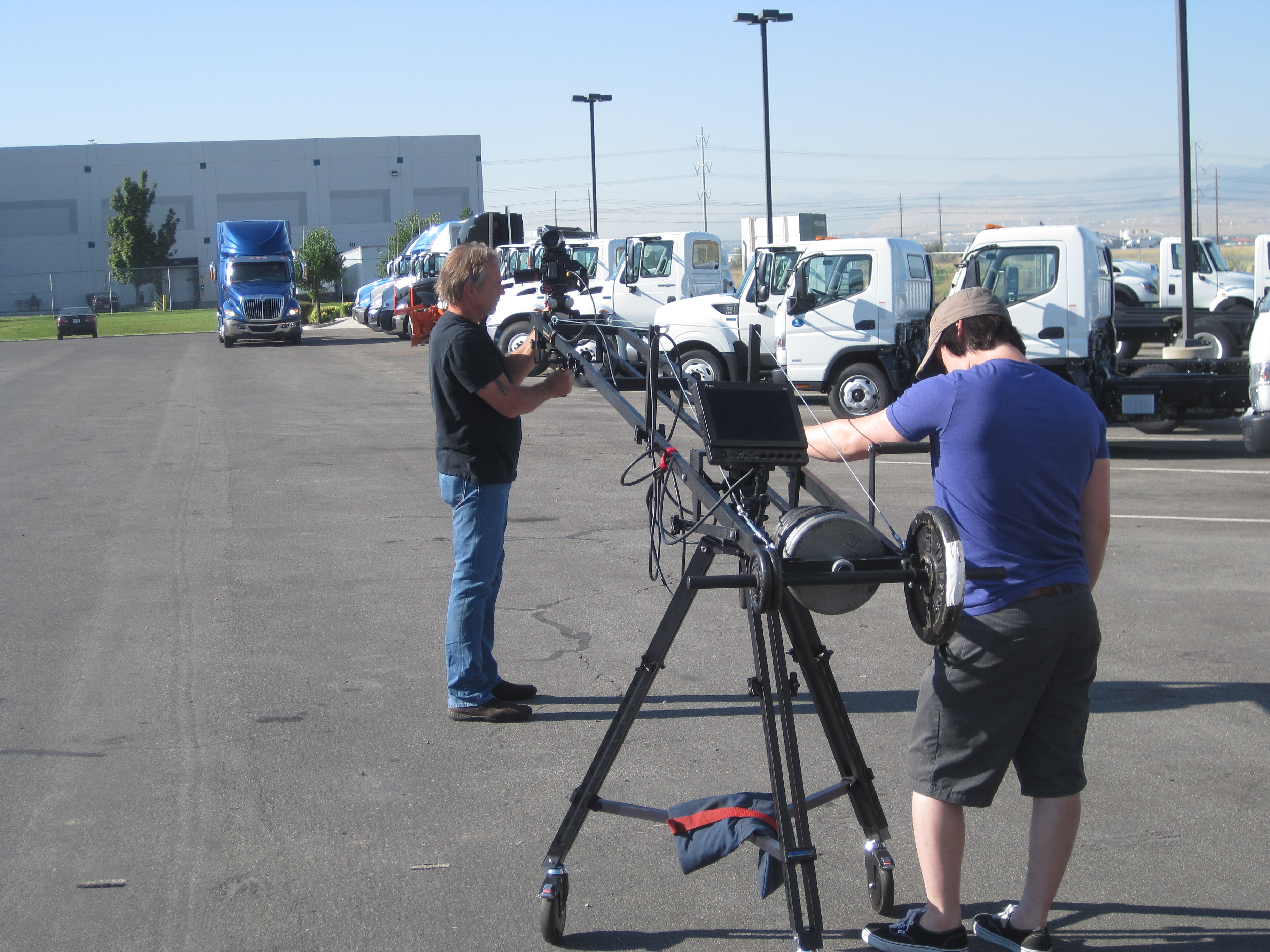
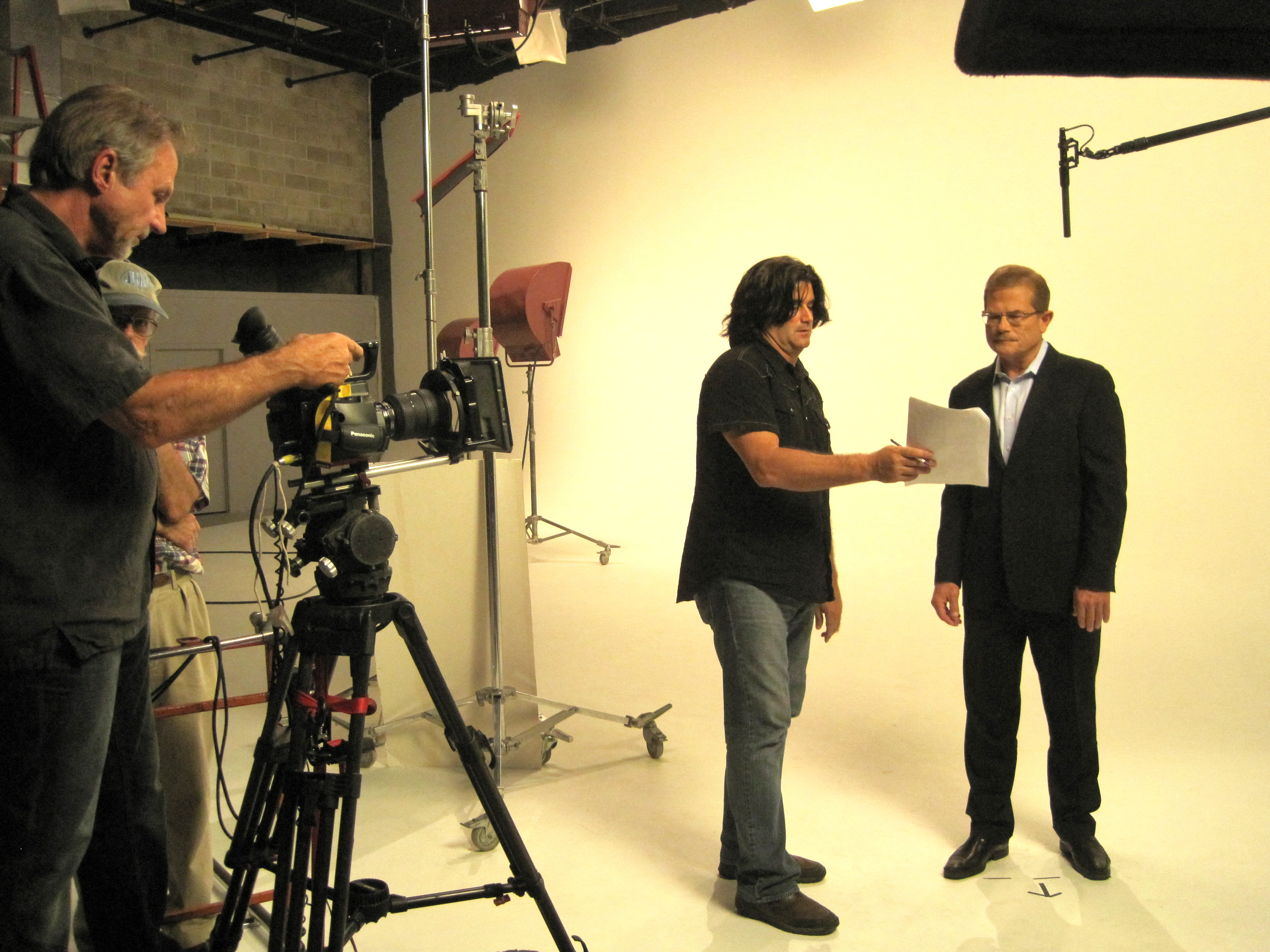
A company’s website development team may schedule new photography, while its communications department commissions executive interviews. Human resources may need recruitment videos, and the sales team may be developing presentations featuring company facilities and products.
Although these assignments serve different purposes, they frequently involve the same people, locations, and business operations.
Coordinating the production process creates opportunities to capture multiple types of content while the participants, facilities, equipment, and production crews are already available.
Consider a Corporate Rebranding Campaign
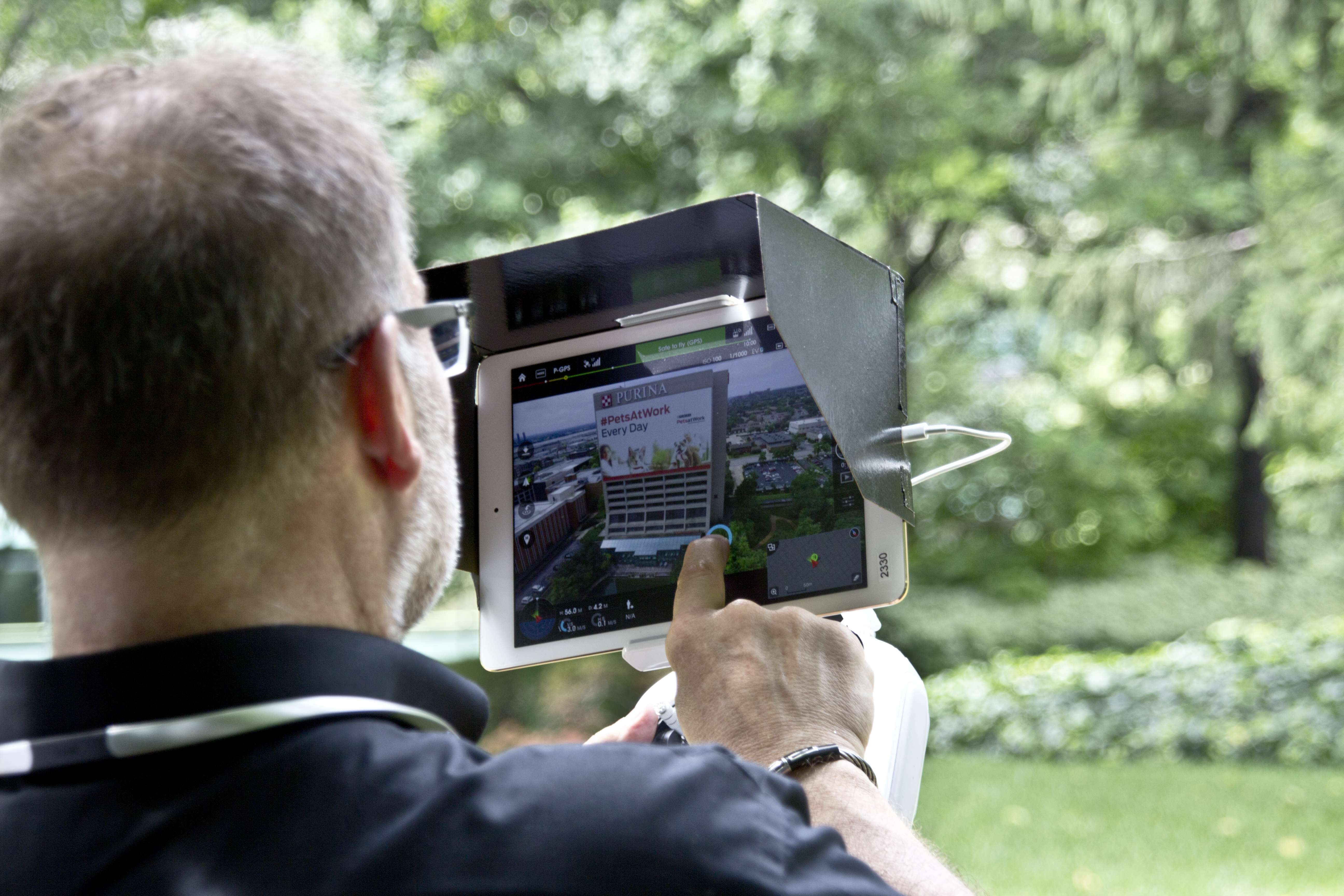
A business preparing to launch a redesigned website might require executive portraits, employee photography, architectural images, corporate interviews, product demonstrations, and aerial footage.
Rather than treating every requirement as a separate assignment, an integrated production plan can organize the work into coordinated studio and location sessions.
Executive portraits and interviews may be scheduled together. Operational photography can be captured alongside manufacturing b-roll. Exterior facility photographs can be coordinated with aerial imaging, subject to flight and weather conditions.
The result is a collection of related visual assets with consistent creative direction.
Benefits for Marketing Departments
An integrated production strategy can provide several advantages:


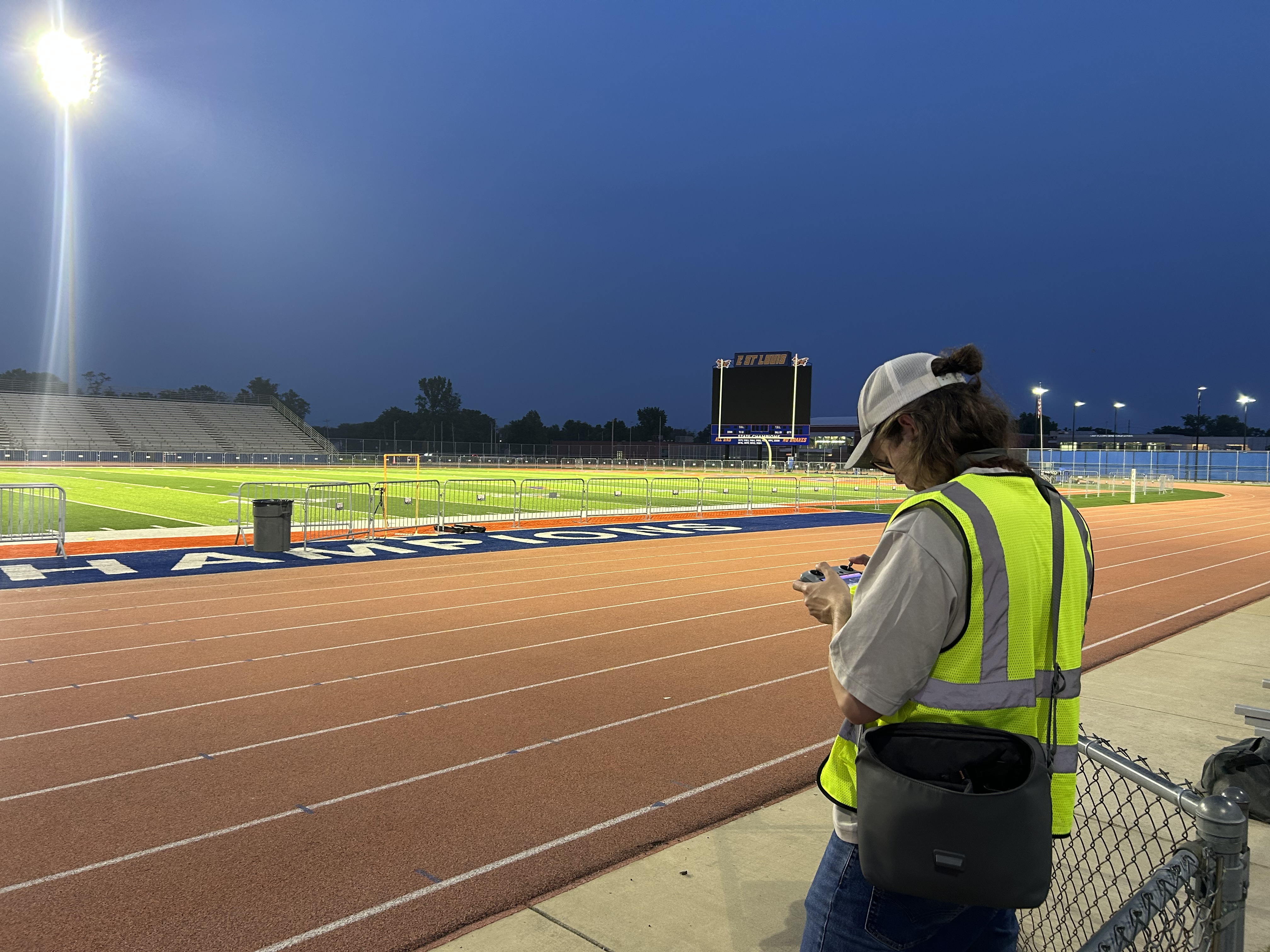
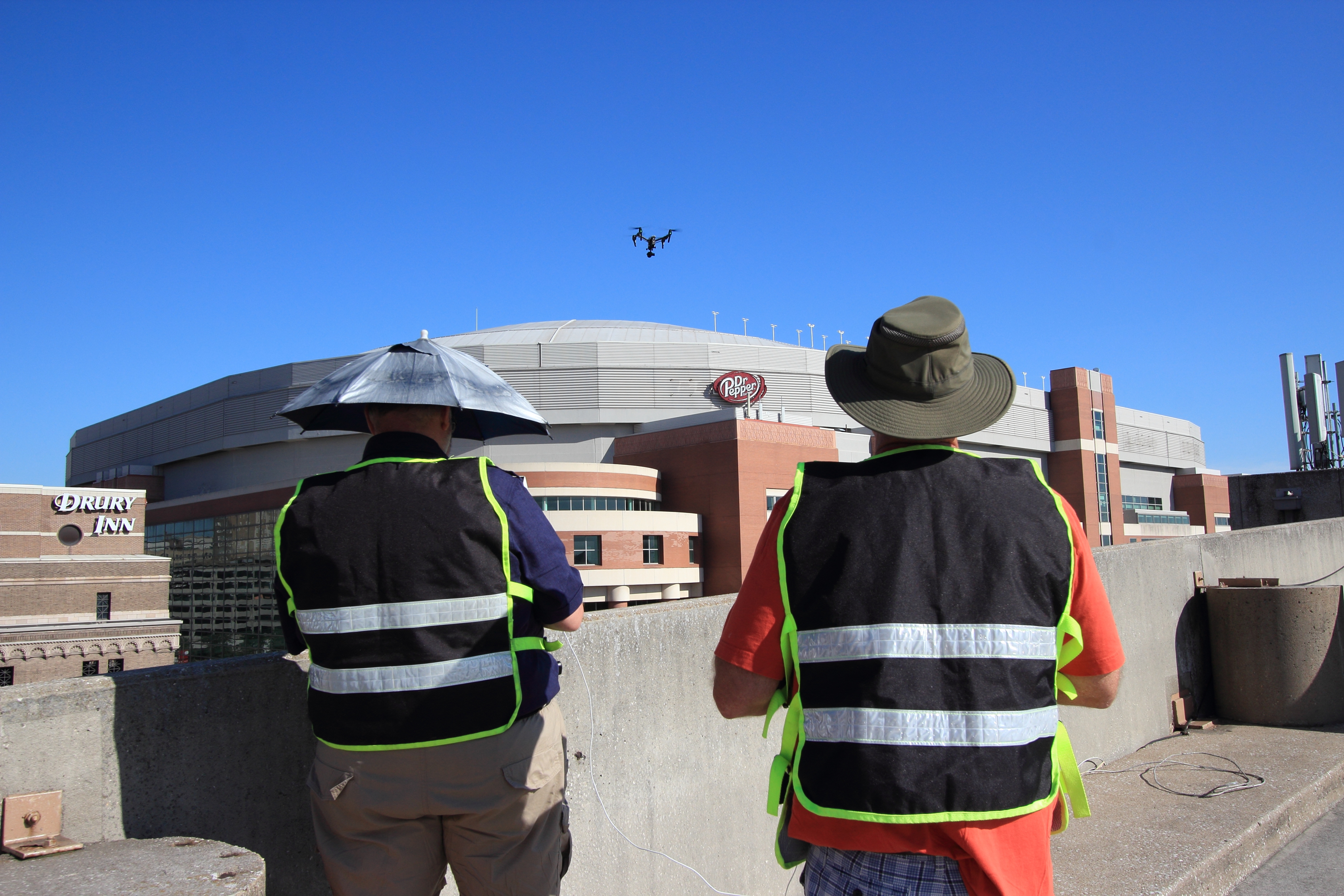


- Greater consistency across photographs, videos, and advertising materials
- More efficient scheduling of employees, executives, and facilities
- Reduced duplication of location preparation and equipment setup
- Better coordination between photography and video crews
- More opportunities to capture additional useful content
- Simplified creative approvals and communication
- Greater flexibility when creating future marketing campaigns
The objective is not necessarily to capture everything on a single day. It is to coordinate related production activities intelligently so that each session contributes to the larger communications strategy.
Pre-Production: Building a Plan Before the Cameras Arrive
Professional multimedia production begins with a clear understanding of the organization’s goals.
Before selecting cameras, lighting equipment, or filming locations, an experienced producer should establish what the finished content must communicate and how it will be used.
For example, images intended for corporate recruiting may emphasize employees, workplace culture, and personal experiences.
A manufacturing promotional video might concentrate on operational capabilities, technical processes, quality control, and equipment.
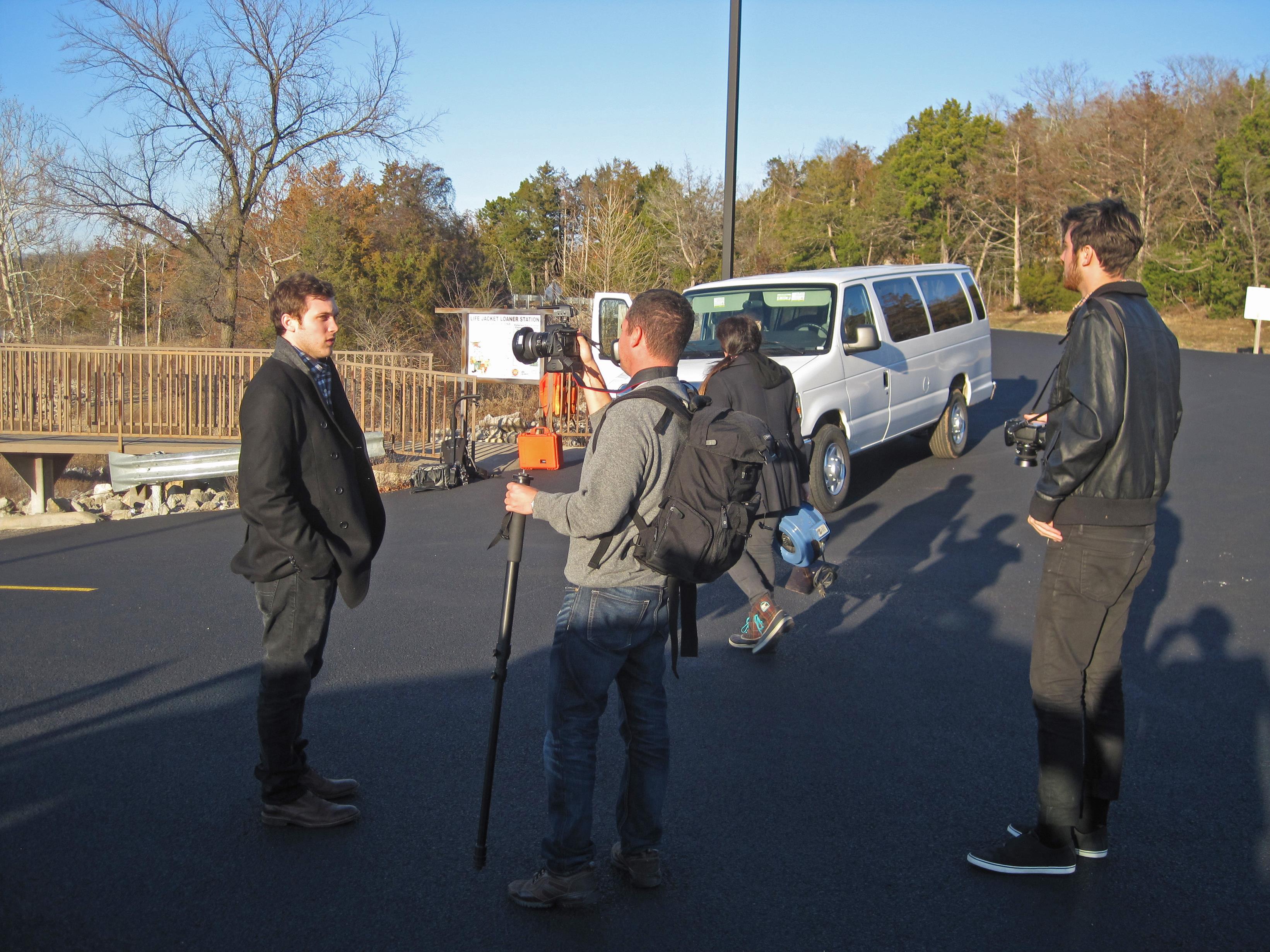
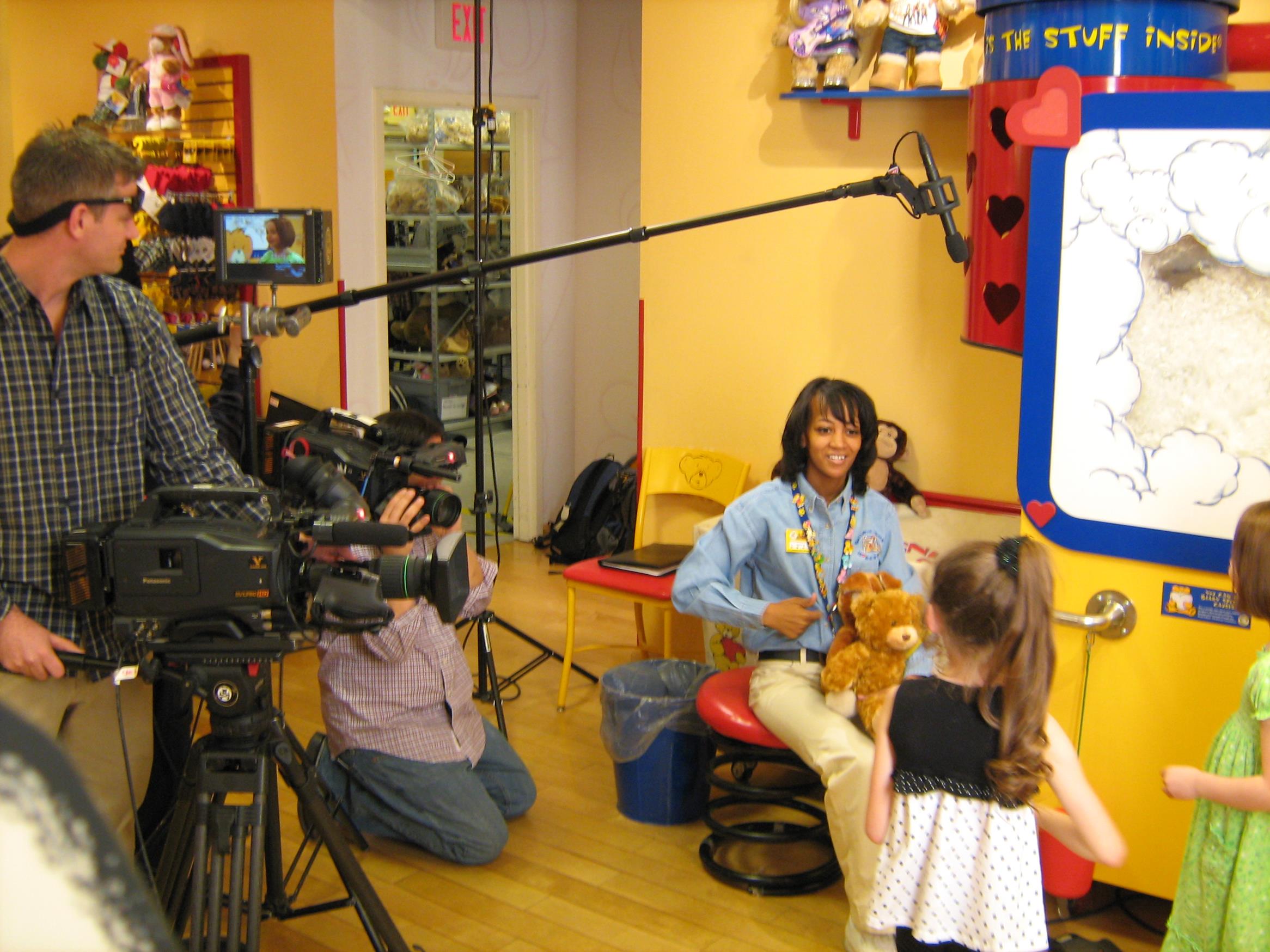



A healthcare organization may require content that communicates professional expertise, patient confidence, and facility capabilities.
Each objective affects the production plan.
Establish the Content Requirements
During pre-production, the creative team should identify the required photographs, video sequences, interviews, supporting footage, and delivery formats.
This may involve preparing scripts, interview questions, shot lists, storyboards, production schedules, and equipment requirements.
Other planning considerations include wardrobe, location access, participant availability, props, set design, lighting, professional audio, and necessary filming permissions.
Experienced producers also anticipate what additional content might prove useful later.
A company commissioning a corporate introduction video may eventually need employee recruiting clips, customer testimonials, or short social media videos.
Planning for these possibilities can improve the value of the original production.
Professional Studio Photography Provides Control and Consistency
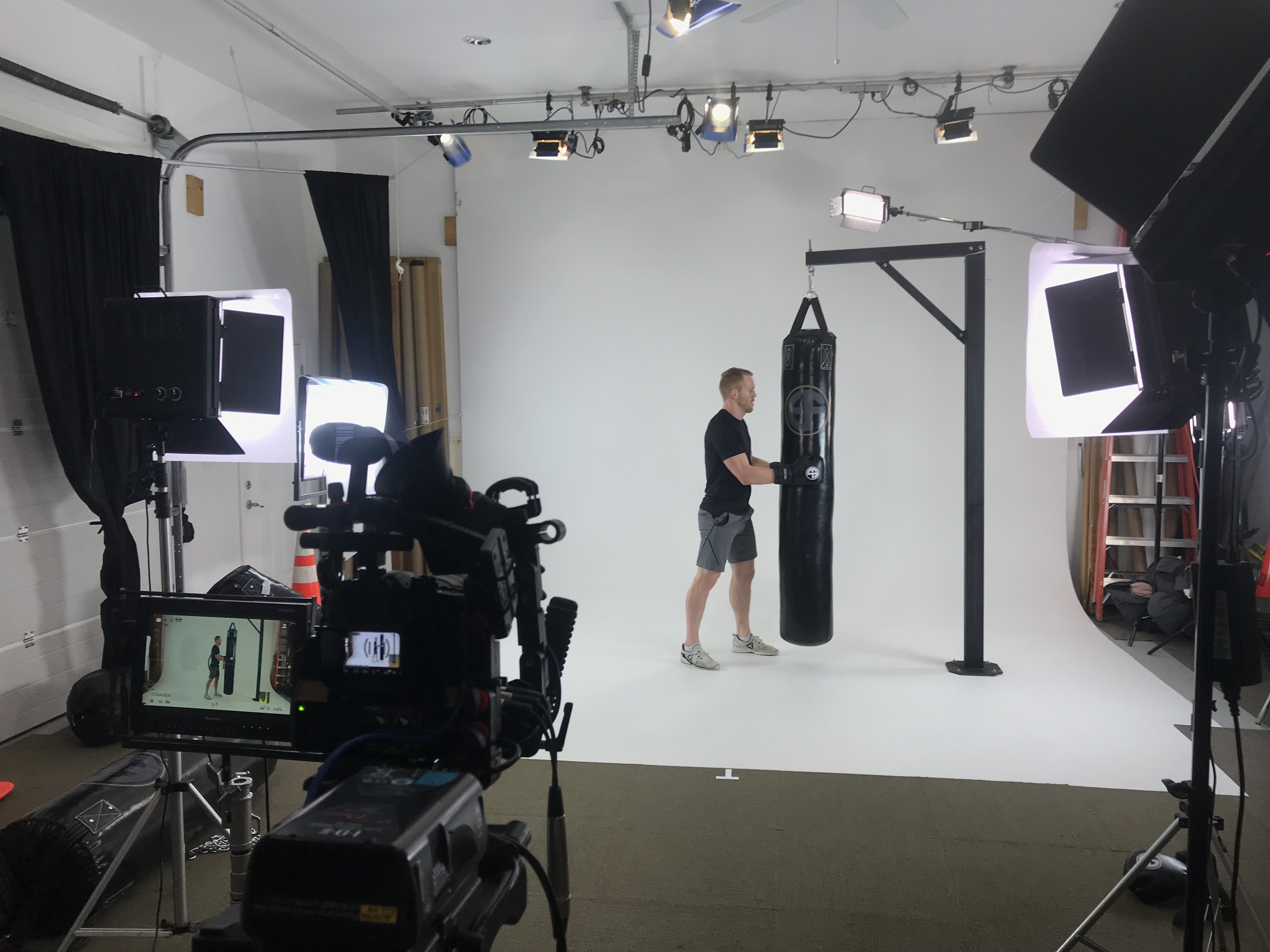
A dedicated commercial photography and video studio offers an important advantage: the ability to control the production environment.
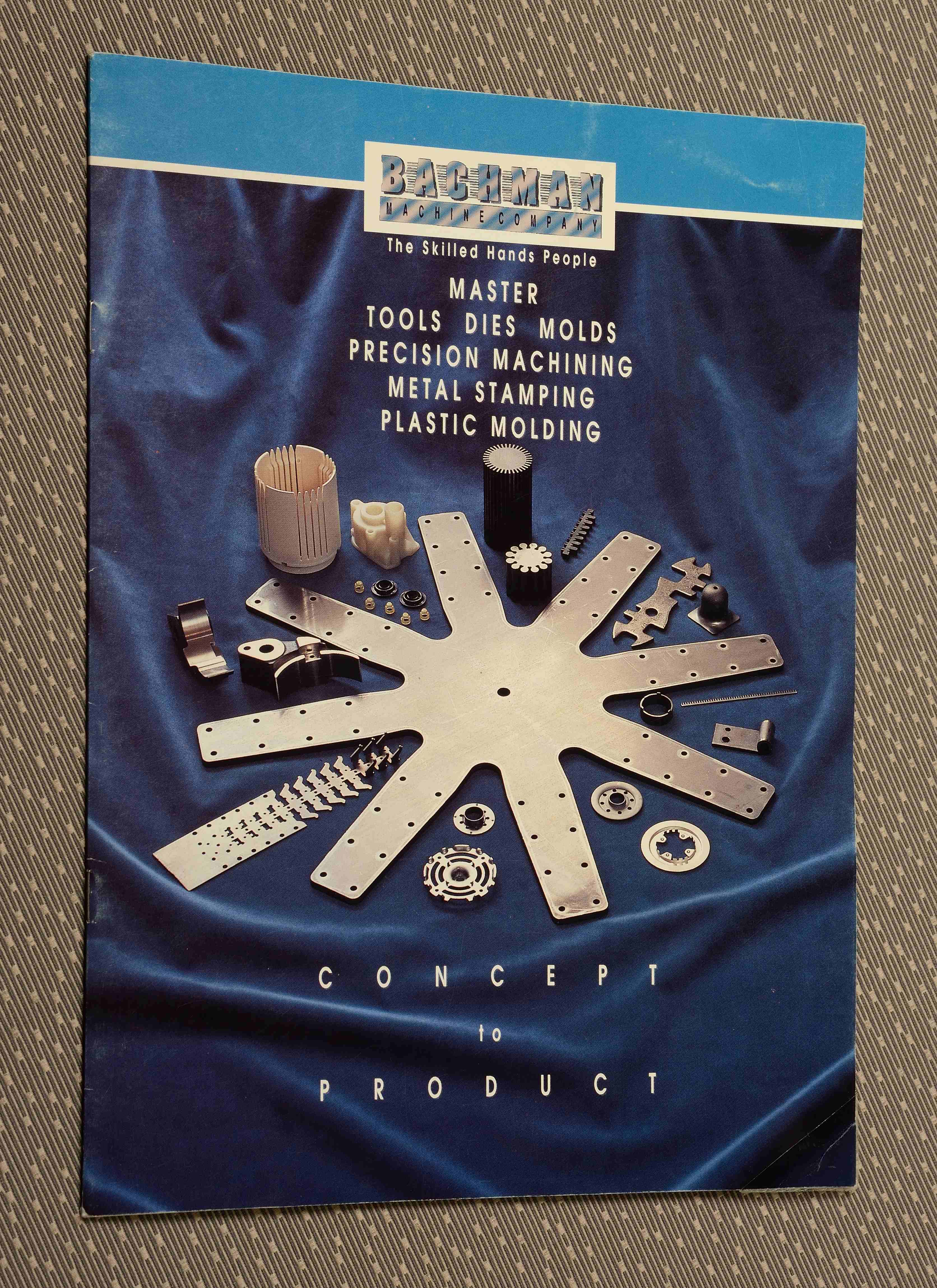
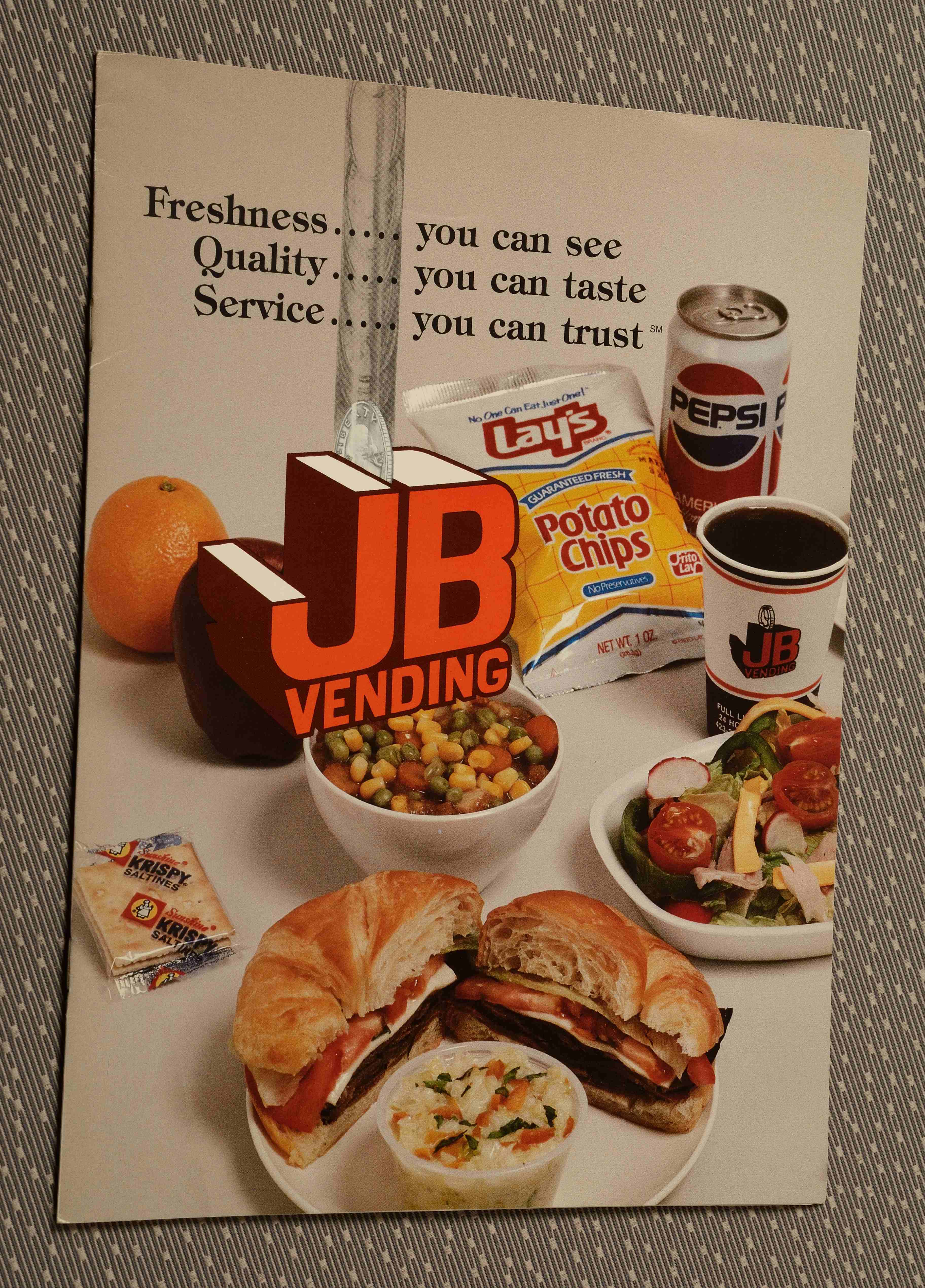
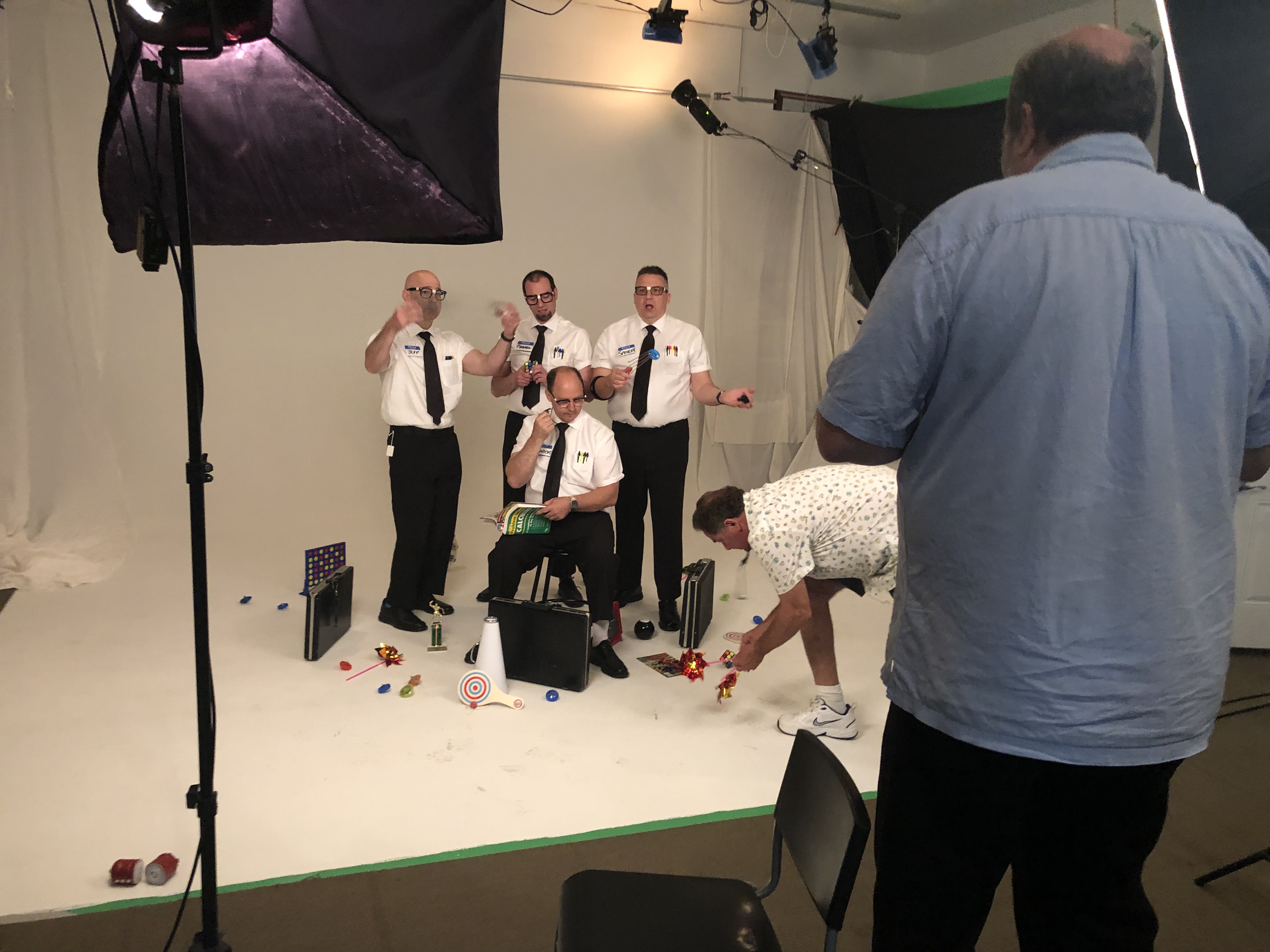




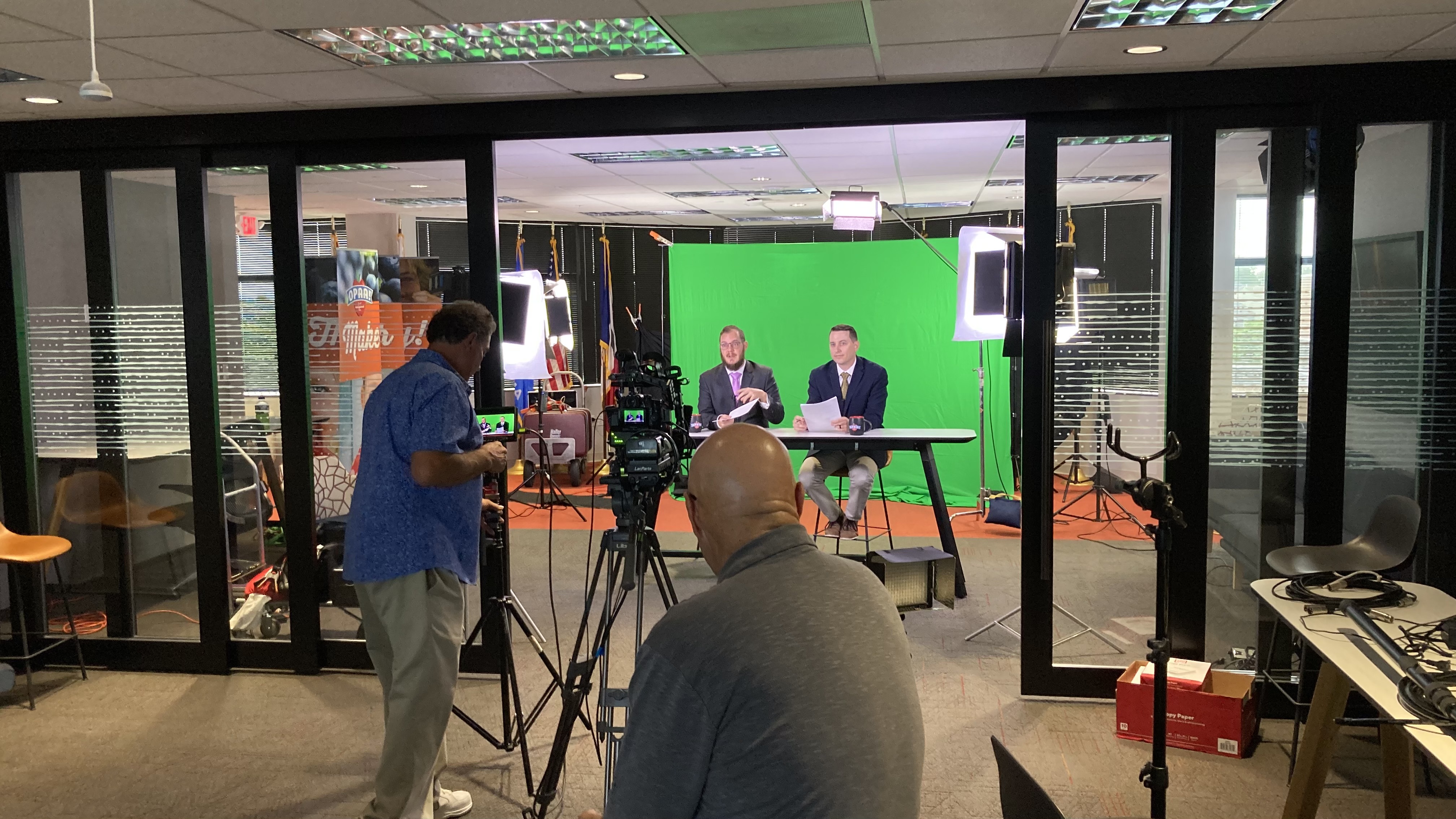
Studio lighting, backgrounds, camera positions, and visual elements can be adjusted to create a consistent appearance.
For businesses seeking professional branding imagery, this consistency is especially valuable.
Corporate Headshots and Executive Portraits
Executive portraits frequently appear on corporate websites, leadership biographies, press releases, annual reports, and professional networking platforms.
A professional portrait should communicate credibility, confidence, and approachability.
Experienced photographers understand how to use lighting, lens selection, subject positioning, and background treatment to create a flattering and appropriate image.
A studio environment also makes it easier to establish a consistent style across multiple employees.
When new executives join the organization, similar lighting and composition techniques can be used to maintain the appearance of the original portrait collection.
Product and Advertising Photography
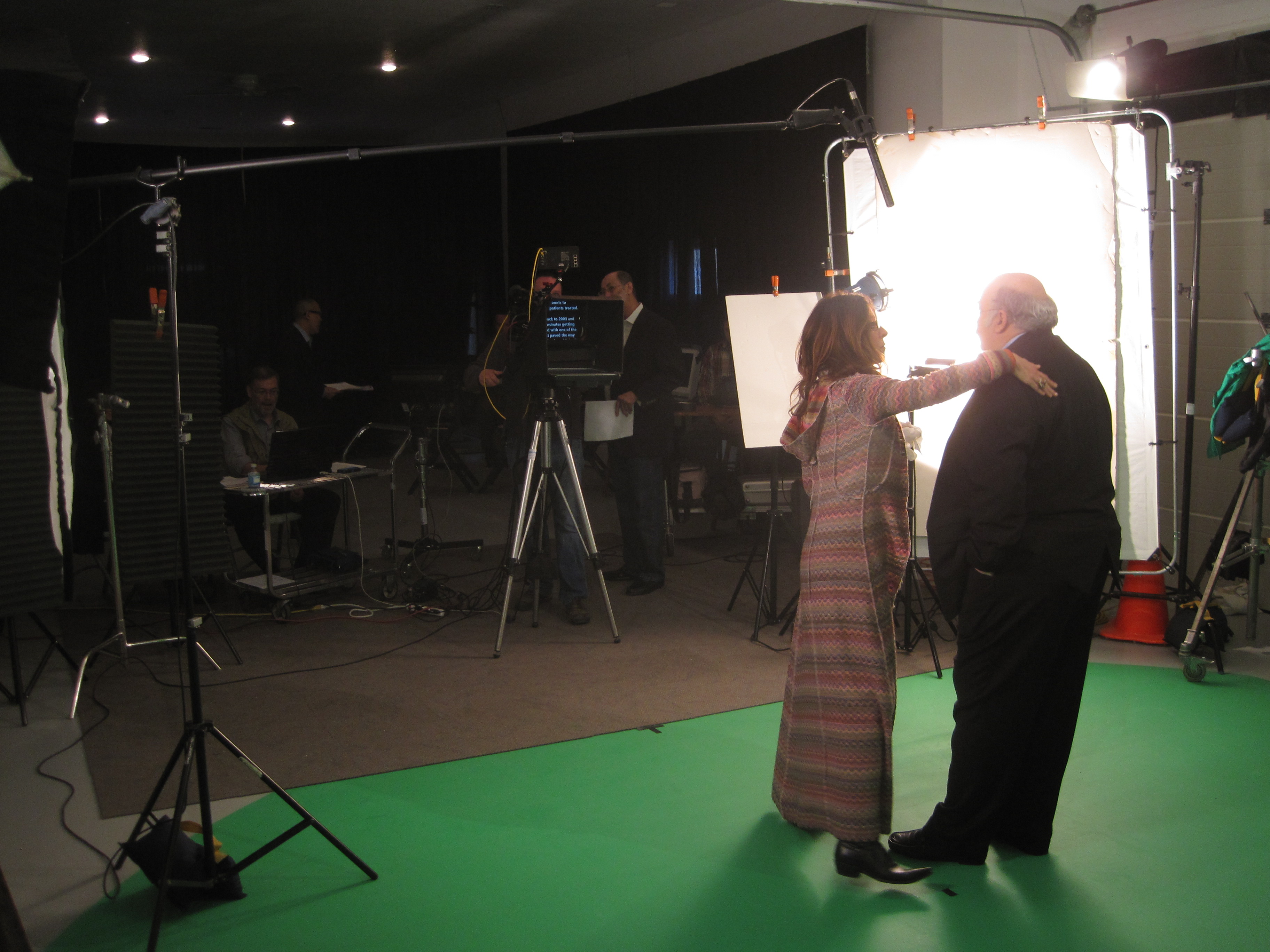
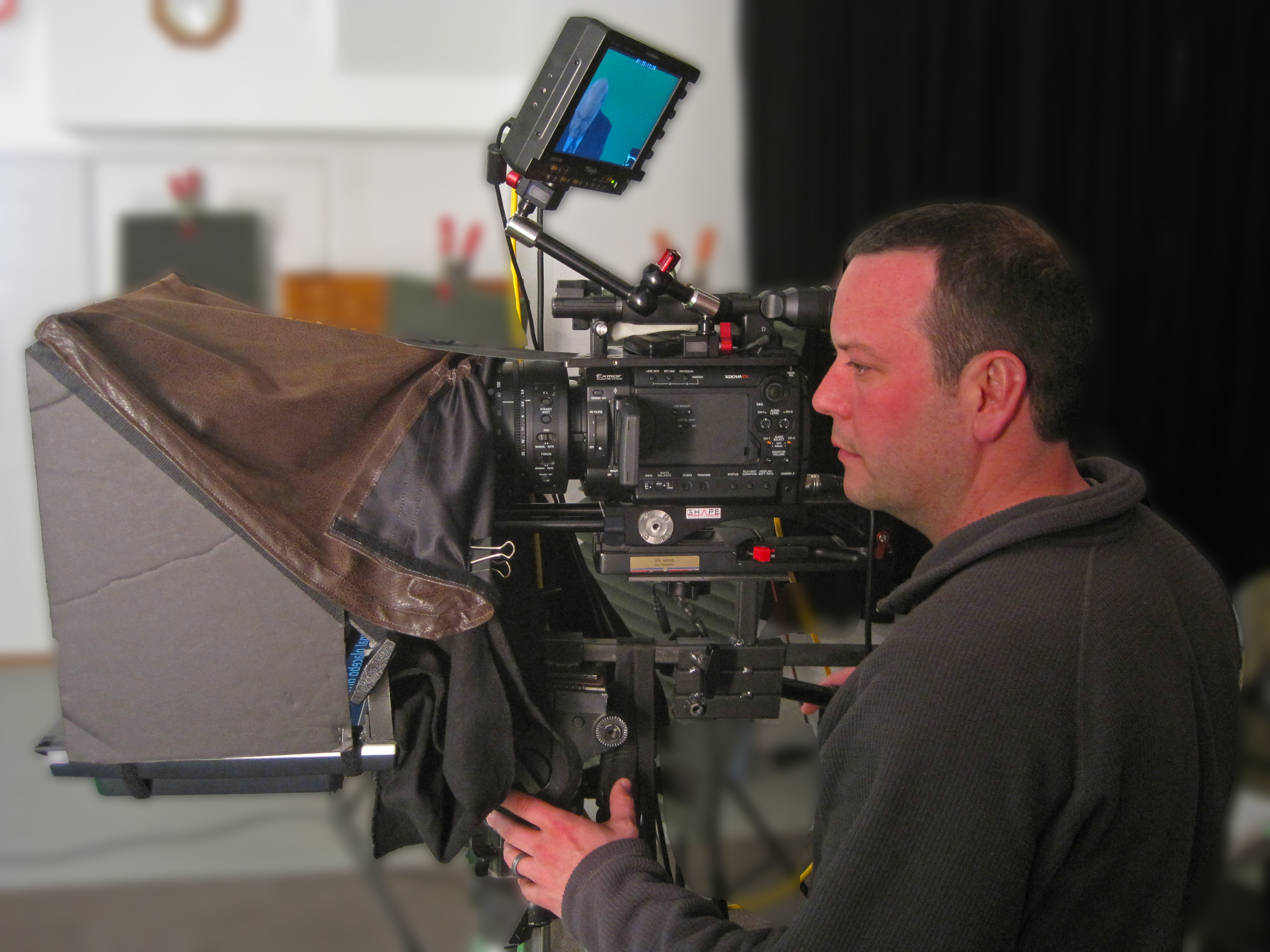
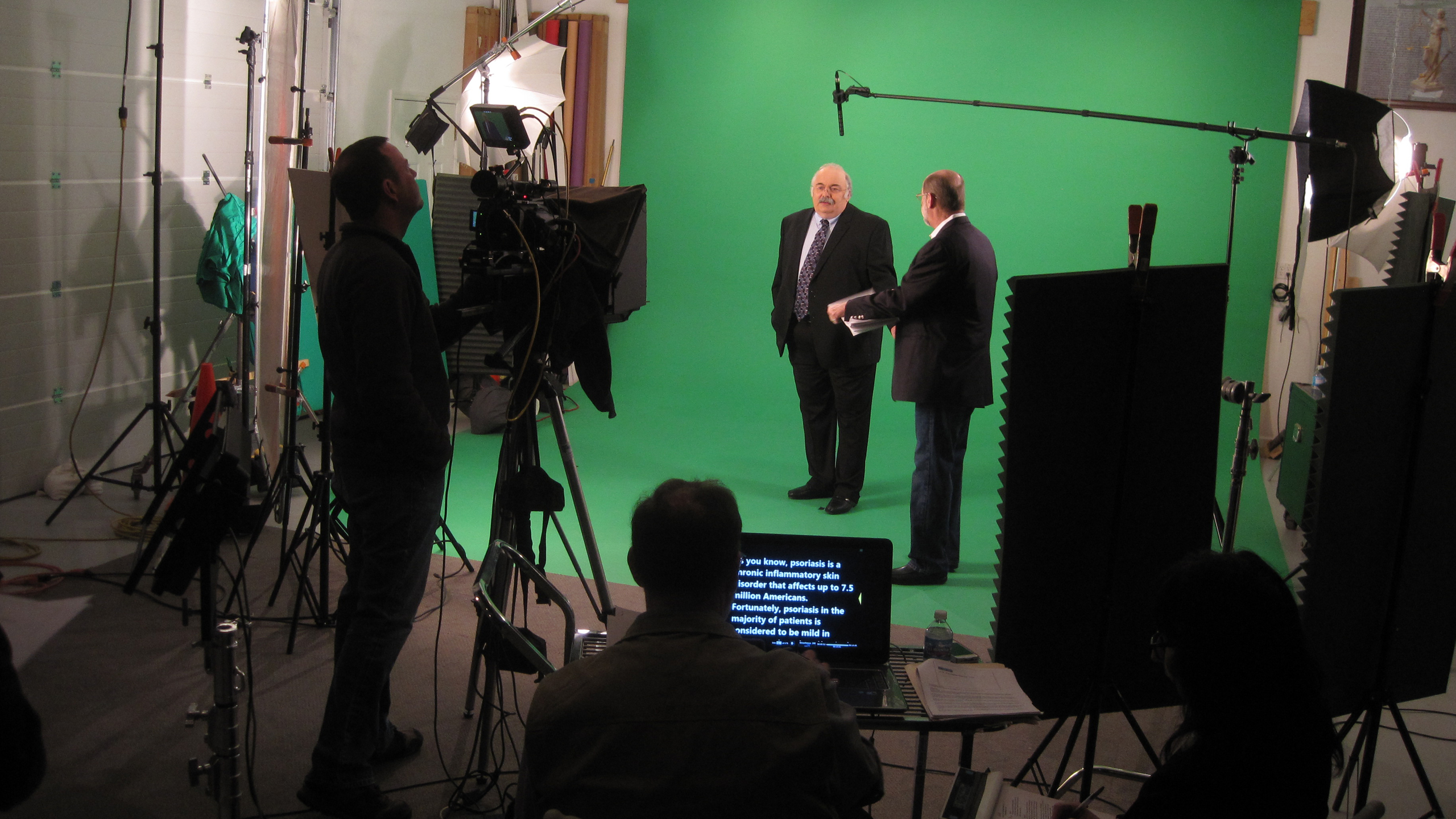
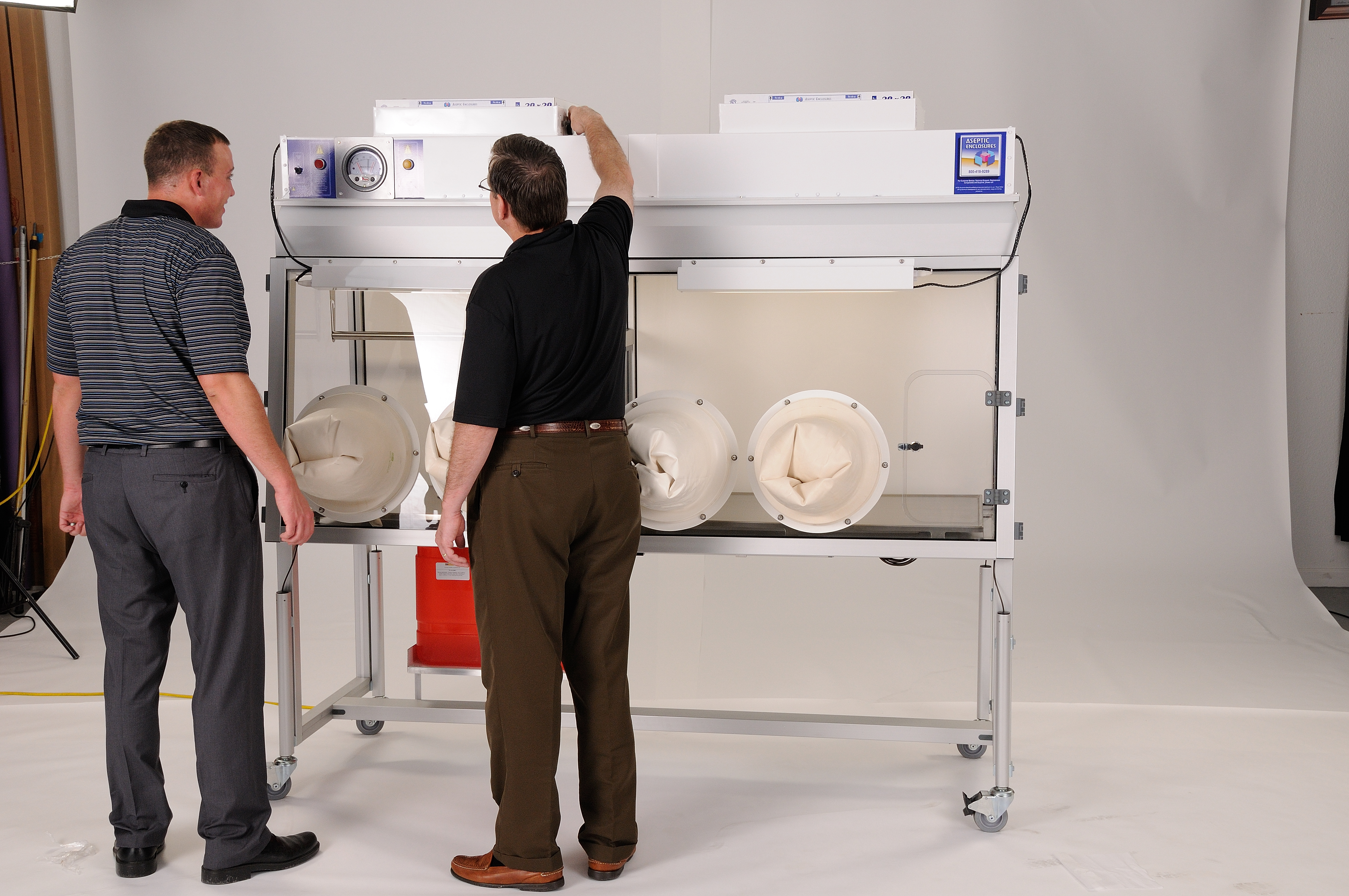
Commercial product photography frequently requires precise control over reflections, highlights, shadows, backgrounds, and color.
Products with polished metal, glass, transparent packaging, or complex textures can be difficult to photograph effectively without specialized lighting.
Professional studio equipment and experienced photographers make it possible to emphasize important product characteristics while maintaining accurate visual representation.
These images can be prepared for advertising campaigns, e-commerce, catalogs, packaging, presentations, and other business applications.
Flexible Studio Sets and Custom Backgrounds
A well-equipped studio can be adapted to support different creative concepts.
Furniture, props, branded materials, background treatments, and practical lighting can transform a simple recording environment into a customized commercial set.
An executive presentation might require a polished business setting, while a product demonstration may benefit from a functional tabletop arrangement.
The flexibility to modify a studio without relocating the production helps organizations create multiple visual styles during scheduled sessions.
Corporate Video Production Adds Motion, Sound, and Authentic Storytelling
Still photography captures important moments, while video combines movement, dialogue, sound, and visual sequencing to communicate more detailed messages.
A professional corporate video can introduce an organization, explain its services, demonstrate products, educate employees, or present customer experiences.
The most effective business videos begin with a clearly defined message and use carefully selected images to support that message.
Executive Interviews and Corporate Communications
Executive interviews can help organizations communicate important information directly through their leadership.

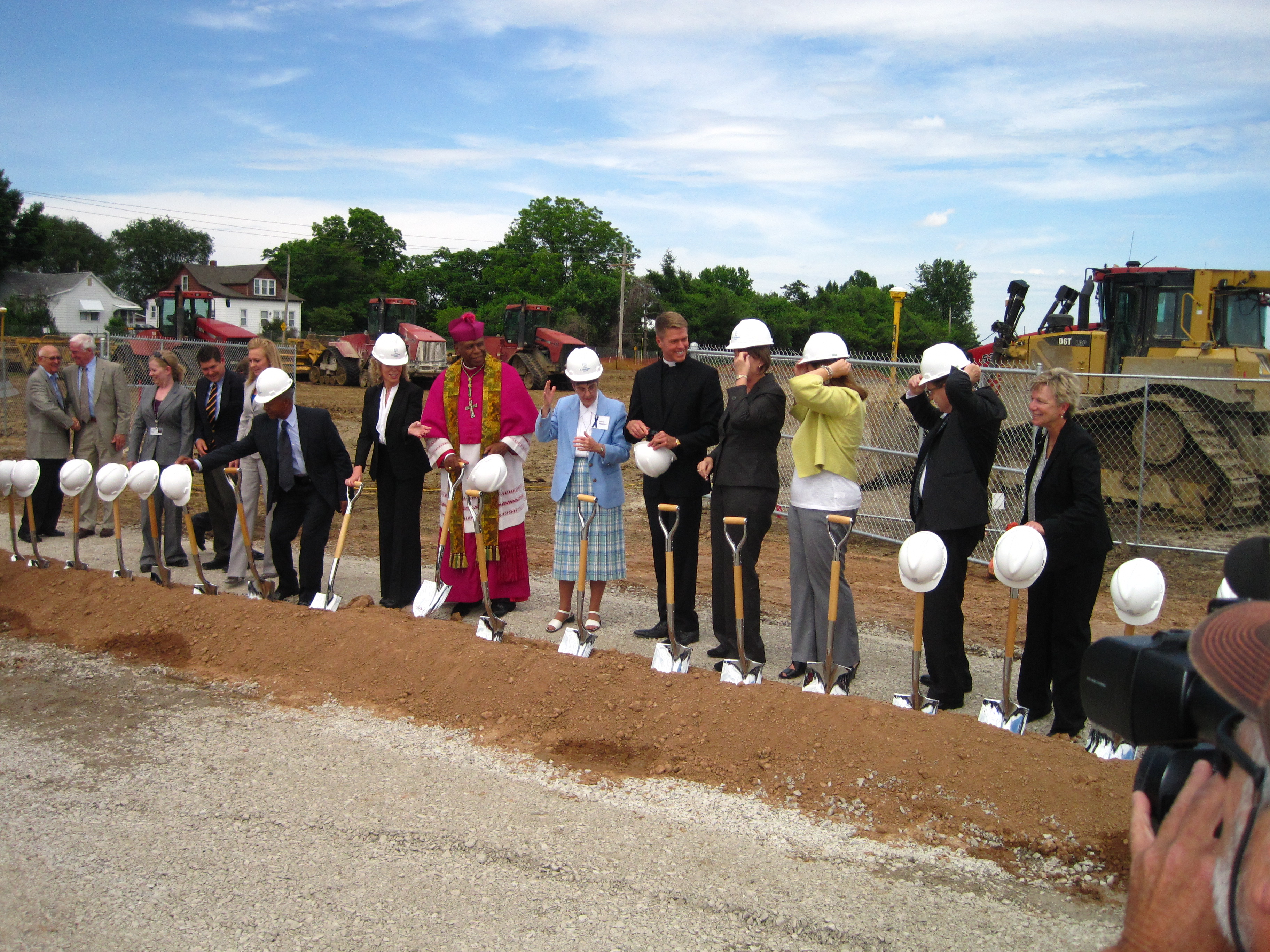
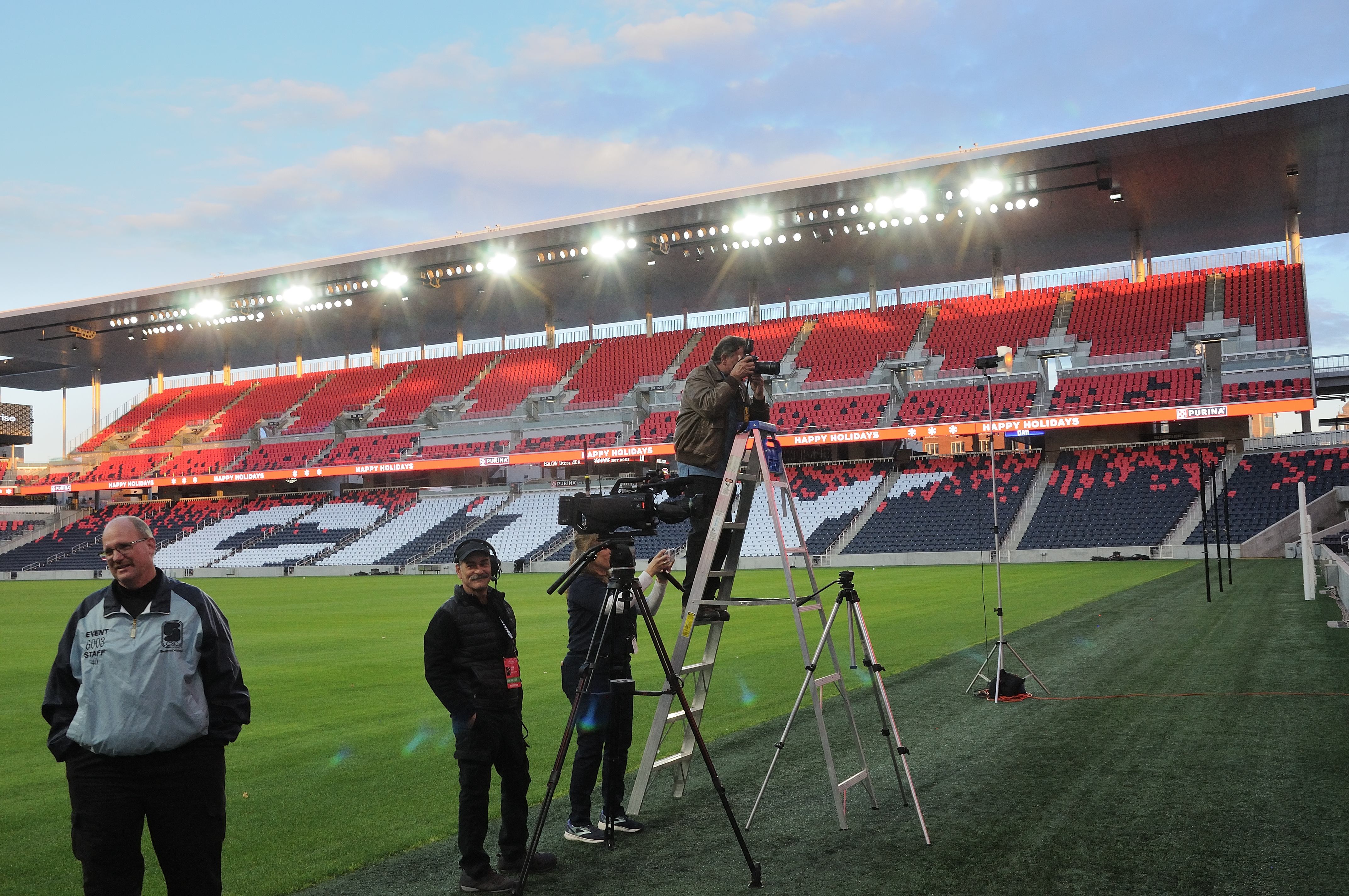


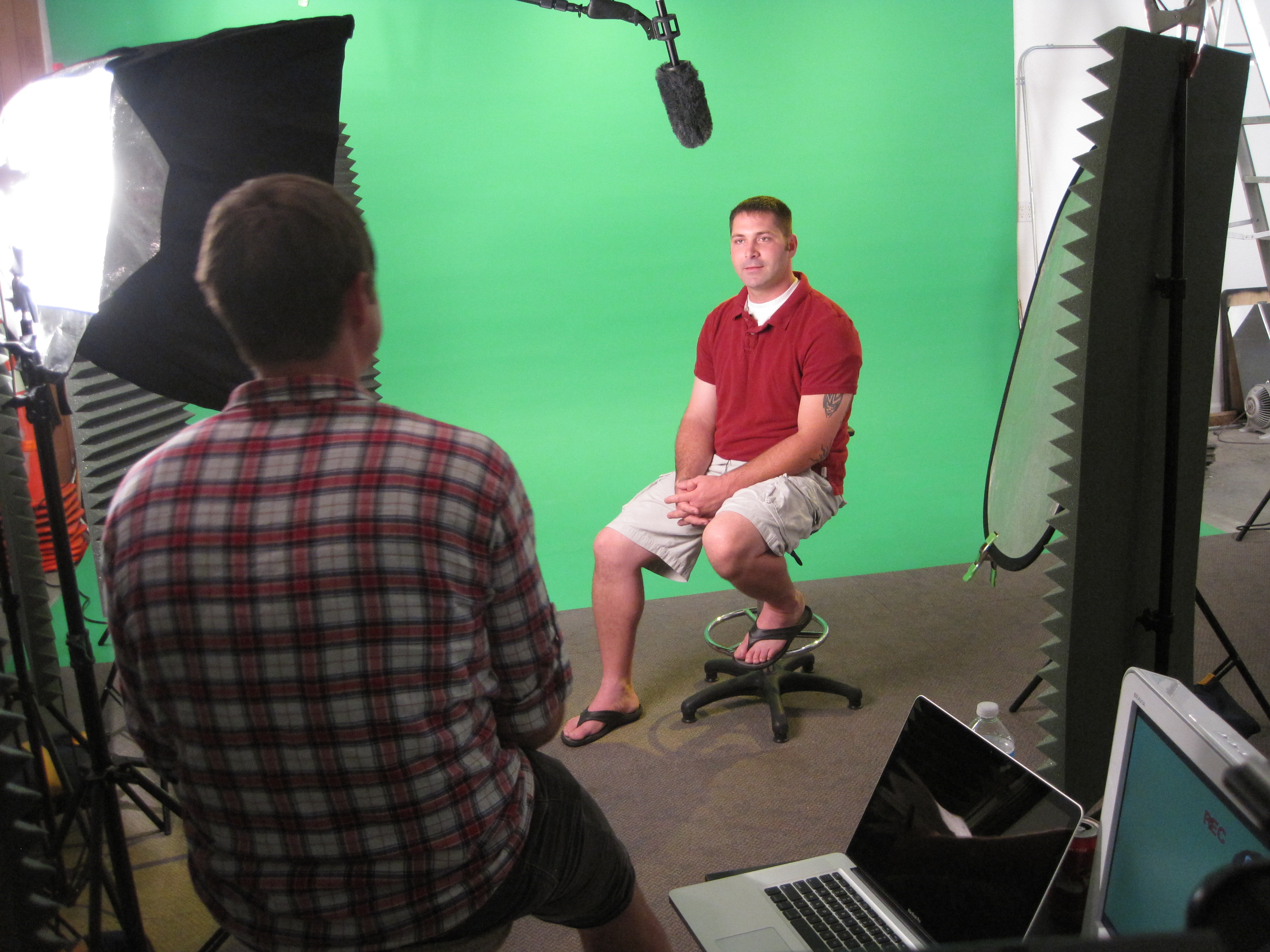
Professional interview production requires attention to camera framing, lighting, background design, audio recording, and participant direction.
A private studio can provide a comfortable setting free from many workplace distractions.
Experienced producers guide presenters through interviews while allowing them to communicate naturally.
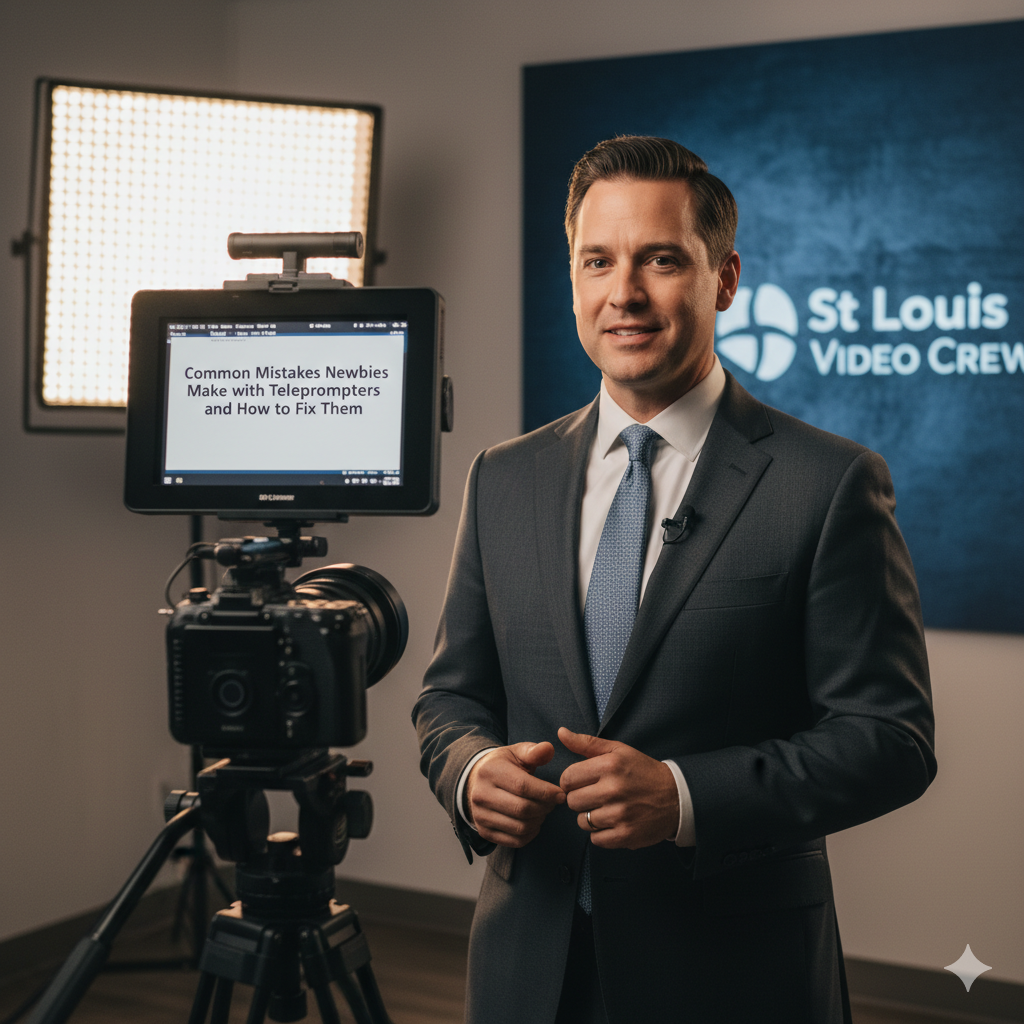
For scripted presentations, teleprompters can help executives maintain camera eye contact while delivering prepared messaging.

