Tag Archives: st louis video crews

Proof Over Hype: The Practical Playbook for Testimonials & B-Roll That Convert

Decision-makers don’t need more “content.” You need credible proof that moves buyers. Well-produced testimonials—supported by purposeful B-roll—are still the fastest way to deliver that proof. Here’s the field-tested playbook we use on commercial sets to keep interviews authentic, visuals elevated, and outcomes measurable.

Define Success Before You Roll

  • Business outcome first: Map each testimonial to a specific funnel stage (awareness, consideration, proof, renewal) and KPI (demo requests, sales enablement usage, time-on-page, ad ROAS).
  • One promise per video: “From 6-month onboarding to 6-week deployment,” “Cut downtime by 32%,” etc. Make the claim measurable and visually provable in B-roll.
  • Audience and channel: Decide final aspect ratios and durations up front (16:9 web, 1:1 LinkedIn, 9:16 reels/stories) so we shoot what we need once.
Casting & Story Architecture

  • Pick customers who mirror your next buyer. Same industry, role, revenue band, or pain profile.
  • Write a proof arc, not a script:
    1. Pain (stakes, risk), 2) Decision (why you vs. alternatives), 3) Outcome (numbers, speed, delight), 4) Future (what they can’t imagine going back to).
  • Pre-interview call (15–20 min): Surface specifics, secure sensitive data approvals, and compile visual opportunities for B-roll.
  • Clear the runway: Get location permission, brand approvals, and signed releases early. Reserve quiet rooms; kill HVAC/ice machines during takes.

Interview Craft That Sounds Natural (But Lands on Message)

  • Prompts, not lines: “Walk me through the last straw that made you change.” “What nearly derailed deployment?” “If your past-self asked ‘Is this worth it?’ what would you say now?”
  • Coach for specifics: Replace “helped a lot” with numbers, time saved, or a changed behavior.
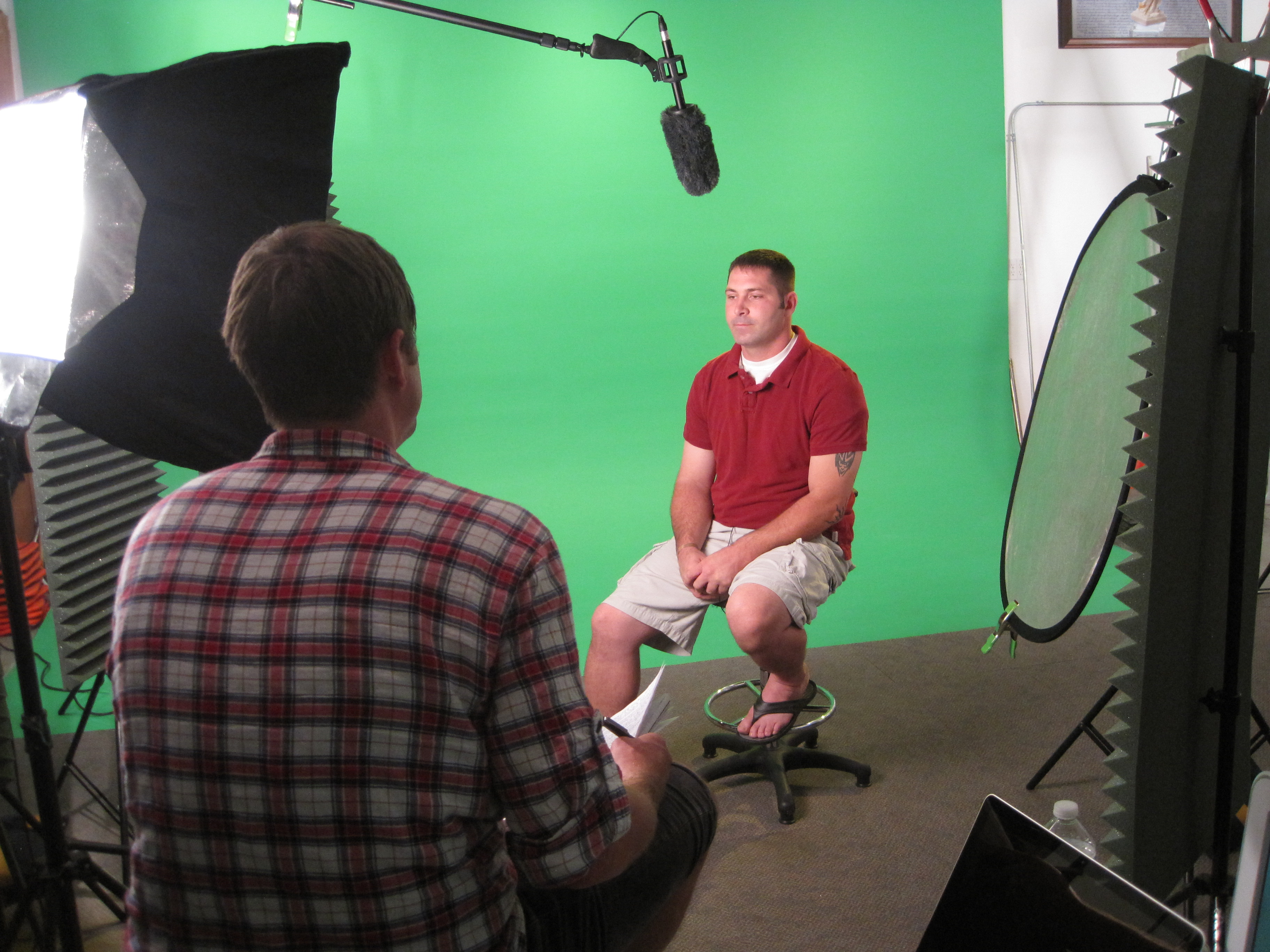
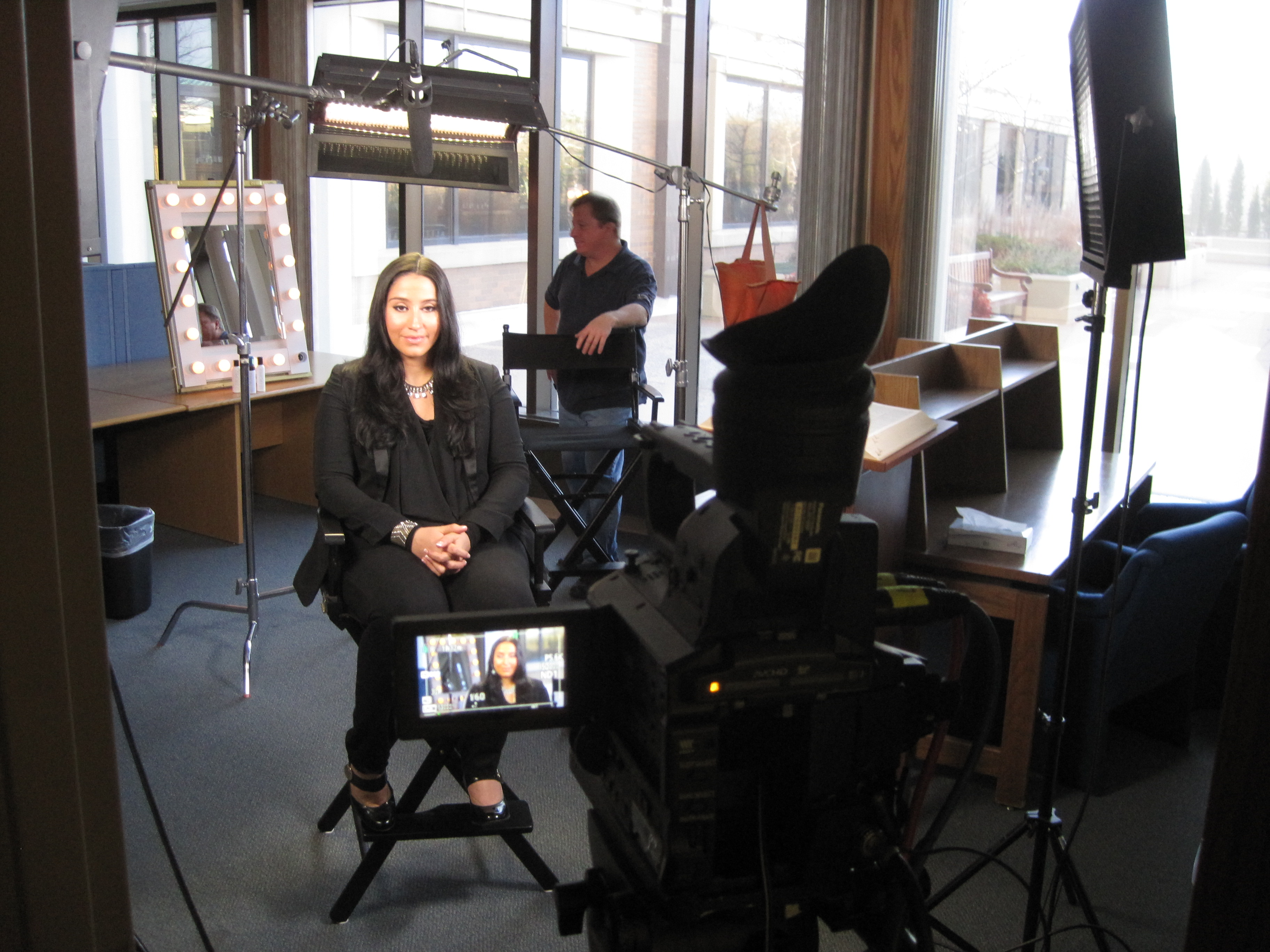
  • Keep eyes off the lens (unless the creative calls for direct-to-camera). Seat the interviewer just off-axis for connection.
  • Bite-sized answers: Encourage complete thoughts in 10–20 seconds for easy editing and cut-downs.
  • Redundancy on the record: Ask for the headline claim twice in slightly different words.

Image & Sound: The Quiet Differentiators

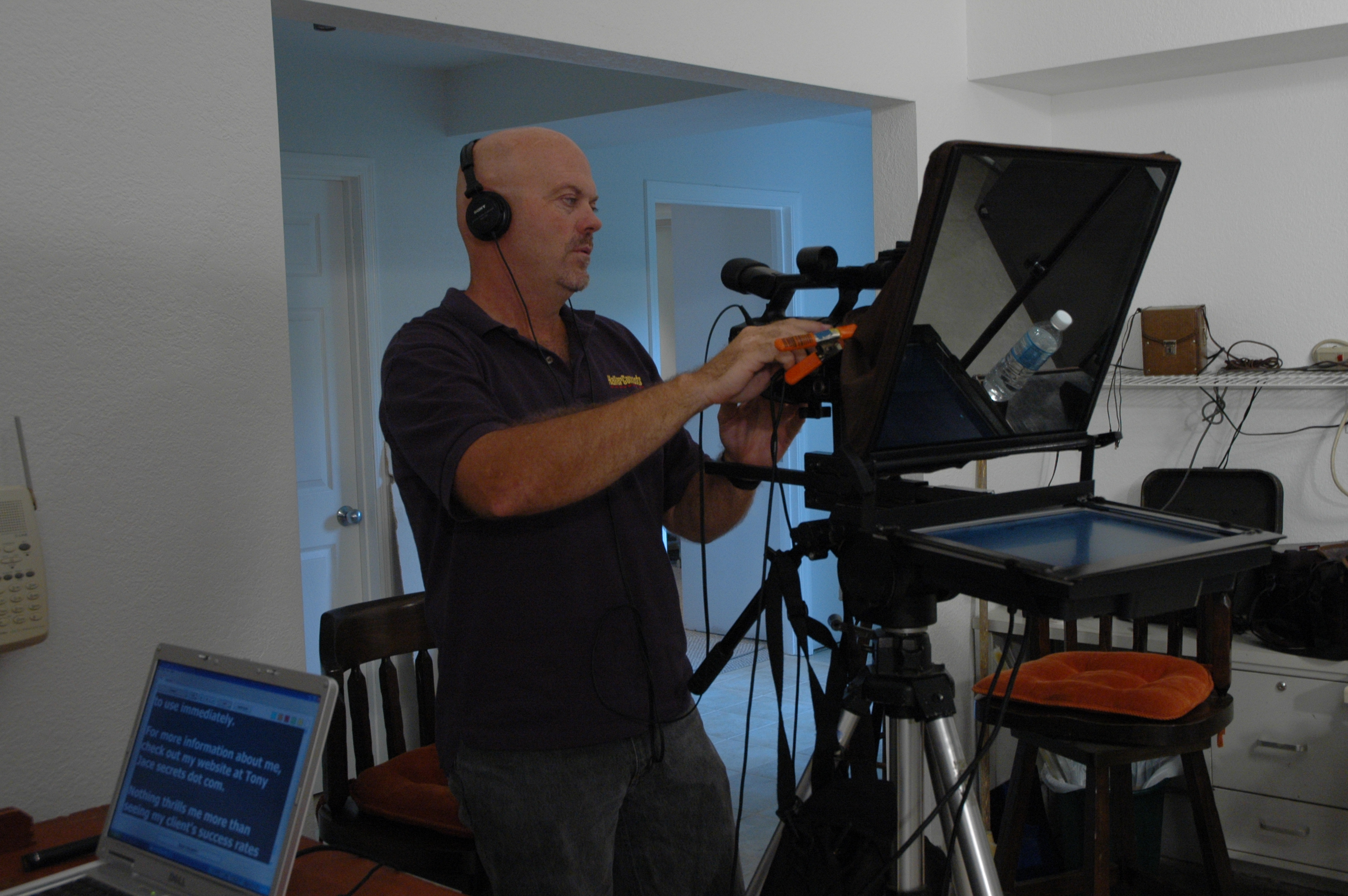
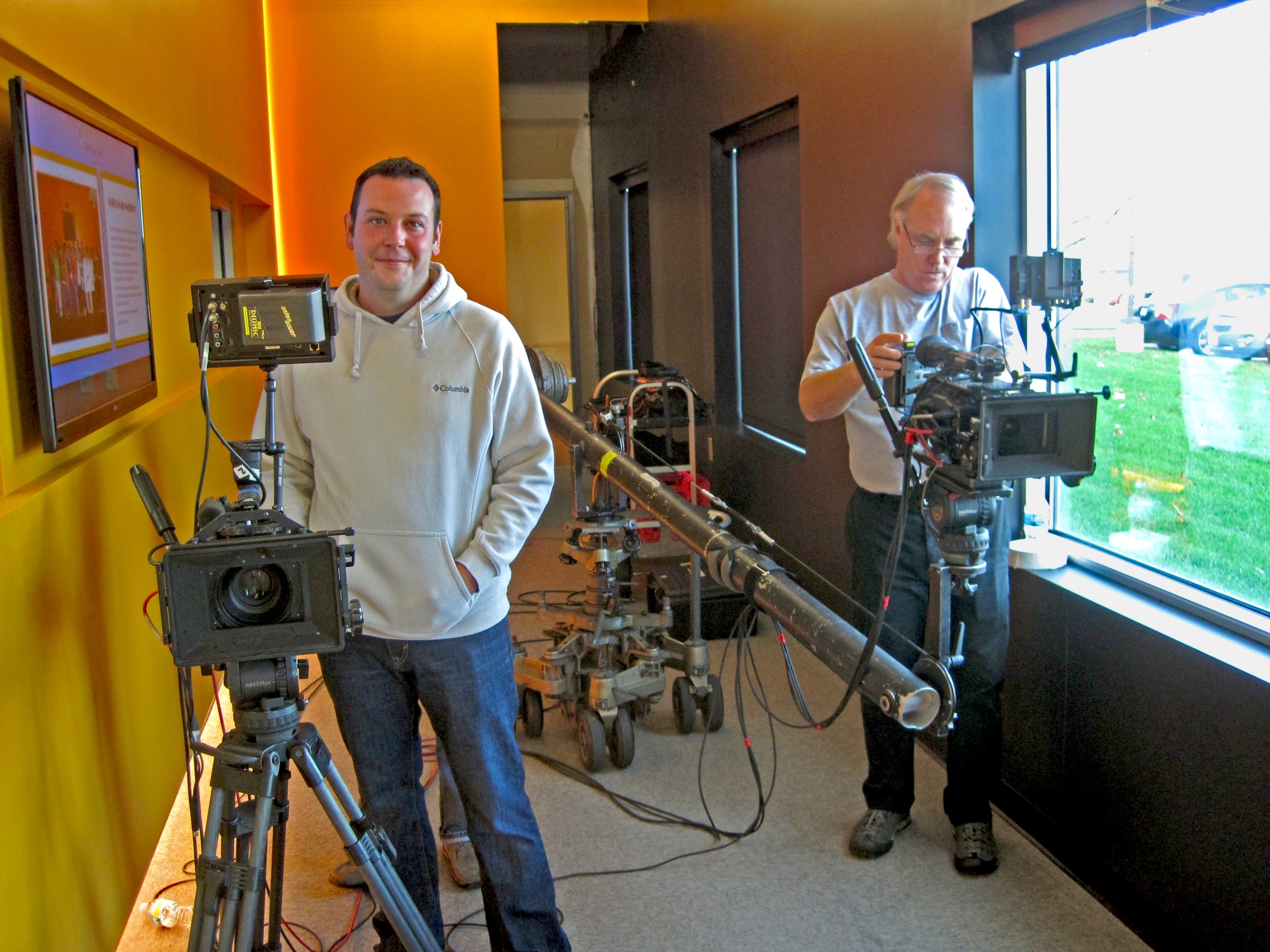
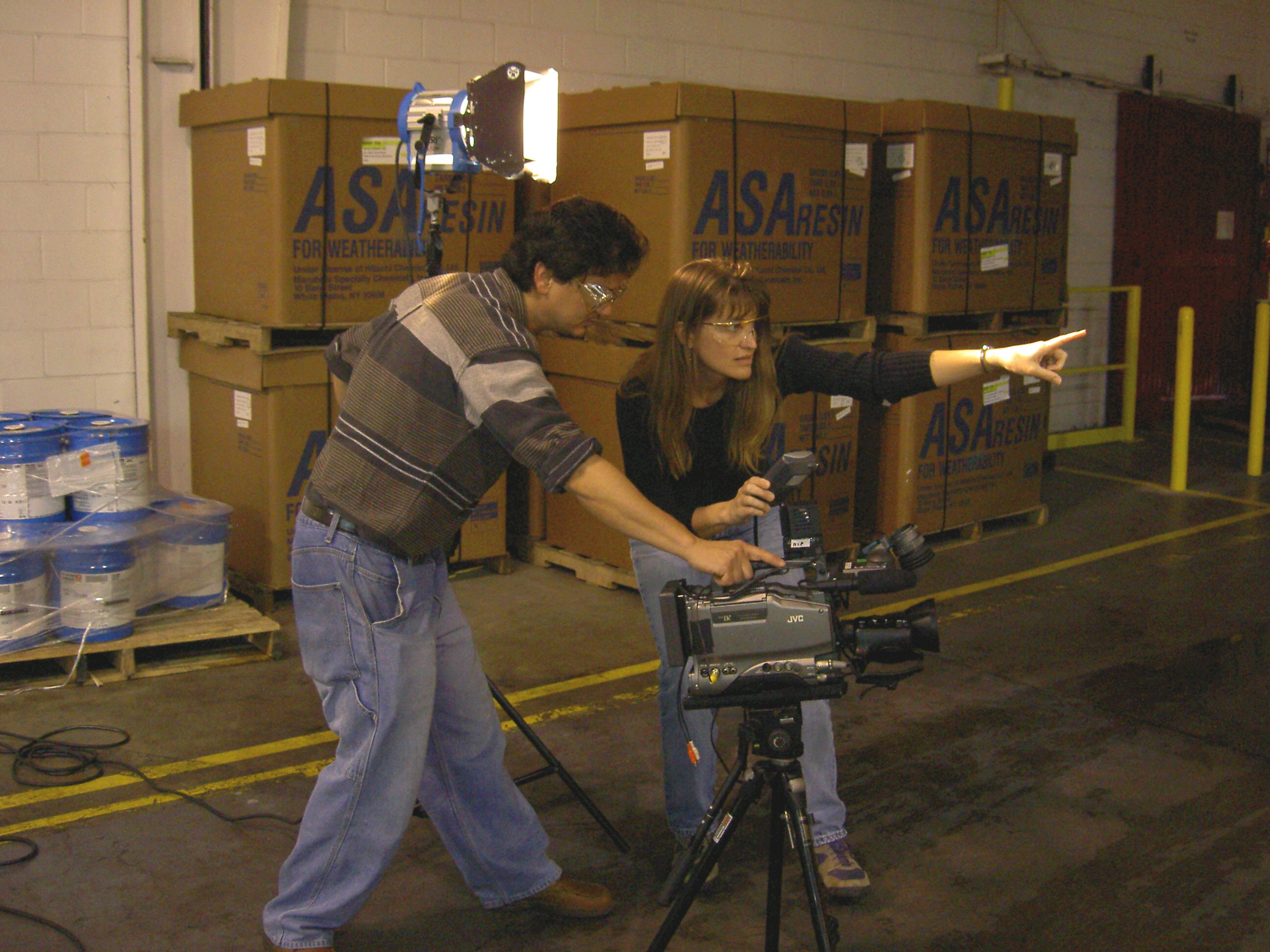
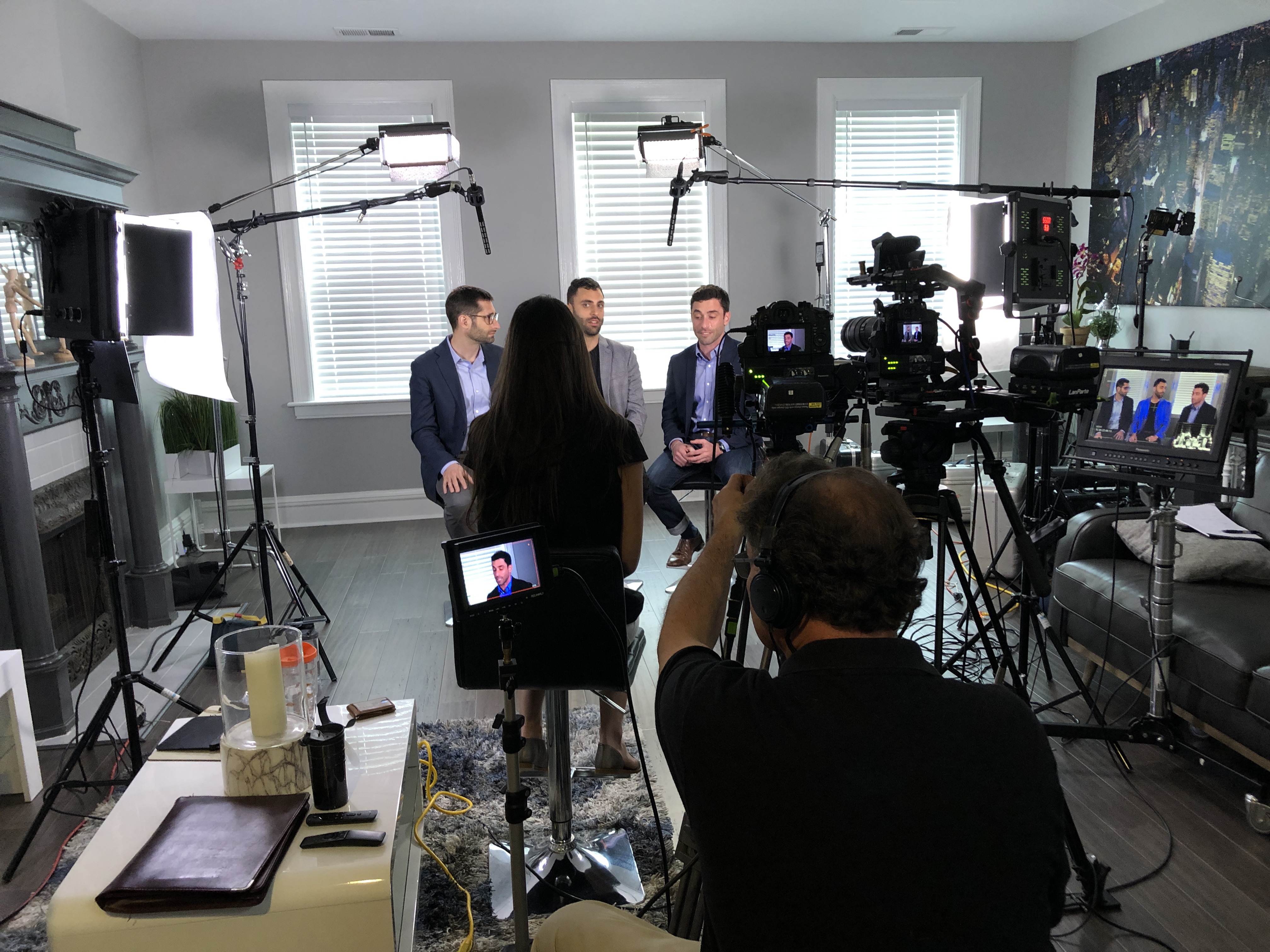
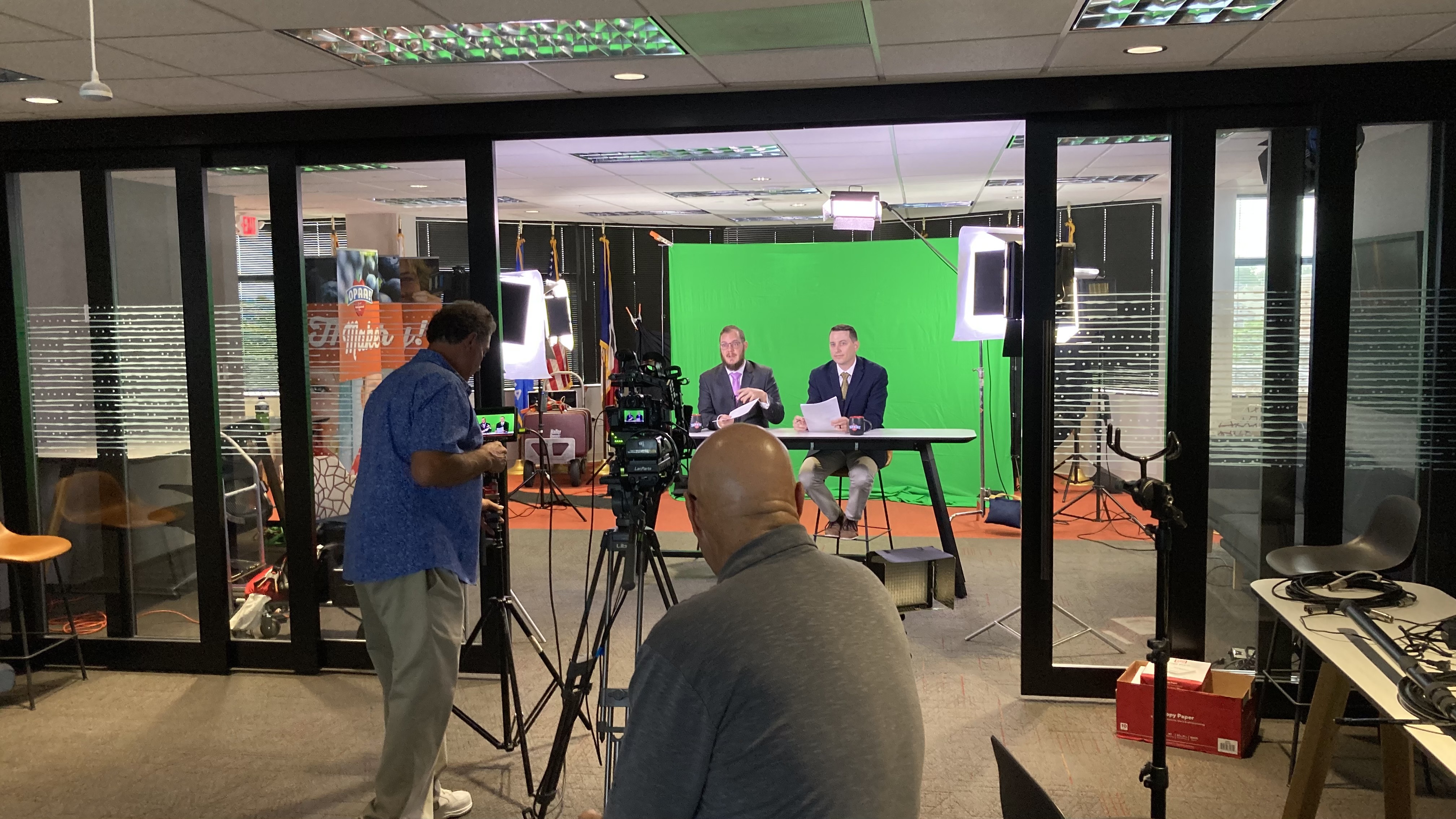
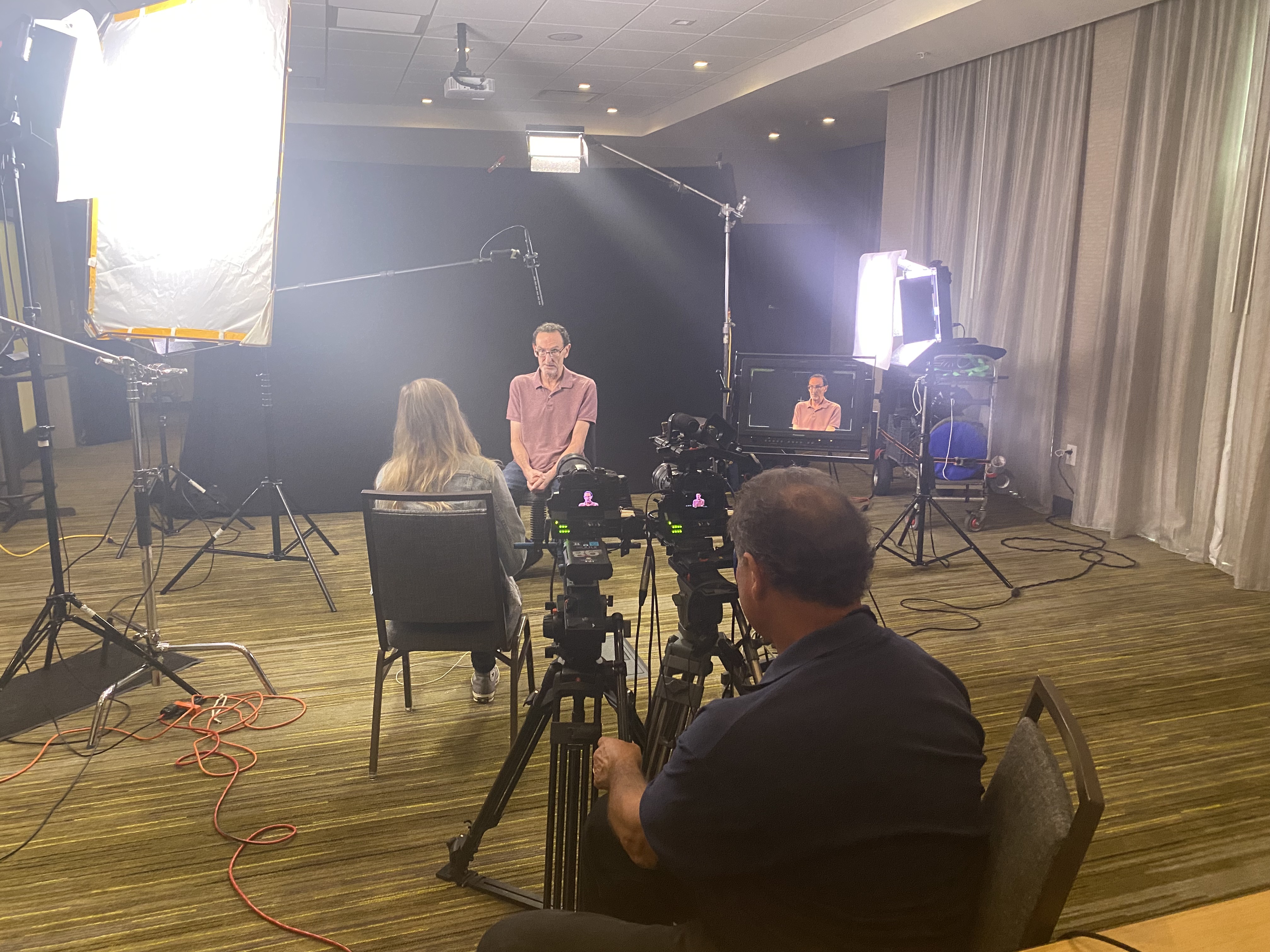
  • Audio first: Dual-system sound when possible; always lav + boom. Monitor with closed-backs. Capture 30 seconds of room tone.
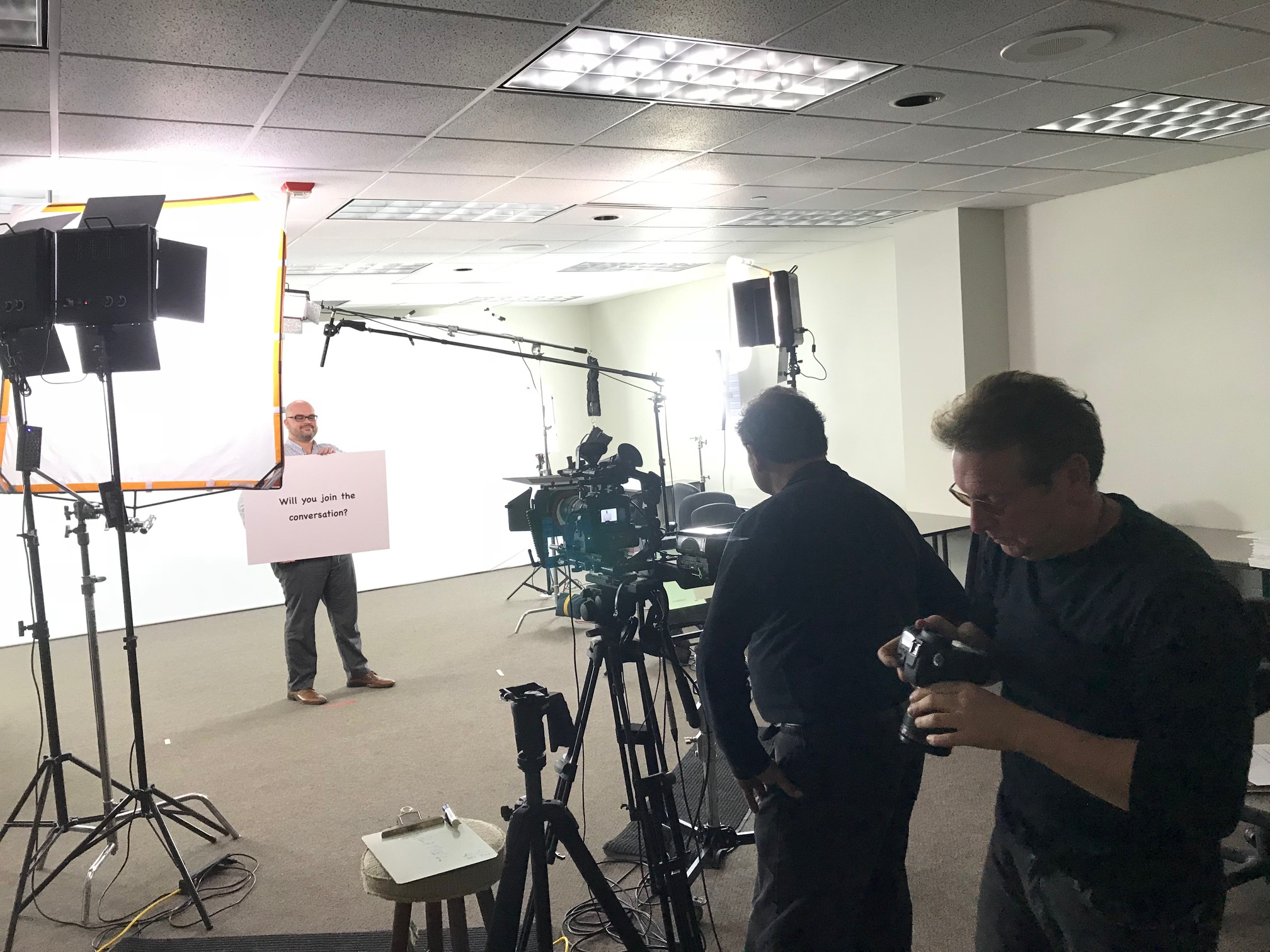
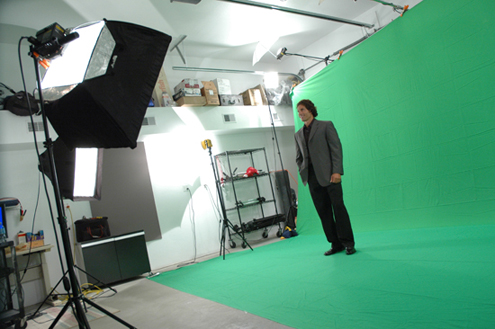
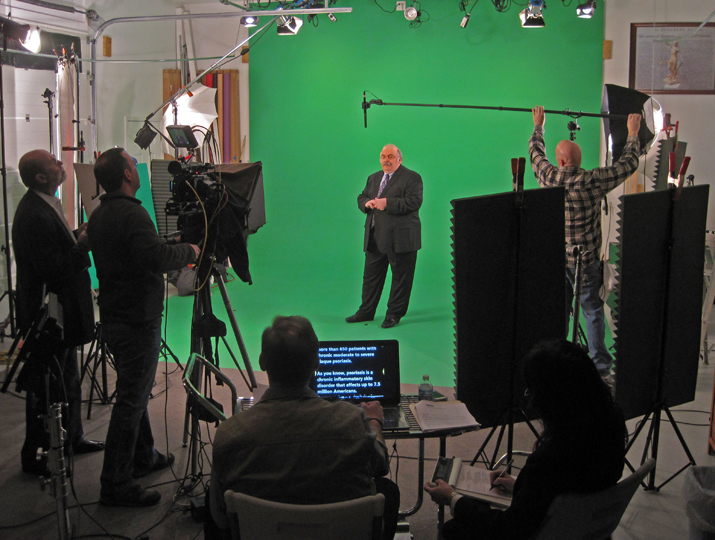
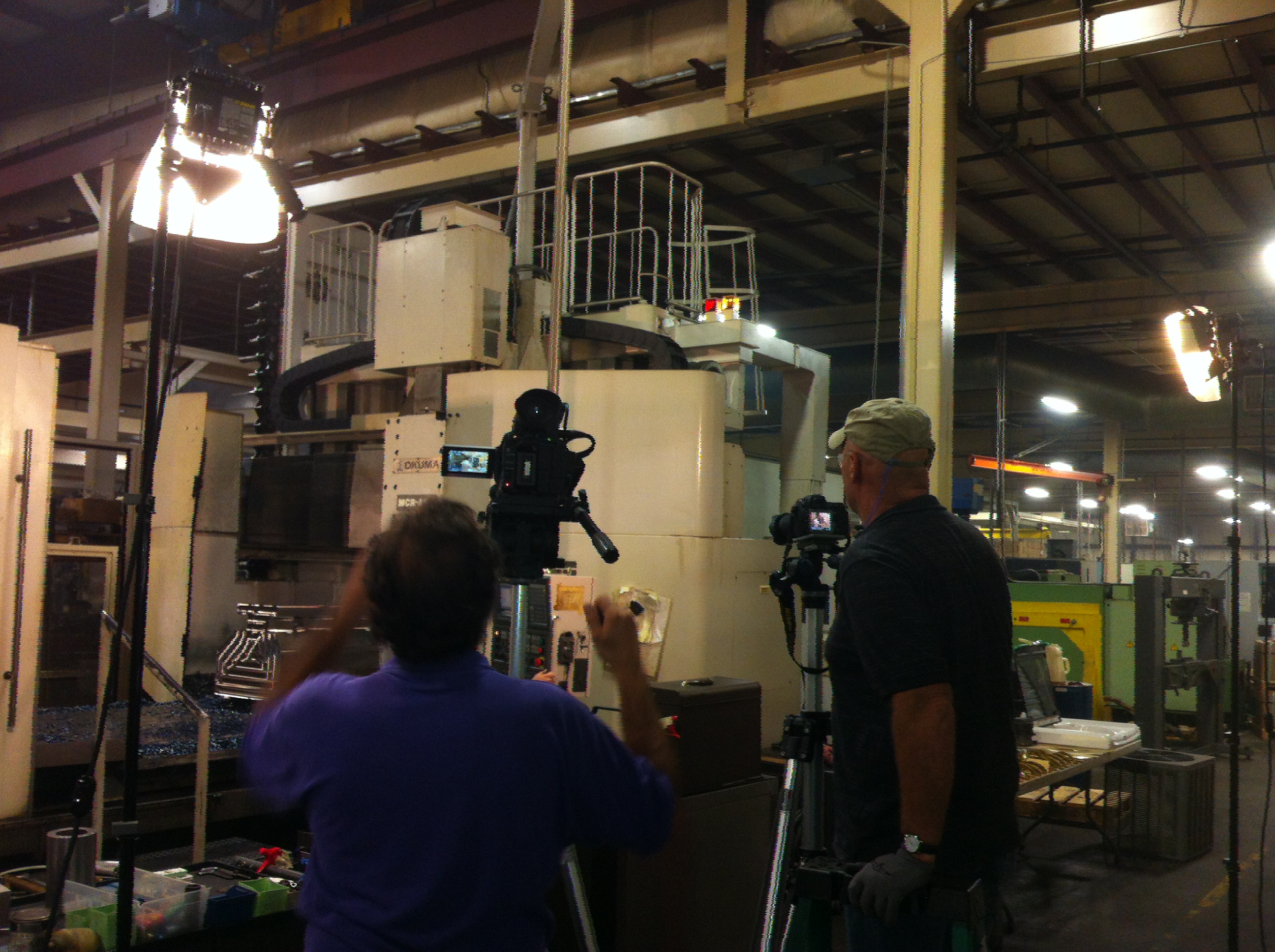
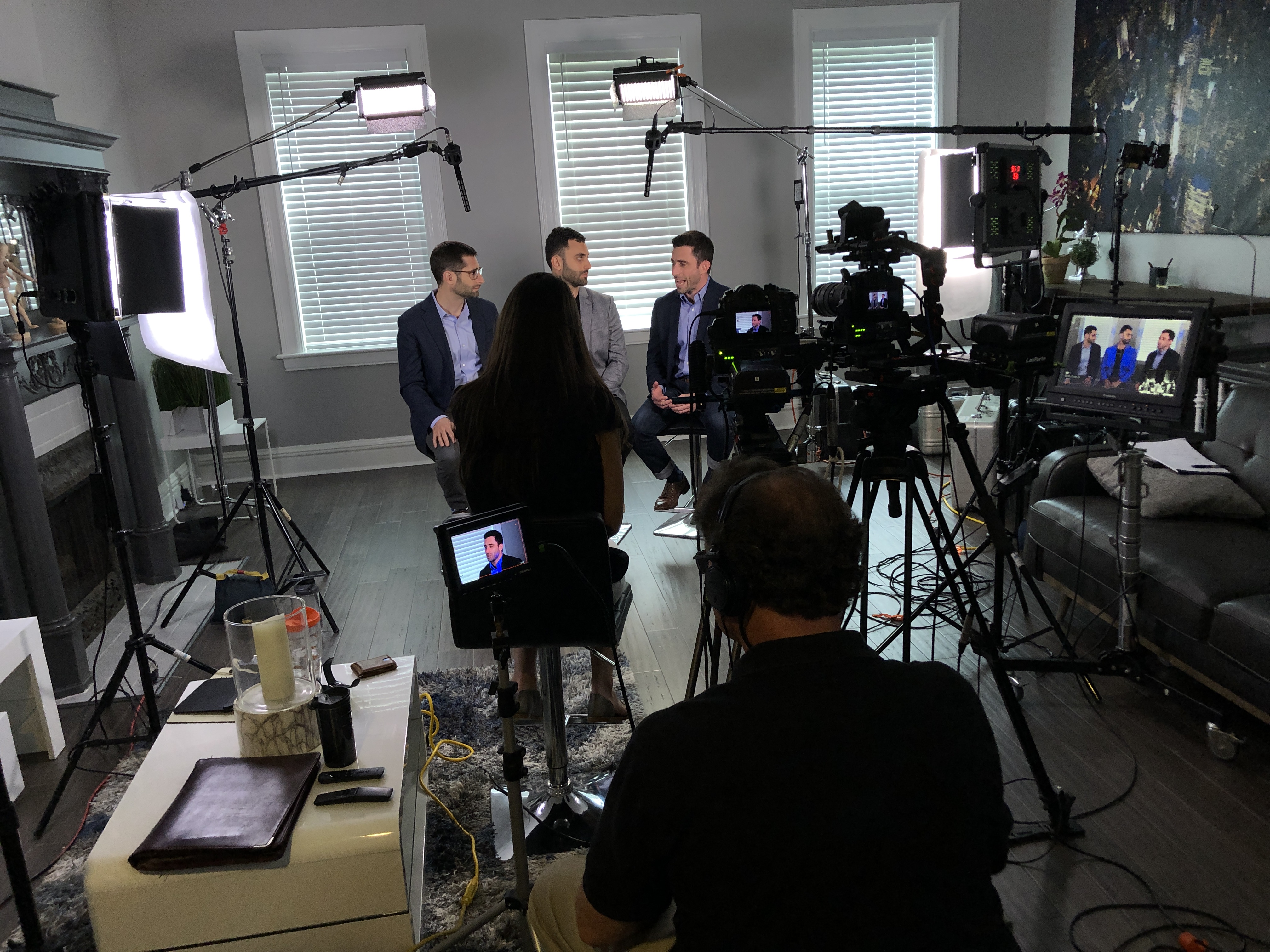
  • Light with intent: Key at ~45°, feathered; add negative fill for shape; hair/back light for separation. Match ambient color; kill mixed color temps.
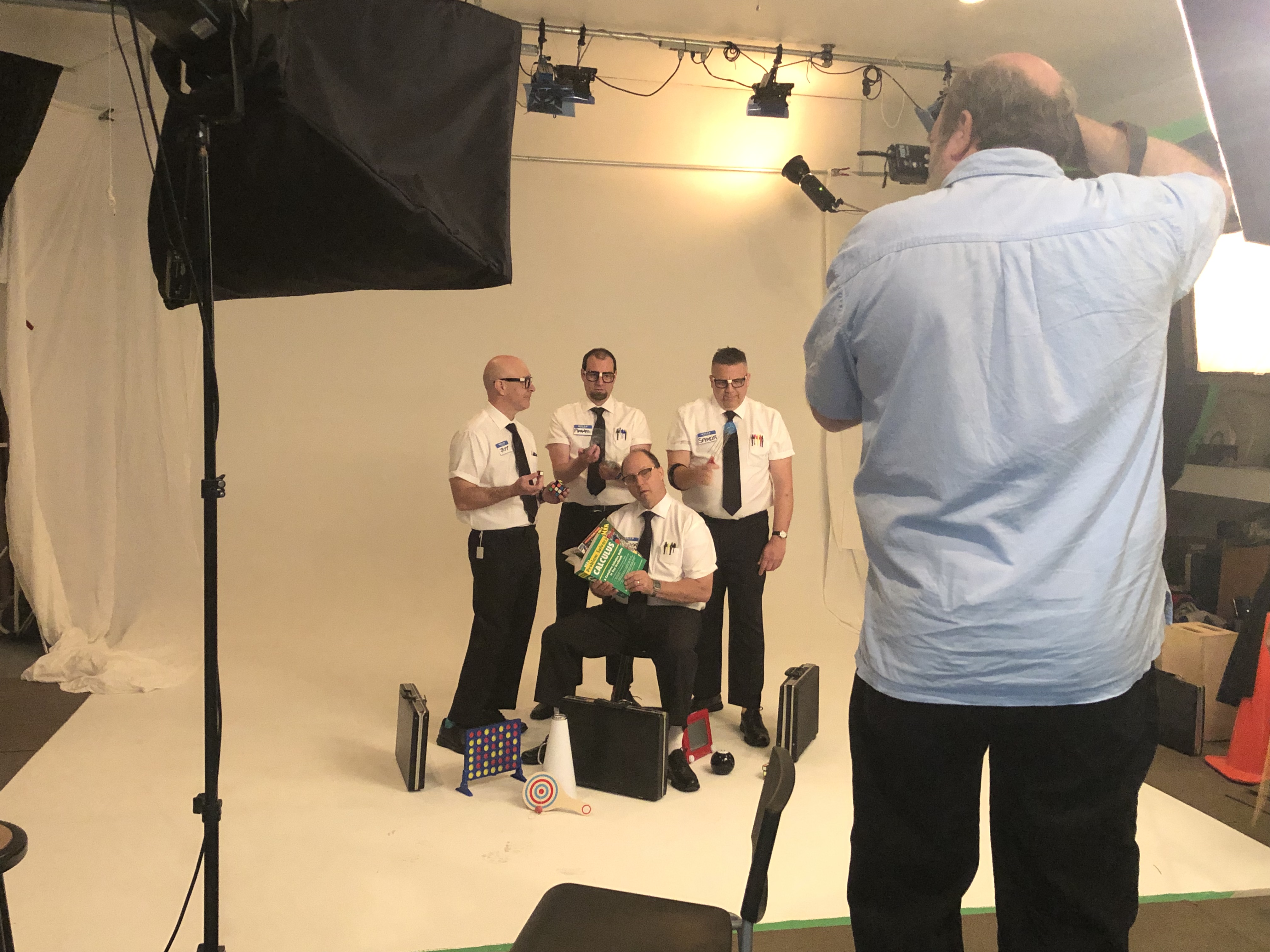
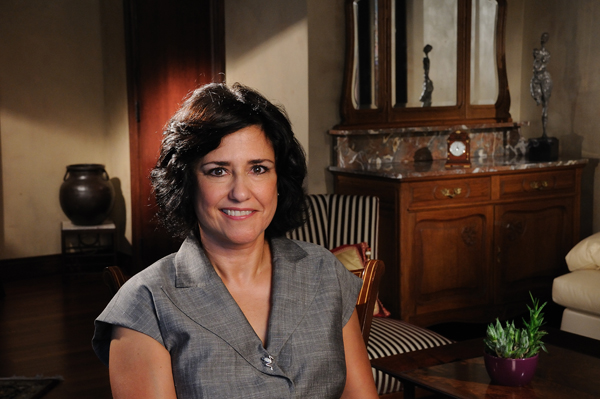
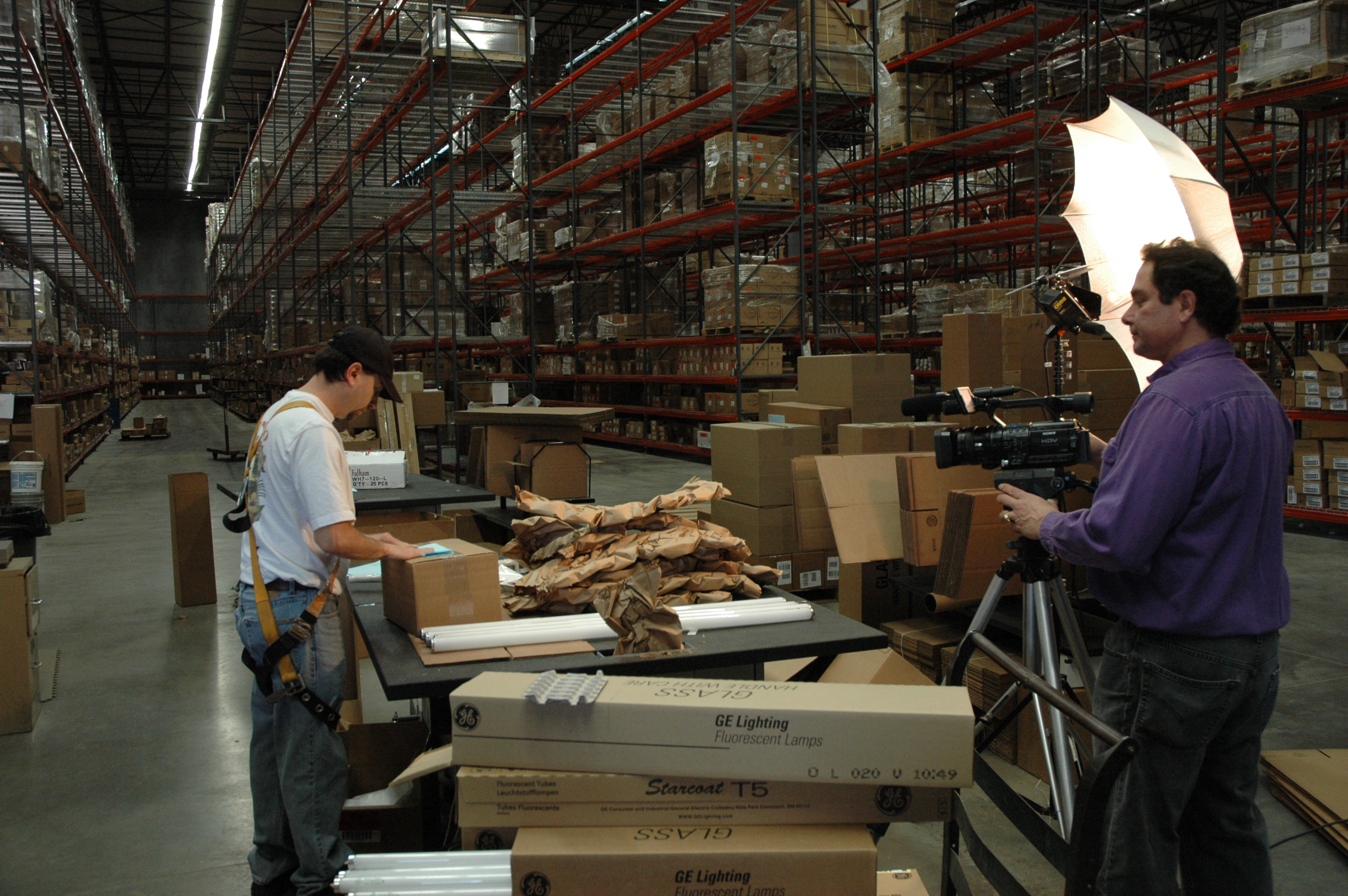
  • Backgrounds with story: Subtle brand artifacts (prototypes, dashboards, shop floor), depth, and practical motivation (lamps/screens) read as real and reduce “talking head” fatigue.
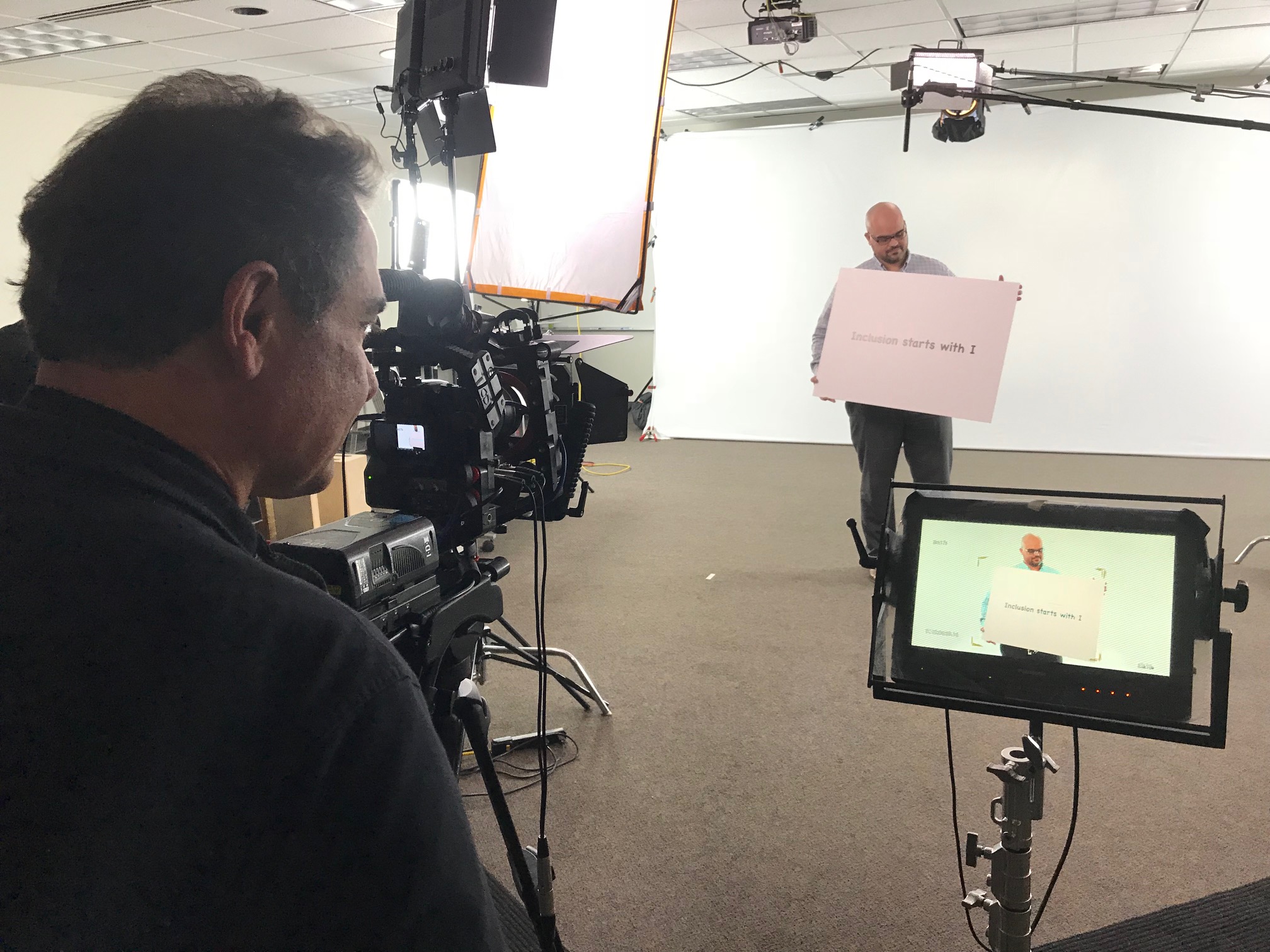
  • Framing for deliverables: Compose to protect safe zones for 9:16 and 1:1 crops without losing eye-line.

B-Roll That Works Hard (Not Just Pretty)

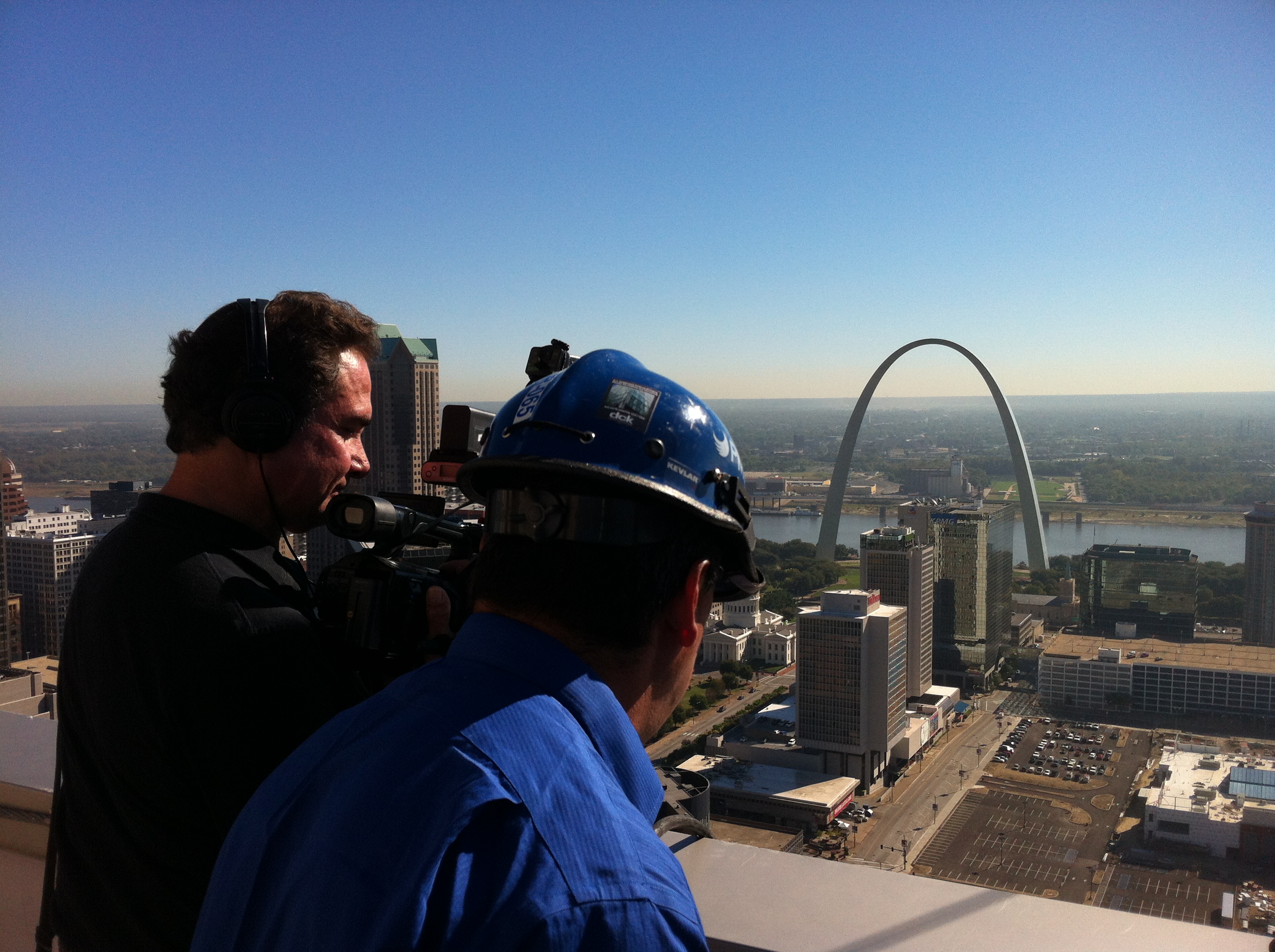
Think of B-roll as visual evidence of the claims made in the testimonial.

  • Shot families for coverage:
    • Wides for context, mediums for process, tights for details/data.
    • Hands-in-action: typing, calibrating, scanning, lifting, reviewing dashboards.
    • Transitioners: doors, signage, skyline, time-lapse, rack-focuses.
  • Match each claim with a visual: If they say “cut rework by 30%,” show the old vs. new workflow, QC stations, dashboards, or shipping volume.
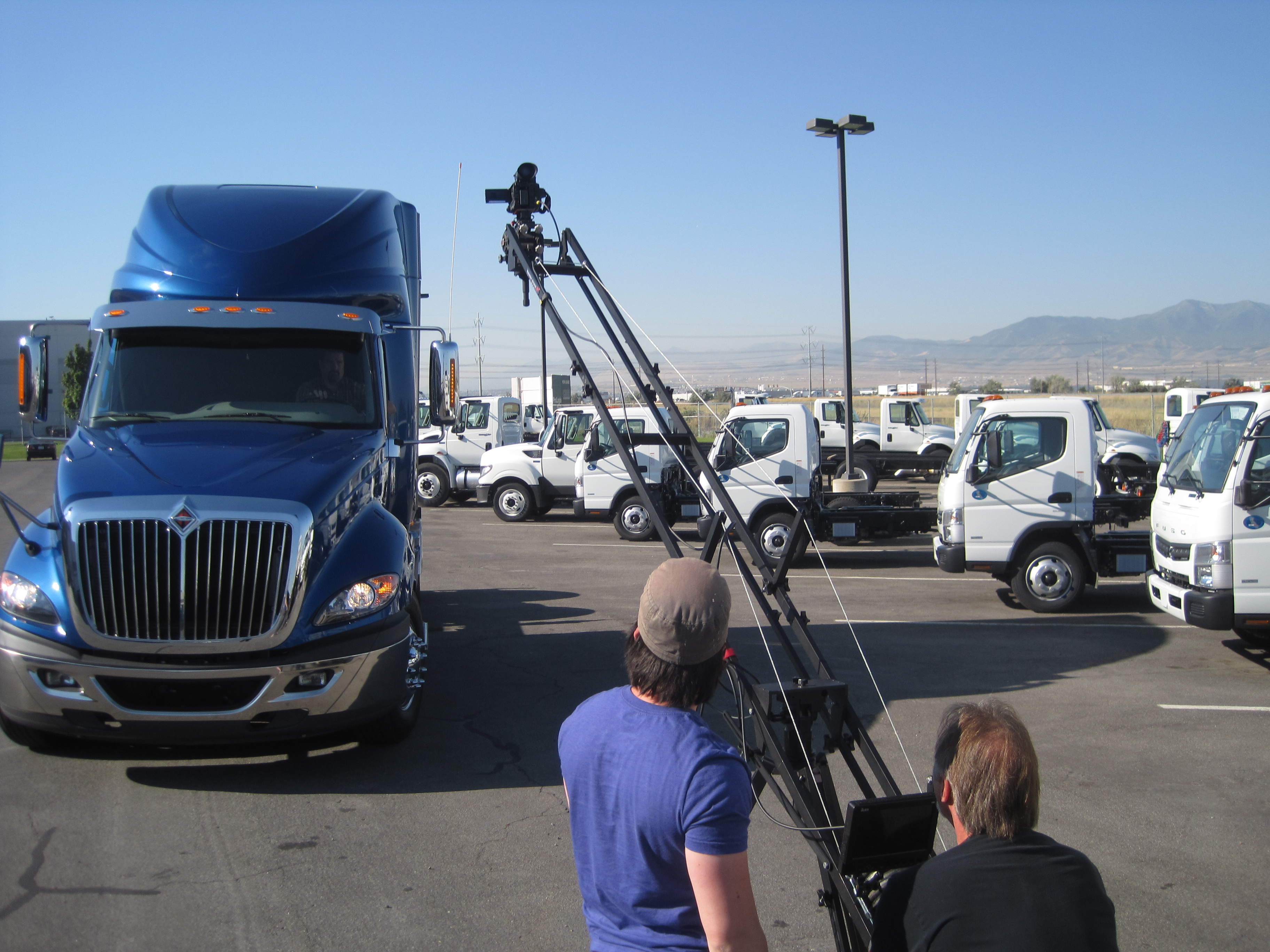
  • Smart motion: Controlled dolly/slider moves; gimbal sparingly to avoid drift. Lock-offs for analytical overlays.
  • People + process: Capture micro-moments—eye contact, head nods, handoffs, whiteboard circles—buyers connect with human proof.
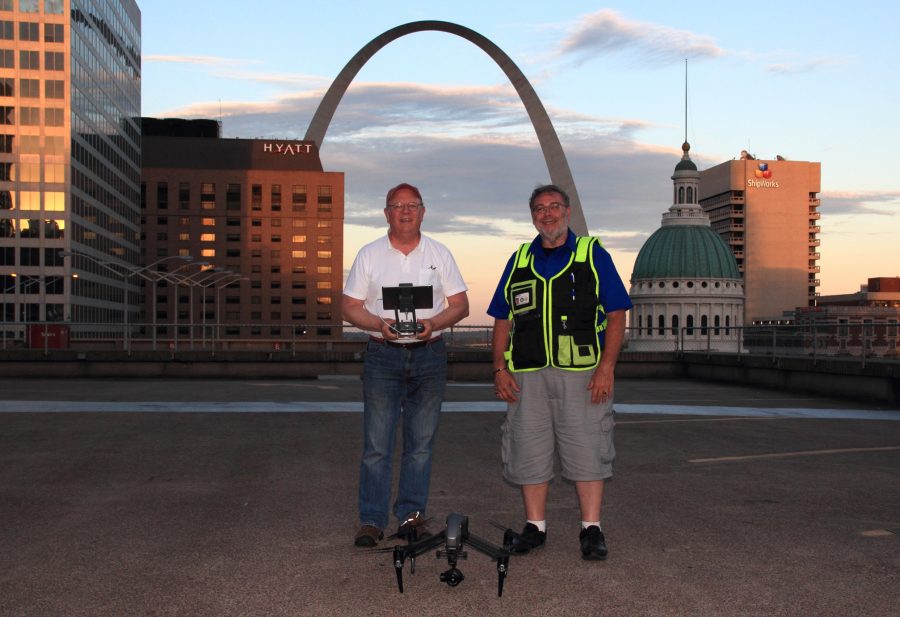
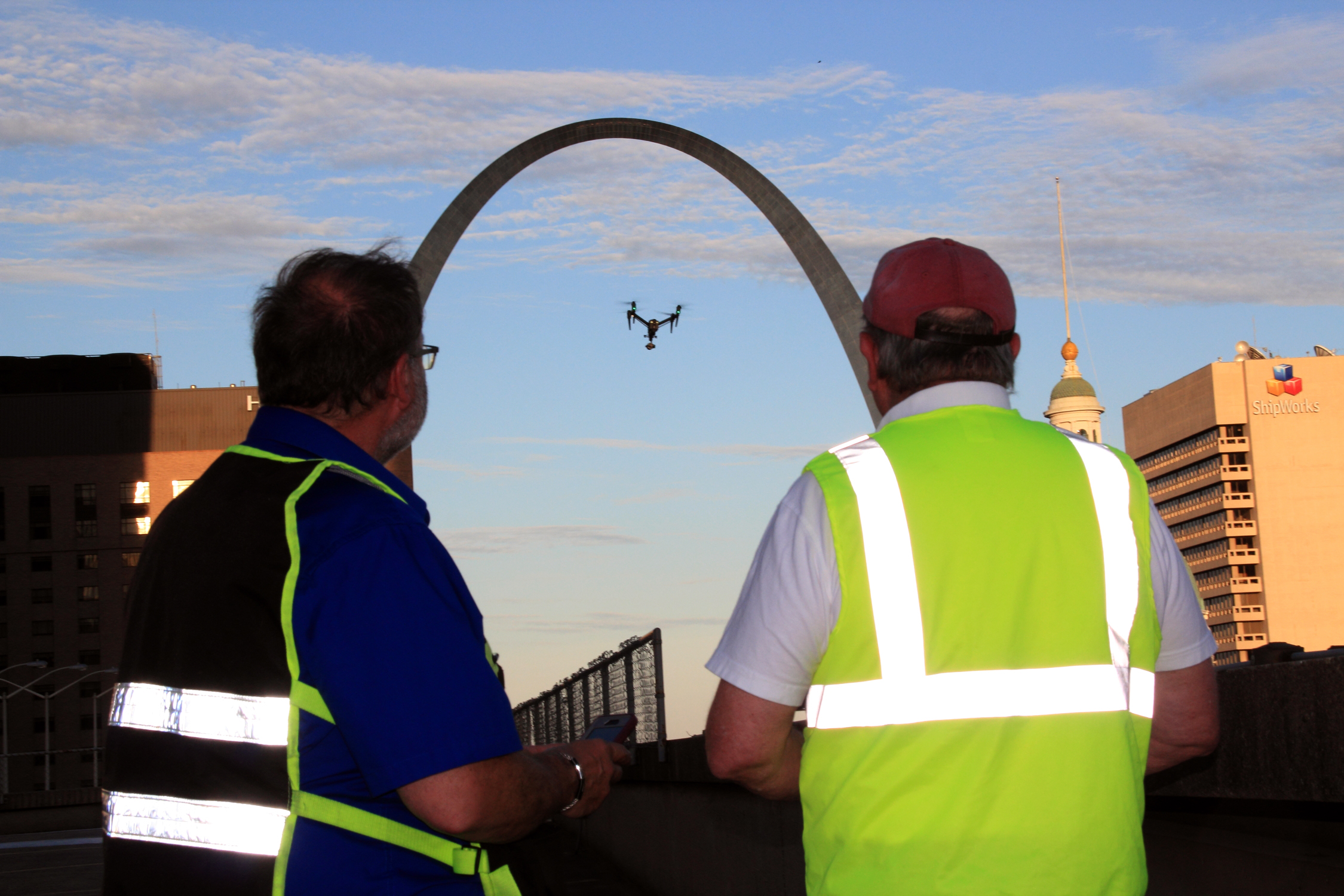
  • Aerial interiors when warranted: Indoor micro-drone passes for plant layouts, warehouse flow, production lines—planned with safety/prop-guard protocols.
  • Roll for sound: Gather machine hums, keystrokes, door closes—great for editorial rhythm and transitional sound design.
A One-Day Field Plan (Sample)

  • 08:00–09:00 Load-in, scout, audio test, lighting build, dress background
  • 09:00–10:30 Primary interview (Subject A), room tone
  • 10:30–12:00 B-roll set 1 (process + environment), stills for thumbnails
  • 12:30–13:15 Secondary interview (Subject B or SME)
  • 13:15–15:00 B-roll set 2 (people + product), aerial/establishers
  • 15:00–16:00 Pick-ups: hero lines, plate shots, UI captures, product details
  • 16:00–16:30 Backup media, sign paperwork, strike

Post-Production That Multiplies Assets

  • Foundations: Dialogue edit, noise reduction, EQ/compression, color match + grade to brand LUTs, graphics lower-thirds, tasteful branded open/close.
  • Proof overlays: On-screen metrics, process diagrams, callouts that mirror the spoken claim.
  • Cut-down strategy: From the master (60–120s), derive 15–30s paid variants, 6–10s hooks, 9:16 verticals with burned-in captions. Build a content pyramid once, publish many.
  • Accessibility & reach: Accurate captions, clean transcripts, and subtitles for priority regions.
  • AI assists (responsibly): Transcription, rough string-outs from selects, noise print learning, automated captioning, and versioning—always human-reviewed for tone and accuracy.
  • Handoff discipline: Logical file naming, proxy + full-res, audio stems, color LUTs, caption files (.srt/.vtt), thumbnail PSDs, and an asset map for your DAM.

Distribution & Measurement (Where ROI Lives)

  • Own the first frame: Headlines that promise a result; start with the strongest line or a visual proof beat.
  • Placement: Website solution pages, outbound ABM emails, SDR decks, paid social, trade-show loops, customer success onboarding.
  • Tagging & UTMs: Track which testimonial themes and visuals correlate with conversions.
  • Refresh cadence: Re-cut quarterly with new CTAs, fresh intros, and updated stats to extend shelf life.

Common Pitfalls (And How We Avoid Them)

  • Vague claims: We pre-interview to gather numbers and secure approvals.
  • Noisy locations: We scout alternates and bring isolation tools (sound blankets, carpets, dynamic mics).
  • B-roll mismatch: We build a claim-to-visual matrix before we shoot.
  • Single format delivery: We design for multi-ratio outputs day one.

Quick Checklist You Can Use Tomorrow

  • One claim per video, with a metric
  • Pre-interview done, releases signed
  • Shot list mapped to claims (wide/medium/tight)
  • Audio plan: lav + boom + room tone
  • Background tells a story; mixed color temps solved
  • Deliverable ratios defined (16:9 / 1:1 / 9:16)
  • Captions + cut-downs in the scope
  • Asset map and file naming agreed

Why Teams Choose Us for This Work

Since 1982, St Louis Commercial Video Production has partnered with businesses, marketing firms, and creative agencies across the St. Louis region to produce marketing photography and video that deliver results. We’re a full-service commercial photography and video production company with the right equipment and seasoned crew to ensure successful image acquisition. We provide studio and on-location video and photography, editing and post-production, and licensed drone pilots—including specialized indoor drone capabilities for dynamic facility coverage. We customize every production for your media requirements and excel at repurposing your photography and video assets to gain more traction across channels. Our team is fluent in all common file types, media styles, and software, and we incorporate the latest AI tools (with human oversight) for transcription, captioning, noise reduction, and efficient versioning. Our private studio features flexible lighting and a configurable set—perfect for interview scenes and product demos—with space for props to fully realize your brand environment. From building a private, custom interview studio to supplying professional sound and camera operators—and providing the right gear end to end—we support every aspect of your production so your next testimonial and B-roll project is seamless, on-brand, and built to convert.

Shari Haller 314-913-5626 stlouisvideos@gmail.com
Common Mistakes in Video Interviews and How to Fix Them

Video interviews are a powerful tool for corporate communication, marketing, and brand storytelling. They offer a direct way to connect with audiences, whether it’s through internal communications, customer testimonials, or executive interviews. However, even experienced teams can fall prey to common mistakes during video interviews that can negatively impact the final product. In this post, we’ll explore some of the most frequent issues that arise during video interviews and how to fix them, ensuring your video achieves the professional quality it deserves.

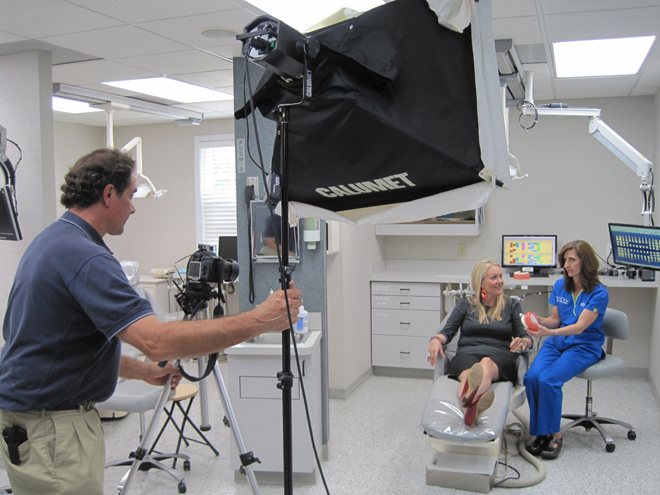
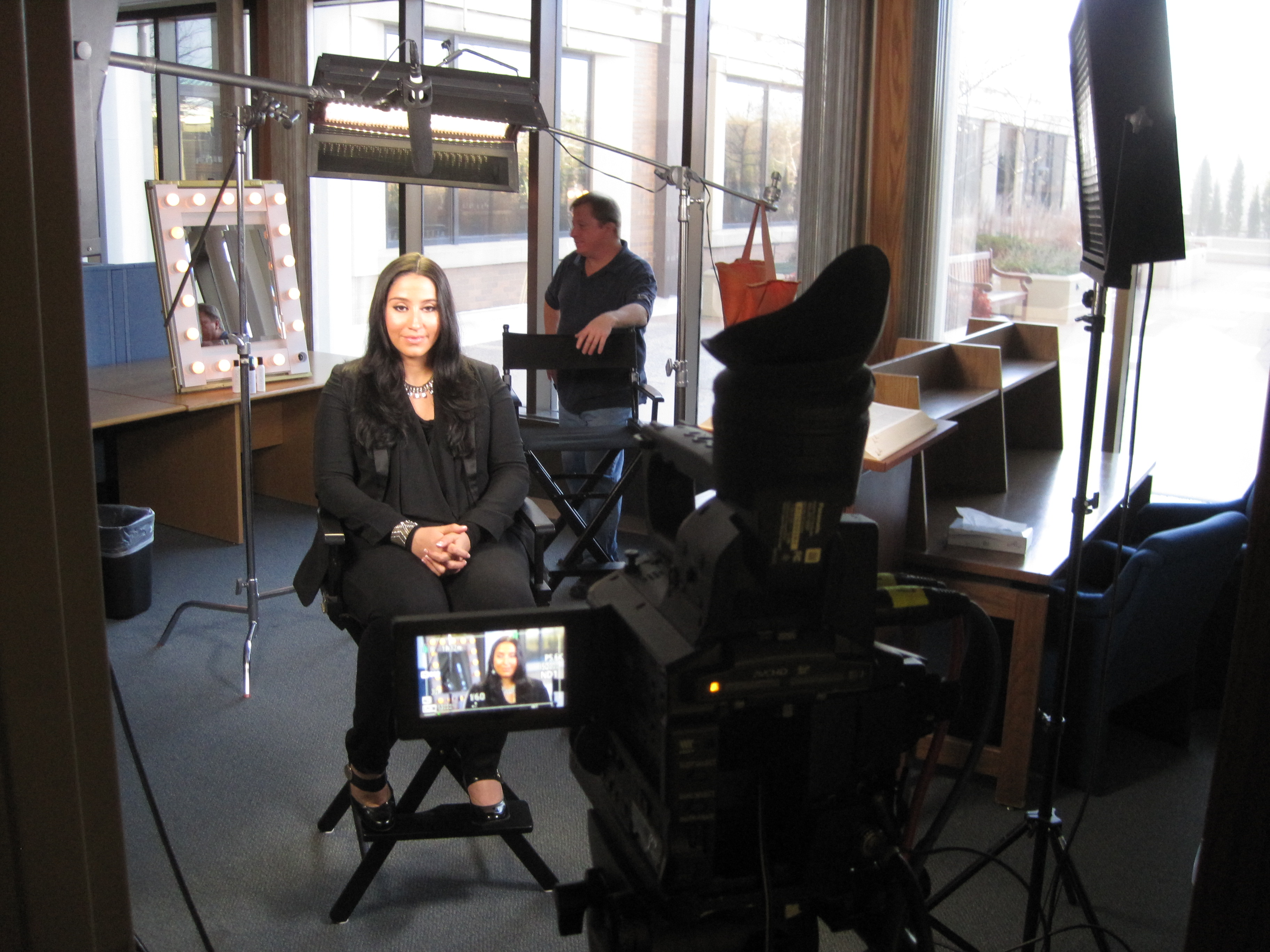
Before filming, test your lighting by viewing the subject on a monitor to see how it translates on camera. Small adjustments to the light positioning can make a significant difference in the final image.

1. Poor Lighting

One of the most common mistakes in video interviews is improper lighting. Insufficient or poorly placed lighting can cause harsh shadows, overexposed areas, or make the interviewee appear flat and unprofessional.

How to Fix It:

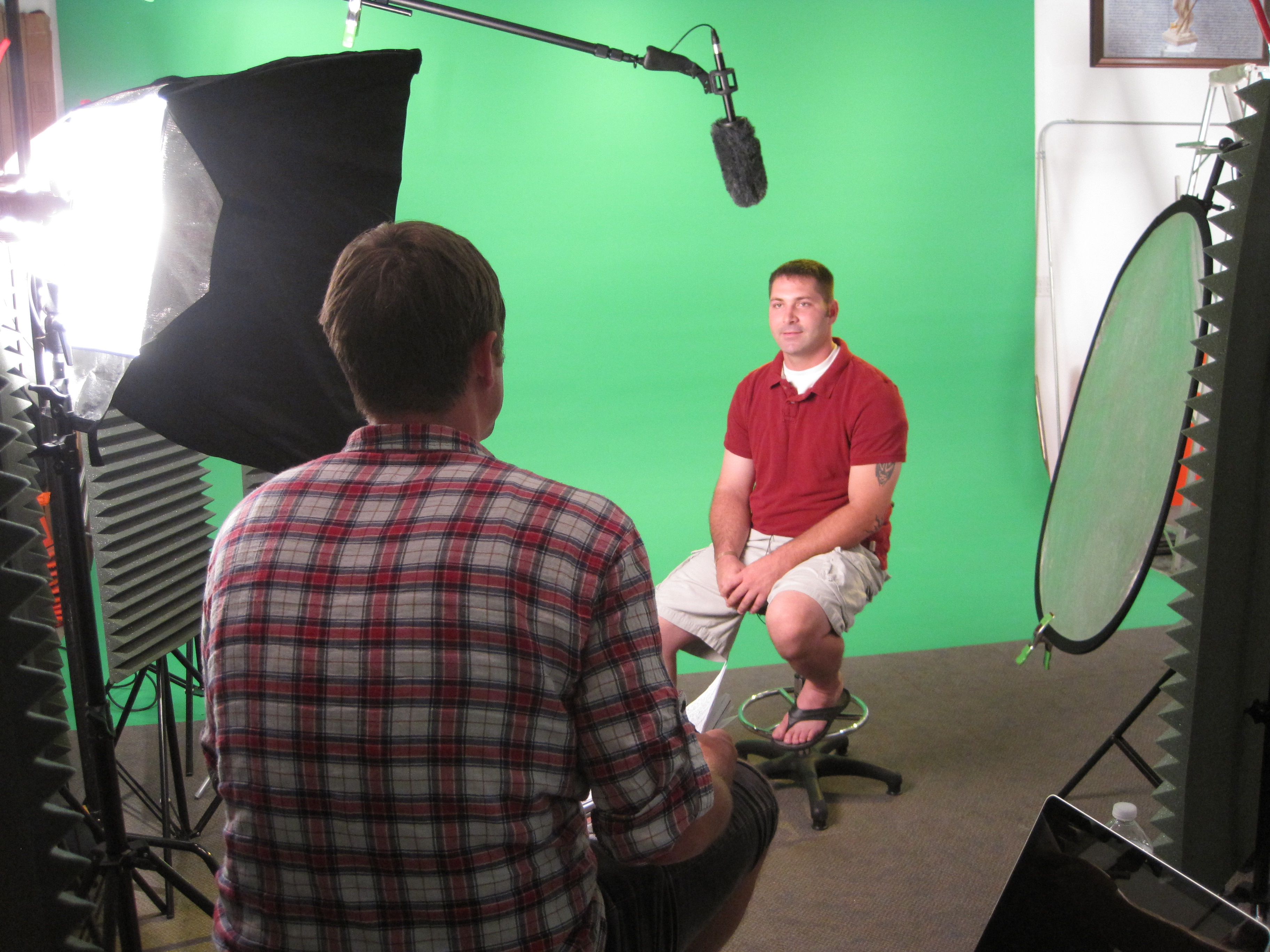
  • Use Soft, Diffused Lighting: Ideally, use three-point lighting: key light, fill light, and backlight. The key light should be positioned at a 45-degree angle from the subject, with the fill light placed on the opposite side to soften shadows. A backlight, or hair light, should be placed above and behind the subject to separate them from the background.
  • Control Ambient Light: Natural light can be unpredictable. If you’re shooting near a window, control the sunlight with curtains or reflectors to ensure the lighting remains consistent throughout the interview.
  • Test the Setup: Before filming, test your lighting by viewing the subject on a monitor to see how it translates on camera. Small adjustments to the light positioning can make a significant difference in the final image.

2. Background Distractions

Another frequent issue is a distracting background. Whether it’s cluttered, poorly lit, or too busy, a background that competes with the interviewee can divert attention from the subject and reduce the impact of the interview.

How to Fix It:

  • Simplify the Background: Choose a background that complements the subject but doesn’t distract from them. If you’re filming in a studio, opt for a clean, neutral backdrop. For on-location interviews, select a background that adds context but doesn’t overwhelm the shot.
  • Use a Shallow Depth of Field: By adjusting the camera settings to create a blurred background, you can keep the focus on the subject while still maintaining the context of the location.
  • Manage the Environment: In studio settings, make sure any background props are relevant to the interview and arranged neatly. In on-location settings, ensure the environment is clean and free of clutter or anything that could distract the viewer.

3. Unflattering Camera Angles

Improper camera angles can create unflattering shots that diminish the professional quality of the interview. Too low or too high an angle can distort the subject’s appearance or create unnecessary tension in the shot.

How to Fix It:

  • Eye-Level Angles: Always aim to position the camera at the subject’s eye level to maintain a natural and engaging perspective. This ensures the subject appears more approachable and professional.
  • Consider the Framing: Use the “rule of thirds” to frame your subject. Position them slightly off-center to create a more dynamic and visually pleasing composition. Be mindful of headroom (the space above the subject’s head) and make sure there’s enough space to avoid making the subject feel cramped in the frame.

4. Uncontrolled Audio

Audio issues are another major concern in video interviews. Background noise, poor sound quality, or inconsistent audio levels can make it difficult for viewers to focus on the message.

How to Fix It:

  • Use Lavalier Microphones: Clip-on lapel microphones are ideal for interviews because they provide clear, consistent sound while minimizing background noise. Ensure the mic is positioned correctly to capture the subject’s voice clearly.
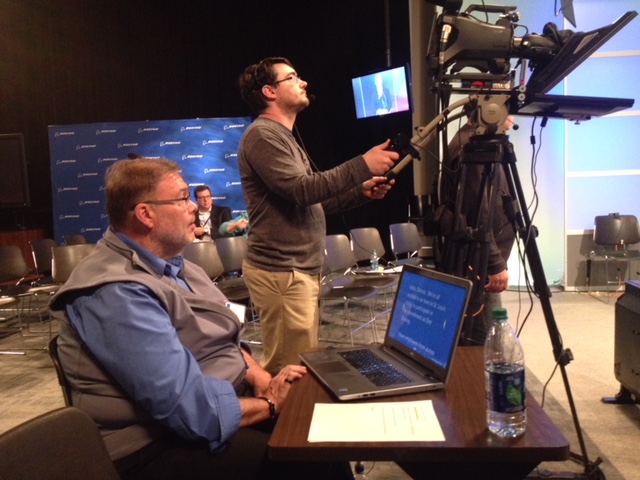
  • Check the Sound Levels: Always monitor sound levels before and during the interview. Use headphones to listen to the audio feed and adjust the gain to avoid distortion or overly quiet audio.
  • Control the Environment: Close windows, doors, and any other sources of external noise. If filming in a public space, request that nearby activities be minimized or pause while you record.

5. Lack of Preparation for the Interviewee

Many times, interviews fail to capture the best responses simply because the interviewee is not prepared. Without proper guidance or clear expectations, the interviewee may fumble, appear nervous, or provide unclear answers.

How to Fix It:

  • Pre-Interview Briefing: Before the interview, brief the subject on the format, questions, and expectations. This will help them feel more comfortable and confident.
  • Warm-Up Session: Conduct a short warm-up conversation to put the interviewee at ease before the actual interview begins. This helps build rapport and reduces nervousness.
  • Clear Questions: Ensure that questions are clear and concise. Avoid long-winded or complex questions that could confuse the interviewee and lead to awkward pauses.

6. Overloading the Interview with Jargon or Scripted Responses

Using industry-specific jargon or scripted responses can make an interview feel stiff and less authentic. Audiences want to connect with the real, human side of the interviewee, not just hear rehearsed lines.

How to Fix It:

  • Keep It Conversational: Encourage the interviewee to speak naturally. While it’s important to stick to key points, let the conversation flow organically to capture a more authentic tone.
  • Use Open-Ended Questions: Ask questions that allow for thoughtful, expansive responses. Open-ended questions (e.g., “Can you tell me about a time when…”) encourage the interviewee to share stories and experiences, making the content more relatable.
  • Avoid Over-Scripting: Allow the subject to speak from the heart. If needed, provide bullet points or guidelines but let the conversation develop organically.

7. Inconsistent Branding

When creating video content for a brand, it’s crucial that the video aligns with the company’s branding guidelines. Failure to do so can result in videos that feel disconnected from the company’s identity, diminishing their effectiveness.

How to Fix It:

  • Incorporate Consistent Branding Elements: Ensure that the video’s colors, fonts, and style match your brand’s visual identity. This includes everything from the background design to the on-screen text and lower thirds.
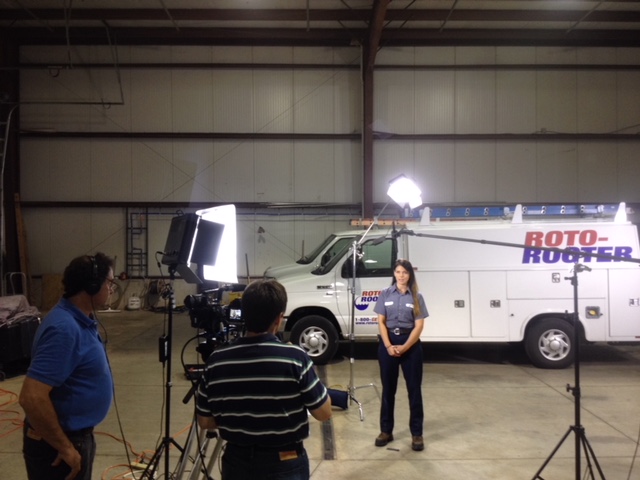
  • Branding in the Environment: If filming on-location, ensure the environment aligns with your brand. For example, having company signage or relevant products subtly incorporated into the background can reinforce your brand message.
  • Post-Production Branding: Use editing techniques to add consistent branding elements, such as logo animations, branded transitions, and colors that are aligned with your brand’s identity.

St. Louis Commercial Video Production: The Expert Team for Flawless Video Interviews

At St. Louis Commercial Video Production, we understand that every video interview is unique, and we have the expertise to help you avoid common mistakes and create high-quality content that resonates with your audience. As a full-service professional commercial photography and video production company, we bring decades of experience and the right equipment to every project. Our creative crew ensures a smooth production process from start to finish.

We offer full-service studio and location video and photography, along with editing, post-production, and licensed drone pilots. Our private studio is equipped with customizable lighting setups that are perfect for small productions and interview scenes. The space is large enough to incorporate props and create a tailored, professional set for your production.

Whether you need a custom interview studio setup, sound and camera operators, or specialized drone footage, we provide everything you need to ensure your video production is a success. Our team is well-versed in all types of media formats and software, and we specialize in repurposing your video and photography branding to give your content greater impact and traction.

Choose St. Louis Commercial Video Production for your next interview-based video, and let us help you create compelling, high-quality content that perfectly captures your message.

314-913-5626 stlouisvideos@gmail.com
Working with Non-Professional Talent for Your Business Video Content

In today’s digital landscape, video content has emerged as a crucial tool for businesses seeking to engage their audience and convey their brand message. While many companies may turn to professional actors or high-profile spokespeople for their video projects, leveraging non-professional talent can often yield equally compelling results at a fraction of the cost. In this article, we’ll explore the benefits of working with non-professional talent and offer strategies to ensure that your business video content is engaging, authentic, and effective.

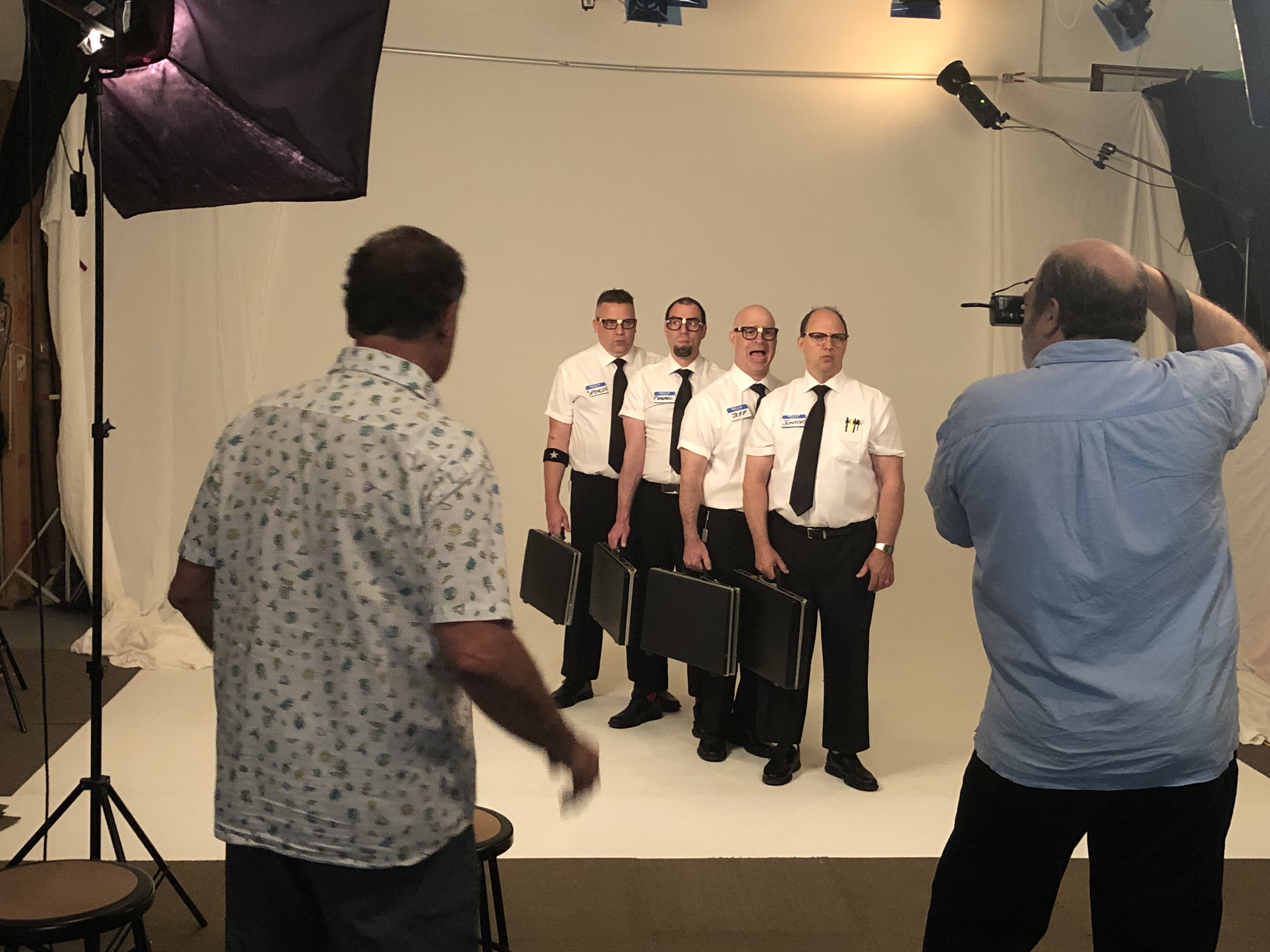
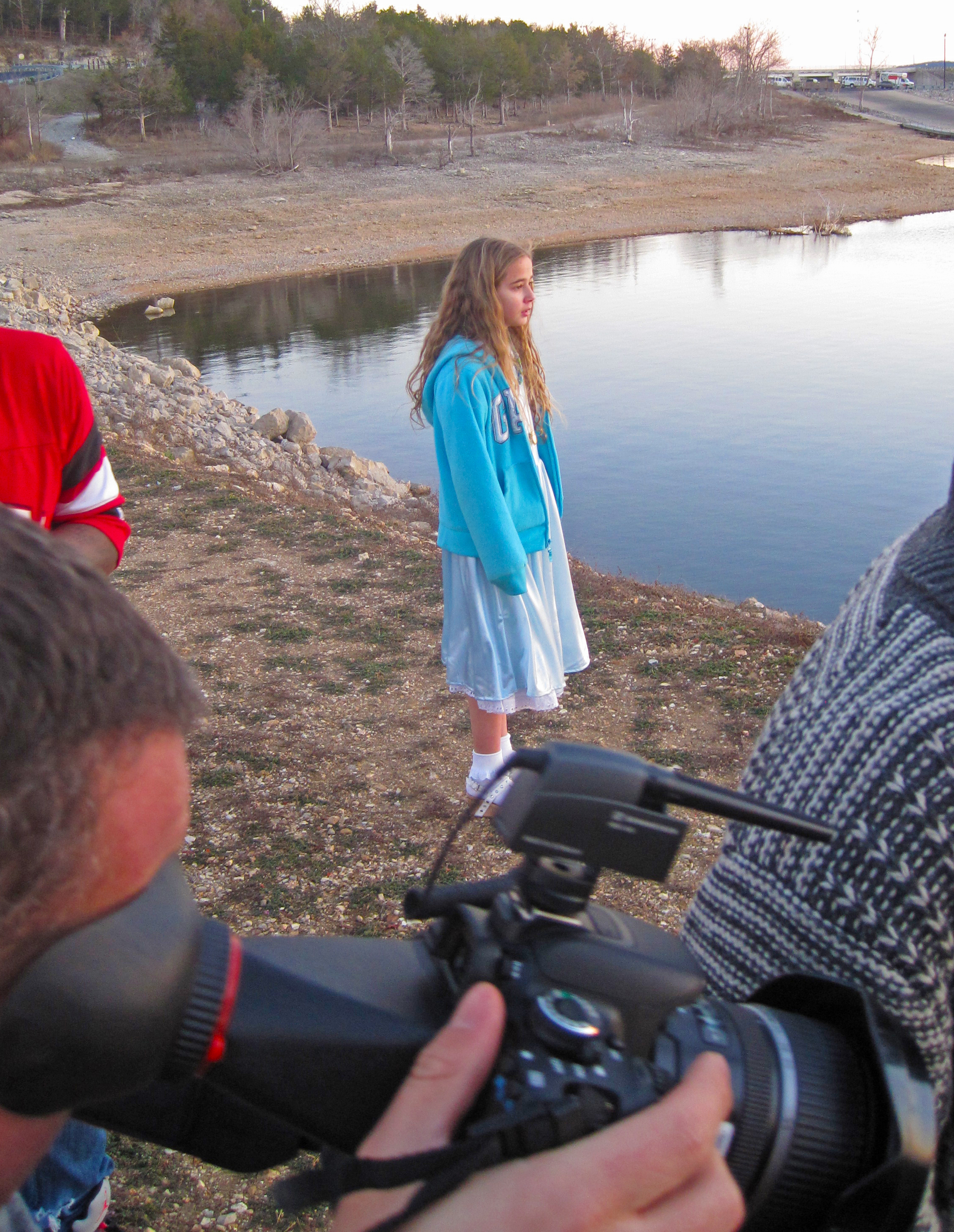
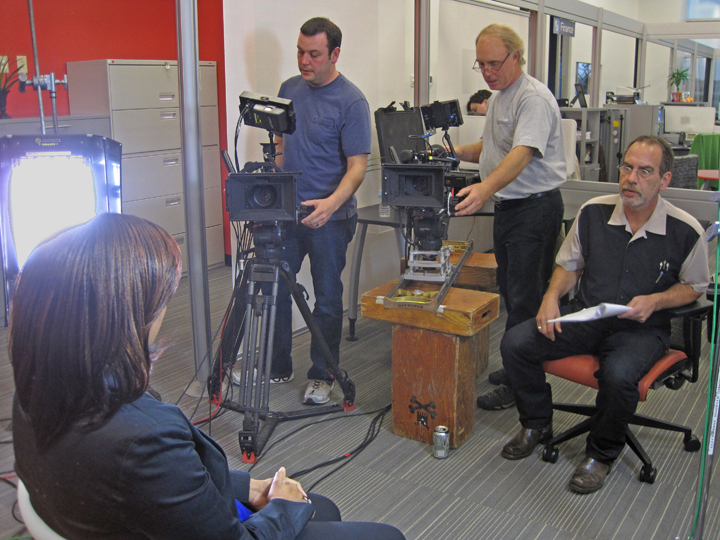
Consider holding training sessions or rehearsals to help non-professional talent become comfortable in front of the camera.

The Advantages of Non-Professional Talent

1. Authenticity and Relatability

One of the most significant advantages of using non-professional talent is the authenticity they bring to your video content. Audiences tend to relate more to real people rather than polished actors, especially in a corporate context. This relatability can foster a deeper connection between your brand and its audience, making your message resonate more effectively.

2. Cost-Effectiveness

Hiring professional actors can significantly increase the budget for your video production. In contrast, using non-professional talent can be a cost-effective alternative that allows you to allocate more resources to other critical aspects of your production, such as high-quality equipment or post-production editing.

3. Diverse Perspectives

Non-professional talent can bring diverse perspectives and experiences to your video content. This diversity not only enriches the narrative but also reflects the varied backgrounds of your target audience, making your content more inclusive and representative.

4. Fresh Energy

Non-professional talent often brings a fresh, enthusiastic energy to their performances. Their genuine passion for your project can translate into more engaging and dynamic video content, enhancing the overall production quality.

Strategies for Success

1. Clear Direction and Guidance

When working with non-professional talent, providing clear direction is essential. Conduct thorough pre-production meetings to outline the objectives of the video and the specific roles of each participant. This ensures that everyone understands their responsibilities and the overall vision for the project.

2. Effective Training and Rehearsals

Consider holding training sessions or rehearsals to help non-professional talent become comfortable in front of the camera. This can include basic acting techniques, understanding camera angles, and practicing their lines. The more prepared they feel, the better their performance will be.

3. Create a Comfortable Environment

Creating a relaxed and comfortable environment is crucial for eliciting genuine performances from non-professional talent. Ensure they feel welcomed and valued throughout the production process. This not only boosts their confidence but also encourages more natural interactions on camera.

4. Utilize Engaging Interview Techniques

When using non-professional talent for testimonial or interview-style videos, employ engaging interview techniques. Ask open-ended questions that allow them to express their thoughts and experiences candidly. This approach often results in more compelling and authentic content.

5. Invest in Quality Production

Even when using non-professional talent, the production quality of your video should never be compromised. Investing in high-quality equipment, professional lighting, and skilled sound operators is essential to ensure that your final product meets industry standards. This is where a full-service company like St Louis Commercial Video Production can make a significant difference.

Why Choose St Louis Commercial Video Production

At St Louis Commercial Video Production, we understand the unique challenges and opportunities presented by working with non-professional talent. Our experienced crew is well-versed in the nuances of production, ensuring that every element comes together seamlessly. With over 40 years of experience in the industry, we have built a reputation for excellence, providing businesses, marketing firms, and agencies in the St. Louis area with top-notch photography and video production services.

Our company offers a comprehensive suite of services, including full-service studio and location video and photography, editing, post-production, and licensed drone pilots. We can customize your productions to meet diverse media requirements, ensuring that your unique vision is realized. Our expertise in repurposing photography and video branding allows us to maximize the impact of your content, helping you gain more traction in the marketplace.

Our private studio is equipped with professional lighting and visual setups, perfect for small productions and interview scenes. We can incorporate props to enhance your set, providing a tailored experience that aligns with your brand identity. From custom interview studio setups to providing sound and camera operators, we have everything needed to make your next video production perfect.

Since 1982, St Louis Commercial Video Production has been dedicated to delivering exceptional quality and service, making us a trusted partner for your business’s video content needs. Let us help you bring your vision to life and create compelling videos that resonate with your audience.

314-913-5626 stlouisvideos@gmail.com
What Questions Should You Ask in Marketing Video Sit-Down Interviews?

Marketing video sit-down interviews are a powerful way to showcase your brand, build trust with your audience, and create engaging content that resonates with viewers. However, to get the most out of these interviews, it’s crucial to ask the right questions. The success of a marketing video interview doesn’t just rely on camera angles or lighting; it depends on the quality of the conversation and the insight shared by the interviewee. Here’s how to guide your next sit-down interview to yield the most impactful results.

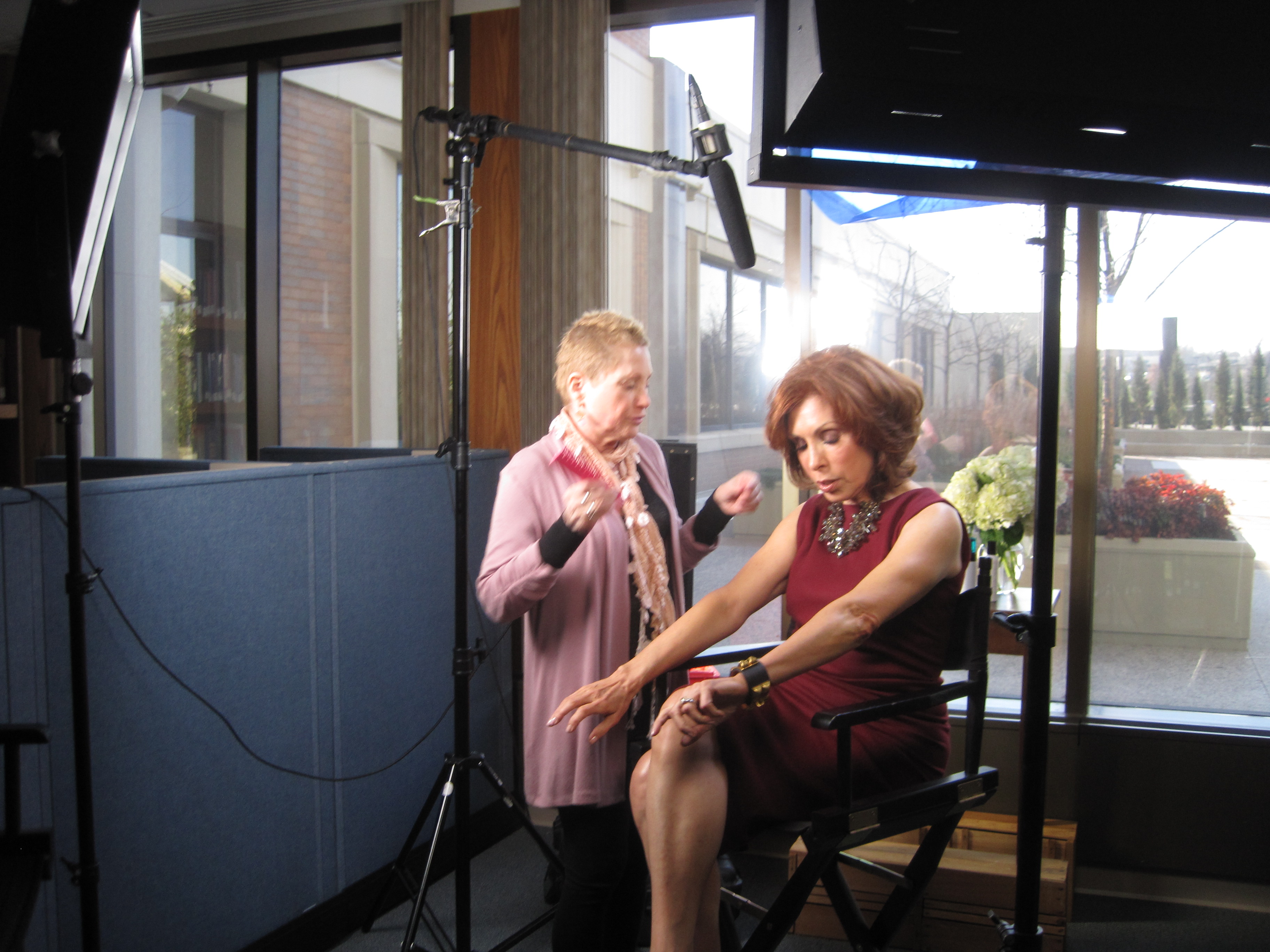
To position your brand as a thought leader, ask about industry trends or the future of your field.

1. What’s Your Role and How Do You Contribute to the Company’s Success?

Start with questions that allow the interviewee to introduce themselves. This question serves as a warm-up and enables them to define their contributions to the organization. By letting the interviewee explain their role, you build context for the viewer and lay a foundation for the more detailed, meaningful questions to follow. A brief introduction also humanizes the brand, providing a face and a story behind the business.

2. What Problem Does Our Product/Service Solve?

Getting into the heart of the interview, it’s important to touch on the actual value the company brings to its customers. This question shifts the focus toward the customer’s pain points and allows the interviewee to position the company’s product or service as a solution. Not only does this create compelling content, but it also directly addresses potential customer concerns, boosting your chances of conversion.

3. What Sets Our Company Apart from the Competition?

Differentiation is key in any marketing strategy, and this question helps your audience understand why they should choose your company over competitors. Answers to this question can also provide content for future marketing materials, showing why the business stands out in a crowded market. Whether it’s your customer service, innovation, or product quality, the answer should reflect your unique value proposition.

4. How Have You Seen Customers Benefit from Our Solutions?

Testimonials and stories of real-life impact resonate with audiences. By asking your interviewee for specific examples of customer success stories, you can highlight the tangible benefits of your product or service. Concrete examples help potential clients visualize how your offerings can improve their business or life, making the content more relatable and actionable.

5. Where Do You See the Future of Our Industry Heading?

To position your brand as a thought leader, ask about industry trends or the future of your field. This question showcases the interviewee’s expertise and forward-thinking approach, aligning your company with innovation and strategic foresight. A great answer will offer a glimpse into how your company plans to stay ahead of the curve, assuring viewers that they are investing in a future-proof solution.

6. What’s One Misconception About Our Industry or Product That You’d Like to Clarify?

This question allows you to tackle common misunderstandings head-on. It provides a chance to correct any misconceptions potential clients may have, whether it’s about the difficulty of implementation, pricing, or even how the product works. By addressing these issues directly, you can ease any hesitations your audience might have.

7. What Inspires You About Working at This Company?

End with a question that brings out passion. Asking an interviewee what they love about their job or company can evoke an emotional response that resonates with the audience. Passion is contagious, and when viewers see how much an employee or leader believes in their company’s mission, they are more likely to feel a connection to the brand.

Making the Most of Your Marketing Video Interviews

Now that you know what to ask, it’s important to deliver these questions in a conversational, relaxed manner. A successful marketing video interview doesn’t feel forced or scripted. Encourage your interviewee to speak authentically and tell stories that will connect with your target audience.

How St Louis Commercial Video Production Can Help You Create Exceptional Interview Videos

At St Louis Commercial Video Production, we’ve mastered the art of creating compelling video content, including sit-down interviews that resonate with audiences. As a full-service professional commercial photography and video production company, we have the right equipment, crew, and creative experience to ensure your video production exceeds expectations.

Whether you need studio or on-location video and photography, we offer comprehensive services, including editing, post-production, and licensed drone pilots. Our expertise allows us to customize productions for various media requirements, and we’re adept at repurposing your photography and video branding to maximize engagement. From private studio lighting setups for small productions and interviews to flying specialized drones indoors, our facility is equipped to handle every aspect of your production.

Having operated since 1982, we’ve collaborated with many businesses, marketing firms, and agencies in the St. Louis area. Trust us to guide you through every stage of your project, from custom interview studio setups to providing expert sound and camera operators. When it comes to creating the perfect marketing video, St Louis Commercial Video Production has everything you need to make your next production seamless and successful.

314-913-5626 stlouisvideos@gmail.com
What are the Best Practices for Creating a Great Promotional Video Production?

In today’s digital age, video marketing has become one of the most effective ways to reach and engage with your audience. Promotional videos can be a powerful tool for businesses to showcase their products, services, or brand. However, creating a great promotional video production requires more than just recording footage and throwing it together. In this article, we will discuss the best practices for creating a great promotional video production that will help you achieve your marketing goals.

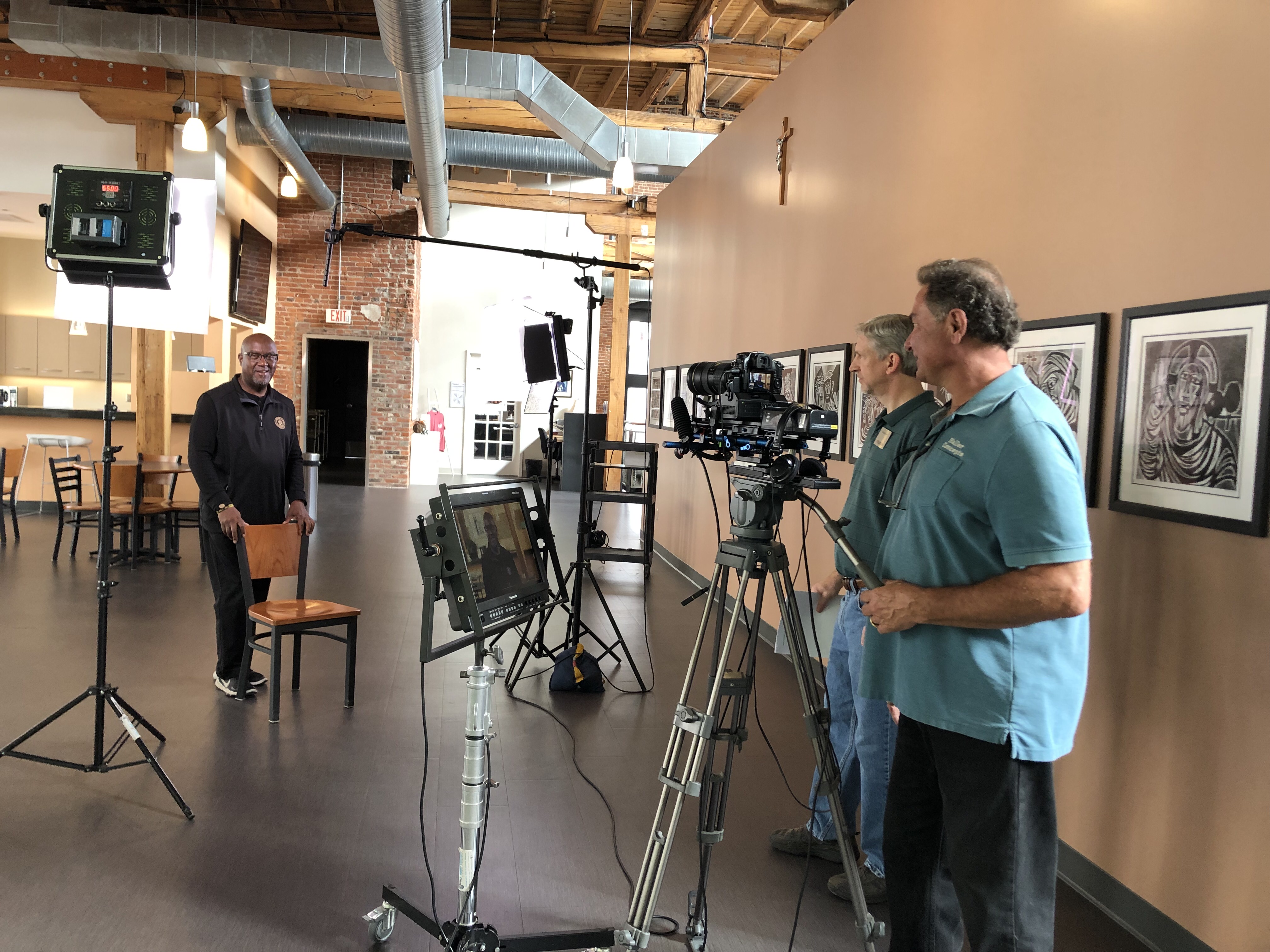
Creating a great promotional video production can be a challenging and time-consuming process, but it’s worth the effort. A well-crafted video can help you reach and engage with your target audience and achieve your marketing goals.

Define Your Goals and Target Audience

Before you start the video production process, it is essential to define your goals and target audience. Your goals should be specific, measurable, attainable, relevant, and time-bound (SMART). This will help you determine what kind of video you need to create and what message you want to convey. Understanding your target audience is equally important. You need to know who they are, what they care about, and what motivates them. This will help you tailor your video to their interests and preferences.

Craft a Compelling Story

Once you have defined your goals and target audience, it’s time to craft a compelling story. A good promotional video should tell a story that captures your audience’s attention and makes them want to learn more about your product or service. A story can be a powerful tool to convey your message and make an emotional connection with your audience. Your story should have a clear beginning, middle, and end, and should be structured in a way that keeps your audience engaged.

Keep it Short and Sweet

In today’s fast-paced world, attention spans are shorter than ever. Your promotional video should be short and sweet, ideally between 30 seconds to 2 minutes. The goal is to capture your audience’s attention and deliver your message in a concise and impactful way. If your video is too long, you risk losing your audience’s attention and missing the opportunity to convey your message effectively.

Plan Your Shots and Visuals

The visuals in your promotional video are just as important as the message you are trying to convey. Plan your shots and visuals carefully to create a visually appealing and engaging video. Think about the colors, lighting, and camera angles you want to use to tell your story. It’s also essential to choose the right music and sound effects to create the right mood and atmosphere.

Invest in Quality Equipment and Editing

Quality equipment and editing can make a significant difference in the final product of your promotional video. Invest in high-quality equipment such as cameras, lighting, and sound recording devices to capture the best footage possible. It’s also crucial to have a skilled video editor who can bring your footage to life and create a polished final product that meets your goals.

Incorporate a Call-to-Action

A call-to-action (CTA) is a crucial part of any promotional video. It’s the part of the video that tells your audience what to do next, whether it’s to visit your website, sign up for a newsletter, or make a purchase. Your CTA should be clear, concise, and easy to follow. It’s also essential to place your CTA strategically in your video to ensure maximum visibility and impact.

Optimize for Search Engines and Social Media

Creating a great promotional video is only half the battle. You also need to optimize your video for search engines and social media to reach your target audience. Use keywords and hashtags relevant to your industry or niche in your video’s title, description, and tags. Share your video on social media channels and encourage your audience to share it with their networks. You can also use paid advertising to reach a wider audience.

Test and Measure Your Results

Once your promotional video is live, it’s essential to track and measure your results to determine its effectiveness. Use analytics tools

to monitor metrics such as views, engagement, and conversions to see how your video is performing. Use this data to refine your video marketing strategy and create even more effective videos in the future.

Conclusion

Creating a great promotional video production requires careful planning, attention to detail, and a focus on your goals and audience. By following these best practices, you can create a video that effectively showcases your brand, product, or service and engages your target audience. Remember to craft a compelling story, keep it short and sweet, plan your shots and visuals, invest in quality equipment and editing, incorporate a call-to-action, optimize for search engines and social media, and test and measure your results. With these tips, you can create a promotional video that stands out and helps you achieve your marketing goals.

Additional Tips

Here are some additional tips that can help you create an even better promotional video production:

1. Know Your Unique Selling Proposition (USP)

Your unique selling proposition is what sets you apart from your competitors. It’s what makes your product or service unique and valuable. Incorporating your USP into your promotional video can help you stand out and attract more customers.

2. Use Emotion to Connect with Your Audience

Emotion is a powerful tool in video marketing. By incorporating emotion into your promotional video, you can make a deeper connection with your audience and create a lasting impression. Whether it’s humor, inspiration, or empathy, using emotion can help your audience remember your brand and message.

3. Tell a Story with Your Customer Testimonials

Customer testimonials are an excellent way to showcase the value and effectiveness of your product or service. By telling a story with your customer testimonials, you can create a more compelling and engaging video. Use your customer testimonials to highlight the benefits of your product or service and how it has helped others.

4. Show, Don’t Tell

In video marketing, showing is often more effective than telling. Instead of telling your audience about the benefits of your product or service, show them. Use visuals and demonstrations to showcase how your product or service works and how it can help your audience.

5. Keep Your Branding Consistent

Consistency is key in branding. Make sure your promotional video production is consistent with your brand’s style, tone, and messaging. Use your brand colors, fonts, and logo throughout your video to reinforce your brand’s identity and make it more memorable.

Final Thoughts

Creating a great promotional video production can be a challenging and time-consuming process, but it’s worth the effort. A well-crafted video can help you reach and engage with your target audience and achieve your marketing goals. By following the best practices outlined in this article and incorporating additional tips, you can create a video that effectively showcases your brand, product, or service and sets you apart from your competitors. Remember to tell a compelling story, keep it short and sweet, plan your shots and visuals, invest in quality equipment and editing, incorporate a call-to-action, optimize for search engines and social media, test and measure your results, and above all, be creative and have fun!

314-913-5626  stlouisvideos@gmail.com
Stay Competitive and Relevant With Video Marketing

The internet has opened up a whole new world of ways to being your business to customers. Potential customers can do business with you, without ever having to meet you or even step into your business. This article can help you to jump into the world of internet marketing and claim those customers.
Facebook has become one of the best ways to promote your company online. Hundreds of millions of people worldwide use Facebook on a daily basis, granting you huge amounts of exposure to a large client base. Since Facebook also has personal interests of every person, you can easily target a specific group.

To build relationships with your potential customers, it’s important to get involved with social media. Sites like Twitter and Facebook, along with community forums, offer you unique ways to engage directly with your consumers. Social media may not lead to immediate sales, but it certainly will help you build brand awareness and long-term growth potential.

Video

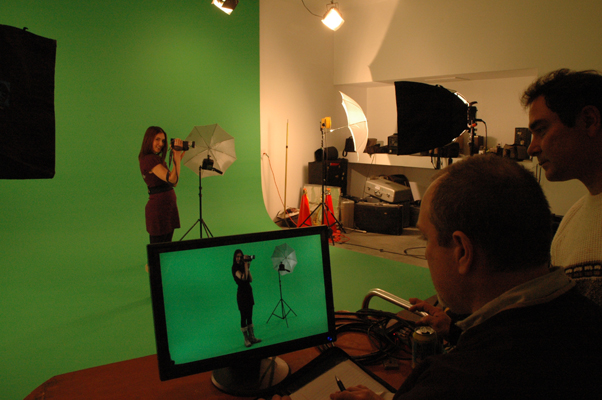
A great way to make a sale is to show your customers content on all social and internet media that demonstrates your product’s effectiveness, like a video of the product in action. They will be able to see the product’s features with their own eyes and will feel more confident about it. Media is far more engaging and far less pushy than a glut of sales text.

Join the visual video world. Video marketing has been shown to increase sales, because you are giving a more personal review of the product, and sometimes even allowing your readers to see a product in use. This tactic not only increases sales, but also readership. It gives your audience a chance to see the person behind the words.

Internet marketing has opened a whole new world for people to do business. You don’t even have to have a real store anymore. Your business can thrive in the cyber world, without having a store that people can walk into. By recognizing the potential of internet marketing, you can build the business you have always dreamed of.

314-892-1233
Rob Haller, St Louis Video Producer
St Louis Video Producer
robh@hallerconcepts.com