Medical residency programs, teaching hospitals, and healthcare organizations face a persistent challenge: how do you recruit top-tier medical talent, satisfy accreditation documentation requirements, and build a compelling institutional brand — all while operating within tight budget cycles?
The answer, more often than not, comes down to smarter production planning rather than larger production budgets. Strategic photography and video content built around your residency program is one of the highest-return media investments a healthcare organization can make. When executed correctly, a single well-planned production day can generate months — even years — of repurposable content across recruitment platforms, continuing medical education (CME) portals, accreditation submissions, social channels, and internal communications.
This article breaks down what decision-makers in healthcare marketing, graduate medical education (GME), and administration need to know when commissioning cost-efficient residency photo and video content.
Why Residency Programs Need Dedicated Visual Content
Residency recruitment has become intensely competitive. Applicants evaluate programs not just on prestige metrics, reputation, or match statistics — they evaluate culture, environment, mentorship quality, and the human dimension of daily life within a program. A PDF program brochure no longer does the job.
Visual content communicates what text cannot. Prospective residents want to see the faces of current residents and attendings. They want to sense the atmosphere of the call rooms, simulation labs, and teaching rounds. They want to feel whether a program’s community is one they can thrive in over three to seven demanding years.
At the same time, accreditation bodies such as the ACGME increasingly expect documented evidence of program activities, faculty engagement, and educational infrastructure. Photographic and video documentation created for recruitment can often be structured to simultaneously serve accreditation and compliance needs — a critical efficiency point for administrators.
The challenge is that most in-house marketing teams default to one of two failed approaches: they rely on smartphone snapshots that communicate an unprofessional brand image, or they commission sporadic, expensive one-off productions that produce content with a limited shelf life and no repurposing strategy.
Neither approach serves the organization well.
The Cost-Efficiency Framework: Think in Content Libraries, Not Single Productions
The most significant shift a healthcare marketing decision-maker can make is moving from a single-use production mindset to a content library mindset.
A content library approach means planning every production session with the explicit goal of generating multiple distinct content types from a single day — or half-day — of crew time.
Here is what a single well-planned residency production session can realistically yield:
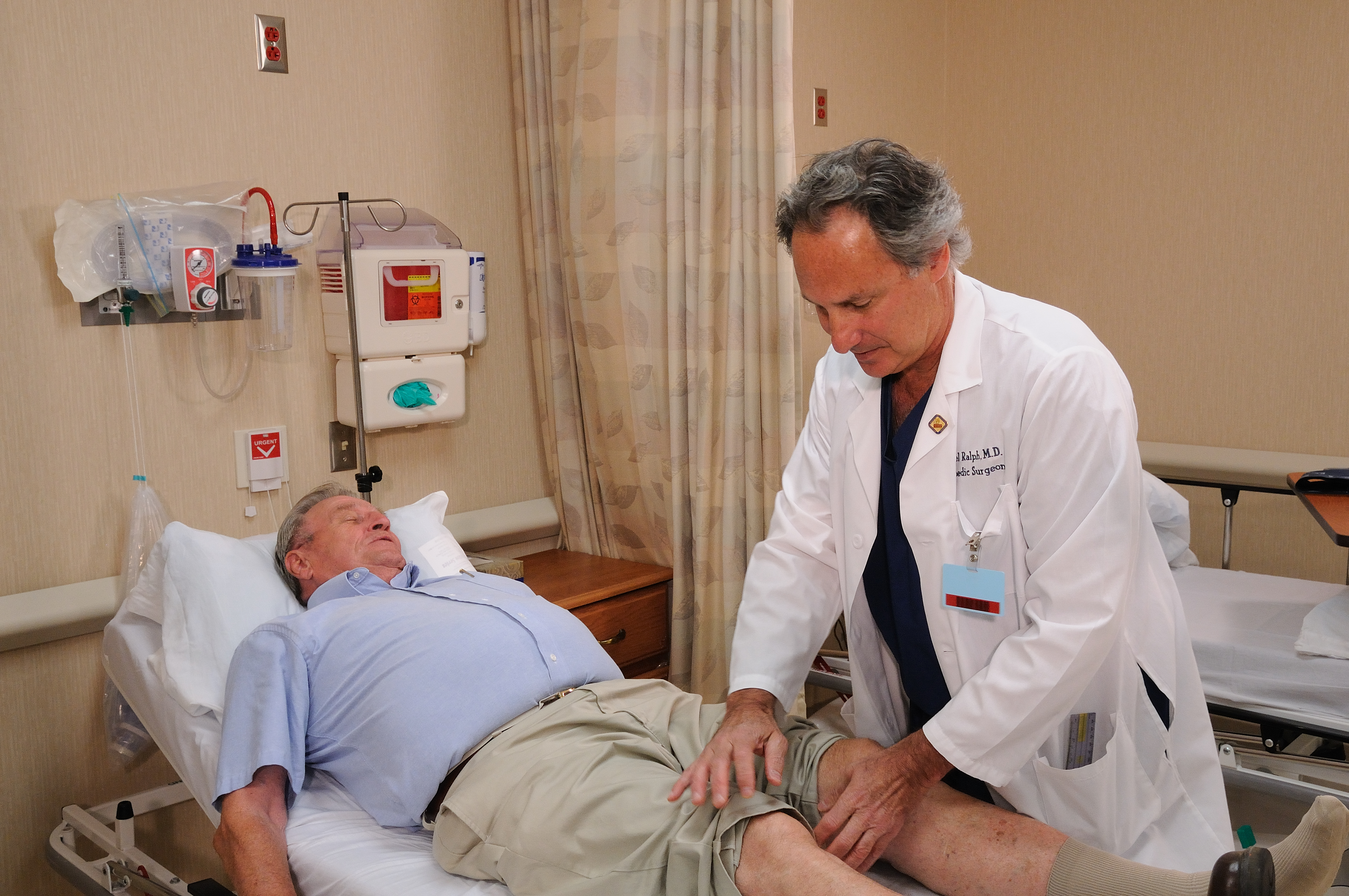
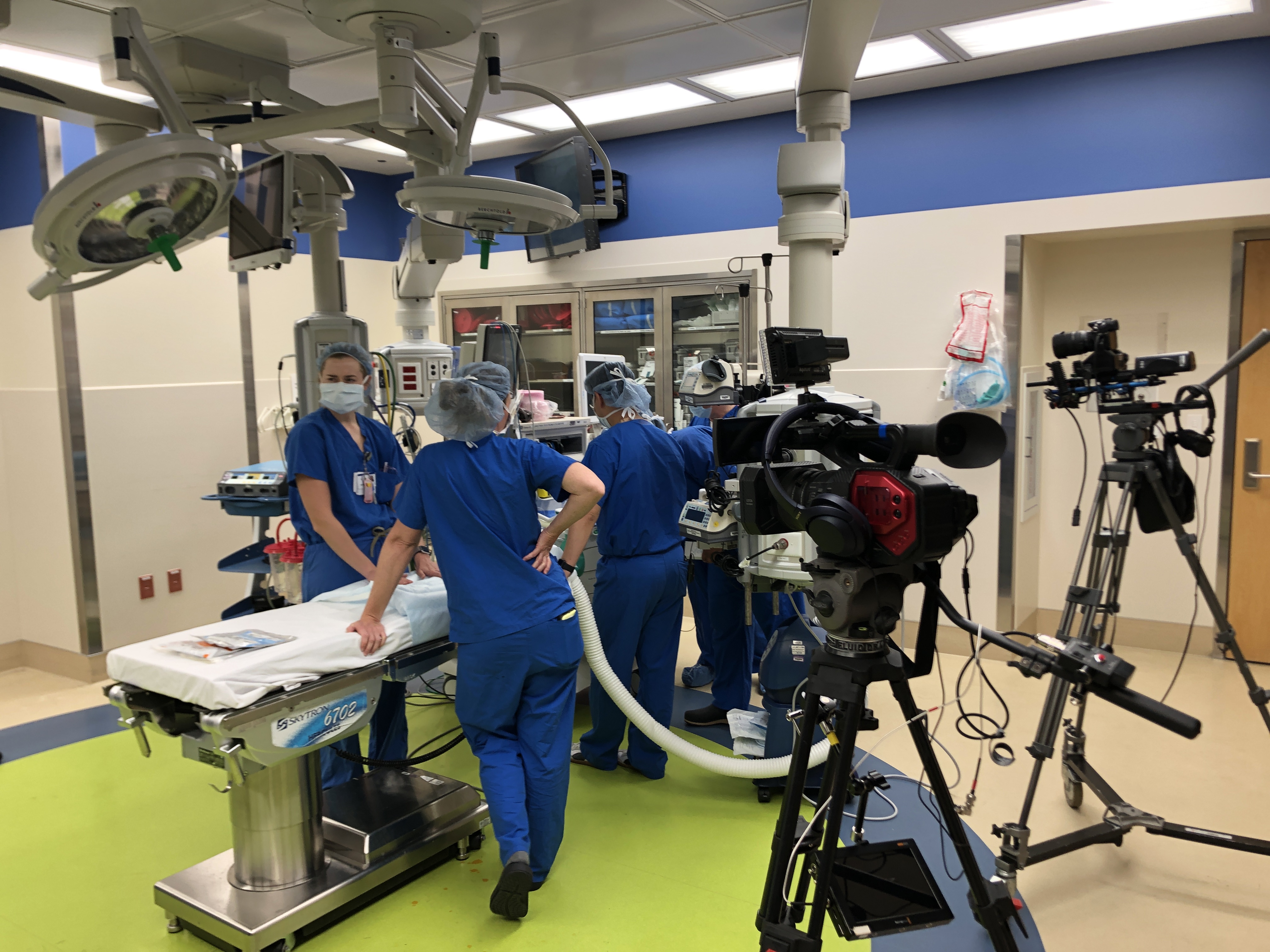
Photography deliverables from one production day might include environmental portraits of residents and program directors, candid documentation of clinical education settings, headshots suitable for faculty directories and conference bios, group program photos for recruitment literature, and archival documentation of simulation labs and training environments.
Video deliverables from the same production day can include a two-to-three minute recruitment overview video, five to ten short interview clips featuring residents and faculty testimonials, B-roll packages of clinical environments suitable for looping on a program website or digital signage, and raw footage archived for future needs — including CME content, grand rounds documentation, or internal onboarding materials.
When a production company is engaged with this library framework in mind — with pre-planned shot lists, a tightly coordinated schedule, and the right crew and equipment — the per-asset cost drops dramatically compared to commissioning individual productions for each content type.
Angel Eye Productions: A Full-Service Production Partner for Healthcare and Medical Organizations
Since 1982, Angel Eye Productions has served as a full-service commercial photography and video production company for businesses, marketing firms, and creative agencies throughout the St. Louis area — including healthcare organizations, medical institutions, and academic medical centers with demanding content requirements.
We bring the right creative crew, the right equipment, and decades of professional experience to every production engagement — whether that means deploying a complete studio setup within your facility, managing a multi-location shoot across a hospital campus, or providing licensed drone services that capture your institution from perspectives that conventional cameras cannot.
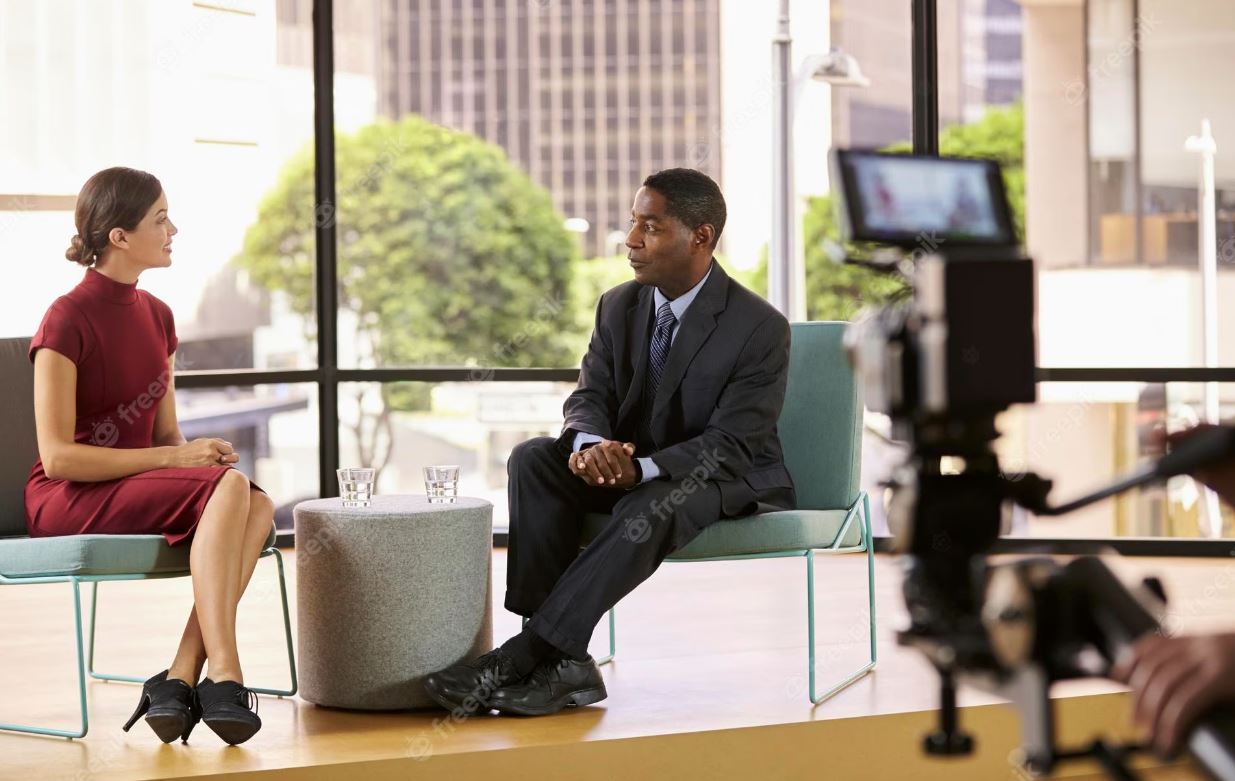
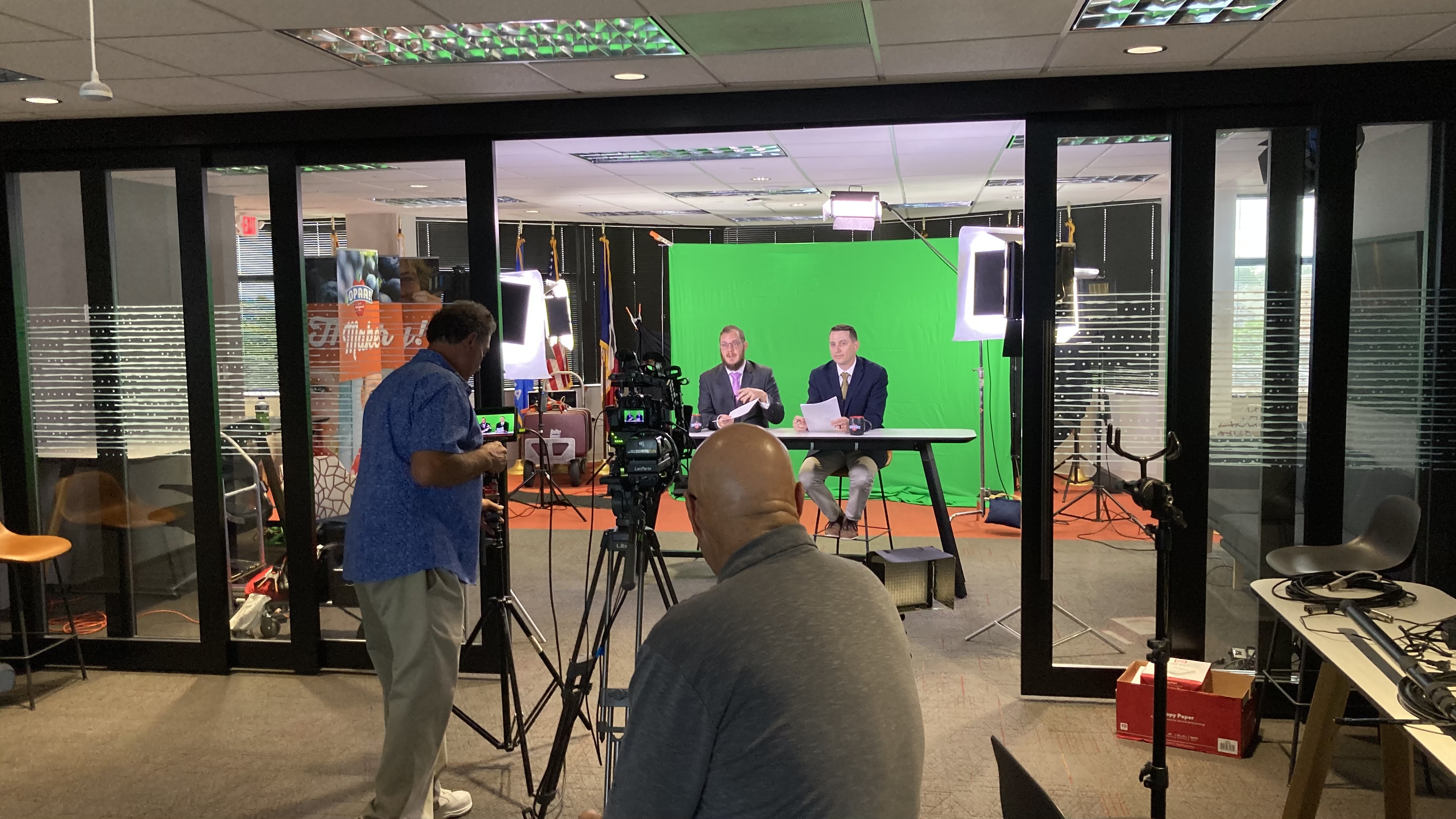
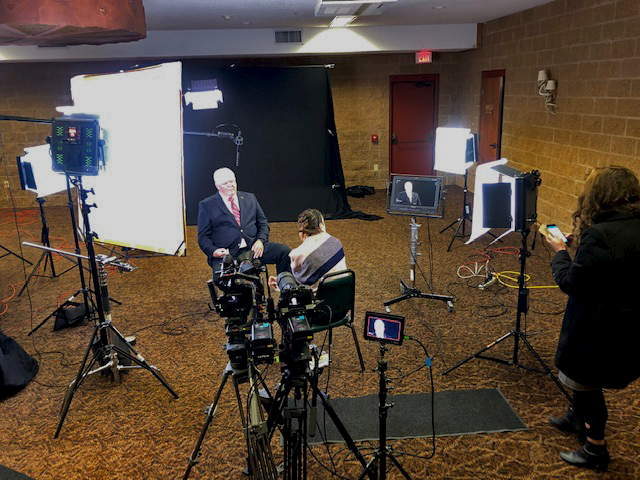
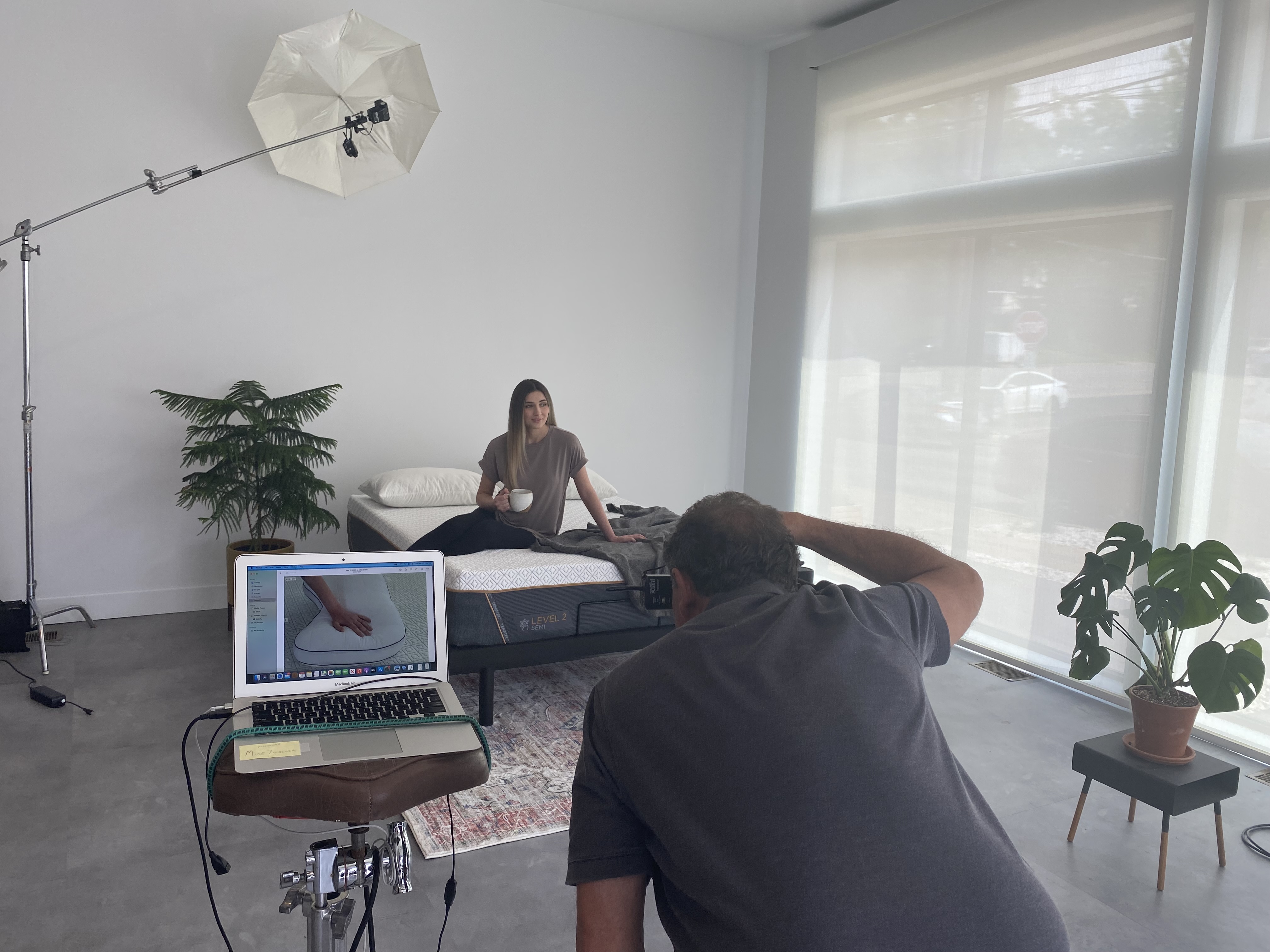
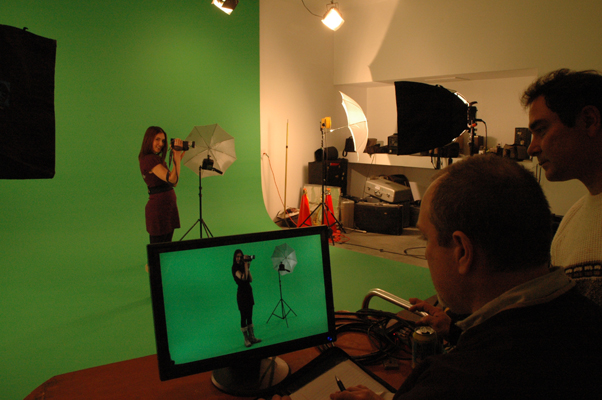
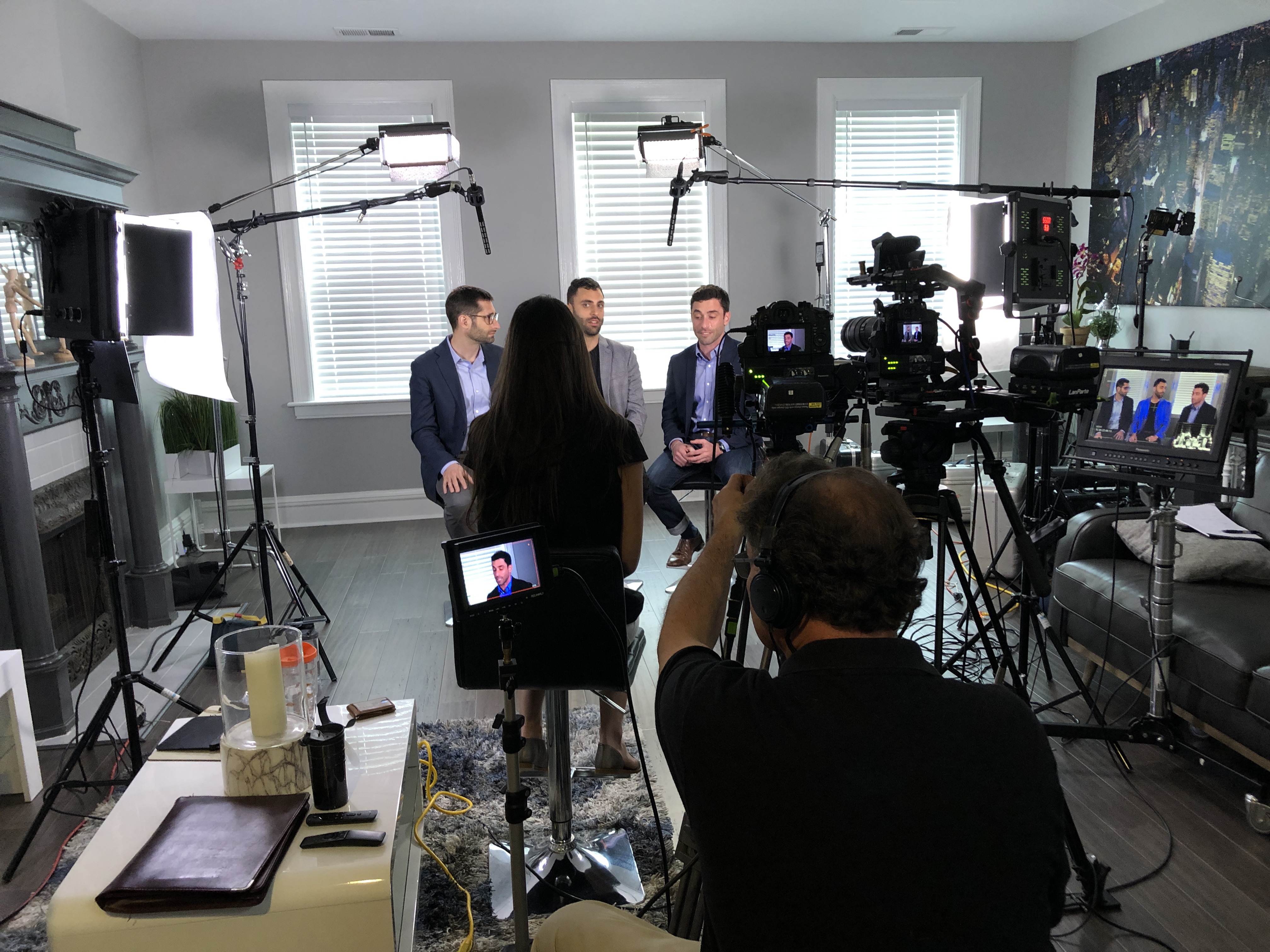
Our private studio is purpose-built for small productions and professional interview scenes, with flexible lighting setups, professional sound capture systems, and sufficient space to incorporate props and set elements that give your productions a polished, intentional visual identity. When production moves on-location, our team manages every logistical detail — from location scouting and permit coordination to professional camera operation and sound engineering — so your subject matter experts can focus on delivering their message, not managing production logistics.
In today’s hyper-connected digital landscape, your brand’s first impression is almost always visual. Before a potential client reads a single word of your copy, they’ve already formed an opinion based on the imagery and video content they encounter. For decision-makers responsible for marketing, photography, and video production services, understanding the strategic value of professional headshots and video clips is no longer optional — it’s a competitive necessity.
The Digital Storefront: Why First Impressions Are Visual
Your website and social media profiles function as your organization’s digital storefront. Unlike a physical location where atmosphere, signage, and staff presence contribute to the experience, online your visuals carry the entire weight of that first interaction. Research consistently shows that users form judgments about a website’s credibility within milliseconds — and those judgments are overwhelmingly driven by visual quality.
Amateur or outdated headshots signal neglect. Shaky, poorly lit video clips undermine authority. Conversely, sharp, professionally produced imagery communicates competence, trustworthiness, and investment in your brand identity before a single word is consumed.
Professional Headshots: More Than Just a Good Photo
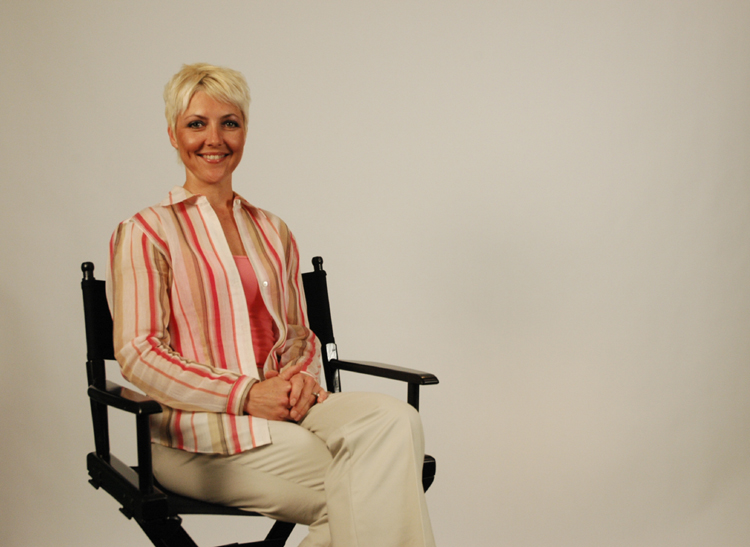
Many organizations underestimate what a professional headshot actually accomplishes. A well-executed headshot is not simply a photograph of a person — it is a carefully constructed communication tool that conveys professionalism, personality, approachability, and brand alignment simultaneously.
Consistency Across Your Team
For businesses with multiple team members, consistent headshot styling across your website and LinkedIn profiles projects organizational cohesion. Inconsistent imagery — some photos taken on smartphones, others professionally lit, varying backgrounds and cropping — creates a fragmented brand experience that erodes credibility. A unified visual language across your entire team reinforces the message that your organization is coordinated, detail-oriented, and professional.
Platform-Specific Considerations
Different digital platforms have different visual requirements and audience expectations. LinkedIn headshots benefit from clean, professional backgrounds and business-appropriate styling that speaks directly to a B2B audience. Instagram and other social platforms may call for slightly more personality and environmental context. A skilled photographer understands how to capture headshots that translate effectively across multiple platforms without requiring entirely separate shoots.
Technical Quality That Scales
High-resolution, properly lit headshots retain their quality whether displayed as a small circular avatar on a social media profile or scaled up for a conference banner or press release. Low-quality images degrade rapidly at larger sizes, creating unprofessional results the moment your brand extends beyond a thumbnail.
Video Clips: The Currency of Modern Digital Engagement
If photography is the foundation of your digital visual identity, video is the engine driving engagement across virtually every major platform. From LinkedIn to YouTube, Instagram Reels to your company’s homepage, short-form and long-form video content consistently outperforms static imagery in reach, engagement, and conversion metrics.
The Power of the Short-Form Introduction Video
A 60 to 90-second professional introduction video featuring your leadership team or key personnel does more to humanize your brand than almost any other single marketing asset. Viewers form emotional connections with faces, voices, and authentic presence in ways that static imagery simply cannot replicate. For professional service firms, consultancies, healthcare organizations, legal practices, and B2B companies, this human connection is frequently the deciding factor in a prospect’s choice to engage further.
Interview-Style Video Content
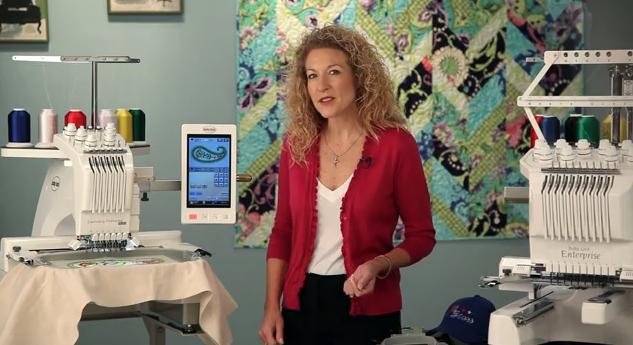
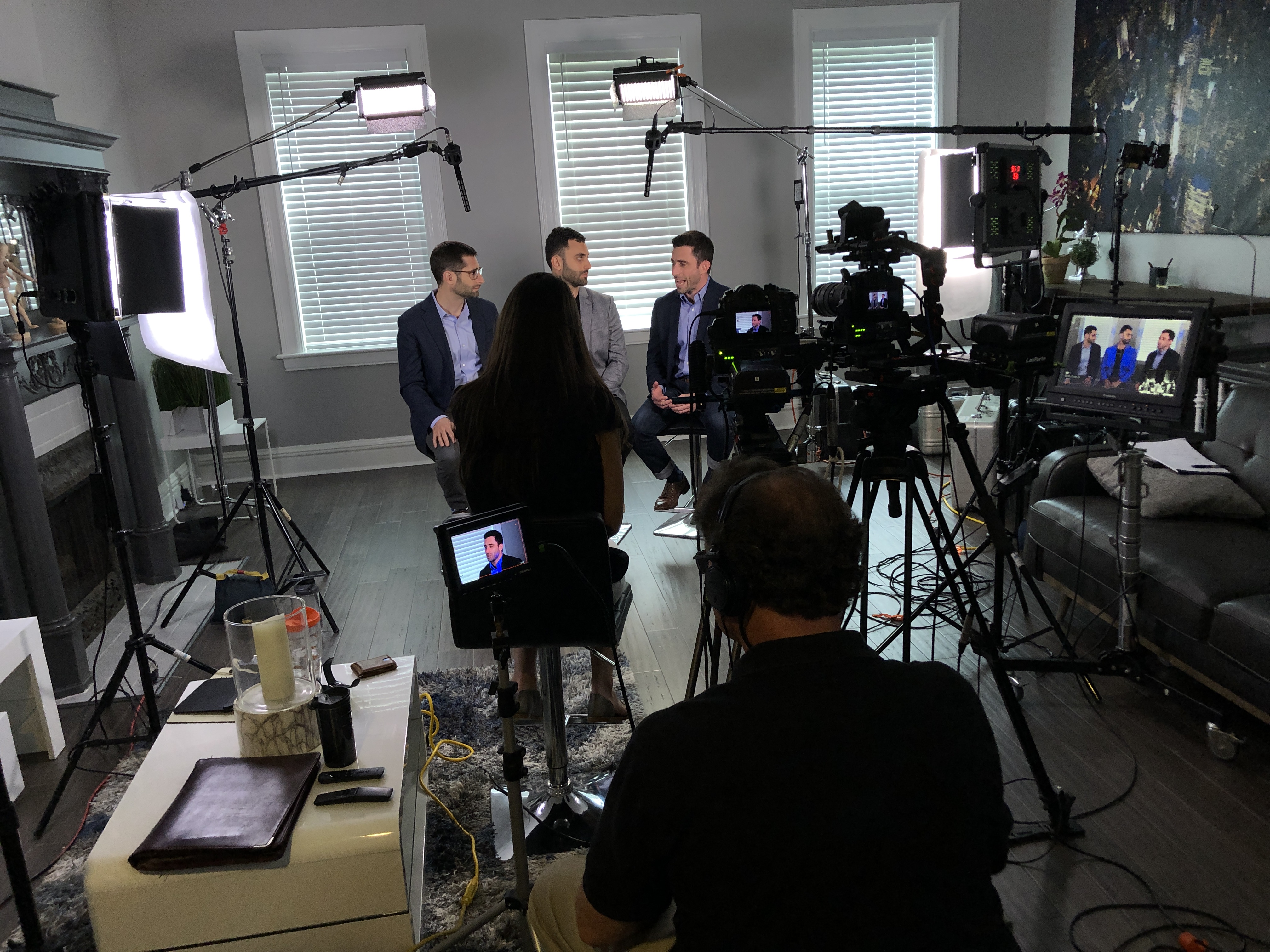
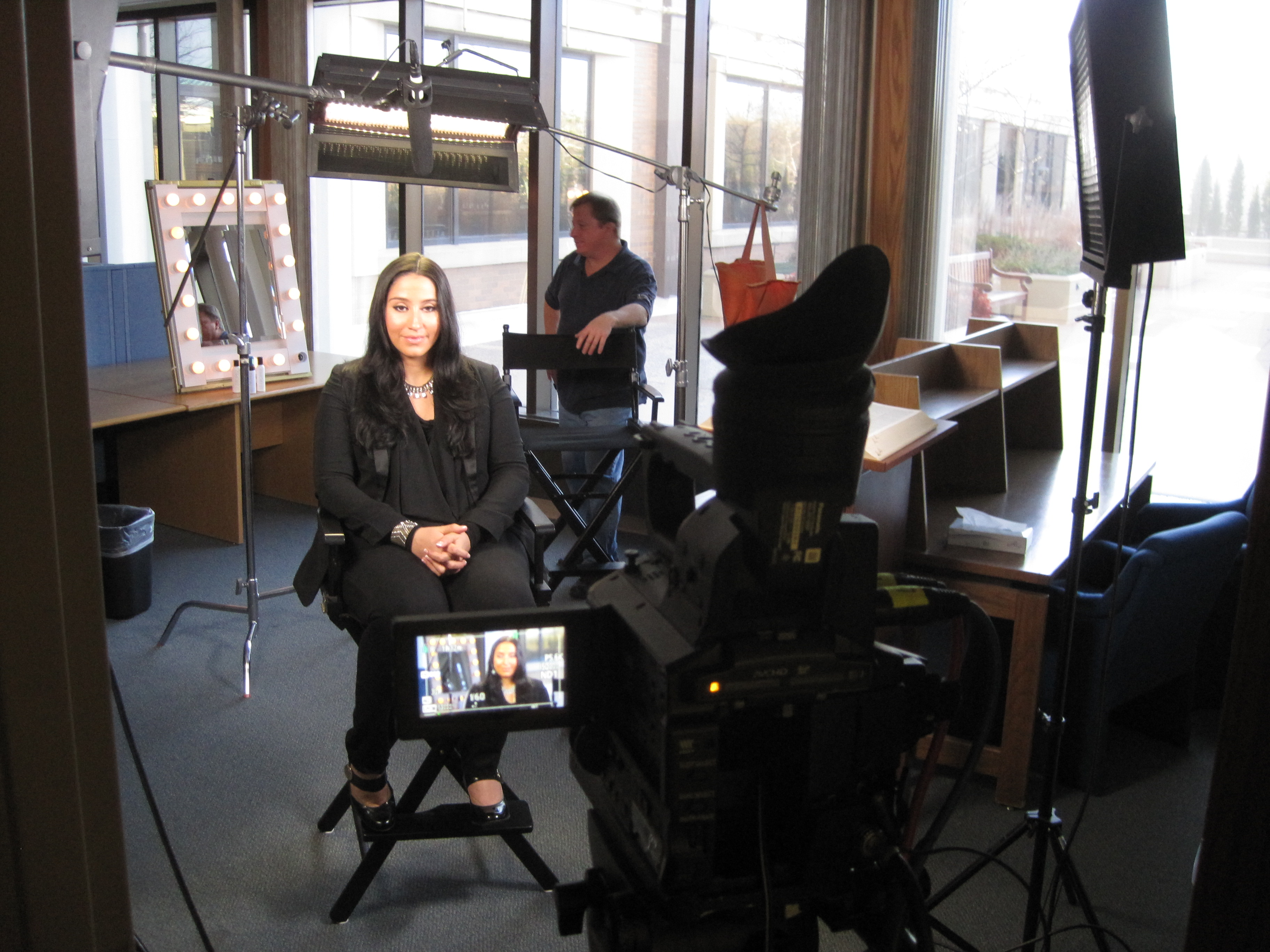
Thought leadership video content — structured as professional interviews, Q&A formats, or expert commentary segments — positions your team members as credible authorities in their fields. When produced with proper lighting, professional sound, clean backgrounds, and skilled editing, these clips are extraordinarily versatile assets. A single well-produced interview session can be repurposed into a full-length feature for YouTube, shorter clips for LinkedIn and Instagram, audio-only podcast content, embedded website content, and sales enablement materials — multiplying the return on a single production investment.
Consistency Between Still and Motion Content
The most sophisticated brand content strategies ensure visual consistency between headshot photography and video content. Matching color grading, lighting aesthetics, and stylistic approaches across both mediums creates a cohesive brand identity that resonates with audiences across every touchpoint.
The Technical Dimensions Decision-Makers Must Understand
For marketing directors, brand managers, and organizational leaders commissioning visual content, a foundational understanding of the technical requirements helps ensure the content you invest in actually serves its intended purpose.
Resolution and File Format Requirements
Different platforms and use cases demand different file specifications. Web-optimized images for fast page load times are formatted differently than print-ready files. Social media platforms compress uploaded video, meaning footage must be produced at a higher quality threshold to maintain acceptable resolution after platform processing. Working with a production team that understands these technical specifications from the outset eliminates the costly mistake of discovering your content doesn’t meet requirements after the shoot is complete.
Lighting and Audio: The Non-Negotiable Foundations
In video production, poor audio is more damaging to viewer perception than even poor video quality. Studies on viewer behavior consistently find that audiences will tolerate lower visual quality far more readily than they will tolerate substandard sound. Professional-grade microphones, proper acoustic management, and experienced sound operators are not luxuries — they are baseline requirements for credible video content.
Similarly, professional lighting transforms not only the technical quality of imagery but its emotional tone. Properly lit subjects appear more authoritative, approachable, and trustworthy. Poorly lit video and photography, regardless of the quality of the camera used, undermines the subject’s presence and the brand’s credibility.
The Role of Artificial Intelligence in Modern Production
AI-driven tools have fundamentally transformed post-production workflows. From intelligent noise reduction and color correction to automated transcription, smart cropping for platform-specific aspect ratios, and AI-enhanced upscaling, forward-thinking production companies are leveraging these technologies to deliver higher-quality results with greater efficiency. For clients, this means faster turnaround times, more consistent results, and expanded creative possibilities — all without sacrificing the human creative judgment that distinguishes truly exceptional content from algorithmically adequate content.
Repurposing: Maximizing the Return on Your Visual Investment
One of the most significant opportunities available to organizations investing in professional photography and video is content repurposing. A strategic shoot produces not a single asset, but a library of content that can be deployed across multiple channels, campaigns, and timeframes.
A professional headshot session might yield primary headshots for each team member, casual lifestyle variants for social media, cropped versions optimized for various platforms, and imagery suitable for press releases, speaker bios, and email signatures. A single interview video production can be edited into a full-length feature, multiple short-form clips, still frames for social media graphics, and audio content for podcast distribution.
This multiplier effect means that the cost per asset across a comprehensive repurposing strategy is dramatically lower than producing individual pieces of content for each platform and purpose. Organizations that approach visual content production with a repurposing strategy from the outset consistently generate significantly stronger returns on their production investment.
Selecting the Right Production Partner
Not all photography and video production services are created equal. For business and organizational decision-makers, the following criteria should guide the selection of a production partner for headshots and video clip content.
Experience with Commercial and Corporate Content
Consumer photography and commercial production are fundamentally different disciplines. A production partner with deep experience in corporate, marketing, and commercial content understands the specific demands of business audiences, brand guidelines, and the technical requirements of distributing content across diverse platforms and media types.
Full-Service Capability
Fragmented production workflows — sourcing a photographer separately from a video team, separately from an editor, separately from a motion graphics artist — introduce coordination inefficiencies, inconsistencies in visual style, and logistical friction. A full-service production partner who manages the entire pipeline from pre-production planning through final delivery provides a more cohesive result and a more efficient process.
Equipment and Technical Infrastructure
Professional-grade cameras, lighting systems, audio equipment, and post-production software represent a substantial investment that directly impacts output quality. Evaluate prospective partners not only on their portfolio but on the technical infrastructure they bring to each production.
Location Flexibility and Studio Capability
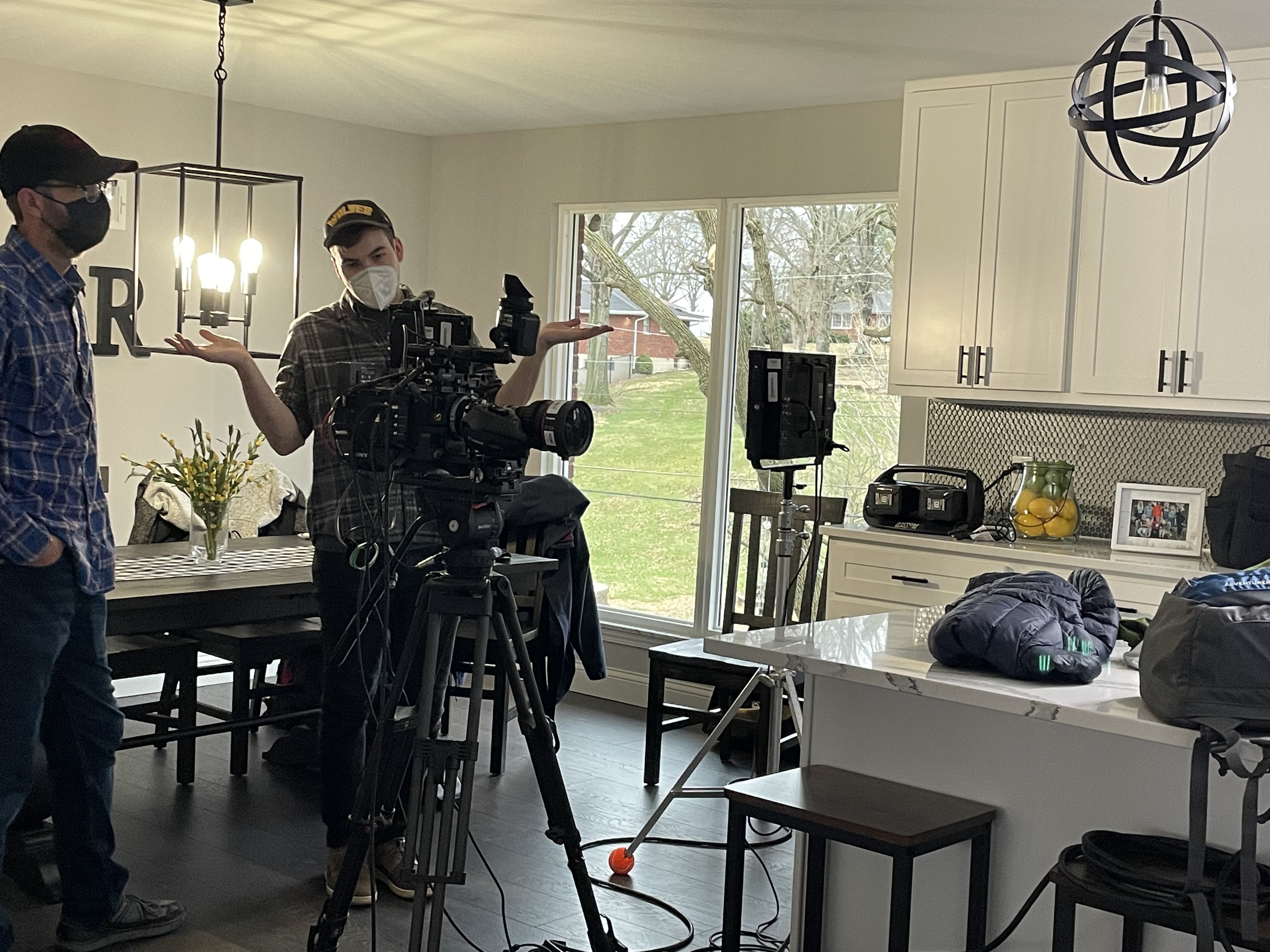
The ability to produce content both in a controlled studio environment and on location is essential for organizations with diverse content needs. Studio environments offer maximum control over lighting, sound, and visual presentation. Location shooting captures authentic environmental context and brand story. The best production partners deliver excellence in both settings.
Angel Eye Video Productions and Photography: Your Full-Service Visual Content Partner
For organizations seeking a production partner with the creative vision, technical expertise, and professional infrastructure to deliver exceptional headshots and video content, Angel Eye Video Productions and Photography brings an uncompromising commitment to visual excellence to every engagement.
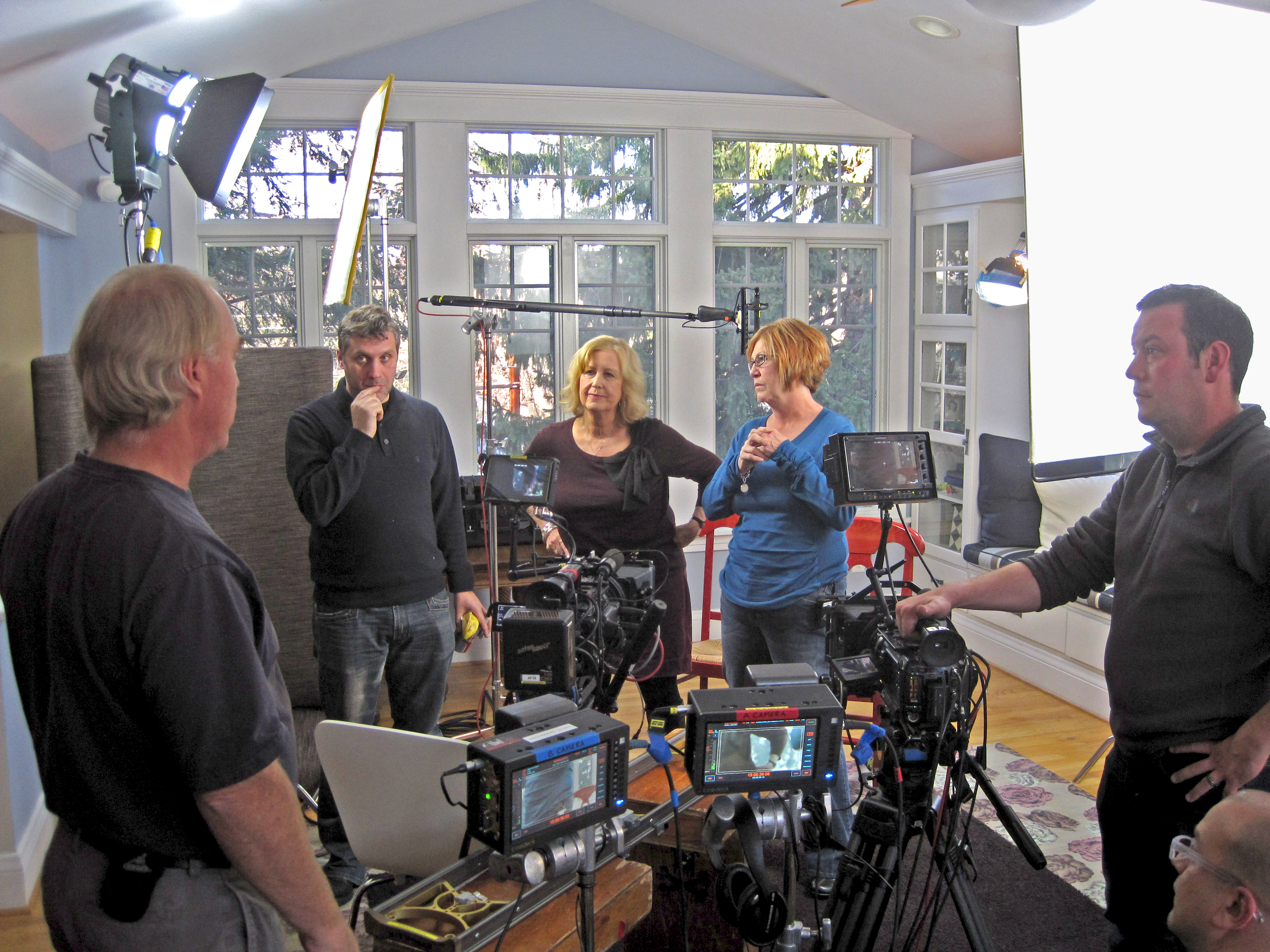
As a full-service professional commercial photography and video production company, Angel Eye Video Productions and Photography brings the right equipment and an experienced creative crew to every project — ensuring successful image and video acquisition regardless of the complexity or scale of your production. Whether you need polished team headshots, compelling short-form social media video clips, or a comprehensive visual content campaign, Angel Eye delivers complete studio and location production services, professional editing, post-production, and fully licensed drone services — all under one creative roof.
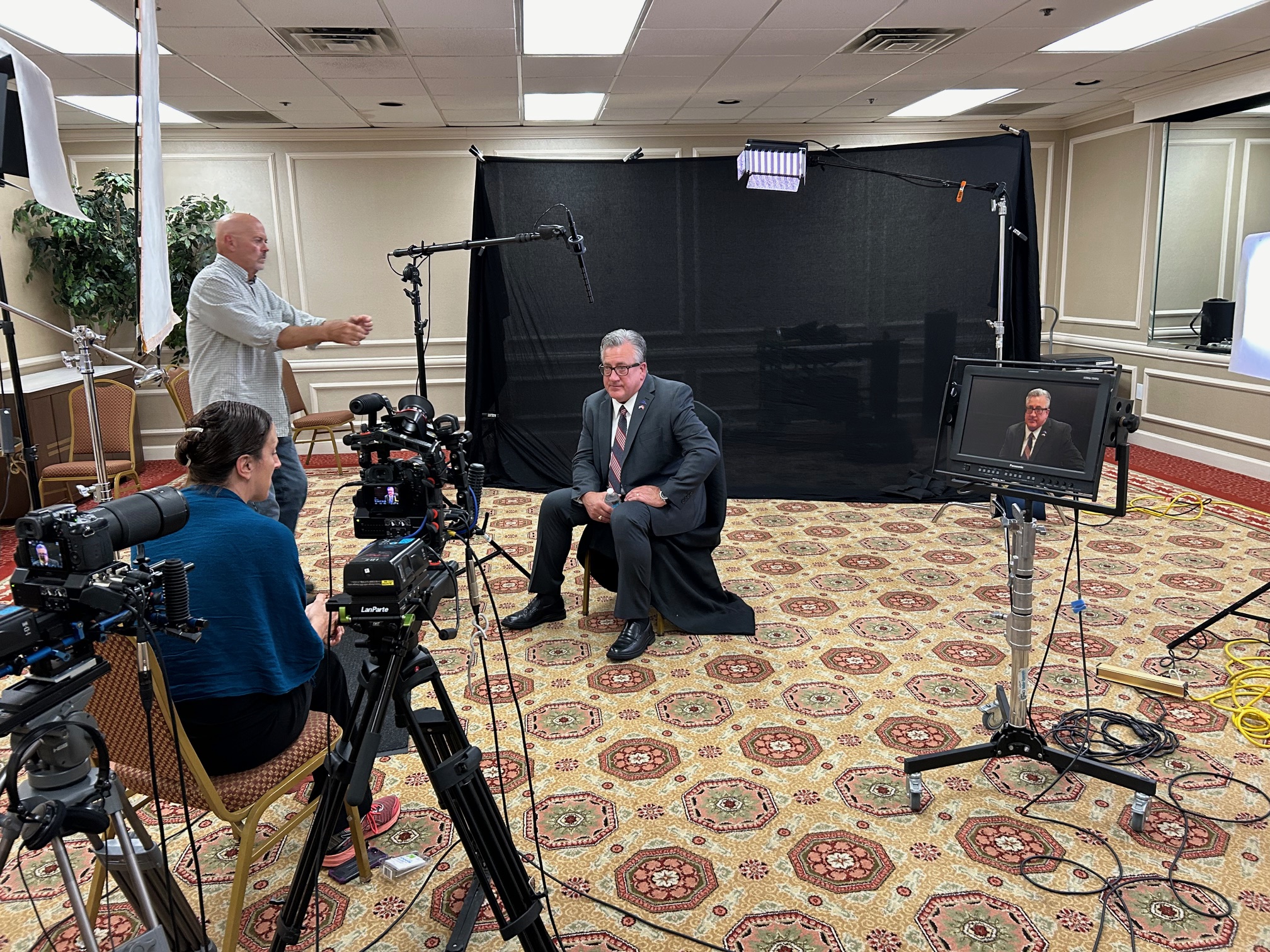
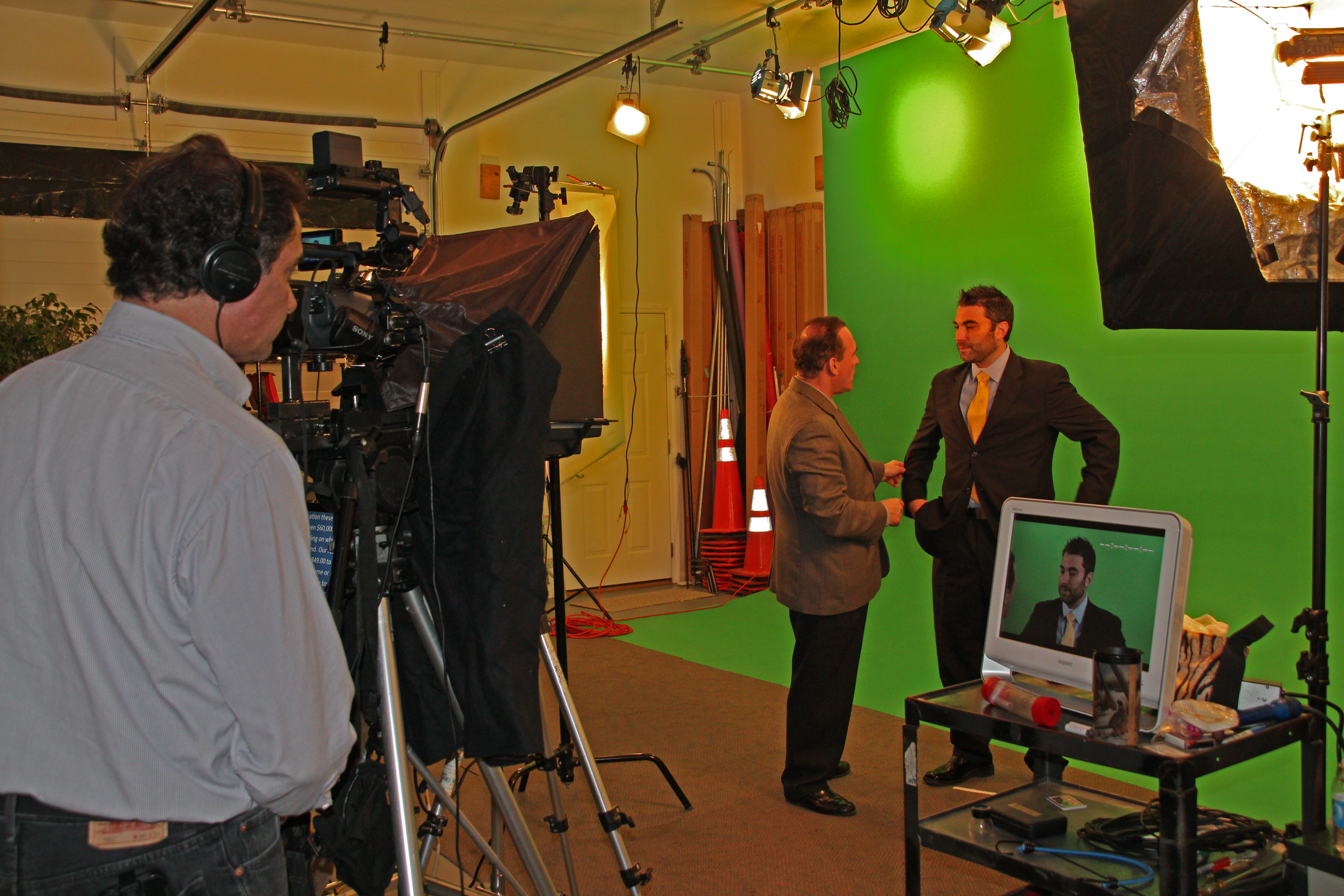
Our private studio is purpose-built for the demands of commercial production. The lighting and visual environment is precision-configured for small productions and professional interview scenarios, while the studio footprint is large enough to incorporate props and set elements that elevate your production’s visual storytelling. Every aspect of your production is supported from concept through final delivery — from custom interview studio configuration and professional sound operators to experienced camera operators and a full complement of professional-grade production equipment.
When your content requirements take you beyond the studio, our location scouting expertise and dedicated b-roll specialists ensure your on-location production is as controlled and creatively compelling as any studio environment. Our licensed drone services extend your visual storytelling into dimensions most production companies cannot reach — including specialized FPV drone operation for dynamic indoor environments. For clients with advanced technical requirements, our drone capabilities extend further still, encompassing infrared thermal imaging, orthomosaic mapping, and LiDAR data acquisition.
At Angel Eye Video Productions and Photography, we understand that the visual content you produce today must perform across a diverse and constantly evolving media landscape. We are fluent in all file types, formats, and styles of media, and we actively integrate the latest artificial intelligence tools across our full range of media services — delivering faster turnaround, enhanced quality, and expanded creative capabilities that keep your brand ahead of the curve.
Repurposing your photography and video assets to maximize reach and traction across platforms is a core specialty. We approach every production with a content strategy mindset — ensuring the assets we create for you work harder and travel further across web, social media, email, broadcast, and beyond.
Angel Eye Video Productions and Photography has proudly partnered with businesses, marketing firms, and creative agencies to produce the photography and video content that drives measurable marketing success. When your brand’s visual identity demands clarity, creativity, and the highest standard of professional execution — Angel Eye Video Productions and Photography is ready to bring your vision into focus.
In today’s digital landscape, video content has emerged as a crucial tool for businesses seeking to engage their audience and convey their brand message. While many companies may turn to professional actors or high-profile spokespeople for their video projects, leveraging non-professional talent can often yield equally compelling results at a fraction of the cost. In this article, we’ll explore the benefits of working with non-professional talent and offer strategies to ensure that your business video content is engaging, authentic, and effective.
Consider holding training sessions or rehearsals to help non-professional talent become comfortable in front of the camera.
The Advantages of Non-Professional Talent
1. Authenticity and Relatability
One of the most significant advantages of using non-professional talent is the authenticity they bring to your video content. Audiences tend to relate more to real people rather than polished actors, especially in a corporate context. This relatability can foster a deeper connection between your brand and its audience, making your message resonate more effectively.
2. Cost-Effectiveness
Hiring professional actors can significantly increase the budget for your video production. In contrast, using non-professional talent can be a cost-effective alternative that allows you to allocate more resources to other critical aspects of your production, such as high-quality equipment or post-production editing.
3. Diverse Perspectives
Non-professional talent can bring diverse perspectives and experiences to your video content. This diversity not only enriches the narrative but also reflects the varied backgrounds of your target audience, making your content more inclusive and representative.
4. Fresh Energy
Non-professional talent often brings a fresh, enthusiastic energy to their performances. Their genuine passion for your project can translate into more engaging and dynamic video content, enhancing the overall production quality.
Strategies for Success
1. Clear Direction and Guidance
When working with non-professional talent, providing clear direction is essential. Conduct thorough pre-production meetings to outline the objectives of the video and the specific roles of each participant. This ensures that everyone understands their responsibilities and the overall vision for the project.
2. Effective Training and Rehearsals
Consider holding training sessions or rehearsals to help non-professional talent become comfortable in front of the camera. This can include basic acting techniques, understanding camera angles, and practicing their lines. The more prepared they feel, the better their performance will be.
3. Create a Comfortable Environment
Creating a relaxed and comfortable environment is crucial for eliciting genuine performances from non-professional talent. Ensure they feel welcomed and valued throughout the production process. This not only boosts their confidence but also encourages more natural interactions on camera.
4. Utilize Engaging Interview Techniques
When using non-professional talent for testimonial or interview-style videos, employ engaging interview techniques. Ask open-ended questions that allow them to express their thoughts and experiences candidly. This approach often results in more compelling and authentic content.
5. Invest in Quality Production
Even when using non-professional talent, the production quality of your video should never be compromised. Investing in high-quality equipment, professional lighting, and skilled sound operators is essential to ensure that your final product meets industry standards. This is where a full-service company like St Louis Commercial Video Production can make a significant difference.
Why Choose St Louis Commercial Video Production
At St Louis Commercial Video Production, we understand the unique challenges and opportunities presented by working with non-professional talent. Our experienced crew is well-versed in the nuances of production, ensuring that every element comes together seamlessly. With over 40 years of experience in the industry, we have built a reputation for excellence, providing businesses, marketing firms, and agencies in the St. Louis area with top-notch photography and video production services.
Our company offers a comprehensive suite of services, including full-service studio and location video and photography, editing, post-production, and licensed drone pilots. We can customize your productions to meet diverse media requirements, ensuring that your unique vision is realized. Our expertise in repurposing photography and video branding allows us to maximize the impact of your content, helping you gain more traction in the marketplace.
Our private studio is equipped with professional lighting and visual setups, perfect for small productions and interview scenes. We can incorporate props to enhance your set, providing a tailored experience that aligns with your brand identity. From custom interview studio setups to providing sound and camera operators, we have everything needed to make your next video production perfect.
Since 1982, St Louis Commercial Video Production has been dedicated to delivering exceptional quality and service, making us a trusted partner for your business’s video content needs. Let us help you bring your vision to life and create compelling videos that resonate with your audience.
When it comes to capturing and preserving stunning images, choosing the right image file format is paramount. As experienced professionals at Angel Eye Video Productions and Photography, we understand the significance of this decision in the realm of video production and commercial photography. In this comprehensive guide, we’ll delve into the age-old debate of RAW vs JPEG, exploring the strengths and weaknesses of each format and helping you make an informed choice for your visual content needs.
By shooting in both RAW and JPEG simultaneously, you can enjoy the benefits of both formats.
Understanding RAW and JPEG
RAW and JPEG are two distinct image file formats, each with its own set of characteristics that cater to different creative and practical requirements. Let’s take a closer look at each format:
RAW
RAW is the closest thing you can get to a digital negative. It’s a minimally processed file that retains all the data captured by your camera’s sensor. This format gives you unparalleled control over post-production adjustments such as exposure, white balance, and color correction. RAW files are larger in size, making them ideal for photographers and video producers who demand the highest quality and intend to fine-tune their visuals during the editing process.
JPEG
JPEG, on the other hand, is a compressed and processed format that sacrifices some data in favor of a smaller file size. This compression can lead to a loss of image quality, especially when making extensive edits. However, JPEG files are widely compatible and easily shareable, making them a popular choice for online use, social media, and quick delivery.
The Pros and Cons
RAW
Pros:
Unmatched Quality: RAW files preserve the finest details, tones, and colors, allowing for precise adjustments without sacrificing quality.
Flexible Editing: The wide latitude of RAW files enables advanced adjustments in post-production, including exposure correction and fine-tuning of colors.
Dynamic Range: RAW files capture a broader range of tones, especially in challenging lighting conditions, resulting in better highlights and shadows.
Cons:
Large File Sizes: RAW files can quickly consume storage space, requiring ample memory cards and hard drive capacity.
Complex Workflow: Processing RAW files demands more time and expertise, making it a better fit for professionals who are committed to post-production.
JPEG
Pros:
Smaller File Sizes: JPEG files are compact and well-suited for sharing and online use, reducing the need for extensive storage.
Simplified Workflow: The processing is done in-camera, allowing for quick and easy sharing without extensive post-production.
Compatibility: JPEG is universally recognized and can be opened on virtually any device or software.
Cons:
Limited Editing: JPEG compression discards some data, which can limit the extent of post-processing adjustments.
Loss of Quality: Repeated editing and saving of JPEG files can lead to a gradual loss of image quality, known as “generation loss.”
Less Dynamic Range: The compressed format sacrifices some highlight and shadow details, affecting the overall visual depth.
Choosing the Right Format
The choice between RAW and JPEG ultimately depends on your intended use and your level of post-production involvement. If you’re a professional photographer or video producer aiming for maximum control and the highest quality, RAW is the preferred choice. You’ll have the ability to fine-tune every aspect of your visuals, ensuring your creative vision is fully realized.
On the other hand, if you’re looking for a quick and hassle-free solution for sharing images online or producing content without extensive editing, JPEG is a practical option. It’s especially suitable for situations where speed and convenience are paramount, such as event photography or social media updates.
Integrating RAW and JPEG in Your Workflow
In many scenarios, a hybrid approach can yield the best results. By shooting in both RAW and JPEG simultaneously, you can enjoy the benefits of both formats. Use RAW for critical shots where you need extensive editing capabilities, and utilize JPEG for images that require minimal adjustments and immediate sharing.
This approach provides a balance between quality and efficiency, allowing you to harness the advantages of each format depending on your specific needs. It also provides a safety net in case unforeseen issues arise during post-production.
Our Expertise at Angel Eye Video Productions and Photography
At Angel Eye Video Productions and Photography, we understand the nuances of image file formats and their impact on visual storytelling. With years of experience as a full-service video production and commercial photography company based in St. Louis, we’ve honed our skills to create captivating multimedia content that elevates brands and businesses.
Our seasoned team is well-versed in all aspects of location and studio productions, catering to a diverse range of multimedia creations. Whether you’re a large corporation or a small local business, we have the expertise to capture your unique essence and translate it into compelling visuals that resonate with your target audience.
As professional photographers, Angel Eye Video Productions and Photography has successfully contributed to countless video productions for businesses and organizations of all sizes in the St. Louis region. Our commitment to quality, creativity, and technical excellence sets us apart as trusted partners for your branding and business marketing communication needs.
Contact us today to discuss how we can collaborate to achieve your visual content goals. Let’s embark on a journey of creativity and innovation that will leave a lasting impression on your audience.




























 Angel Eye Video Productions and Photography