Tag Archives: St. Louis pet photographer

RAW vs JPEG – Which Image File Format is Better?

When it comes to capturing and preserving stunning images, choosing the right image file format is paramount. As experienced professionals at Angel Eye Video Productions and Photography, we understand the significance of this decision in the realm of video production and commercial photography. In this comprehensive guide, we’ll delve into the age-old debate of RAW vs JPEG, exploring the strengths and weaknesses of each format and helping you make an informed choice for your visual content needs.

By shooting in both RAW and JPEG simultaneously, you can enjoy the benefits of both formats.

Understanding RAW and JPEG

RAW and JPEG are two distinct image file formats, each with its own set of characteristics that cater to different creative and practical requirements. Let’s take a closer look at each format:

RAW

RAW is the closest thing you can get to a digital negative. It’s a minimally processed file that retains all the data captured by your camera’s sensor. This format gives you unparalleled control over post-production adjustments such as exposure, white balance, and color correction. RAW files are larger in size, making them ideal for photographers and video producers who demand the highest quality and intend to fine-tune their visuals during the editing process.

JPEG

JPEG, on the other hand, is a compressed and processed format that sacrifices some data in favor of a smaller file size. This compression can lead to a loss of image quality, especially when making extensive edits. However, JPEG files are widely compatible and easily shareable, making them a popular choice for online use, social media, and quick delivery.

The Pros and Cons

RAW

Pros:

  1. Unmatched Quality: RAW files preserve the finest details, tones, and colors, allowing for precise adjustments without sacrificing quality.
  2. Flexible Editing: The wide latitude of RAW files enables advanced adjustments in post-production, including exposure correction and fine-tuning of colors.
  3. Dynamic Range: RAW files capture a broader range of tones, especially in challenging lighting conditions, resulting in better highlights and shadows.

Cons:

  1. Large File Sizes: RAW files can quickly consume storage space, requiring ample memory cards and hard drive capacity.
  2. Complex Workflow: Processing RAW files demands more time and expertise, making it a better fit for professionals who are committed to post-production.

JPEG

Pros:

  1. Smaller File Sizes: JPEG files are compact and well-suited for sharing and online use, reducing the need for extensive storage.
  2. Simplified Workflow: The processing is done in-camera, allowing for quick and easy sharing without extensive post-production.
  3. Compatibility: JPEG is universally recognized and can be opened on virtually any device or software.

Cons:

  1. Limited Editing: JPEG compression discards some data, which can limit the extent of post-processing adjustments.
  2. Loss of Quality: Repeated editing and saving of JPEG files can lead to a gradual loss of image quality, known as “generation loss.”
  3. Less Dynamic Range: The compressed format sacrifices some highlight and shadow details, affecting the overall visual depth.

Choosing the Right Format

The choice between RAW and JPEG ultimately depends on your intended use and your level of post-production involvement. If you’re a professional photographer or video producer aiming for maximum control and the highest quality, RAW is the preferred choice. You’ll have the ability to fine-tune every aspect of your visuals, ensuring your creative vision is fully realized.

On the other hand, if you’re looking for a quick and hassle-free solution for sharing images online or producing content without extensive editing, JPEG is a practical option. It’s especially suitable for situations where speed and convenience are paramount, such as event photography or social media updates.

Integrating RAW and JPEG in Your Workflow

In many scenarios, a hybrid approach can yield the best results. By shooting in both RAW and JPEG simultaneously, you can enjoy the benefits of both formats. Use RAW for critical shots where you need extensive editing capabilities, and utilize JPEG for images that require minimal adjustments and immediate sharing.

This approach provides a balance between quality and efficiency, allowing you to harness the advantages of each format depending on your specific needs. It also provides a safety net in case unforeseen issues arise during post-production.

Our Expertise at Angel Eye Video Productions and Photography

At Angel Eye Video Productions and Photography, we understand the nuances of image file formats and their impact on visual storytelling. With years of experience as a full-service video production and commercial photography company based in St. Louis, we’ve honed our skills to create captivating multimedia content that elevates brands and businesses.

Our seasoned team is well-versed in all aspects of location and studio productions, catering to a diverse range of multimedia creations. Whether you’re a large corporation or a small local business, we have the expertise to capture your unique essence and translate it into compelling visuals that resonate with your target audience.

As professional photographers, Angel Eye Video Productions and Photography has successfully contributed to countless video productions for businesses and organizations of all sizes in the St. Louis region. Our commitment to quality, creativity, and technical excellence sets us apart as trusted partners for your branding and business marketing communication needs.

Contact us today to discuss how we can collaborate to achieve your visual content goals. Let’s embark on a journey of creativity and innovation that will leave a lasting impression on your audience.

Shari Haller 314-913-5626 stlouisvideos@gmail.com
St. Louis Professional Headshot Photography: Studio vs. Outdoor Shoots

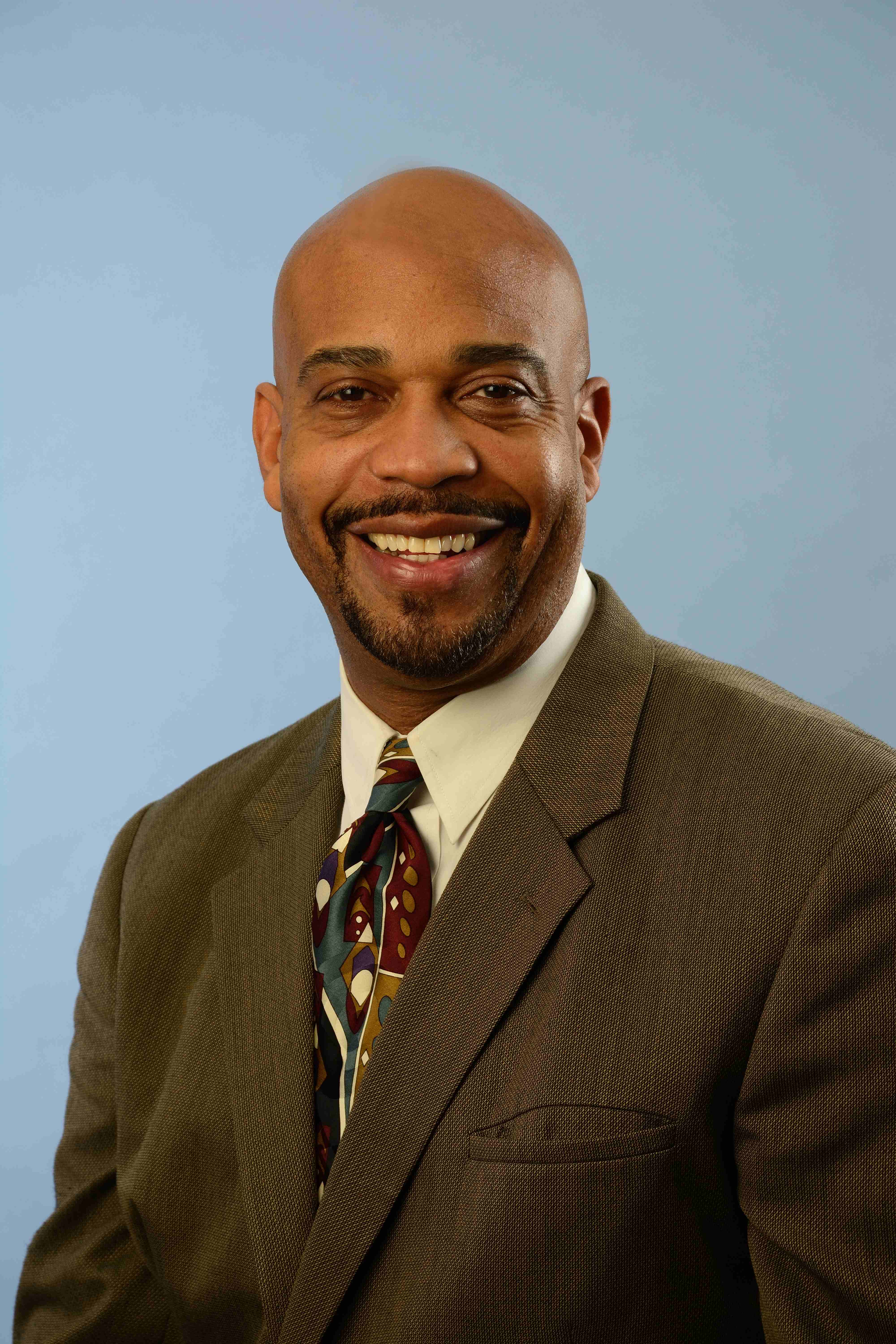
In today’s digital age, having a professional headshot is more important than ever. Whether you’re a business owner, entrepreneur, or job seeker, a great headshot can make all the difference in how you’re perceived by colleagues, clients, and potential employers. But when it comes to choosing between a studio or outdoor shoot for your headshots, it can be challenging to decide which option is best for you. That’s why in this article, we’ll be exploring the pros and cons of each approach, focusing specifically on St. Louis professional headshot photography. We’ll discuss the benefits of shooting in a studio environment, including controlled lighting and a consistent backdrop, as well as the advantages of an outdoor shoot, such as natural lighting and a more relaxed, candid vibe. So, whether you’re preparing for a corporate headshot or a personal branding session, read on to determine which option is right for you.

Studio shoots: Pros and cons

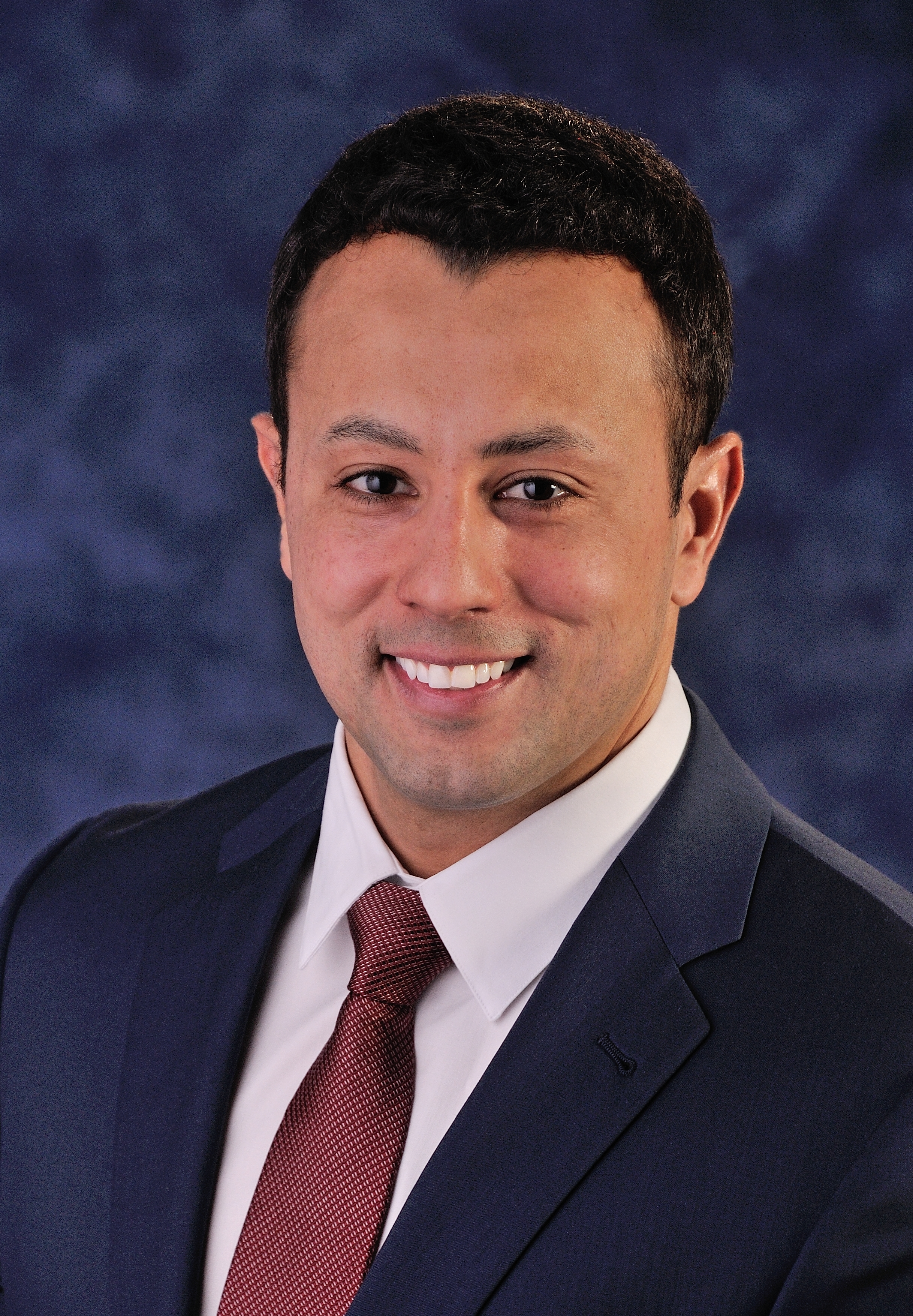
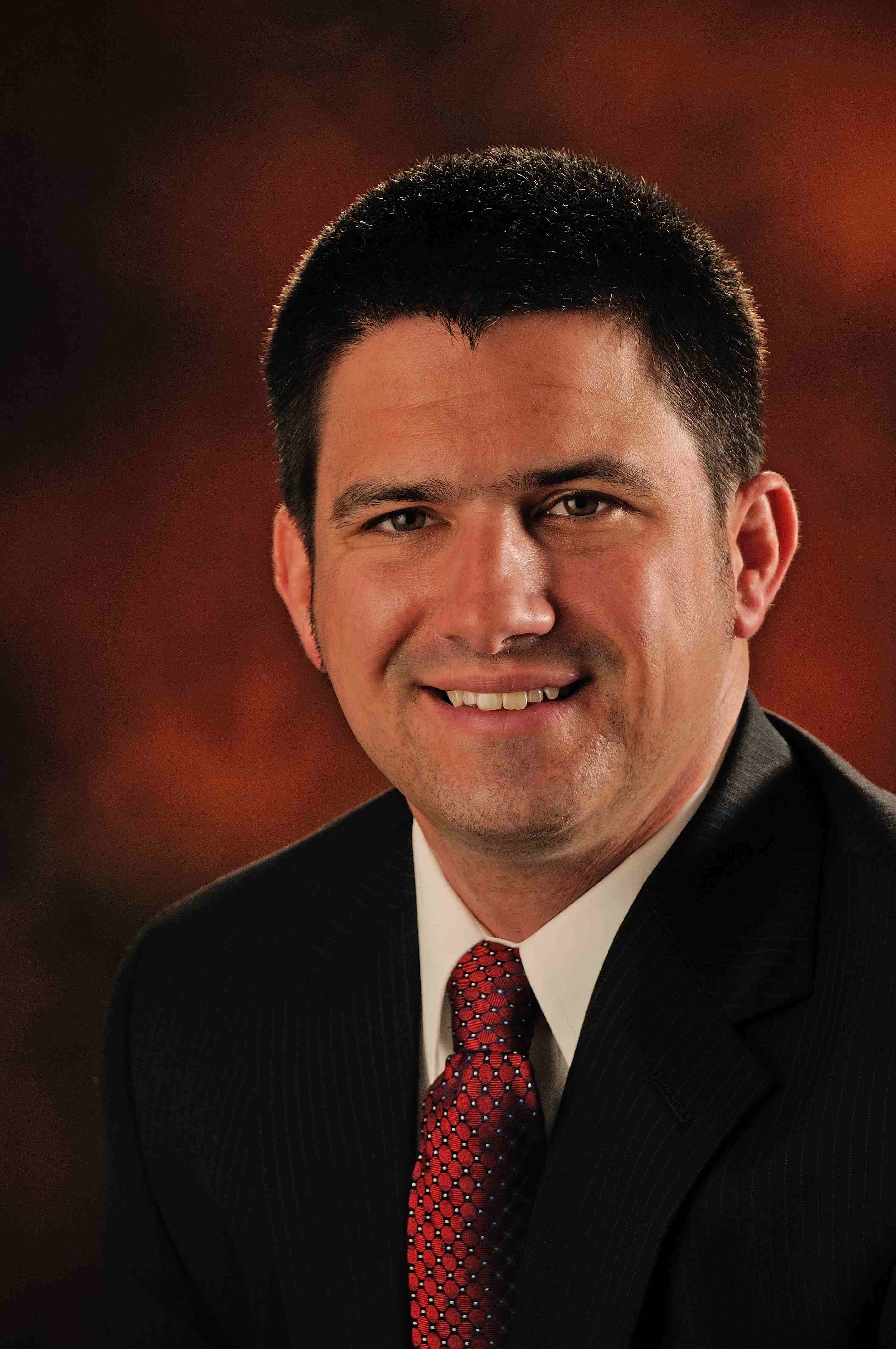
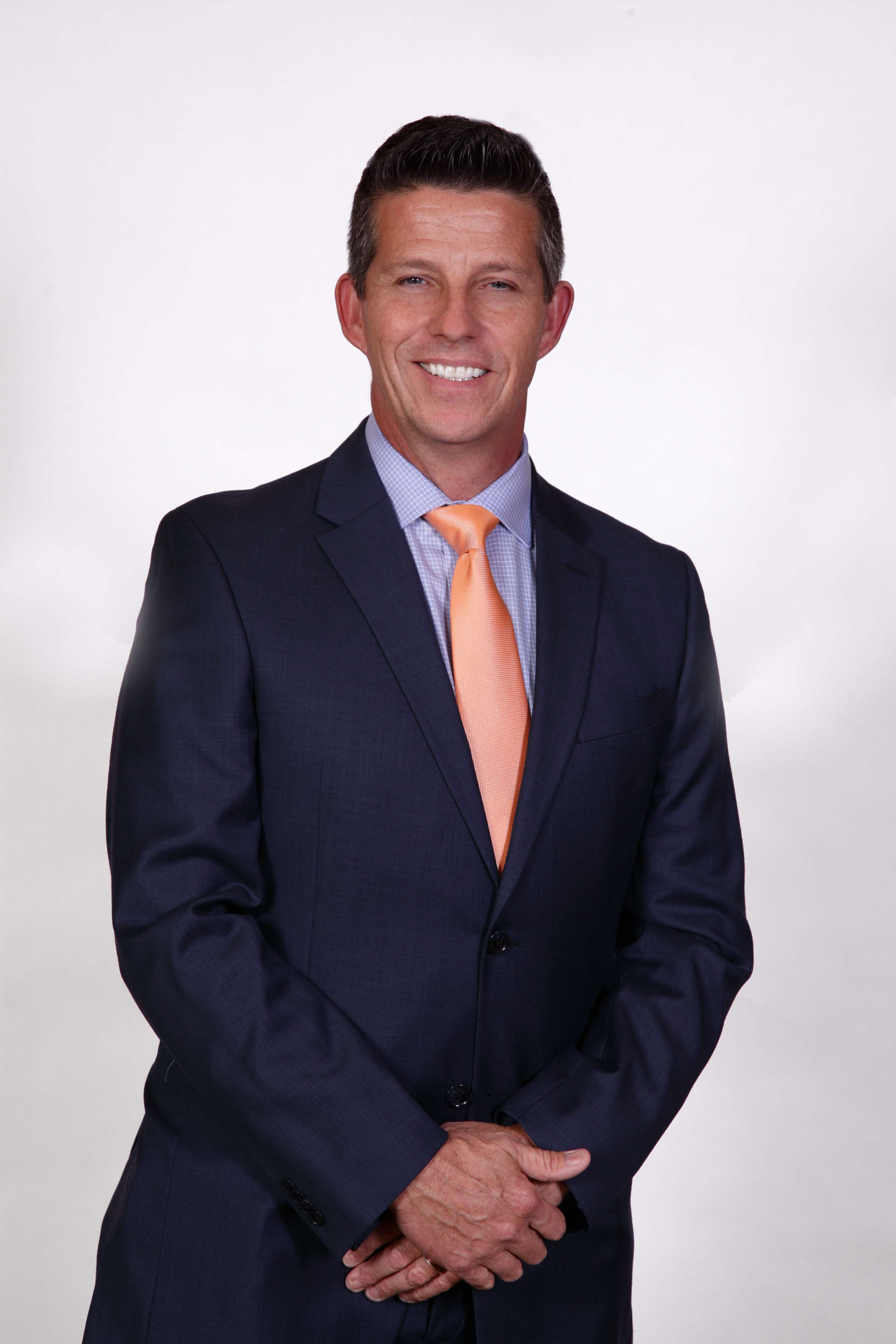
Studio shoots are a popular choice for professional headshots, and for good reason. Shooting in a studio environment allows for complete control over the lighting, ensuring that your face is evenly lit and free of any unwanted shadows. Additionally, a studio shoot provides a consistent backdrop, which can be especially useful if you’re planning to use your headshot for marketing materials or a company website.

Another advantage of a studio shoot is the ability to experiment with different poses and expressions without the distractions of the outdoors. This can be particularly helpful for those who may feel uncomfortable in front of the camera, as a controlled environment can help to alleviate any nerves. However, one downside of a studio shoot is the lack of variety in terms of scenery and background, which can make your headshot feel less personalized.

Outdoor shoots: Pros and cons

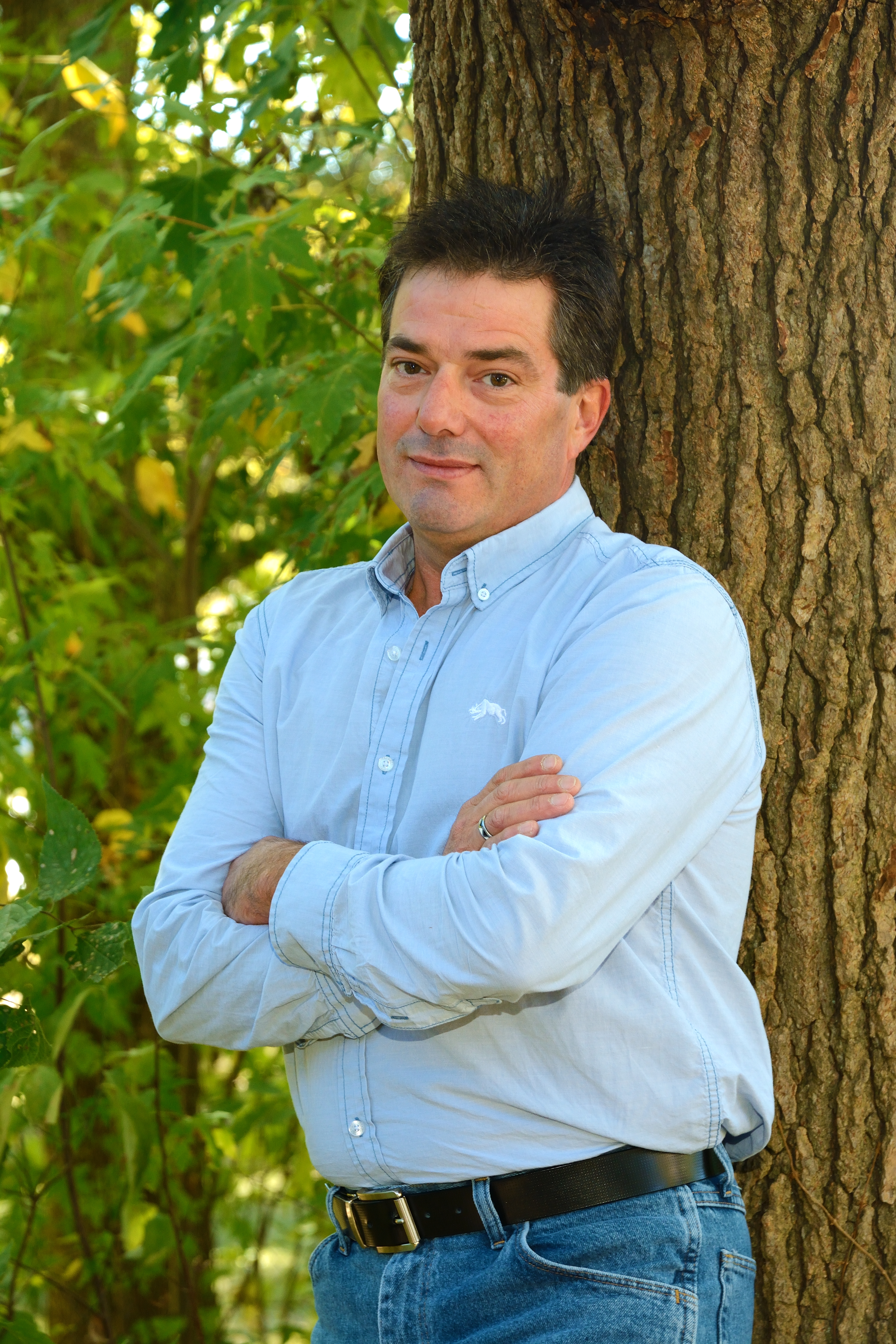
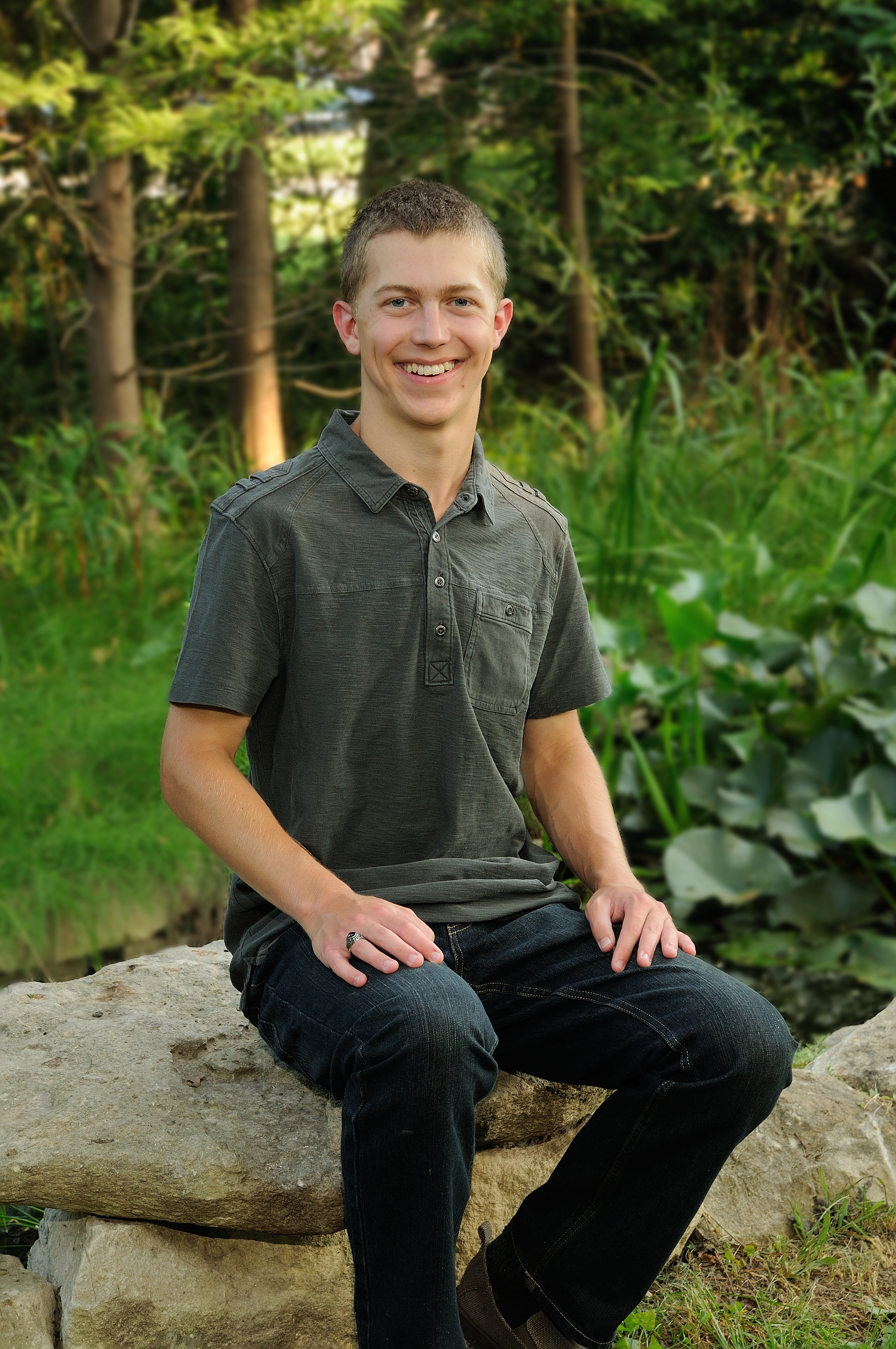
On the other hand, outdoor shoots offer a more natural, relaxed setting that can produce stunning headshots. The use of natural lighting can create a warm, inviting look that is difficult to replicate in a studio environment. Additionally, outdoor shoots provide a wide variety of backgrounds and scenery, making it easier to create a headshot that feels unique and personalized.

However, outdoor shoots can also be unpredictable, as weather conditions and lighting can change rapidly. It can also be difficult to control for distractions in an outdoor setting, such as people or objects in the background that may draw attention away from the subject. Additionally, outdoor shoots may not be suitable for all types of headshots, such as those that require a consistent backdrop or a professional, business-like look.

Factors to consider when choosing between studio and outdoor shoots

When deciding between a studio or outdoor shoot, there are several factors to consider. First and foremost, consider the purpose of your headshot. If you’re preparing for a corporate headshot that will be used for a company website or marketing materials, a studio shoot may be the best option for its controlled environment and consistent backdrop.

On the other hand, if you’re looking for a more personalized, relaxed look for your headshot, an outdoor shoot may be the way to go. Additionally, consider your personal style and brand when choosing between the two options. If you’re a business owner or entrepreneur with a more casual, approachable brand, an outdoor shoot may be a better fit. However, if your brand is more formal and professional, a studio shoot may be the way to go.

Another important factor to consider is your comfort level in front of the camera. If you’re someone who feels nervous or uncomfortable in front of the camera, a studio shoot may be more suitable, as it provides a controlled environment that can help alleviate any nerves. However, if you’re someone who is comfortable in front of the camera and enjoys being outdoors, an outdoor shoot may be a more natural fit.

Choosing the right location for an outdoor shoot

If you’ve decided to go with an outdoor shoot, choosing the right location is key. Look for a location that reflects your personal style and brand. For example, if you’re a nature lover, a park or botanical garden may be an ideal location for your headshots. Alternatively, if you’re a city dweller, a downtown location with skyscrapers in the background could be a great option.

When scouting locations, consider the lighting and time of day. Early mornings and late afternoons tend to offer the most flattering light for outdoor headshots, as the sun is lower in the sky and provides a warm, golden glow. Avoid shooting in harsh, midday sun, as it can create unflattering shadows and bright highlights.

Preparing for a studio shoot

If you’ve decided to go with a studio shoot, there are several things you can do to prepare. First and foremost, choose your outfit carefully. Avoid busy patterns or bright colors, as they can be distracting in a headshot. Instead, opt for solid, neutral colors that complement your skin tone. Additionally, make sure your clothing is clean and wrinkle-free.

Another important consideration for a studio shoot is hair and makeup. Consider hiring a professional hair and makeup artist to ensure you look your best on camera. If you’re doing your own hair and makeup, keep it natural and avoid anything too dramatic.

Preparing for an outdoor shoot

If you’ve decided to go with an outdoor shoot, preparation is key. Make sure you dress appropriately for the weather and location, and consider bringing a change of clothes if you want to switch up your look. Additionally, consider bringing along any props or accessories that reflect your personal brand or style, such as a laptop or a favorite book.

When choosing your outfit for an outdoor shoot, keep in mind the location and scenery. Avoid wearing anything that clashes with the background, such as bright colors or busy patterns. Instead, opt for neutral colors that complement the natural surroundings.

What to wear for a professional headshot

Whether you’re shooting in a studio or outdoors, choosing the right outfit for your headshot is crucial. As mentioned earlier, avoid busy patterns or bright colors that can be distracting in a headshot. Instead, opt for solid, neutral colors that complement your skin tone. Additionally, choose clothing that flatters your body type and makes you feel confident and comfortable.

When choosing accessories for your headshot, keep it simple and understated. Avoid anything too flashy or distracting, such as large statement jewelry or bold scarves. Instead, opt for small, subtle pieces that complement your outfit and add a touch of personality.

Working with a professional headshot photographer

When it comes to professional headshot photography, working with a skilled photographer is key. Look for a photographer with experience in headshot photography, and be sure to review their portfolio to ensure their style and aesthetic aligns with your personal brand.

During your shoot, communicate openly with your photographer and don’t be afraid to ask for guidance or direction. A good photographer will be able to help you feel comfortable in front of the camera and provide guidance on poses and expressions that flatter your features.

Conclusion

When it comes to professional headshot photography in St. Louis, choosing between a studio or outdoor shoot can be a difficult decision. Both options offer unique advantages and disadvantages, and the right choice ultimately depends on your personal style, brand, and comfort level in front of the camera.

Regardless of which option you choose, preparing carefully and working with a skilled photographer can help ensure that you end up with a headshot that reflects your best self and helps you stand out in a crowded digital landscape.

stlouisvideos@gmail.com