Tag Archives: technology

Infrared Drones Detect Roof Problems: A Smarter Way to Inspect, Document, and Plan Repairs

Roof problems rarely begin as obvious failures. They start small—trapped moisture, compromised seams, deteriorating insulation, punctures around penetrations, flashing issues, drainage trouble, or subtle heat loss that goes unnoticed until staining, mold, rising utility costs, or interior damage forces attention. By the time a traditional visual inspection identifies the issue, the damage is often more extensive and more expensive to correct.

That is why infrared drone technology has become such a valuable tool for commercial and industrial roof assessments. For building owners, facility managers, property managers, insurance professionals, and marketing decision makers responsible for documenting properties and planning capital improvements, infrared drones offer a faster, safer, and more informative way to detect roofing problems before they escalate.

At Angel Eye Video Productions and Photography, we understand that decision makers need more than attractive aerial footage. They need actionable visual information. Infrared drone inspections can reveal conditions that standard photography alone cannot show, helping organizations make better maintenance, repair, insurance, and asset-management decisions.

What an Infrared Drone Inspection Actually Does

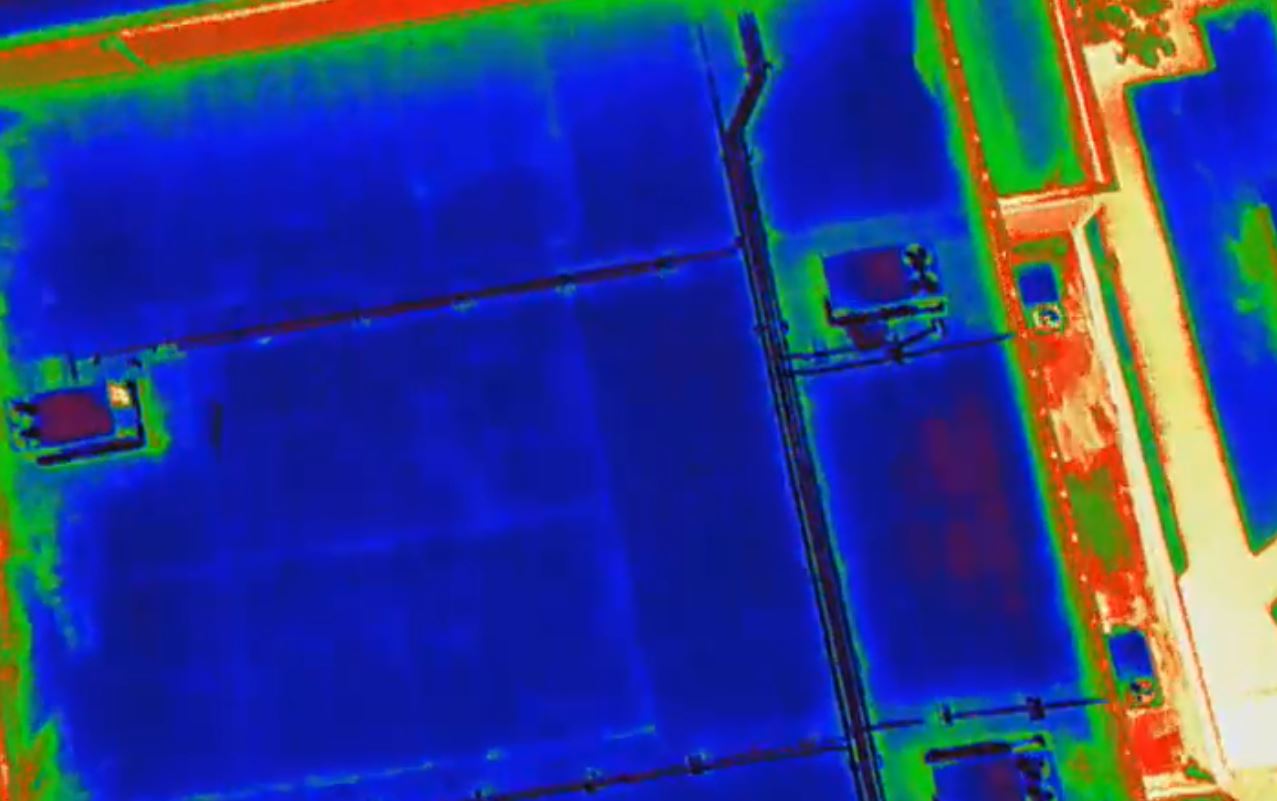
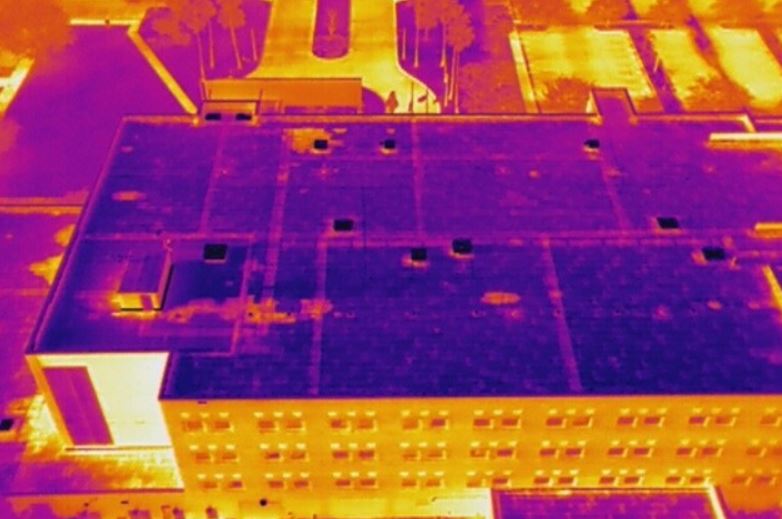
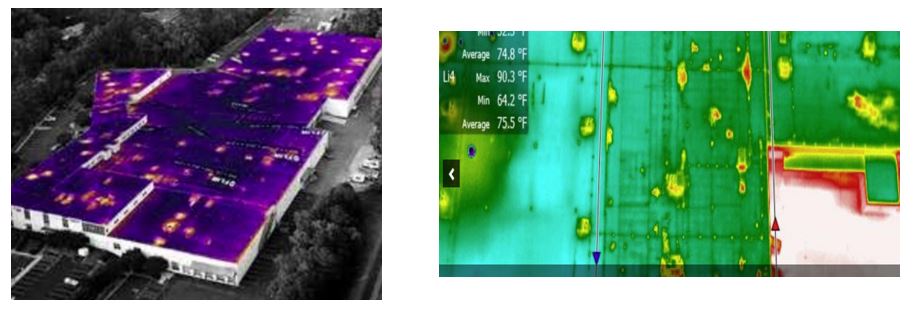
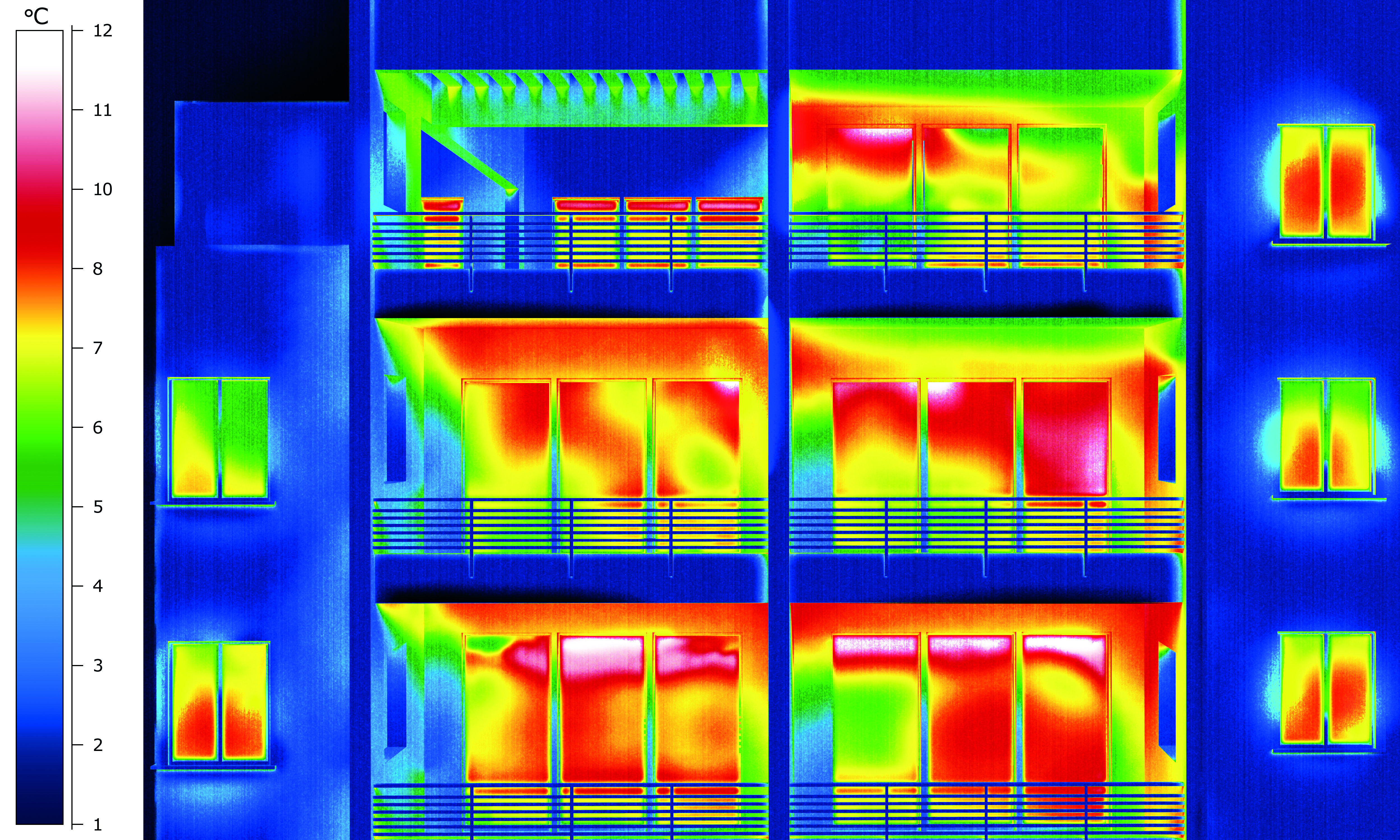
An infrared drone uses a thermal imaging camera to detect temperature differences across a roof surface. Those temperature variations can indicate anomalies that deserve closer attention. Wet insulation, trapped moisture, membrane separation, poor sealing, heat leakage, blocked drains, and failed repairs often change how a roof absorbs and releases heat. Thermal imaging allows those differences to appear in a clear visual pattern.
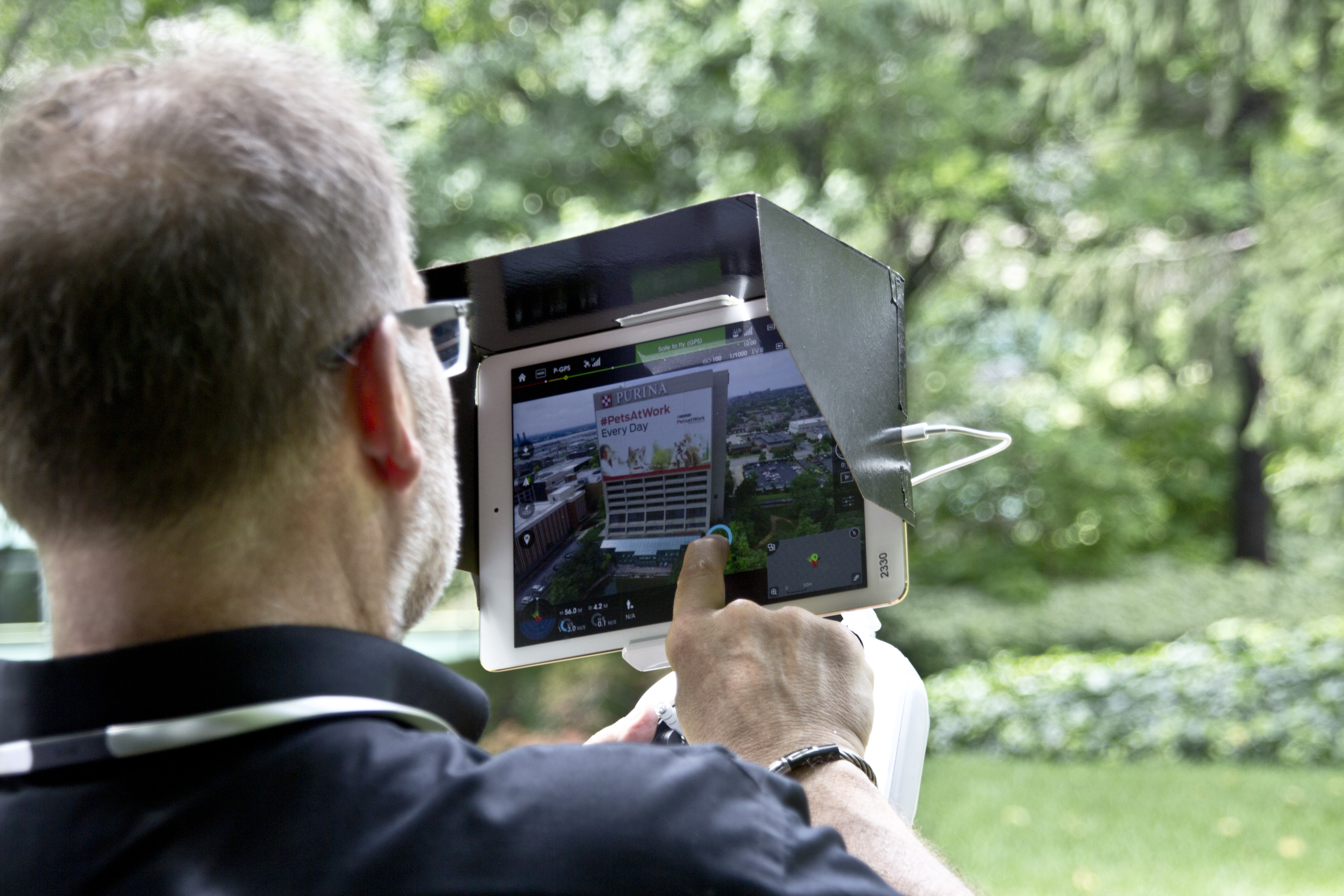
When mounted on a specialized drone platform, the thermal camera can quickly scan large roof areas from above and capture consistent, high-angle imagery that would otherwise require ladders, lifts, or extensive foot traffic on the roof. This approach is particularly valuable on expansive commercial roofs, multi-building campuses, industrial facilities, schools, warehouses, office complexes, healthcare properties, and retail centers.

Rather than relying solely on a manual walkthrough and the naked eye, a drone-based infrared inspection adds another layer of evidence. It gives stakeholders a broader view of the roof system and a visual record that can be reviewed, shared, archived, and compared over time.

Why Traditional Roof Inspections Often Miss Early Problems

A visual roof inspection is still important, but visual inspection alone has limitations. Many roofing failures begin below the surface. A membrane can look acceptable from above while moisture is already spreading beneath it. Small breaches around seams, HVAC units, skylights, drains, curbs, and parapets may not present obvious surface damage until the underlying materials are already compromised.

Traditional inspections can also be inconsistent because access, lighting, weather, roof slope, and physical safety concerns all affect what can be seen and documented. On large commercial roofs, it is difficult to capture the full context of the roof’s condition from ground level or through scattered handheld photographs.

Infrared drones help overcome those limitations by delivering:

  • A broader and more consistent roof overview
  • Rapid coverage of large surface areas
  • Access to hard-to-reach locations
  • Reduced need for extensive roof traffic
  • Thermal data that complements standard visual imagery
  • High-resolution documentation for review and reporting

This does not mean thermal imaging replaces a qualified roofing professional. It means it gives that professional, along with the property owner or facilities team, better visual intelligence to guide further investigation and repair decisions.
What Infrared Drones Can Potentially Reveal

A properly timed and professionally executed infrared drone survey can help identify patterns that may suggest:

1. Moisture Intrusion

One of the most important uses of thermal roof imaging is detecting areas where moisture may be trapped beneath the roofing membrane. Wet insulation and damp substrates often retain heat differently than dry materials, creating identifiable thermal signatures.

2. Failing Seams and Flashing

Roof seams, flashing transitions, and penetrations are among the most common points of failure. Infrared imagery can help isolate suspicious thermal irregularities near those vulnerable areas.

3. Drainage Issues

Standing water, poor slope, blocked drains, and recurring ponding problems can contribute to premature roof deterioration. Thermal mapping may reveal patterns that support drainage analysis and maintenance planning.

4. Insulation Deficiencies

Damaged or degraded insulation can contribute to energy loss and inconsistent roof temperatures. Infrared imagery can help visualize areas where insulation performance may be compromised.
5. Repair Verification

When repairs have already been made, drone-based thermal imaging can help verify whether trouble areas appear stabilized or whether anomalies persist, helping support better follow-up decisions.

6. Building Envelope Concerns

Although the focus may be the roof, thermal surveys can also help identify related heat loss or moisture patterns around rooftop units, parapet transitions, wall-to-roof intersections, and other structural junctions.

Why Drones Make Roof Inspection More Efficient

Speed matters when managing commercial properties. Scheduling roof access, coordinating maintenance staff, arranging lifts, and minimizing disruption all cost time and money. A drone-based infrared inspection dramatically improves efficiency, especially on larger sites.

Instead of relying on slow, labor-intensive rooftop documentation, a drone can capture a comprehensive visual and thermal survey in a fraction of the time. This is especially beneficial when decision makers need to inspect multiple structures, compare buildings across a campus, or gather preliminary data before bringing in additional contractors.

Drone inspections also reduce unnecessary foot traffic on the roof. That matters because walking extensively on certain roof systems can create risk, especially on aging materials or sensitive surfaces.
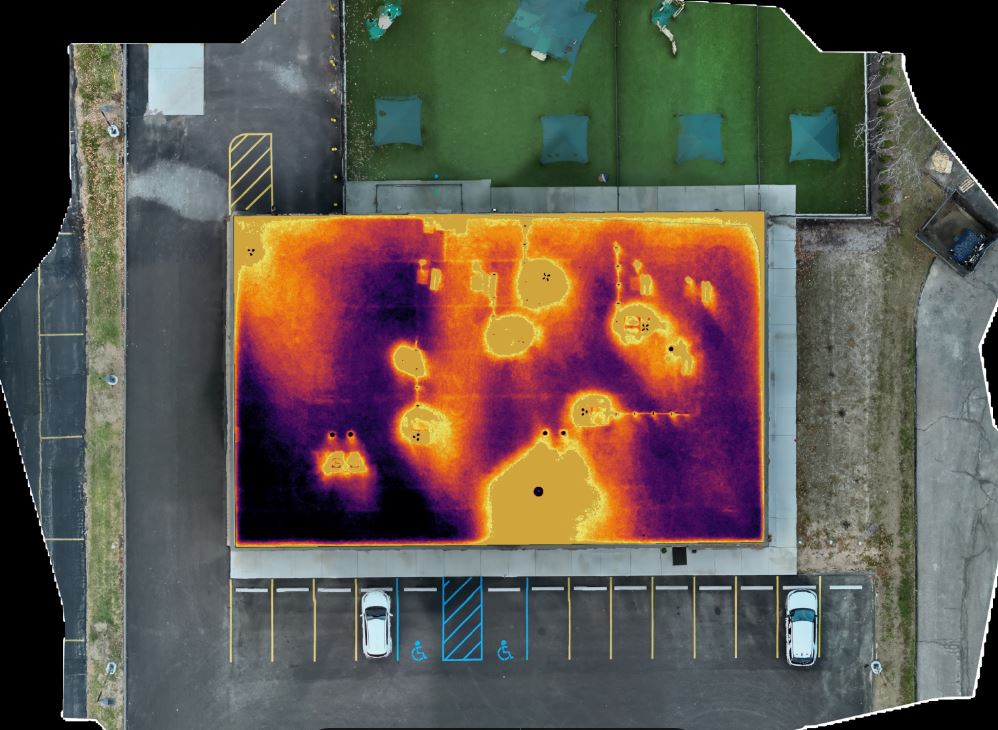
For marketing teams, asset managers, and property stakeholders, the value is not just operational. It is communicational. Aerial thermal imagery makes it easier to explain conditions to executives, boards, insurers, maintenance teams, and clients. Problems that are difficult to describe verbally often become immediately understandable when shown visually.

The Importance of Proper Timing in Thermal Roof Imaging

Infrared imaging is not simply a matter of flying a drone at any time of day. Roof thermal surveys are most effective when environmental conditions support meaningful temperature contrast. Factors such as sun exposure, cloud cover, wind, ambient temperature, roof composition, moisture content, and time of day all affect results.

In many cases, thermal roof inspections are performed during specific windows—often after the roof has absorbed daytime heat and is beginning to cool. That cooling cycle can help wet and dry areas present different thermal behavior. Proper flight planning and experienced interpretation are essential.

This is one reason why professional execution matters so much. Good thermal imaging is not just about having the camera. It is about understanding when and how to capture usable data, how to match thermal imagery with visible-light imagery, and how to present the findings clearly for the client’s objectives.
Applications for Businesses and Organizations

Infrared drone roof inspections are useful across many industries and organizational settings.

Commercial Real Estate

Property managers and owners can use thermal drone imaging to assess asset conditions, support maintenance planning, and provide documentation before lease negotiations, tenant improvements, or capital budgeting.

Industrial Facilities

Manufacturing plants, warehouses, and logistics centers often have large roof surfaces where small issues can become costly disruptions. Drone thermal surveys can help prioritize repairs and reduce the chance of undetected roof deterioration.
Schools and Universities

Educational campuses with multiple buildings benefit from efficient, repeatable inspections that reduce disruption and provide visual documentation for facilities departments and administrators.

Healthcare Facilities

Hospitals and medical properties need dependable roofing performance. Early detection of moisture intrusion and insulation issues can support preventative maintenance and help protect sensitive interior environments.

Retail and Hospitality

Thermal imaging can support roof maintenance efforts in facilities where visual appearance, occupant comfort, and uninterrupted operations all matter.

Insurance and Claims Support

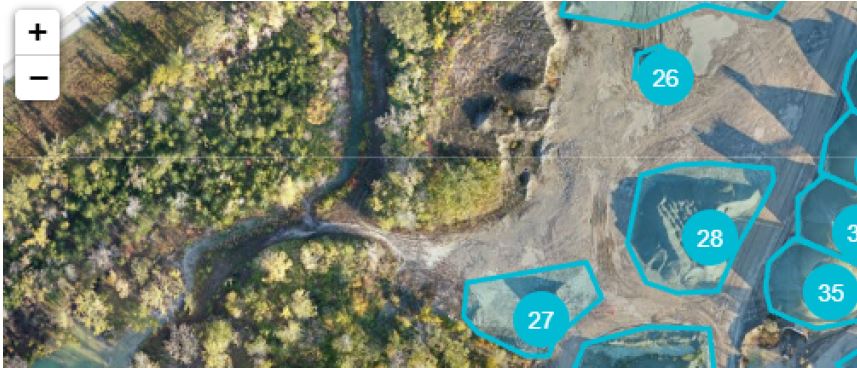
A documented visual and thermal record can be useful when evaluating storm damage, ongoing leaks, or disputed roof conditions. While infrared imaging is not a substitute for formal claims determination, it can provide valuable supporting documentation.
More Than Detection: Better Documentation and Better Decisions

One of the greatest strengths of drone-based infrared inspection is the quality of the documentation. Decision makers are often not physically present for the inspection itself. They depend on the clarity of the deliverables.

Professional drone imaging can produce:

  • High-resolution aerial stills
  • Thermal imaging overlays
  • Side-by-side visible and infrared comparisons
  • Wide roof context shots
  • Close-up anomaly imagery
  • Video documentation of roof areas and conditions
  • Archival visual records for future comparison

This makes the inspection more useful beyond the day of capture. The imagery can support maintenance logs, board presentations, insurance conversations, vendor coordination, repair planning, and property due diligence.

When organizations can see the issue more clearly, they can prioritize more intelligently. That leads to better budgeting, more targeted repairs, and fewer surprises.

The Role of Aerial Imaging in Preventative Maintenance

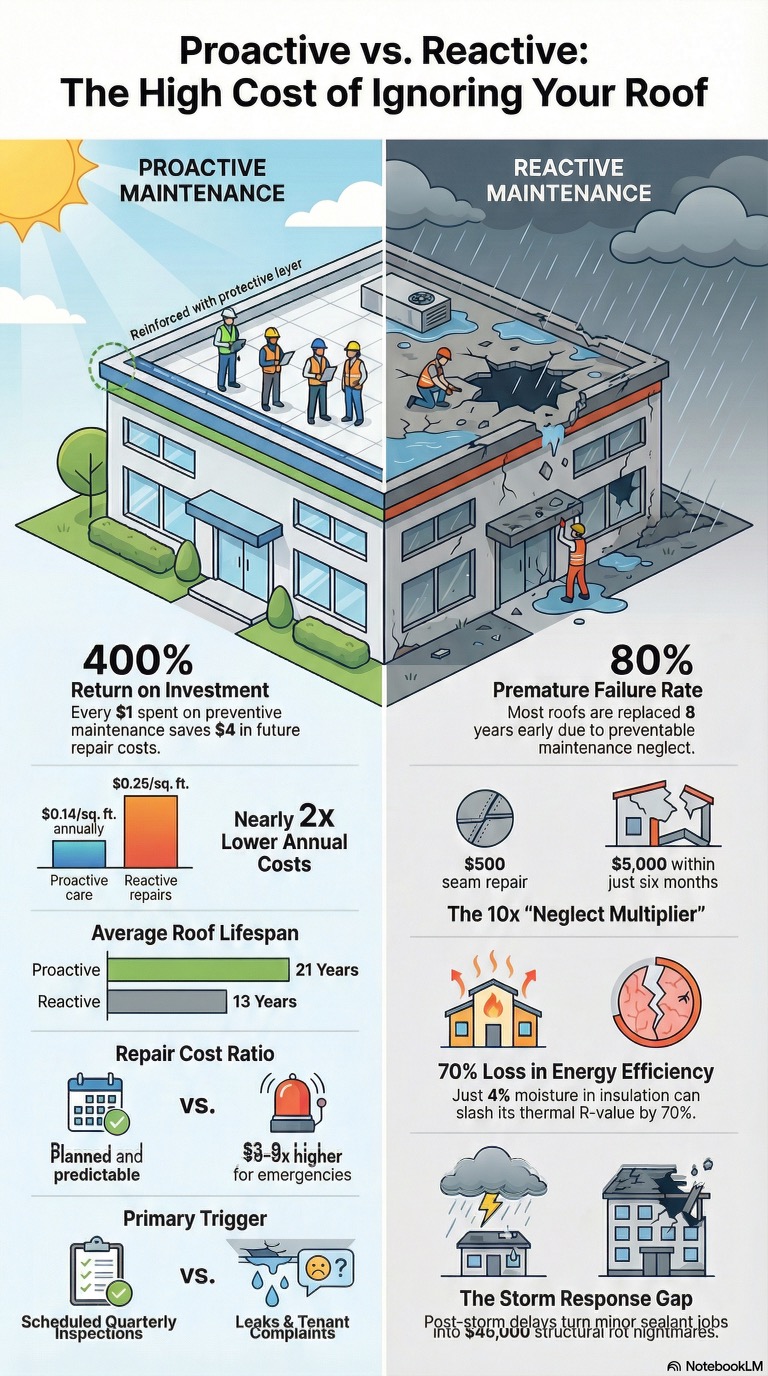
Too many roof issues are addressed only after leaks become visible indoors. By then, the costs may include not only roof repair, but damaged insulation, stained ceilings, interior finishes, disrupted operations, and potential mold remediation.
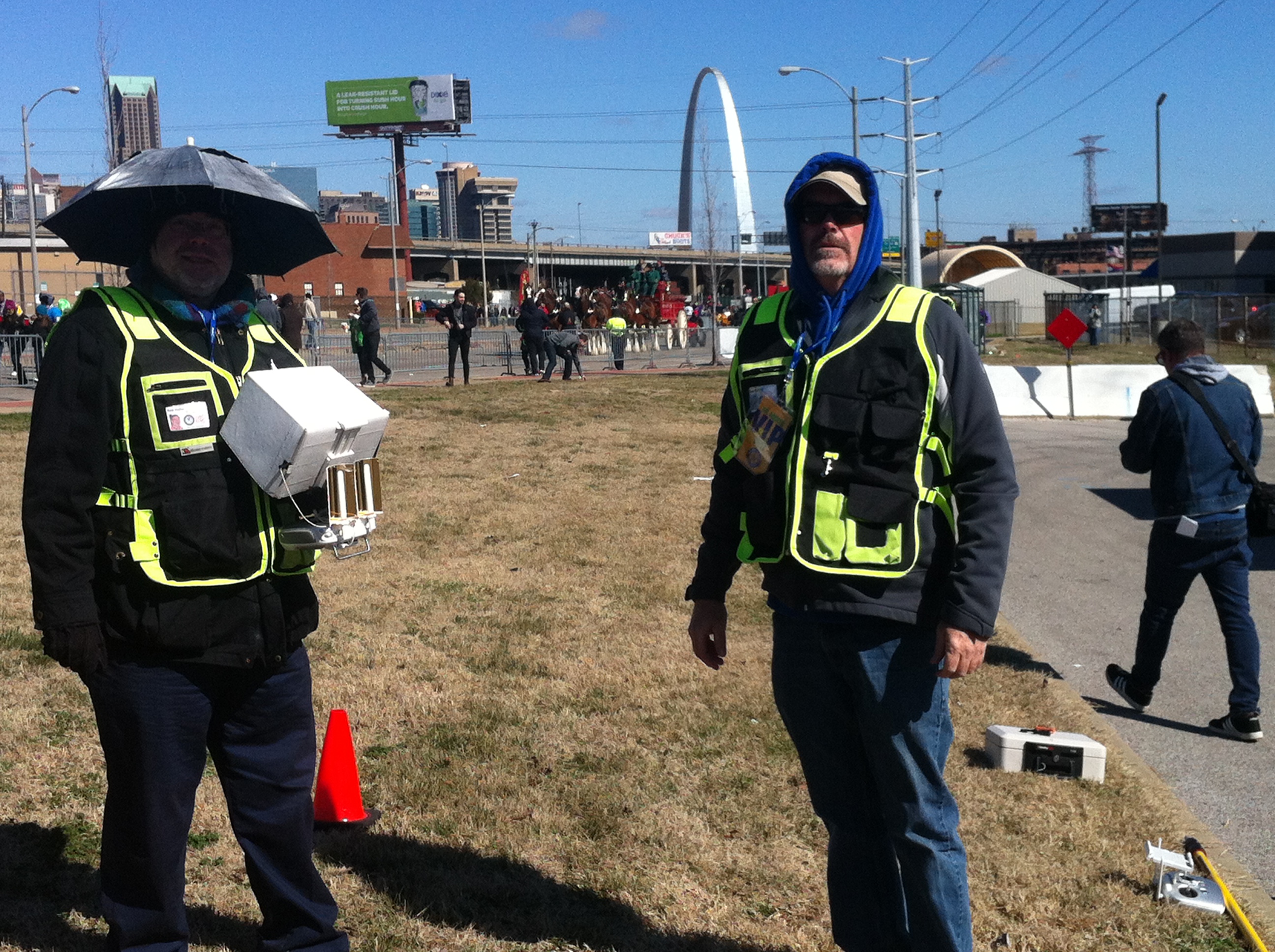
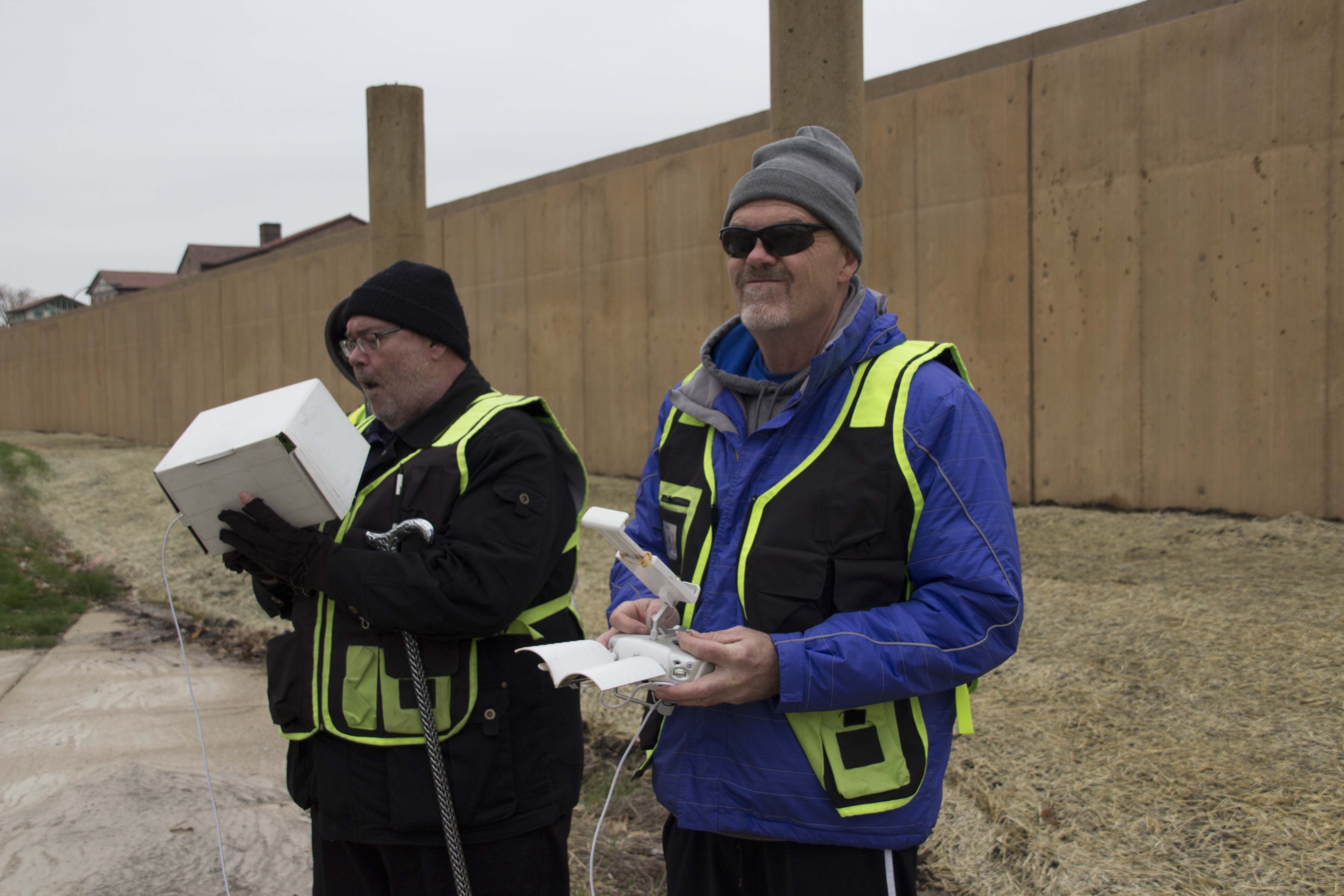
Infrared drone inspections support a more proactive maintenance strategy. Instead of waiting for a failure, organizations can identify suspicious areas earlier, investigate further, and address problems before they spread. This can extend roof life, reduce emergency repair costs, and improve long-term building performance.

Preventative maintenance is not just a facilities issue. It is a brand issue and an operational issue. Water intrusion, shutdowns, unsafe conditions, or deferred maintenance can affect employee experience, customer confidence, tenant satisfaction, and organizational credibility.

Why Visual Communication Matters to Modern Decision Makers

Today’s stakeholders expect visual proof, not vague descriptions. Whether the audience is a facilities director, CFO, marketing executive, property owner, or agency client, strong imagery helps move decisions forward.

This is where a company with real visual production expertise brings added value. Capturing usable infrared and aerial roof data is not only a technical exercise; it is also a communication exercise. The imagery must be clear, organized, accurate, and professionally delivered so that it works for real-world decision making.

That means combining technical drone operation with photography, video, composition, lighting knowledge, framing discipline, post-production, file management, and presentation experience. In other words, the difference is not just the drone. It is the production quality and the experience behind it.

Final Thoughts

Infrared drones have changed the way roof problems can be detected, documented, and communicated. For businesses and organizations responsible for protecting physical assets, reducing maintenance surprises, and making informed repair decisions, thermal drone inspections offer a safer, faster, and more insightful approach than relying on visual inspection alone.

When deployed correctly, infrared drone imaging can help reveal hidden moisture, insulation concerns, drainage issues, and other roof anomalies before they become more serious and more expensive. It provides valuable documentation, supports preventative maintenance, and gives stakeholders a clearer basis for action.
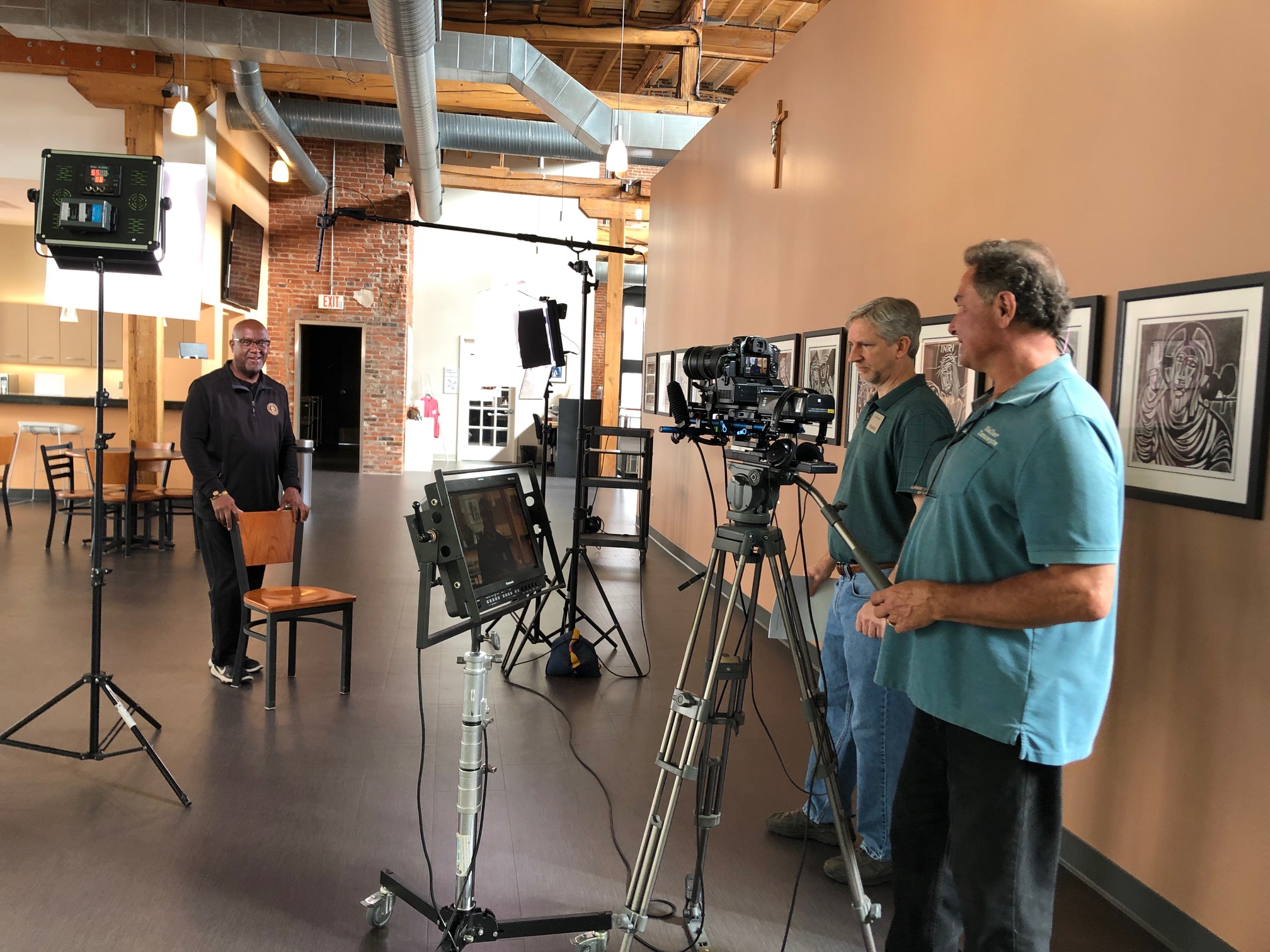
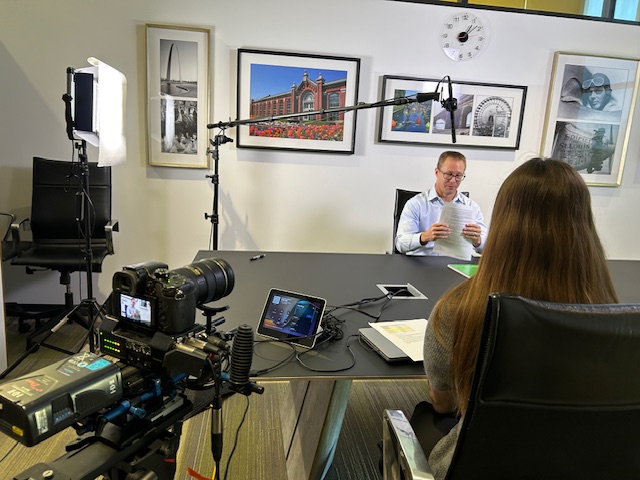
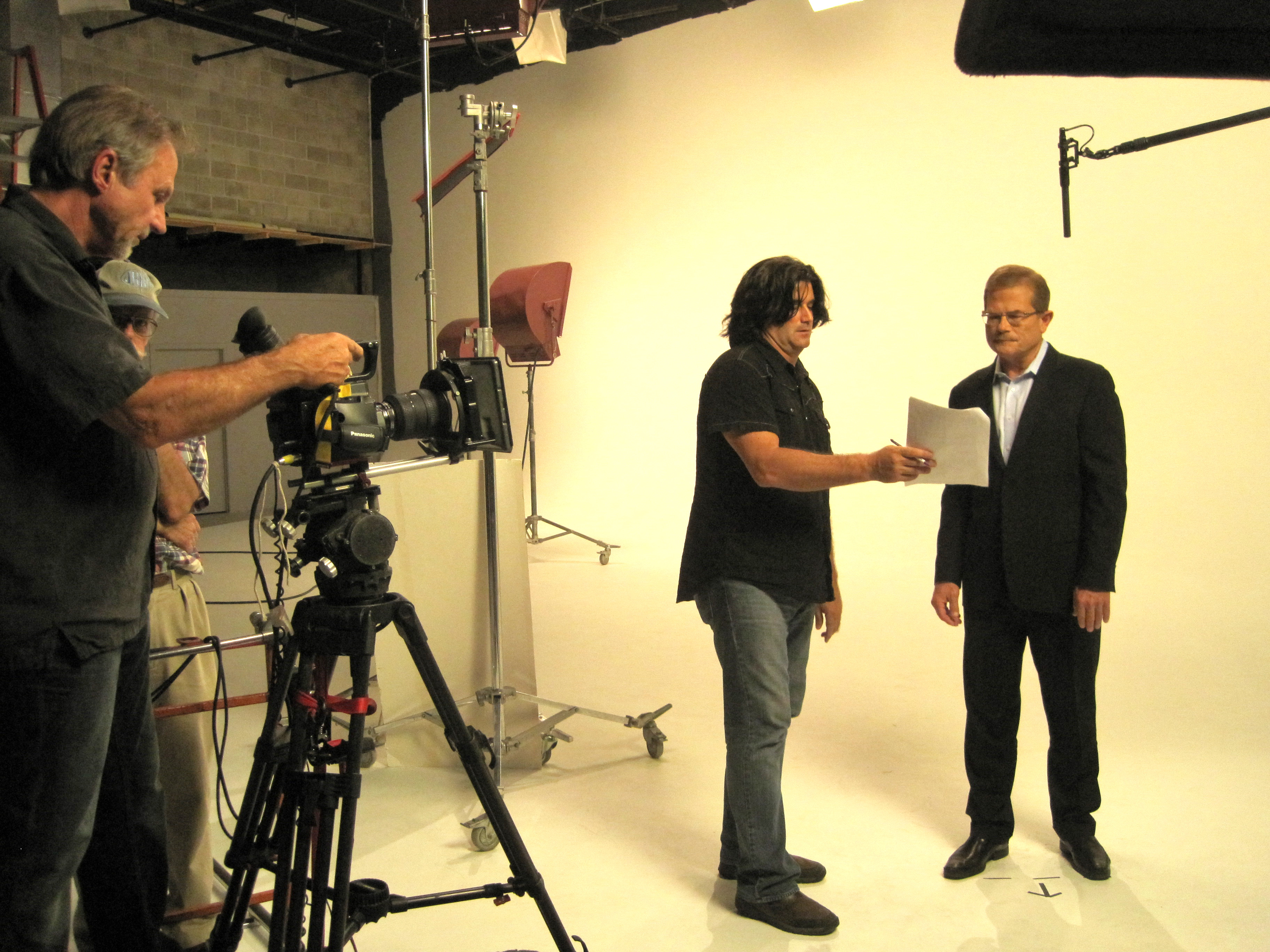
At Angel Eye Video Productions and Photography, we bring the experience, equipment, and visual production discipline needed for successful image acquisition. We are a full-service professional commercial photography and video production company serving businesses, marketing firms, and creative agencies in the St. Louis area since 1982. We offer full-service studio and location video and photography, as well as editing, post-production, and licensed drone services. Angel Eye Video Productions and Photography can customize your productions for diverse media requirements, and repurposing your photography and video branding to gain more traction is one of our specialties.

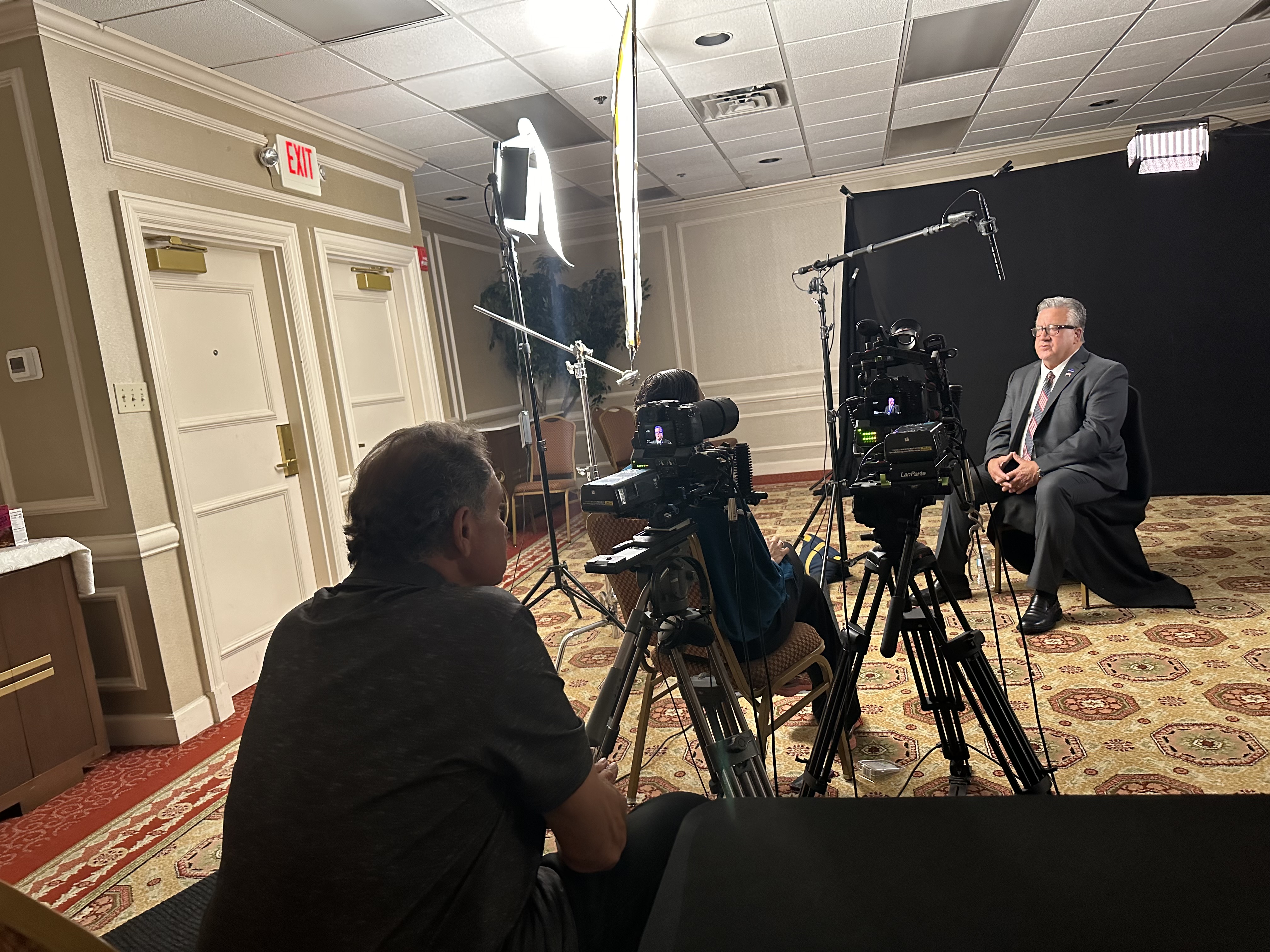
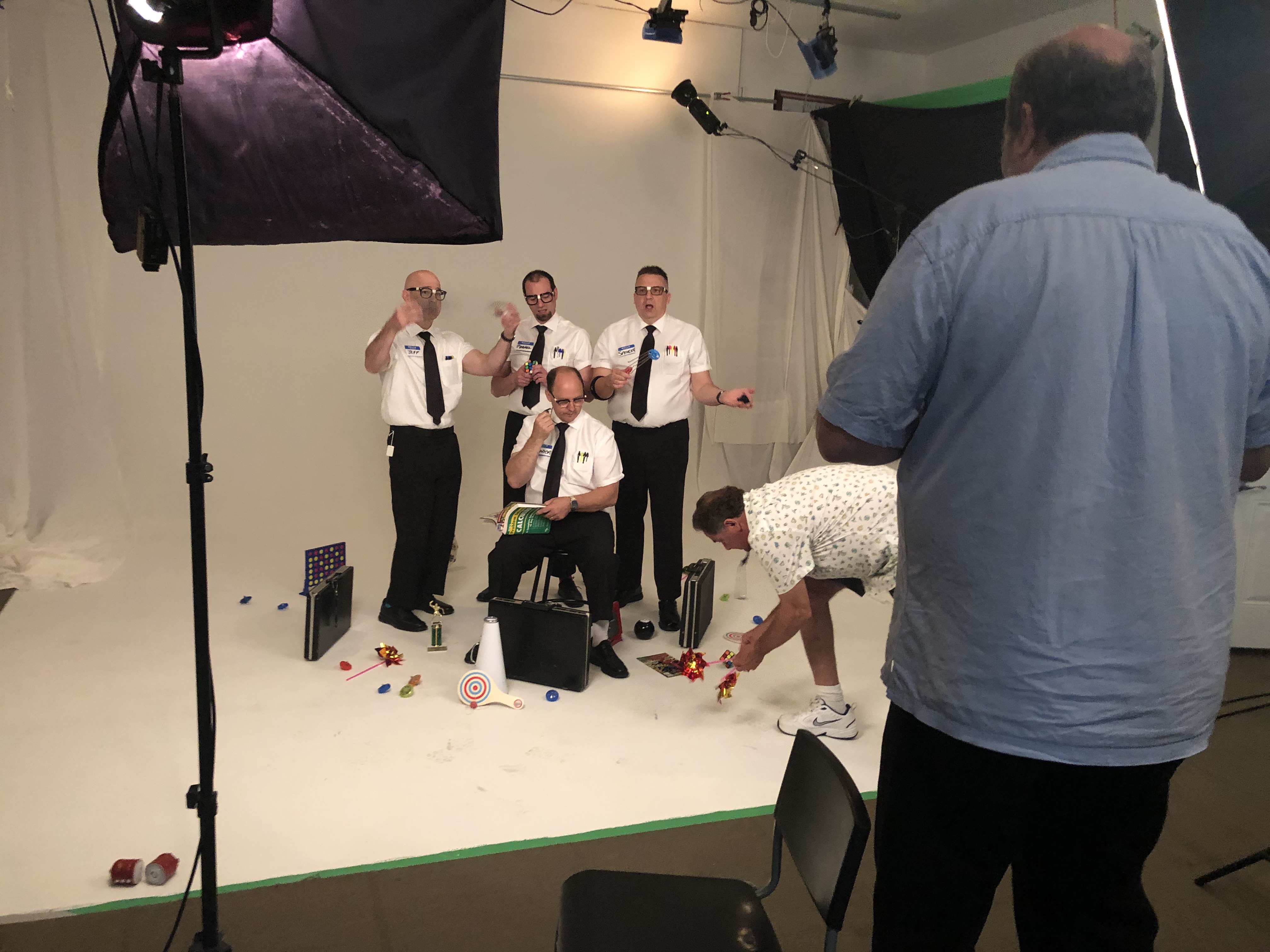
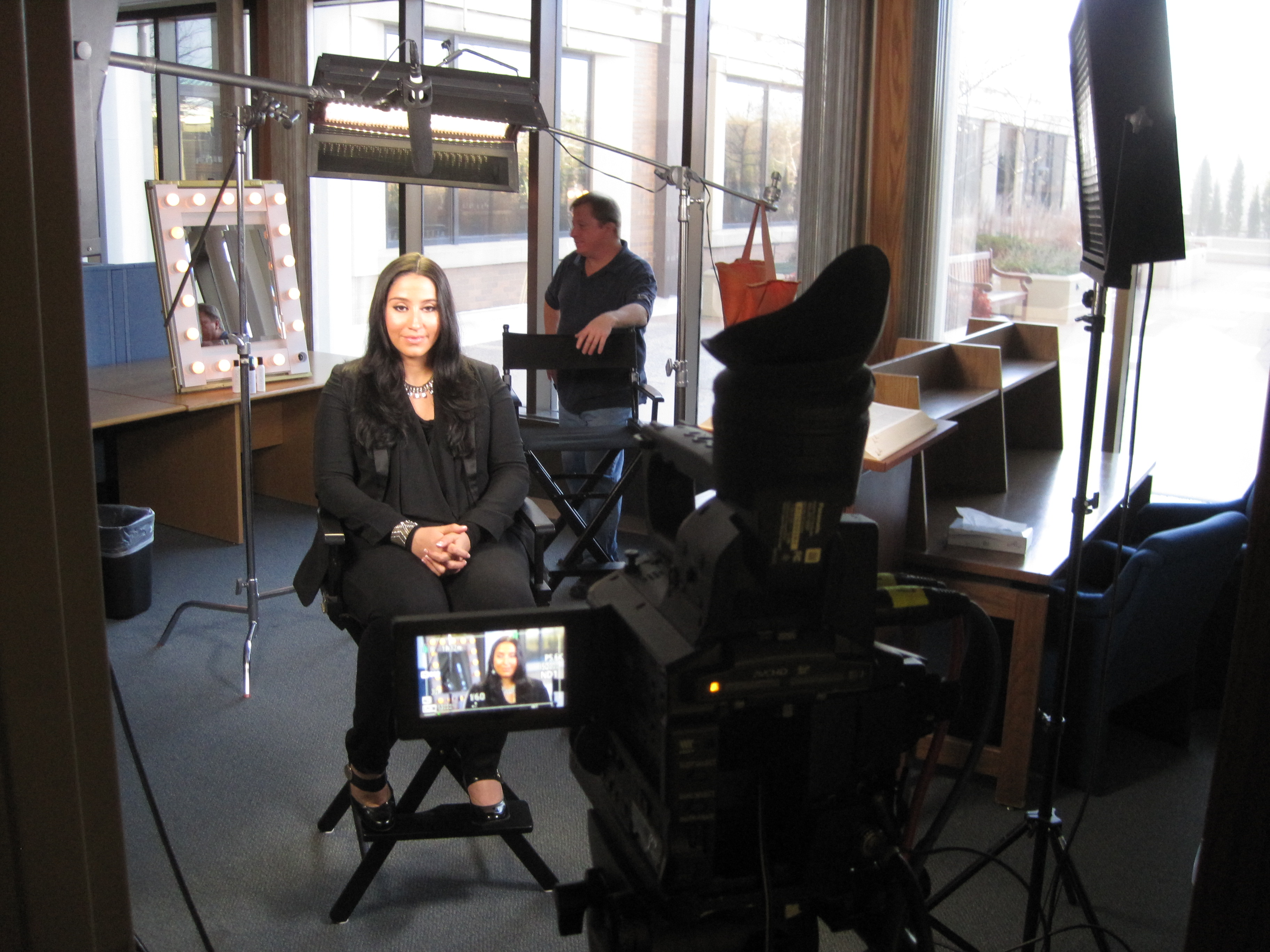
We are well-versed in all file types, media styles, and accompanying software, and we use the latest in Artificial Intelligence across our media services. Our private studio lighting and visual setup is ideal for small productions and interview scenes, and our studio is large enough to incorporate props that round out your set. We support every aspect of your production—from setting up a private custom interview studio to supplying professional sound and camera operators, as well as providing the right equipment—so your next video production is seamless and successful. We can even fly our specialized drones indoors.

When your organization needs more than generic aerial coverage—when you need meaningful visual information, polished deliverables, and an experienced creative crew—Angel Eye Video Productions and Photography is ready to help.
314-913-5626 stlouisvideos@gmail.com

Strategies for Cost-Effective Video and High-Value B-Roll in St. Louis

Marketing directors and business leaders face a constant tension: the need to feed multiple platforms—website headers, social media feeds, broadcast spots, internal communications—versus the constraints of quarterly budgets.

As experienced producers in the St. Louis market, we often hear the same directive: “We need more video, and we need it to be cost-effective.”

However, in professional commercial production, “cost-effective” should never mean “cheap.” Cheap video damages brand reputation. Cost-effective video, conversely, is about strategic asset acquisition. It’s about maximizing the Return on Investment (ROI) for every hour spent on set.

The secret to achieving this isn’t cutting corners on crew expertise or equipment quality. The secret lies in smart planning and elevating the role of the most undervalued asset in production: B-Roll.

Redefining B-Roll: Your Visual Inventory

To the uninitiated, “B-roll” often sounds like secondary, leftover footage. In reality, it is the visual glue that holds your brand narrative together.

A-Roll is your primary subject—the CEO interview, the scripted spokesperson delivering the core message. B-Roll is everything else: the slow-motion shot of your product being manufactured, the dynamic footage of your team collaborating in your St. Louis office, drone establishing shots of your facility, or customer interactions.

If A-Roll is the voice of your story, B-Roll is the evidence.

From a budgetary perspective, high-quality B-roll is vastly more valuable than a single-use interview because it is inherently repurposable. A well-shot sequence of your operations can be used in a recruitment video today, a broadcast commercial next month, and randomized social media clips for the entire year.

Strategies for Cost-Effective Image Acquisition in St. Louis

To move from reactive video spending to proactive content investment, decision-makers need to adopt a strategic approach to shoot days. Here is how we maximize budgets for our St. Louis clients:

1. The “Hybrid” Shoot Day

The most inefficient workflow is hiring a photographer for one day and a video crew for another to capture the exact same subject matter.

A cost-effective approach involves a coordinated hybrid shoot. By utilizing a crew experienced in dual-role acquisition, we can capture high-resolution commercial photography alongside cinematic video footage simultaneously. You get your print assets and your digital video assets in a single, unified production effort, significantly reducing labor and logistical costs.

2. Shooting for the Library, Not Just the Project

Don’t approach a shoot with only one final deliverable in mind (e.g., “We need one 30-second TV spot”).

Instead, approach the shoot with a “content library” mindset. If we are already on location with lighting set and talent prepped, the marginal cost to capture an extra hour of diverse B-roll is minimal. That extra hour provides a reservoir of footage that your marketing team can draw from for months, preventing the need to schedule entirely new productions for minor content needs.

3. Leveraging Local Logistics

St. Louis has diverse locations, but navigating them efficiently requires local knowledge. A local production team knows how to minimize travel time between the Central West End and Chesterfield, knows where the light hits certain architecture best at 4:00 PM, and understands local permitting. Minimizing logistical friction means more time for actual image acquisition.

4. The Role of Technology in Efficiency

Modern production isn’t just about cameras; it’s about workflow software and emerging technologies. We now utilize Artificial Intelligence tools in post-production for tasks like rapid footage logging, transcription, and initial color grading procedures. By streamlining the labor-intensive parts of editing, we reduce billable post-production hours, allowing your budget to focus on creative execution rather than technical grunt work.

The Long-Term View

A cost-effective video strategy isn’t about finding the lowest bidder. It’s about finding a production partner who understands your business goals and knows how to capture a versatile library of visual assets that will pay dividends long after the shoot wraps.


Partnering for Success with St. Louis Commercial Video Production

To execute a cost-effective, high-yield video strategy, you need more than just a camera operator; you need a full-service production partner.

Since 1982, St. Louis Commercial Video Production has worked with countless businesses, marketing firms, and creative agencies throughout the St. Louis area. We understand that successful image acquisition requires the perfect blend of experienced creative crews and the right professional equipment.

We are a true full-service corporation. We handle every aspect of your production, from initial concept to final export. This includes supplying professional sound engineers and camera operators for on-location shoots, as well as managing complex editing and post-production workflows. We are well-versed in all file types, media styles, and accompanying software, ensuring seamless delivery for any platform.

Our Specialized Capabilities Include:

  • Advanced Technology Integration: We use the latest in Artificial Intelligence across our media services to enhance efficiency and quality in post-production.
  • Studio Solutions: Our private studio offers a controllable lighting and visual setup perfect for interviews and small productions. It is large enough to incorporate props to round out your set, creating bespoke environments for your brand.
  • Aerial Cinematography: We provide licensed drone services, with specialized equipment capable of flying indoors for unique operational perspectives, as well as expansive outdoor establishing shots.
  • Content Repurposing: We specialize in taking high-quality video and photography branding assets and repurposing them to gain more traction across diverse media requirements, maximizing the lifespan of your investment.

When you need a production that is both seamless and successful, rely on the decades of experience at St. Louis Commercial Video Production to deliver exceptional value.

314-913-5626 stlouisvideos@gmail.com

How FLIR Drone Thermography Finds Hidden Leaks and Moisture in Commercial Properties

Commercial buildings rarely fail overnight. They fail quietly—through slow leaks, trapped moisture, and wet insulation that no one can see until you’re dealing with stained ceilings, mold, or a full-blown roof failure. By the time water damage becomes obvious, the repair cost—and operational disruption—can be significant.

That’s where FLIR infrared thermography drones change the game.

As imaging specialists, we see more and more facility managers, property owners, and marketing teams using thermal drone inspections not just as a maintenance tool, but as part of a broader visual documentation strategy for their properties. It’s faster, safer, and dramatically more informative than traditional “walk the roof with a flashlight” inspections.


Why Moisture Is So Hard to Find on Commercial Properties

On a typical commercial site—especially those with flat or low-slope roofs—you’re dealing with multiple layers:

  • Roof membrane and coatings
  • Insulation layers
  • Decking, structural elements, and penetrations
  • HVAC units, drains, parapets, and flashing
  • Exterior walls, window systems, and building envelope transitions

Water rarely drips straight down from where it entered. It migrates along seams, fasteners, and structural members, often pooling or saturating insulation several feet—or several rooms—away from the original entry point. Add to that:

  • Nighttime cooling that hides visual cues
  • Drying cycles that mask stains
  • Multiple trades (roofers, HVAC, electricians, plumbers) making penetrations over time

The result: even an experienced facility team may miss developing problems until there’s visible damage.


How FLIR Infrared Drone Thermography Works

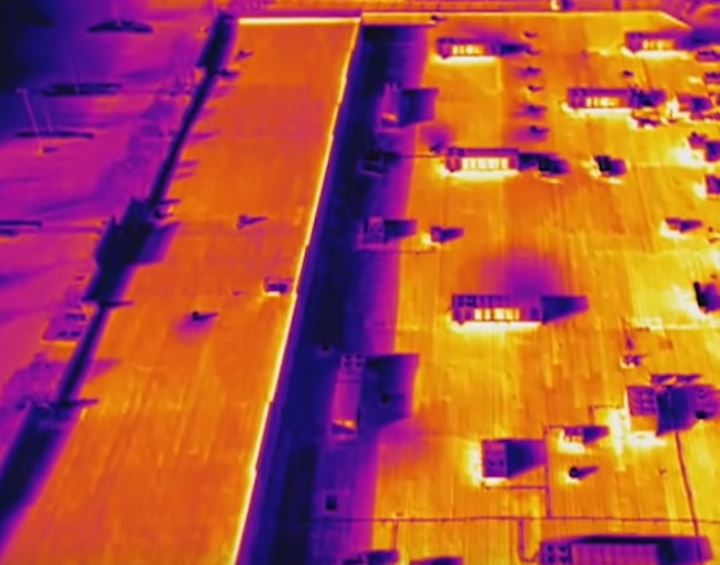
FLIR (Forward Looking Infrared) cameras detect very subtle differences in surface temperature. When mounted on a high-resolution drone platform, they allow us to scan large commercial structures quickly, safely, and with a consistent, repeatable flight pattern.

Here’s what’s happening technically:

  • Moisture changes thermal behavior. Wet insulation and building materials retain heat differently than dry materials. After solar loading during the day, they cool at a different rate.
  • Thermal cameras see those differences. The FLIR sensor doesn’t “see water directly”—it visualizes the temperature pattern caused by moisture and trapped water.
  • Experienced interpretation matters. Thermal patterns can be influenced by structure, materials, and HVAC airflow. You need trained operators and experienced imaging professionals to distinguish actual moisture anomalies from false positives.

As commercial video and imaging producers, we combine this thermographic data with high-resolution visible-light photography and video so decision makers can understand both the science and the story of what’s happening on their property.


Key Applications for FLIR Drone Moisture Detection

1. Flat and Low-Slope Commercial Roofs

This is the most common—and high-value—use case.

FLIR-equipped drones can:

  • Scan large roof areas rapidly, even on multi-building campuses
  • Identify saturated insulation beneath membranes and coatings
  • Highlight problematic seams, flashing, and penetrations
  • Support warranty claims, insurance documentation, and repair prioritization

Instead of guessing where to core, cut, or patch, your roofing and facilities teams can use precise, thermographically indicated locations as a starting point. That means less disruption, fewer unnecessary cuts, and a clearer path to targeted repairs.


2. Moisture in Walls, Facades, and Building Envelopes

Exterior walls and cladding systems often conceal moisture behind:

  • EIFS or stucco systems
  • Panelized metal or composite façades
  • Masonry veneer
  • Window and door assemblies

From the air, FLIR drone thermography can reveal:

  • Areas where trapped moisture is accumulating behind exterior surfaces
  • Thermal bridging issues and insulation failures
  • Possible air leakage paths impacting HVAC efficiency

These insights help building owners and engineers address envelope problems before they become structural issues or indoor air quality problems.


3. Parking Decks, Plazas, and Elevated Slabs

Concrete structures can trap water above occupied spaces, mechanical rooms, or retail areas. FLIR surveys can:

  • Highlight saturated areas in plaza decks and roof parking structures
  • Indicate potential waterproofing membrane failures
  • Help prioritize testing, repairs, and re-coating schedules

Combined with visual imaging, this provides a clearer picture for structural engineers, property managers, and risk managers.


4. Mechanical, Plumbing, and HVAC-Related Moisture

Thermal drone imaging can also support diagnostics around:

  • Roof-mounted HVAC units and condensation management
  • Mechanical chases and plenums where moisture is suspected
  • Areas around drain lines, scuppers, and overflow systems

Used in conjunction with interior inspection, localized handheld thermography, and video documentation, this creates a comprehensive moisture assessment for complex sites.


Why Drones Are Safer and More Efficient for Leak Detection

Traditional methods—ladders, manlifts, and walking roofs—can be:

  • Time-consuming
  • Dangerous, especially on aging or saturated structures
  • Limited in perspective (you see only what’s beneath your feet)

With a FLIR-capable drone:

  • No one has to step onto a compromised roof until you know what you’re walking into.
  • Complex or multi-level structures are easier to cover in a single session.
  • Operational disruption is minimized—flights can be planned for off-peak hours.

Because St. Louis Commercial Video Production is already set up for controlled aerial operations, we bring the same disciplined approach to thermal inspections that we bring to aerial video production—preflight planning, location safety evaluation, and precise flight paths.

And when needed, we can also fly specialized drones indoors for certain thermal and visual documentation requirements where it is safe and appropriate to do so.


What Decision Makers Actually Get from a FLIR Drone Inspection

From a business perspective, the value is not just the flight—it’s the deliverables and how clearly they support your decision-making.

A typical FLIR drone moisture/thermal package can include:

  • Thermal orthomosaic maps of your roof or property
  • High-resolution RGB (visible-light) imagery aligned with thermal data
  • Annotated stills showing suspect moisture areas with clear callouts
  • Short explanation videos walking your internal team, contractors, or executives through the findings
  • Time- and date-stamped documentation useful for insurers, roofing manufacturers, and legal or compliance records

Because we are a commercial video and photography production company first, we understand how to present technical information in a way that’s clear, visually compelling, and easy to share within your organization and with your vendors.


Integrating Thermal Inspections into Your Visual Asset Strategy

Forward-thinking organizations aren’t treating thermal drone work as a one-off expense—they’re folding it into a broader visual asset and documentation strategy:

  • Pairing FLIR moisture scans with annual marketing imagery of facilities
  • Capturing B-roll and stills of buildings, campuses, and operations during the same flight window
  • Building a visual history of roofs and building envelopes over time to support long-term capital planning

Because we handle both technical documentation and brand-focused media, you can leverage one coordinated shoot to serve:

  • Facilities and operations
  • Risk management and compliance
  • Marketing and communications
  • Executive presentations and investor communications

That’s where a seasoned commercial video production partner delivers significantly more ROI than a “drone-only” vendor.


Why Partner with St. Louis Commercial Video Production

FLIR infrared thermography drone inspections are highly effective on commercial properties—but only when combined with the right experience in imaging, production, and on-site logistics. That’s where St. Louis Commercial Video Production stands apart.

As an experienced, full-service professional commercial photography and video production company, we bring the right equipment and creative crew service experience for successful image acquisition in demanding environments. We offer full-service studio and location video and photography, as well as editing, post-production and licensed drone pilots who understand both FAA compliance and the realities of working on active commercial properties.

St. Louis Commercial Video Production can customize your productions for diverse types of media requirements, whether that’s a FLIR thermographic roof survey, a facility overview film, or a library of stills and video clips to support your marketing initiatives. Repurposing your photography and video branding to gain more traction is another specialty—we help you get more value from every frame we capture.

We are well-versed in all file types and styles of media and accompanying software, ensuring smooth integration with your internal systems, engineering platforms, and marketing workflows. We also use the latest in Artificial Intelligence for all our media services, from noise reduction and enhancement to intelligent tagging, indexing, and content repurposing.

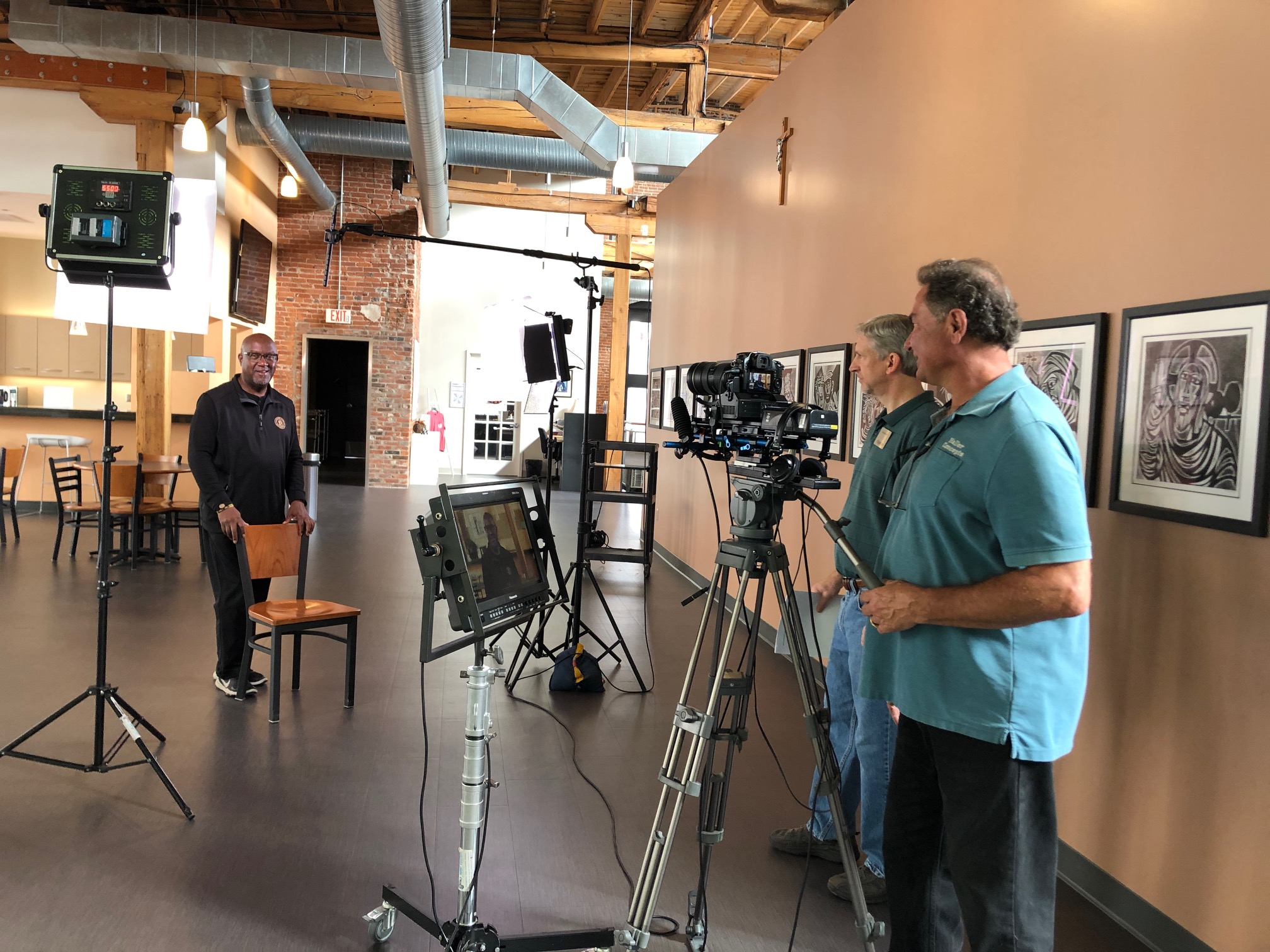
Our private studio lighting and visual setup is perfect for small productions and interview scenes, and our studio is large enough to incorporate props to round out your set. We support every aspect of your production—from setting up a private, custom interview studio to supplying professional sound and camera operators, as well as providing the right equipment—ensuring your next video production is seamless and successful. When needed, we can fly our specialized drones indoors for select visual and thermal applications where conditions allow.

As a full-service video and photography production corporation since 1982, St. Louis Commercial Video Production has worked with many businesses, marketing firms, and creative agencies in the St. Louis area for their marketing photography and video. If you’re ready to see what’s really happening on (and inside) your commercial properties—and turn those insights into powerful visuals for both maintenance and marketing—our team is ready to help.
314-913-5626 stlouisvideos@gmail.com

Common Hurdles in Safety Video Production and Easy Wins

As a seasoned professional in commercial video production, I’ve witnessed firsthand the critical role that effective safety and training videos play in modern businesses and organizations. They are not merely a compliance checkbox; they are a vital investment in employee well-being, operational efficiency, and legal protection. Yet, many organizations stumble over common hurdles that dilute the impact of their safety messaging.
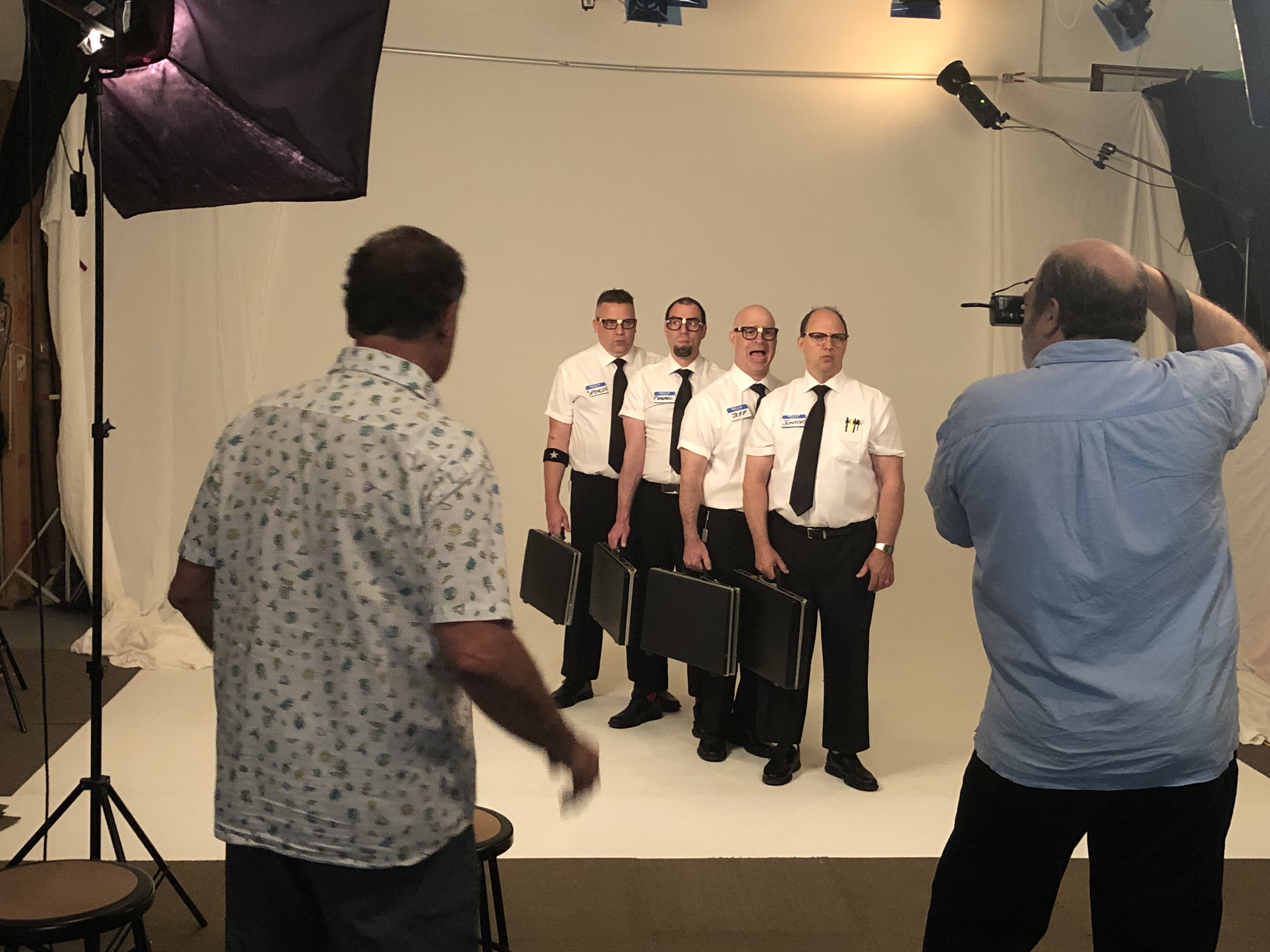
From our vantage point at Angel Eye Video Productions and Photography, we understand that decision-makers—in marketing, operations, and executive leadership—require content that is not only accurate but also engaging enough to ensure retention and behavioral change.

Here, we dissect the most frequent challenges in safety video production and offer practical, “easy wins” to elevate your next project from mandatory to memorable.


Hurdle 1: The “Boredom Factor” – Lack of Engagement

The most common failing of safety content is that it’s mind-numbingly dull. Employees are conditioned to tune out lengthy, text-heavy, or passively-narrated videos, especially in a world saturated with dynamic media. If your video feels like reading an instruction manual aloud, it has already failed.

Easy Win: Embrace Cinematic Storytelling and Pacing.

  • Show, Don’t Just Tell: Instead of a narrator stating, “Always wear a hardhat,” show a brief, high-impact scene illustrating the consequences of not wearing one (a near-miss, for example, emphasizing the kinetic energy involved).
  • Vary the Shots: Use diverse camera angles, including close-ups on the critical steps or equipment, establishing shots of the environment, and point-of-view (POV) shots to put the viewer in the action.
  • Interview Peers: Include short, genuine testimonials from experienced employees. Hearing a relatable peer discuss a safety practice is often more compelling than an anonymous voiceover.
  • Incorporate Motion Graphics: Use animated text and graphics to highlight key statistics, acronyms, or steps, breaking up the visual monotony.

Hurdle 2: Overly Generic or Abstract Scenarios

Many template safety videos use actors and settings that do not accurately reflect the audience’s actual workspace, leading employees to think, “That doesn’t apply to my job.” Abstract instructions are difficult to internalize and apply practically.

Easy Win: Hyper-Realistic, Site-Specific Context.

  • Shoot on Location: Film the training in your actual facility, using your equipment, and featuring your staff (where appropriate and consented). This instantly increases relatability and credibility.
  • Focus on ‘The Why’: Clearly articulate the immediate benefit of the procedure. For example, instead of just how to set up a fall-protection harness, explain that the specific action ensures a rapid rescue and prevents severe injury.
  • Demonstrate the Proper Tools: Ensure the equipment shown in the video is the exact model and type used by your team. Discrepancies lead to confusion and a breakdown of trust in the training.

Hurdle 3: Poor Technical Execution – Compromised Clarity

A video with subpar lighting, muffled audio, or shaky camera work undermines the professionalism of your entire operation. If the training is difficult to see or hear, the message is lost, and the organization’s commitment to safety may be perceived as low-effort.

Easy Win: Insist on Professional-Grade Equipment and Expertise.

  • Crisp Audio is Non-Negotiable: Invest in professional-grade microphones (lavalier, boom, etc.) and sound mixing. If people can’t clearly hear the instructions over background noise, the video is useless.
  • Master the Lighting: Safety instructions often take place in challenging environments (warehouses, factory floors, construction sites). Expert lighting is required to properly illuminate the subjects and, crucially, the detail of the procedure being demonstrated.
  • High-Resolution Detail: Use cameras capable of high-resolution image acquisition to ensure that detailed shots—such as reading a gauge, securing a lock, or checking a label—are perfectly clear on all playback devices. Specialized cameras and macro lenses may be necessary.

Hurdle 4: One-Size-Fits-All Delivery

Modern media consumption is diverse. A single, lengthy video is ineffective for on-the-go reference, pre-shift reminders, or different departments with varied needs.

Easy Win: Modular Content for Multi-Platform Repurposing.

  • Create “Micro-Lessons”: Instead of a 30-minute video, produce five 5-minute segments, each focused on a single key topic. This facilitates easier scheduling, faster review, and better retention.
  • Design for Diverse Media: Plan the shoot to acquire content for various outputs:
    • Full Video for formal training sessions.
    • Short Vertical Clips (Reels/Shorts) for quick social media reminders or internal safety communications.
    • High-Quality Stills for accompanying safety posters, compliance manuals, and website use.
    • Drone Footage for capturing large-scale site overviews, evacuation routes, or equipment placement that can’t be safely captured from the ground.

Why Angel Eye Video Productions and Photography is Your Partner for Success

Overcoming these common hurdles requires more than just a camera; it demands a strategic, creative, and experienced approach.

Angel Eye Video Productions and Photography is a full-service professional commercial photography and video production company, operating as a corporation since 1982. Our longevity in the St. Louis area, working with countless businesses, marketing firms, and creative agencies, is a testament to our expertise in successful image acquisition for corporate branding and training.

We possess the right equipment and a creative crew service experience to make your next safety or training project seamless and successful.

  • Comprehensive Service: We offer full-service studio and location video and photography, as well as editing, post-production, and licensed drone pilots. We can even fly our specialized drones indoors to safely capture unique perspectives within complex facilities.
  • Customization and Repurposing: We customize your productions for diverse types of media requirements. Repurposing your photography and video branding to gain more traction is a specialty—we are well-versed in all file types, styles of media, and accompanying software to ensure your content works everywhere.
  • Cutting-Edge Technology: We use the latest in Artificial Intelligence for all our media services, enhancing everything from color correction and stabilization to detailed post-production analysis.
  • State-of-the-Art Studio: Our private studio lighting and visual setup is perfect for small productions and interview scenes, and is large enough to incorporate props to round out your set.
  • Full Production Support: We support every aspect of your production—from setting up a private, custom interview studio to supplying professional sound and camera operators, as well as providing the right equipment—ensuring your next video production is successful.

When the safety of your team and the efficiency of your operations are on the line, partner with a production team that brings four decades of expert insight and technical excellence to the field.

Shari Haller 314-913-5626 stlouisvideos@gmail.com

B-Roll Ideas to Make Your Marketing Interviews Stand Out

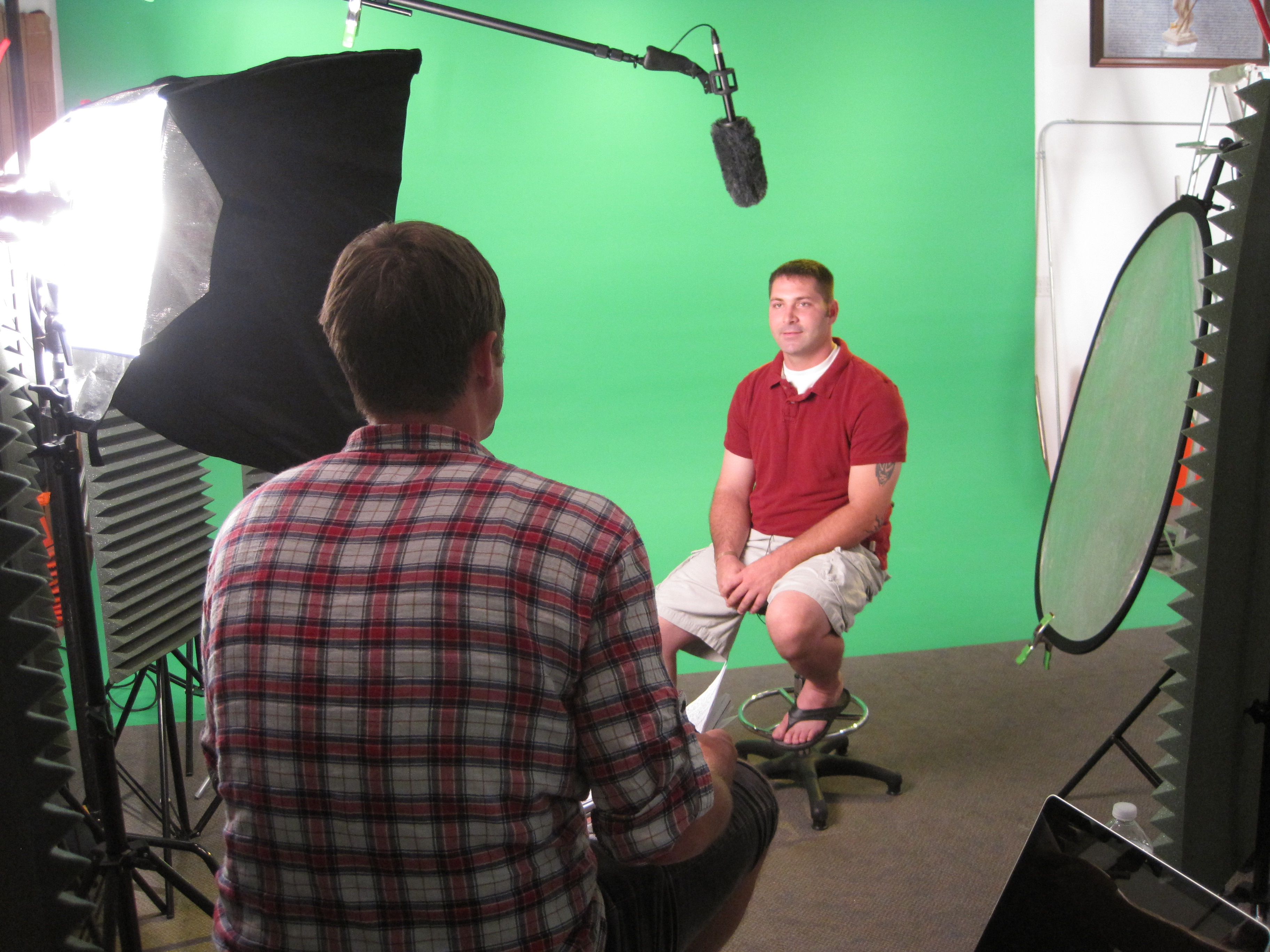
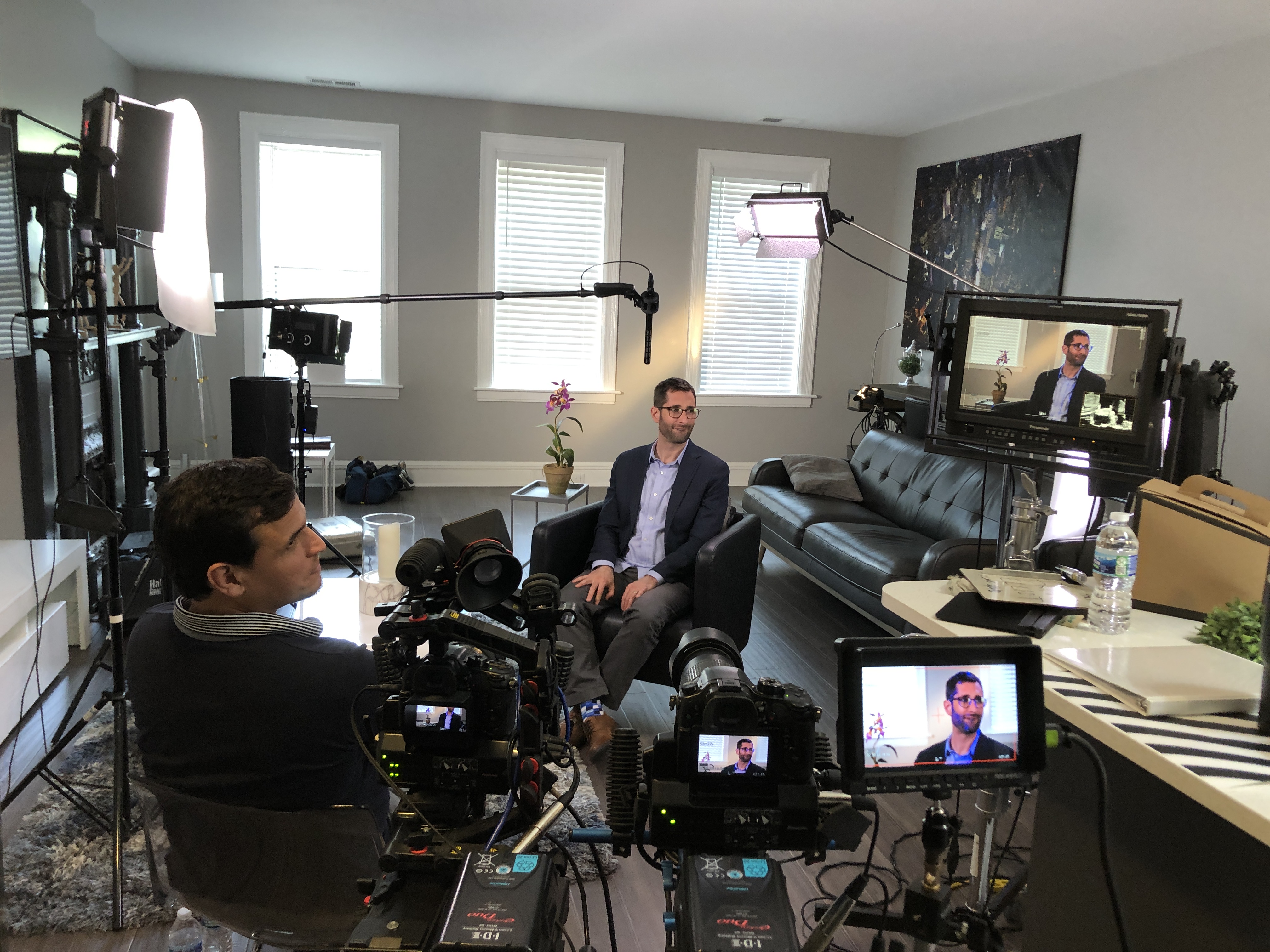
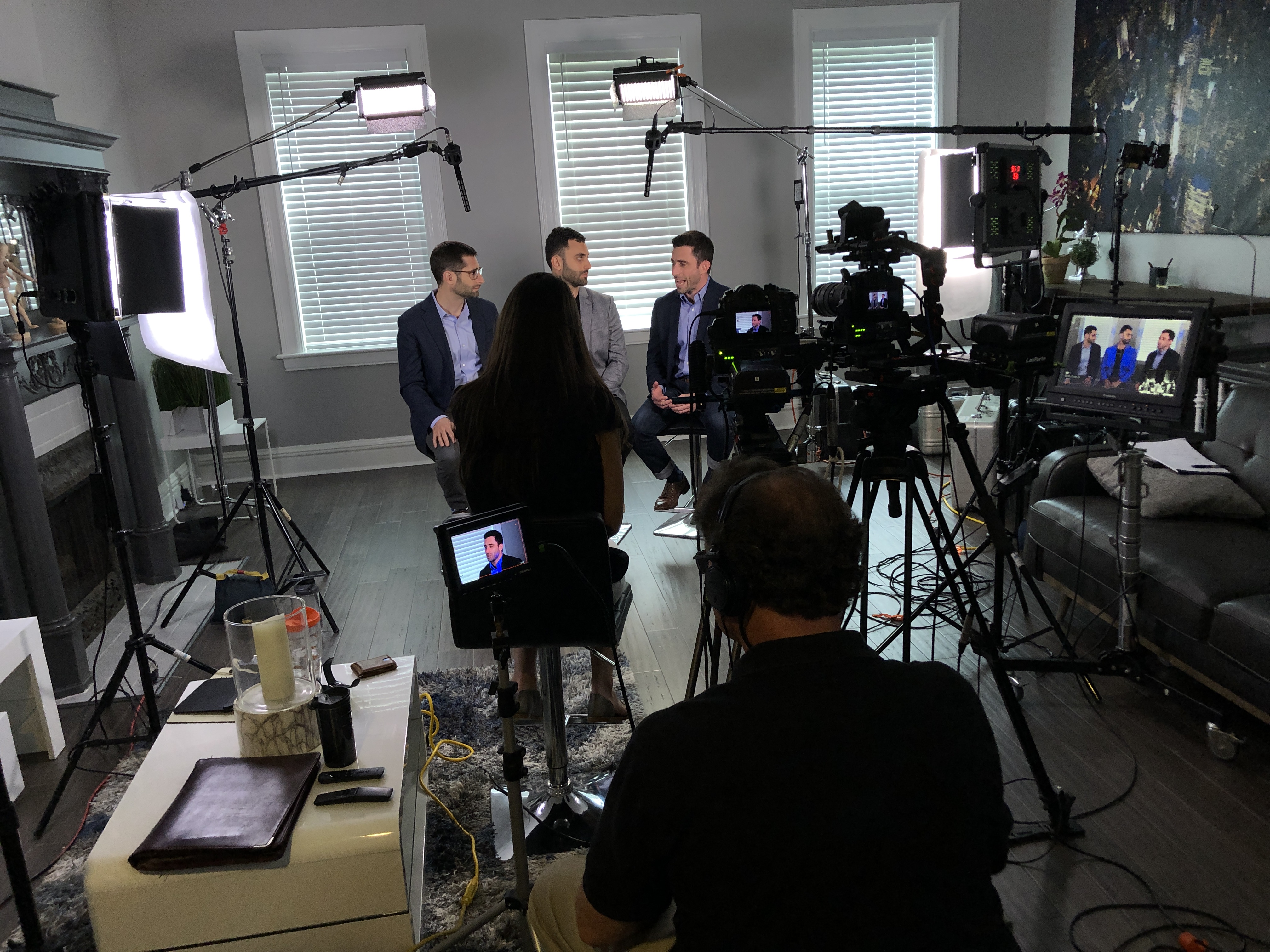
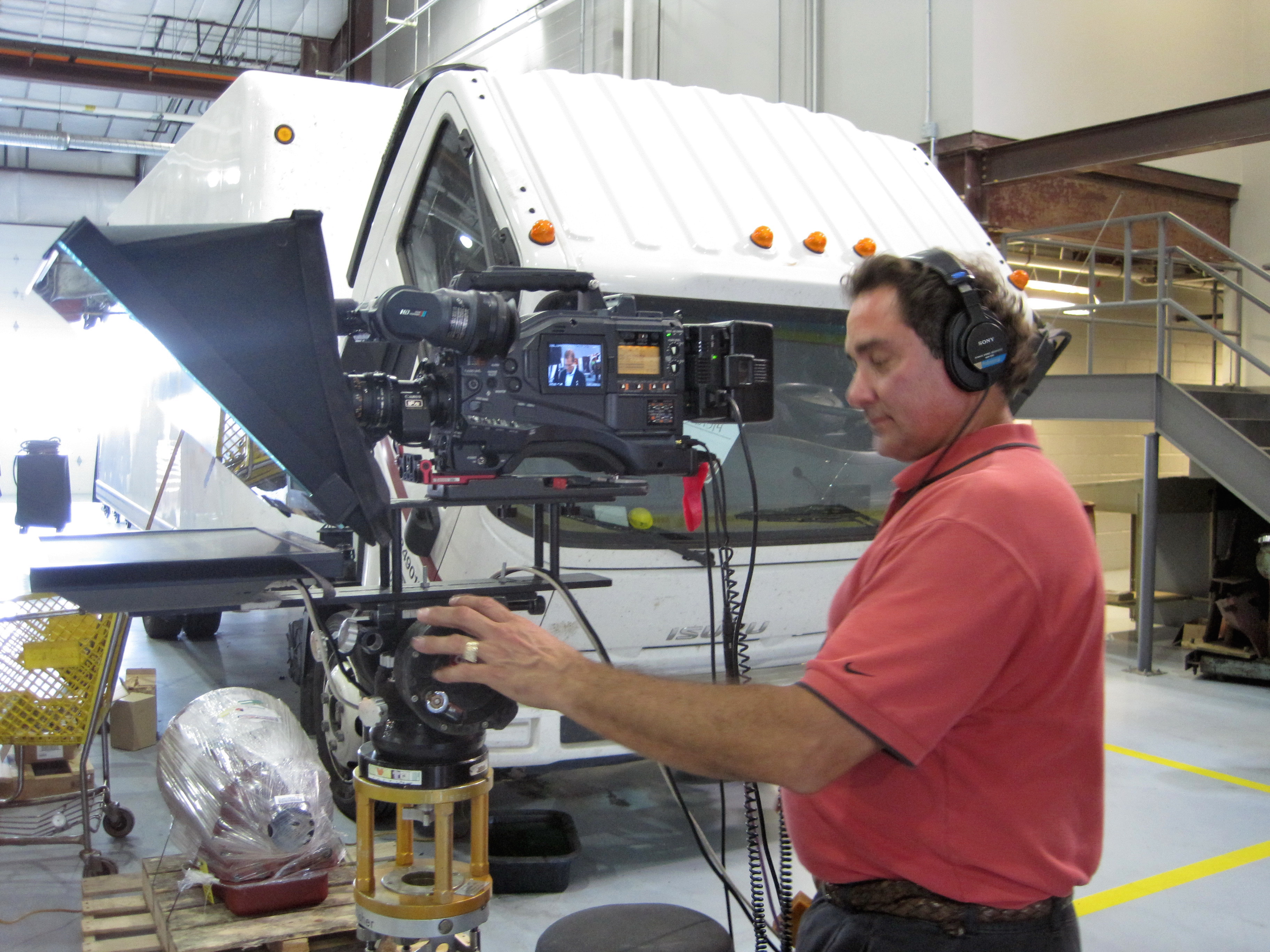
When it comes to producing compelling marketing interviews, the power of B-roll footage cannot be overstated. B-roll serves as the visual storytelling element that enhances an interview’s message, keeps audiences engaged, and adds a professional touch to your video production. If your marketing videos are falling flat, lack dynamism, or don’t hold the viewer’s attention, it’s likely because they rely too heavily on talking head footage. The right B-roll can transform an interview into a visually engaging and persuasive marketing tool. Here are some expert B-roll ideas to elevate your marketing interview productions.

For businesses that rely on customer engagement, showing real interactions can enhance credibility and trust.

1. Show the Work Environment in Action

One of the most effective ways to add depth to an interview is by incorporating footage of the subject’s workplace. Capture:

  • Employees collaborating in meetings
  • Hands-on work showcasing craftsmanship or technology
  • Aerial shots of the office, factory, or workspace for a dynamic introduction
  • Walk-through footage showing the company culture

These shots help put the interviewee’s words into context and create a more immersive experience for the viewer.

2. Capture Product or Service Demonstrations

If your video is meant to highlight a particular product or service, include shots of:

  • The product being used in a real-world scenario
  • Close-ups of product details and functionality
  • Customers interacting with the service
  • Behind-the-scenes footage of product creation or packaging

Product-focused B-roll makes the interview more engaging by visually reinforcing the value being discussed.

3. Incorporate Customer Interactions

For businesses that rely on customer engagement, showing real interactions can enhance credibility and trust. Consider capturing:

  • Customers providing testimonials or feedback
  • Employees assisting clients
  • Happy customers using the product or service
  • Event coverage showcasing customer participation

This type of B-roll humanizes the brand and strengthens its connection with the audience.

4. Use Slow Motion and Time Lapses for Visual Interest

Adding cinematic effects like slow motion and time lapses can make even ordinary B-roll footage look dynamic and engaging. Use these techniques to:

  • Highlight a critical moment in a process
  • Show a transformation over time (e.g., setting up an event or product assembly)
  • Capture movement in a more dramatic and appealing way

5. Feature Team and Leadership Footage

Company culture and leadership visibility can have a big impact on brand perception. Adding B-roll of:

  • Executives interacting with employees
  • Behind-the-scenes brainstorming sessions
  • Casual workplace moments like coffee breaks or team-building activities
  • Award ceremonies and recognition events

This type of footage makes the company feel more personable and relatable to the audience.

6. Show Local or Industry-Related Scenes

For businesses with a strong connection to their local community or industry, contextualizing the setting can be powerful. Capture:

  • Local landmarks and surroundings to establish brand location
  • Industry events or trade shows
  • Footage of supply chains or partnerships
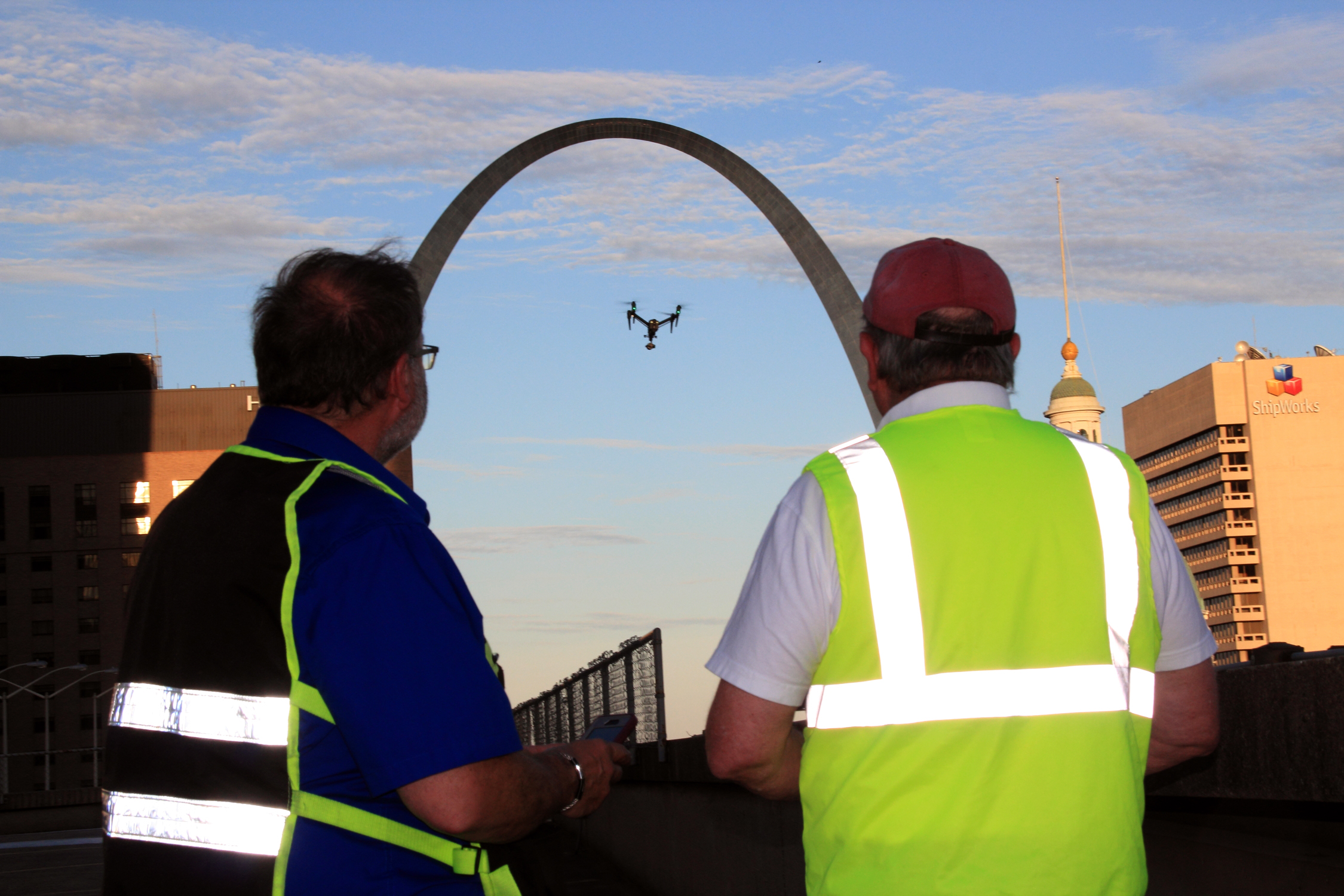
  • Aerial drone shots showcasing the company’s geographic presence

This adds layers to the storytelling and reinforces the brand’s industry expertise and local presence.

7. Leverage Motion Graphics and Animated Overlays

Incorporating well-designed motion graphics into B-roll footage can add another level of professionalism. Consider:

  • Infographics that highlight statistics or key messages
  • Lower-thirds and name tags for interviewees
  • Callouts and text overlays reinforcing product features
  • Animated company logos subtly introduced in transitions

These elements ensure clarity while keeping the viewer engaged.

8. Utilize Indoor and Outdoor Drone Footage

Drones aren’t just for outdoor aerial shots—they can also be used to create smooth, cinematic B-roll indoors. Use drone footage to:

  • Capture grand entrances or sweeping office overviews
  • Provide unique angles that traditional cameras can’t achieve
  • Show off large-scale operations or facilities
  • Create seamless transitions between scenes

Bringing It All Together with Professional Production

B-roll isn’t just filler footage—it’s an essential component of a well-rounded marketing video. The right combination of visuals helps break up monotony, reinforce messaging, and elevate the overall quality of the production. However, effective B-roll requires planning, professional execution, and an eye for storytelling.

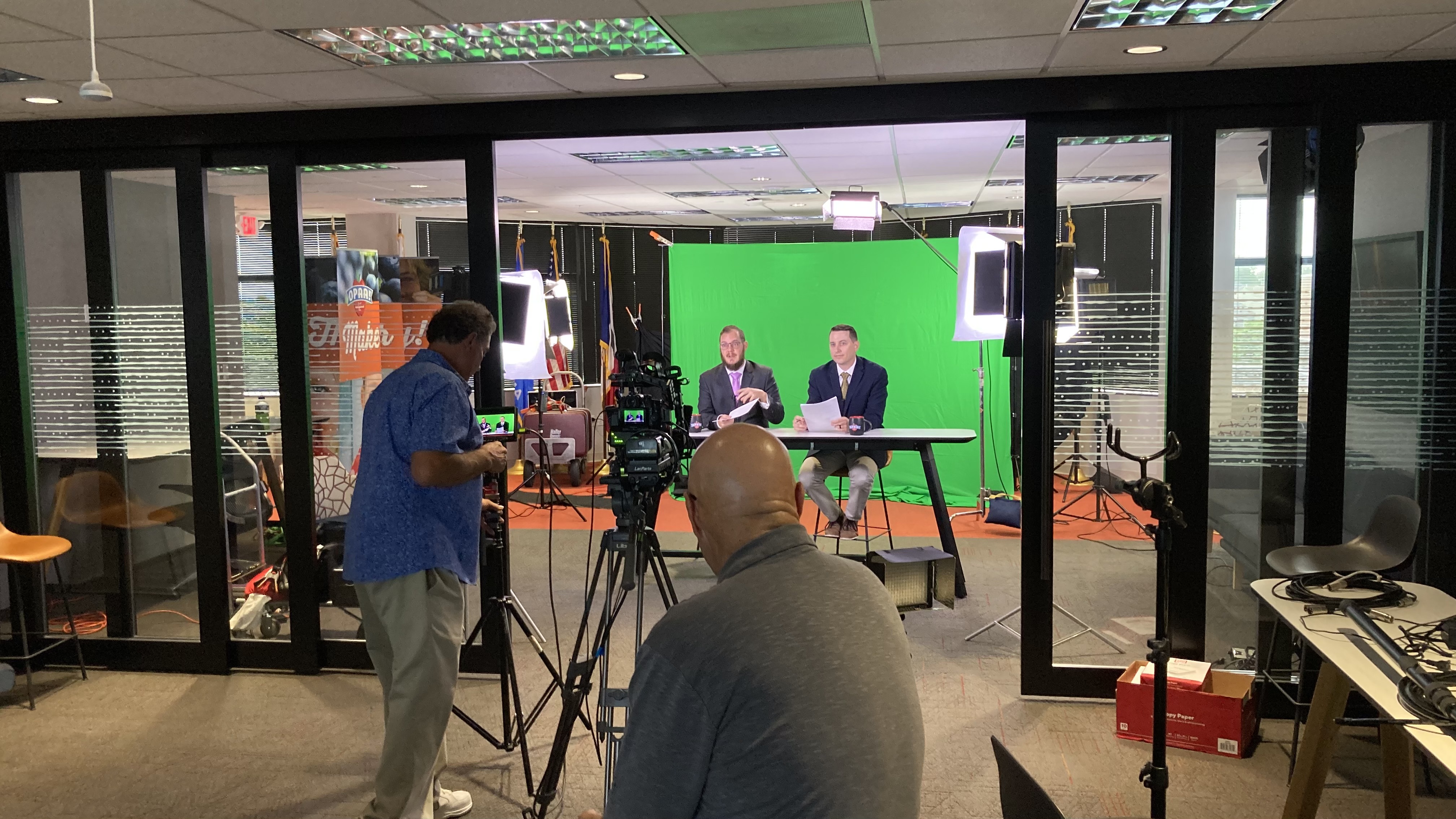
At St. Louis Commercial Video, we specialize in producing high-quality marketing interviews and B-roll that bring your brand to life. As a full-service professional commercial photography and video production company, we have the expertise, equipment, and creative crew needed for successful image acquisition. Whether it’s a studio shoot, on-location production, or specialized drone footage, we tailor our services to meet your unique needs.

Our full-service studio and location video and photography capabilities ensure that we capture every aspect of your story with precision. From editing and post-production to licensed drone pilots for aerial footage, we have the tools to customize your production for any media requirement. We are well-versed in all file types, media styles, and industry-standard software, making it easy to repurpose content for multiple platforms. Our private studio lighting and visual setup is ideal for interview scenes, and our studio space can accommodate props to enhance set design.

With a legacy dating back to 1982, St. Louis Commercial Video has worked with countless businesses, marketing firms, and creative agencies to craft compelling marketing content. Whether you need a private, custom interview studio setup, sound and camera operators, or the latest video production technology, we have everything you need to make your next marketing interview stand out.

Let’s bring your vision to life—contact us today to discuss how we can enhance your next video project with high-quality B-roll and professional production services.

314-913-5626 stlouisvideos@gmail.com

Get Volumetric Measurements with Drones: A Better Way to Measure

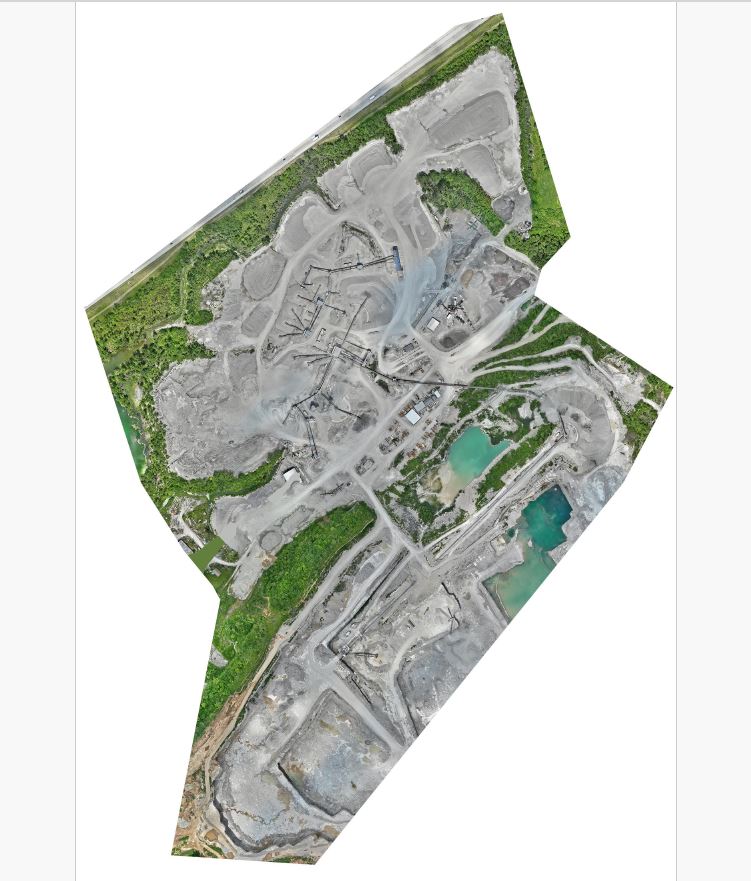
At Angel Eye Productions, we harness cutting-edge drone technology to offer a more efficient and precise way to measure stockpiles and analyze cut and fill. Volumetrics play a crucial role in various industries, providing accurate measurements for stockpile management and cut and fill analysis. With our drone volumetric services, you can streamline operations, track inventory, optimize resources, and make informed decisions to drive success in your industry.

Stockpile Measurements

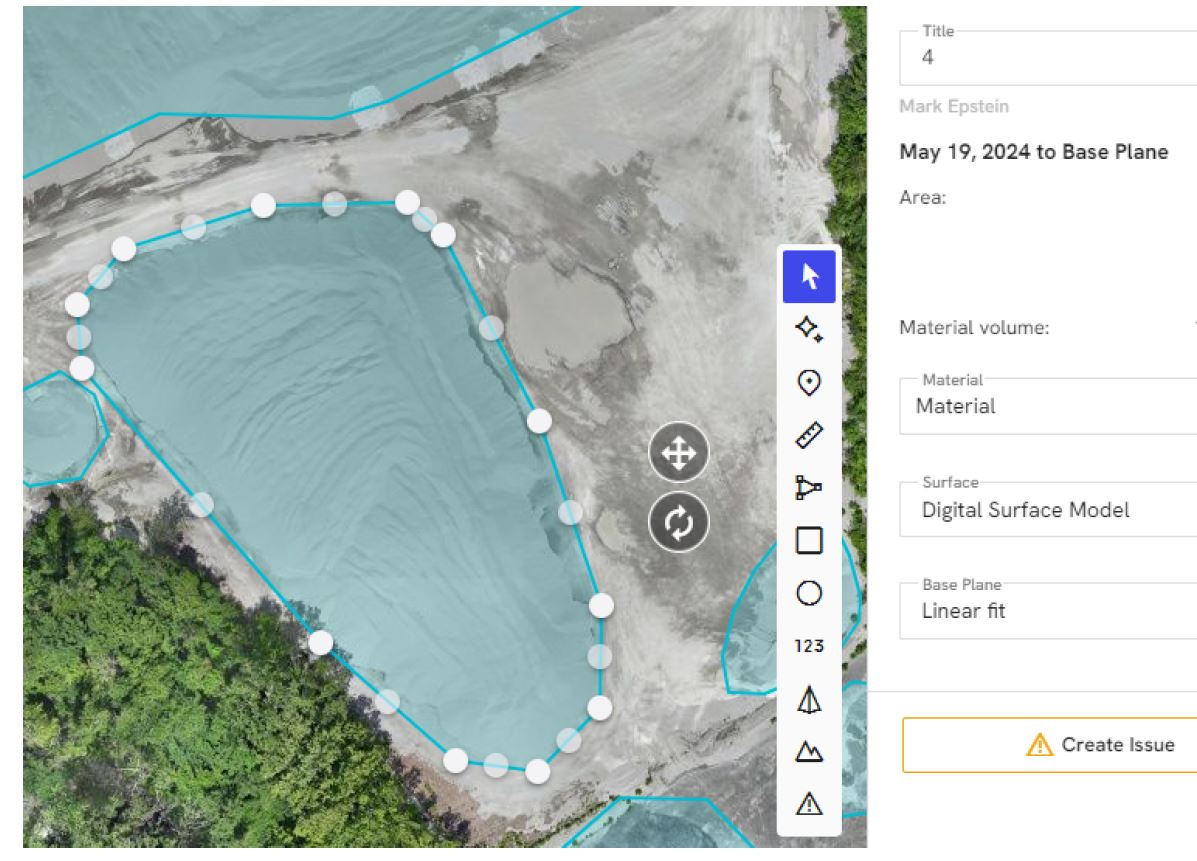
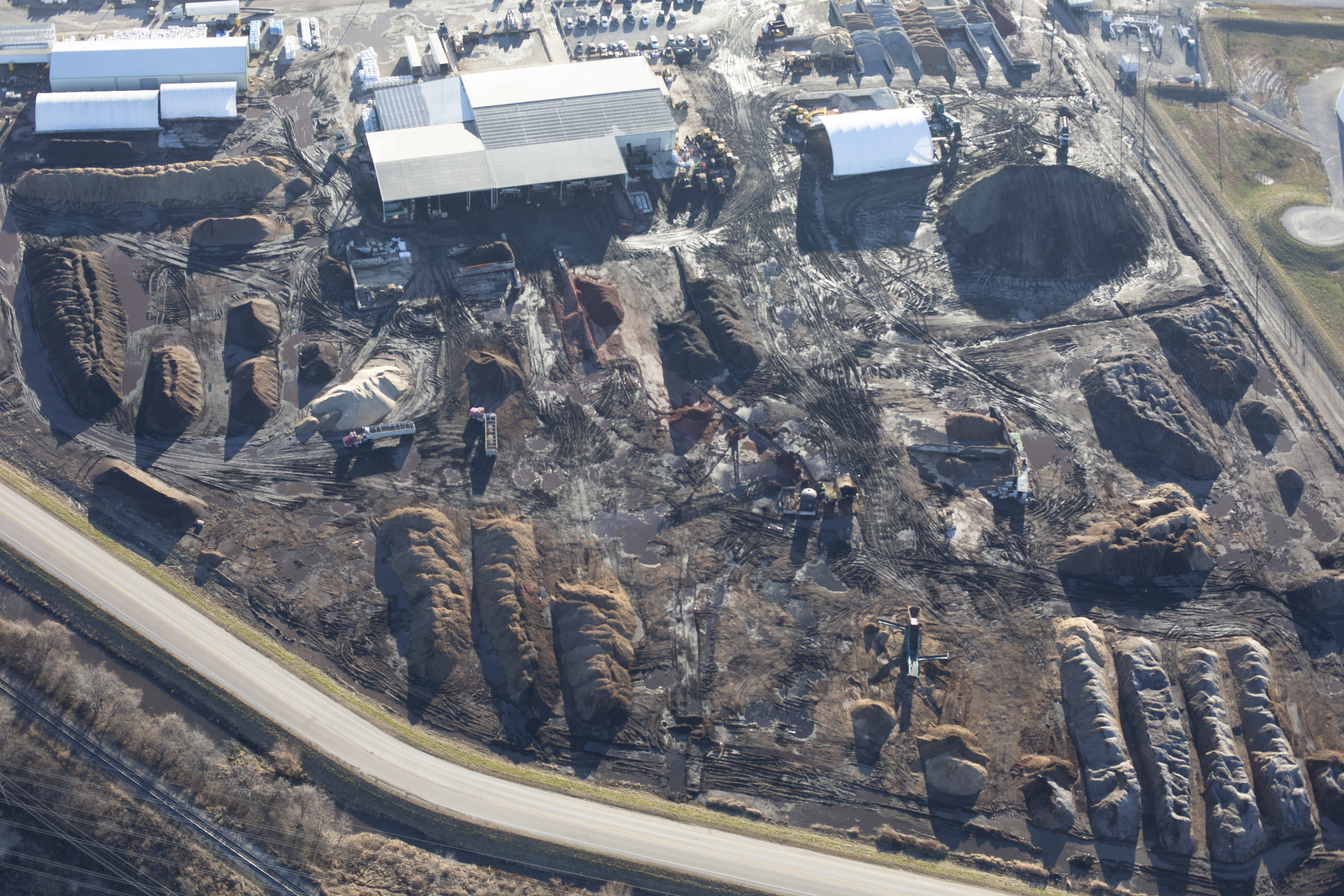
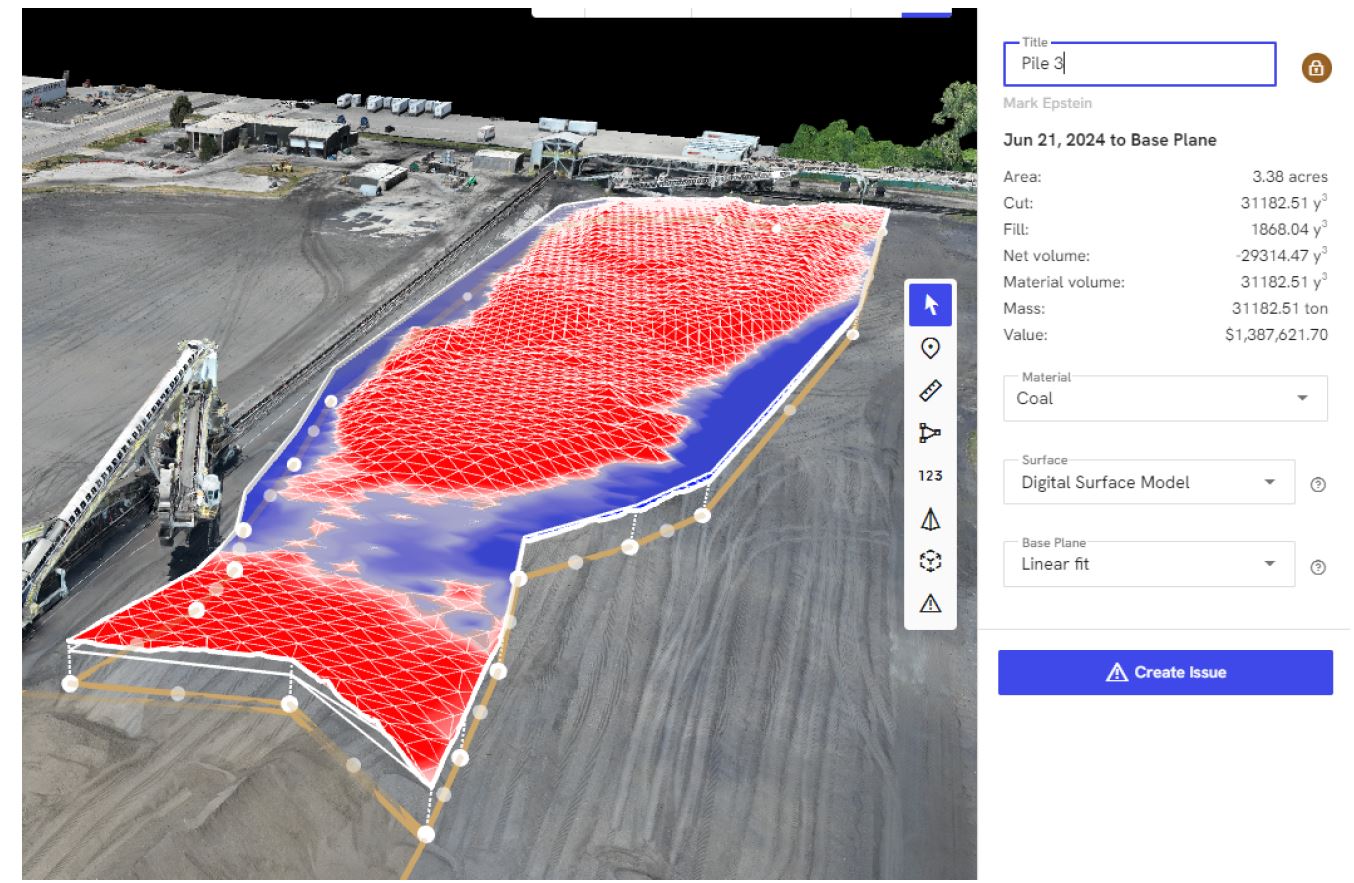
Our stockpile measurement service employs calibrated, survey-grade drone LiDAR and photogrammetry to accurately measure and track stockpile volumes. These precise measurements enable you to optimize your inventory management and make better-informed decisions.

No Interruptions

Tracking inventory volume with a drone means no interruptions to your work. We fly, and your team stays productive on the ground.

Tailored Data Insights

Receive customized reports that fit your specific business needs, providing clear insights and actionable data to support strategic decisions.

Timestamped Reporting

Benefit from our timestamped data collection, ensuring each inventory report is accurately aligned with specific dates and times.

Cut & Fill Analysis

Leverage our comprehensive cut and fill analysis to efficiently manage earthmoving tasks and optimize material usage. Ensure cost-effective project execution with our detailed, accurate assessments.

Precision Ground Analysis

We don’t just estimate or rely on inconsistent truck counting for volume. Our cut and fill analysis provides a true measurement of ground surface change between surveys.

Optimized Resource Allocation

Analyze and adjust material distribution to minimize waste and reduce costs, crucial for maintaining budget and environmental goals.

Enhanced Project Efficiency

Speed up project delivery with precise and rapid site surveys, ensuring your projects adhere to schedules and reduce the risk of costly overruns.

Volumetrics: Accurate Measurements for Your Industry

Our volumetric services provide precise stockpile measurement and cut and fill analysis for industries such as mining, construction, and agriculture.

Mining

Maximize resource management and mine planning with advanced volumetric analysis. Our precision LiDAR mapping captures minute details of your site, delivering critical data that helps you monitor production and streamline operations.

Construction

Build with confidence by leveraging detailed topographic data tailored for construction excellence. Our technology ensures accurate cut-and-fill calculations, aiding in precise grading and efficient material allocation. This is complemented by same-day high-resolution orthomosaics to monitor progress on-site.

Solid Waste

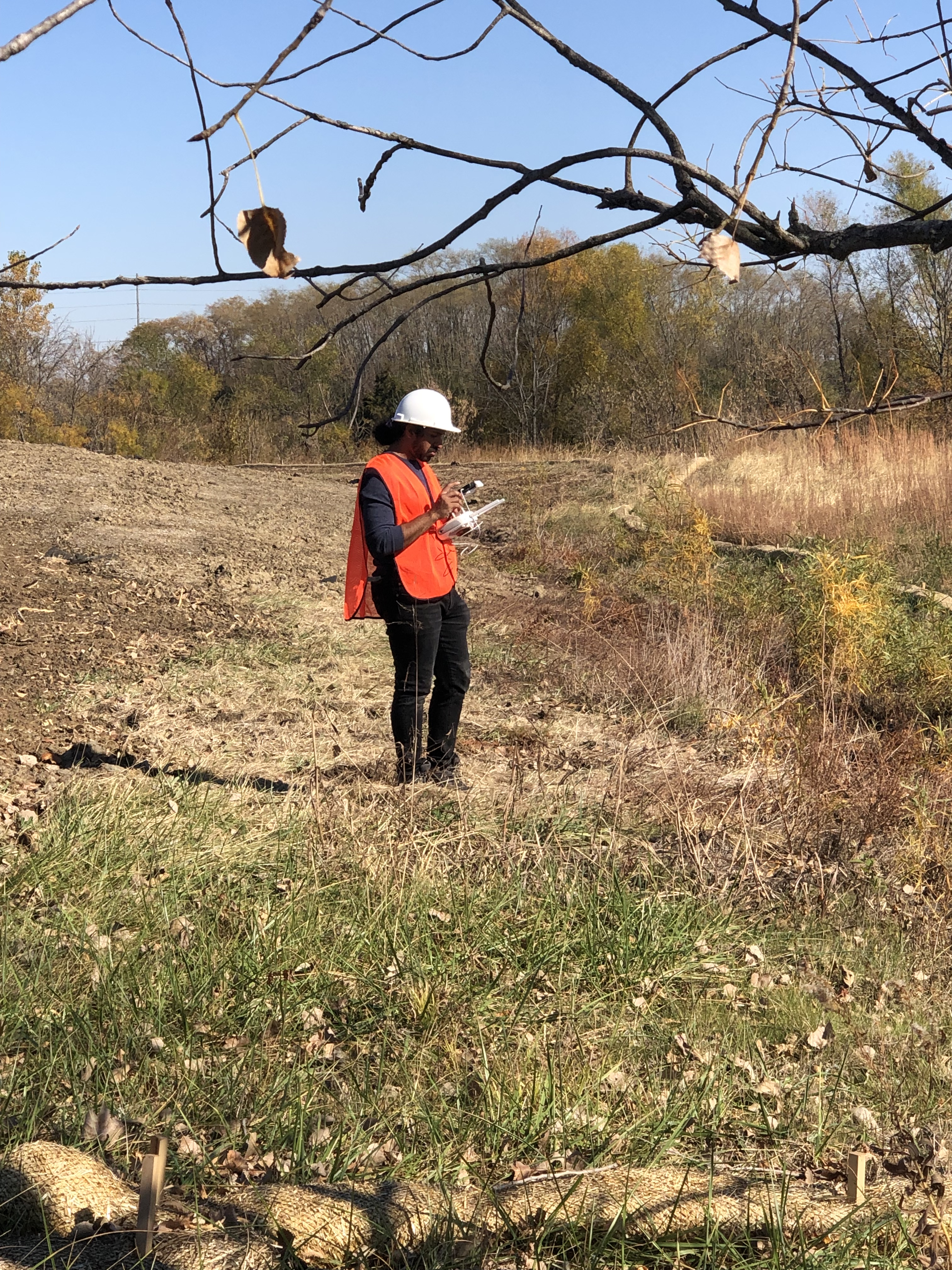
Optimize your waste management with volumetric solutions. Our high-resolution drone imaging and LiDAR technology allow you to accurately measure landfill volumes, plan for future capacity, and maintain environmental compliance. Enhance your waste operations with data-driven precision for a greener tomorrow.

Volumetrics

Discover how our drone-based volumetric services transform the way you measure and analyze land. Fast, accurate, and cost-efficient volume data collection when and where you need it.

Fast

Experience rapid mobilization and swift data collection. Our industrial mapping drones streamline your volumetric surveying process, delivering detailed results in a fraction of the time it takes traditional methods.

Accurate

Precision is at the core. Utilizing cutting-edge drone LiDAR and photogrammetric technology ensures the highest accuracy in mapping and measurement, giving you the confidence to make decisions based on data you can trust.

Cost-Efficient

Cut costs without cutting corners. Our drones cover vast areas quickly, reducing the need for multiple on-ground survey teams and project delays, thereby minimizing labor and maximizing technology.

At Angel Eye Productions, we are dedicated to providing you with the most advanced and reliable volumetric measurement solutions. Embrace the future of measurement with our state-of-the-art drone services.

314-913-5626 stlouisvideos@gmail.com