Tag Archives: St. Louis video production

Simple Scripts for Attention-Grabbing Consulting Videos

A practical framework for consulting firms that want more leads, more trust, and more watch-time—without sounding “salesy.”

Most consulting videos fail for one predictable reason: they start where the consultant wants to start (credentials, services, frameworks) instead of where the viewer’s brain starts (risk, uncertainty, and “is this worth my time?”). Decision makers don’t need more content—they need faster clarity.

The good news: you don’t need a cinematic budget or a 12-page voiceover. You need a simple script structure that earns attention in the first 5–10 seconds, sustains it with relevance, and ends with a next step that feels natural.

Below are proven consulting-video script patterns that work because they align with how executives evaluate value: problem → risk → path → proof → action.


Why “simple scripts” win in consulting

Consulting is an intangible service. Your audience can’t “test drive” the outcome. So your video’s job is not to explain everything—it’s to reduce perceived risk.

A strong consulting video does three things:

  1. Diagnoses the problem quickly (so the viewer feels understood).
  2. Frames the stakes (so the viewer feels urgency without pressure).
  3. Proves you have a path (so the viewer feels confidence).

Simple scripts help you do that consistently, across many topics, without reinventing the wheel every time.


The attention formula: Hook → Tension → Clarity → Proof → Next step

If you remember one structure, make it this:

  • Hook (0–10 sec): Call out a specific pain or misconception.
  • Tension (10–25 sec): Show consequences of doing nothing or doing the wrong thing.
  • Clarity (25–60 sec): Offer a clean framework or “first move.”
  • Proof (60–90 sec): Evidence—results, process, or credibility.
  • Next step (last 5–10 sec): A simple action that matches the viewer’s intent.

This works for 30 seconds or 3 minutes. The difference is how many proof points and examples you include.


Script Pattern 1: “The Cost of Doing Nothing”

Best for: Risk, compliance, operational inefficiency, revenue leakage, churn, tech debt.
Why it works: Executives move when the cost of inaction becomes specific.

Script (plug-and-play):

  • Hook: “If you’re seeing [symptom], it’s usually not a [surface issue]—it’s a [root issue].”
  • Tension: “Here’s what it costs over 6–12 months: [time], [money], [risk].”
  • Clarity: “The fastest first step is [diagnostic]—not a big overhaul.”
  • Proof: “When we ran this for [type of org], we found [finding] and fixed [result].”
  • Next step: “If you want, we can share a [checklist/benchmark] we use to spot this in 20 minutes.”

Key detail: The “cost” must be measurable (cycle time, margin, error rate, churn, SLA misses), not generic.


Script Pattern 2: “3 Mistakes Smart Teams Keep Making”

Best for: Thought leadership, differentiators, positioning, lead nurturing.
Why it works: Lists create a clear promise and keep retention high.

Script:

  • Hook: “Three mistakes I see even strong teams make in [topic]…”
  • Mistake 1: [misbelief] → “Instead, do [better approach].”
  • Mistake 2: [misstep] → “Instead, use [simple tactic].”
  • Mistake 3: [blind spot] → “Instead, measure [metric].”
  • Proof: “We’ve used this approach in [industry] to improve [result].”
  • Next step: “Comment ‘checklist’ and we’ll send the [resource] / or “Book a 15-minute fit call.”

Pro tip: Make the mistakes counterintuitive. “We should do X” → “Actually, X causes Y.”


Script Pattern 3: “Before / After (The Case Study Mini-Story)”

Best for: Sales enablement, website hero video, retargeting ads.
Why it works: Proof beats claims. Stories compress complexity.

Script:

  • Hook: “A [company type] came to us with [pain].”
  • Before: “They were dealing with [symptoms + metrics].”
  • The turning point: “We started with [diagnostic] and uncovered [root cause].”
  • After: “Within [timeframe], they achieved [result 1], [result 2], [result 3].”
  • How: “The difference was [one key method].”
  • Next step: “If you’re seeing [same symptom], let’s talk—this is usually fixable fast.”

Note: A single strong metric is better than five vague wins.


Script Pattern 4: “Myth vs Reality”

Best for: Crowded markets, confusing categories, new service lines.
Why it works: It positions you as a guide and lowers skepticism.

Script:

  • Hook: “Most people think [myth] about [topic].”
  • Reality: “But what actually drives results is [truth].”
  • Example: “Here’s a quick example…”
  • Clarity: “If you remember one thing: [rule].”
  • Proof: “This is the approach we use when we help [type] teams.”
  • Next step: “If you want, we’ll share our [one-page guide].”

Script Pattern 5: “The 60-Second Diagnostic”

Best for: Short-form, LinkedIn, email embeds, outreach sequences.
Why it works: It gives immediate value and creates reciprocity.

Script:

  • Hook: “Here’s a 60-second way to tell if you have a [problem].”
  • Step 1: “Look at [metric/process].”
  • Step 2: “If [condition], that’s a signal.”
  • Step 3: “Do [quick test].”
  • Meaning: “If you see [result], the fix is usually [approach].”
  • Next step: “If you want a deeper read, we’ll run this with you and show you what we find.”

Writing the hook: 10 plug-and-play openers that actually hold attention

Use these to start strong without gimmicks:

  1. “If you’re spending money on [thing] but still seeing [bad result], here’s why.”
  2. “Most [role] teams get [topic] wrong in one specific way…”
  3. “Here’s the fastest way to reduce [risk] without adding headcount.”
  4. “If I had to fix [problem] in 30 days, I’d do this first.”
  5. “The metric you’re not tracking is quietly driving [pain].”
  6. “You don’t have a [problem] problem—you have a [cause] problem.”
  7. “Stop doing [common approach] until you check this.”
  8. “What looks like [symptom] is usually [root issue].”
  9. “Here are three signs your [system/process] is about to break.”
  10. “If you’re considering [big initiative], watch this first.”

Matching script to buyer intent: pick the right video for the job

Decision makers watch different videos at different stages:

  • Awareness (cold): Mistakes, myth vs reality, cost of doing nothing
  • Consideration (warm): Diagnostic, framework, mini case study
  • Decision (hot): Case studies, process walk-through, “what it’s like to work with us”
  • Expansion (existing clients): Playbooks, updates, training micro-videos

A common mistake is using a “decision-stage” video (full service overview) for an “awareness-stage” audience. That’s how you lose watch-time fast.


Production details that make simple scripts look premium

Even the best script gets ignored if the video feels hard to watch or hard to trust. Here’s what matters most:

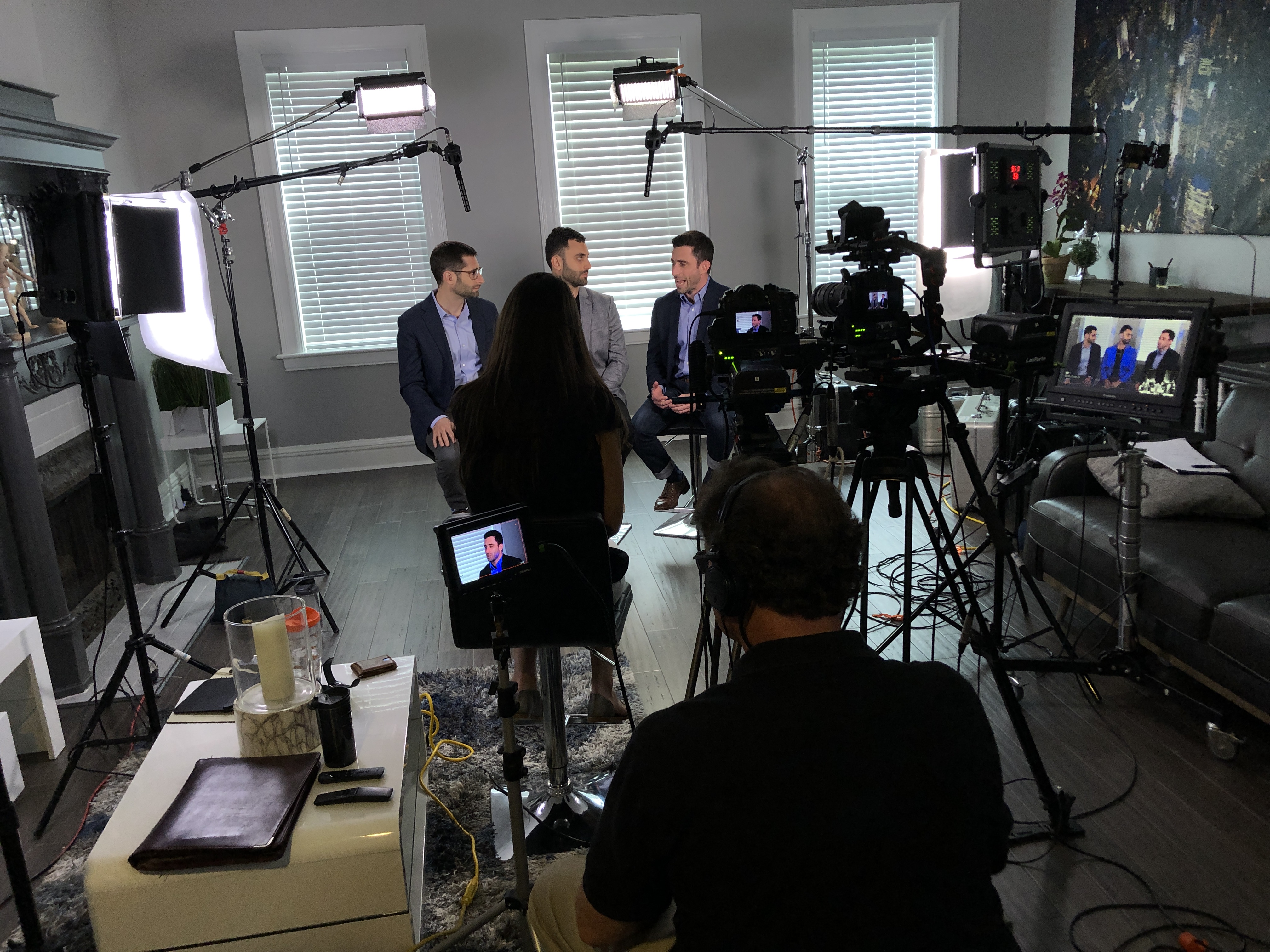
  • Audio beats everything. If the voice is thin, echoey, or noisy, trust drops instantly.
  • Lighting signals competence. Soft, controlled lighting is the difference between “polished consultant” and “webcam pitch.”
  • Pacing needs visual variety. Use b-roll, on-screen keywords, simple charts, or quick cutaways every 5–8 seconds.
  • On-screen text should summarize, not duplicate. Reinforce the point, don’t subtitle the entire speech unless needed.
  • One message per video. One problem. One framework. One action.

Repurposing: one script, many assets

Consulting content performs best when you treat each shoot as a content system:

  • 1 core video (2–4 minutes) for your website / YouTube
  • 3–6 short clips (15–45 seconds) for LinkedIn and paid social
  • 1 written post distilled from the script
  • 1 email embed for outbound or nurture
  • 1 “sales follow-up” clip personalized for proposals

That’s how you turn a “single video” into a month of consistent authority-building touchpoints.


Closing: why St. Louis Commercial Video Production is built for consulting videos that convert

At St. Louis Commercial Video Production, we’ve been producing professional video and photography for businesses, marketing firms, and creative agencies in the St. Louis area since 1982—and we understand what decision makers actually need from consulting content: clarity, credibility, and polish.

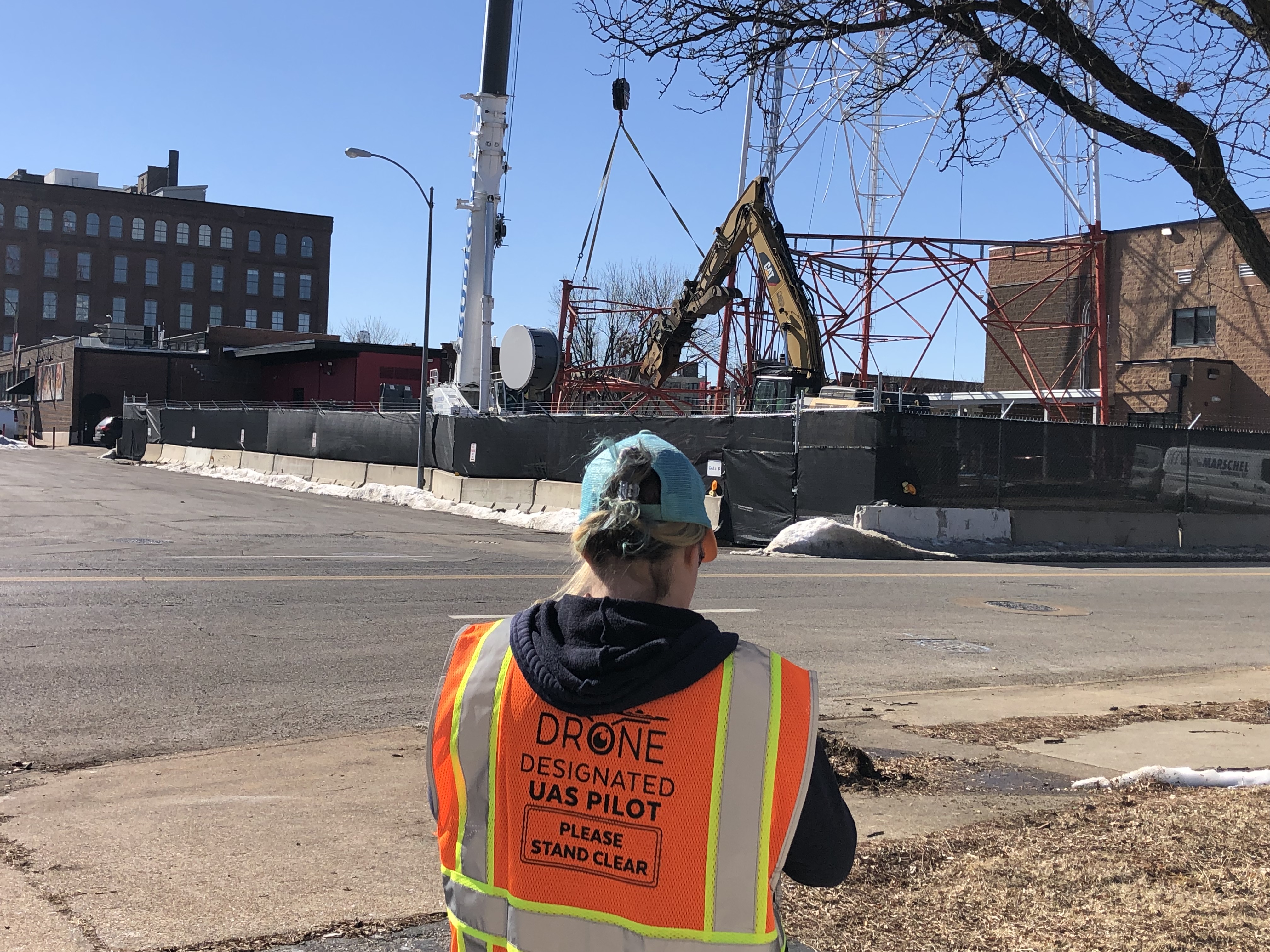
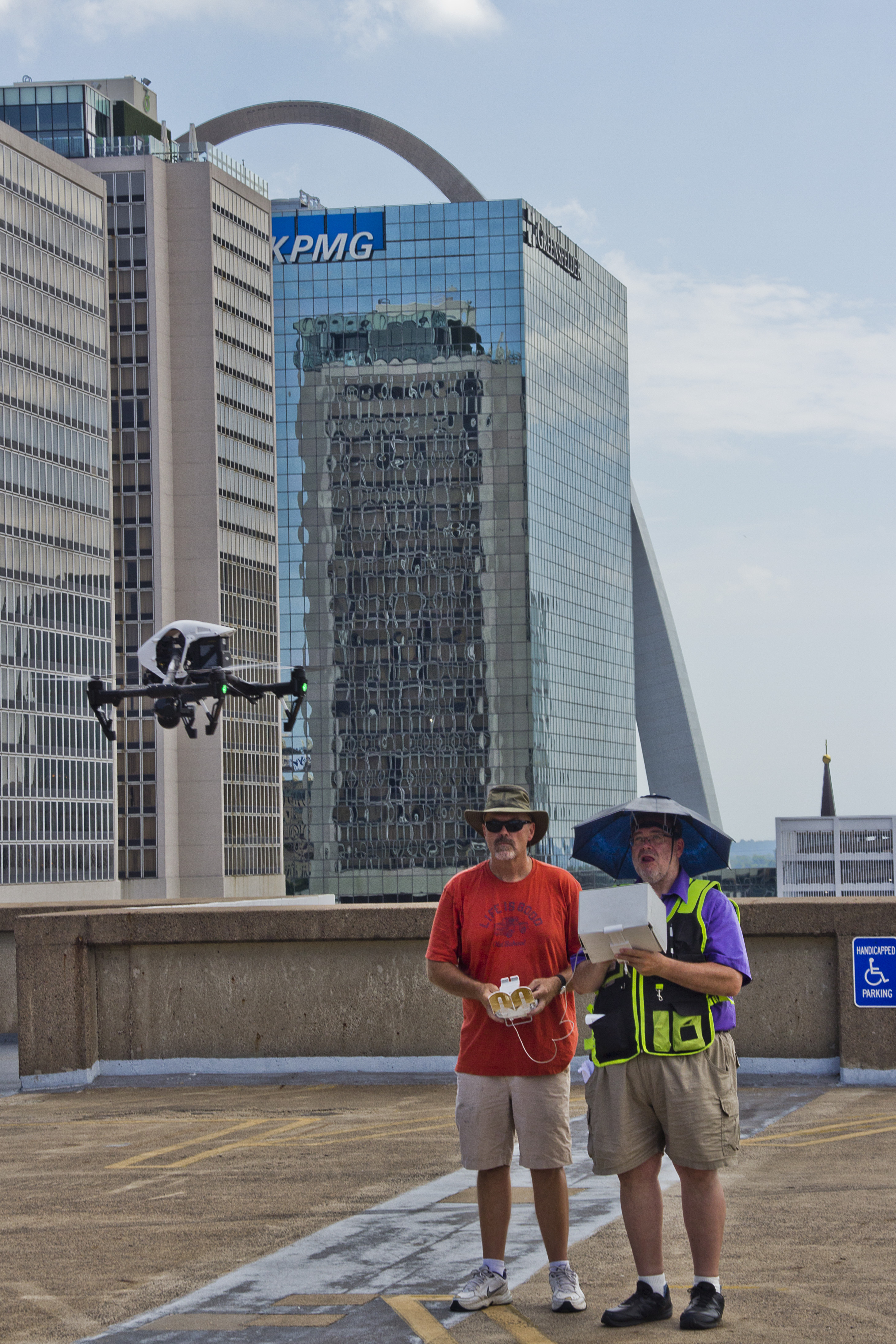
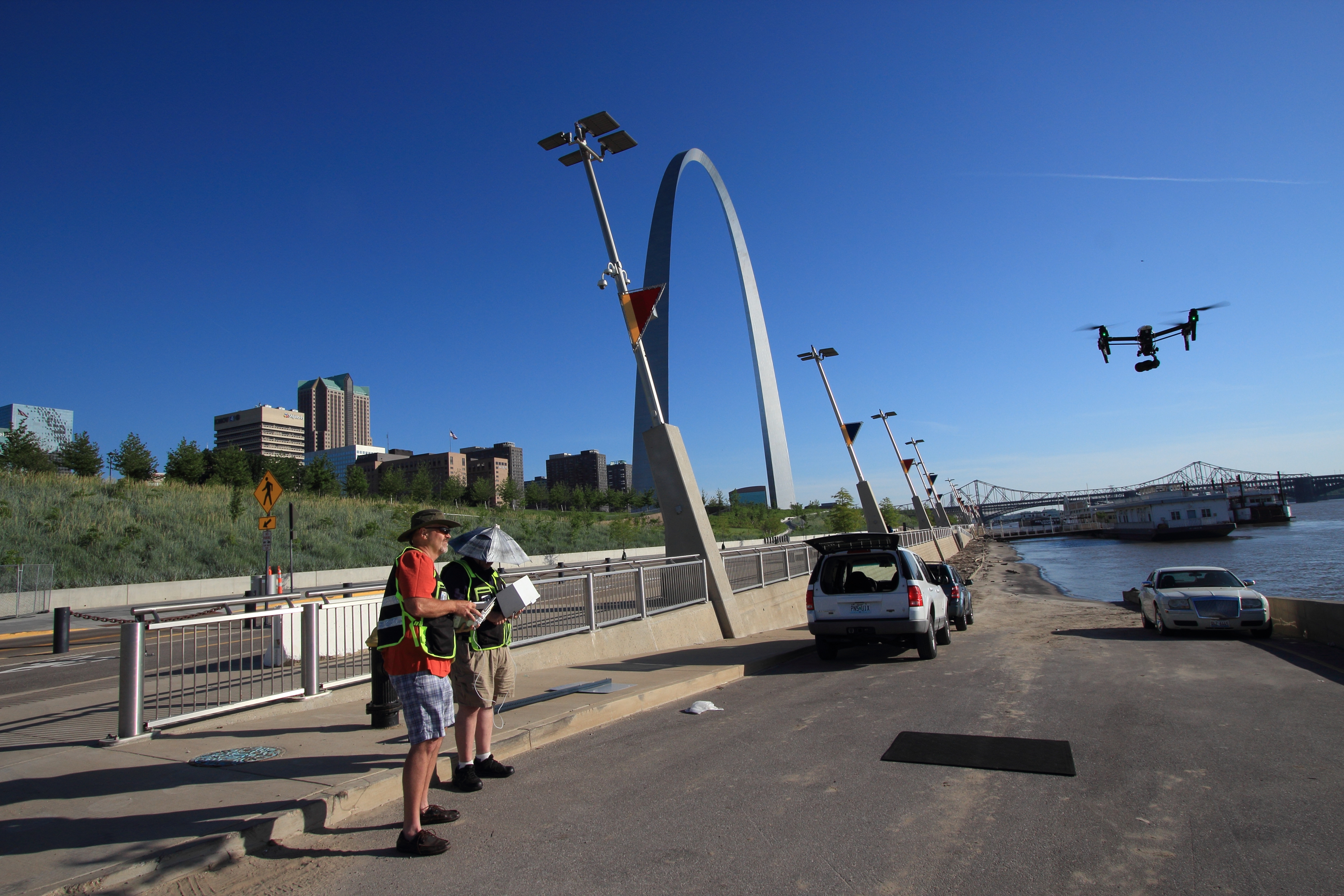
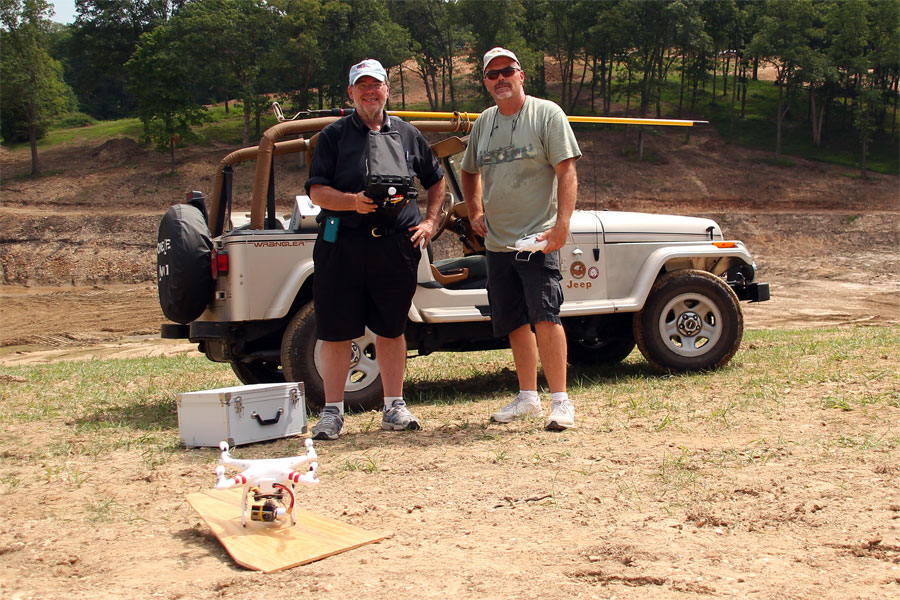
We’re a full-service commercial photography and video production company with the equipment, crew depth, and real-world production experience required for successful image acquisition. We offer full-service studio and location video and photography, plus editing and post-production, and licensed drone pilots—including the ability to fly specialized drones indoors when the shot demands it.

We can customize your production for virtually any media requirement, from a clean consulting “talking head” series to a full brand campaign. We specialize in repurposing your photography and video branding so every shoot creates more traction across your website, LinkedIn, sales outreach, and internal communications. We’re well-versed in all file types, deliverable formats, and media styles—and we incorporate the latest Artificial Intelligence tools to streamline workflows, enhance post-production, and accelerate versioning for different platforms.

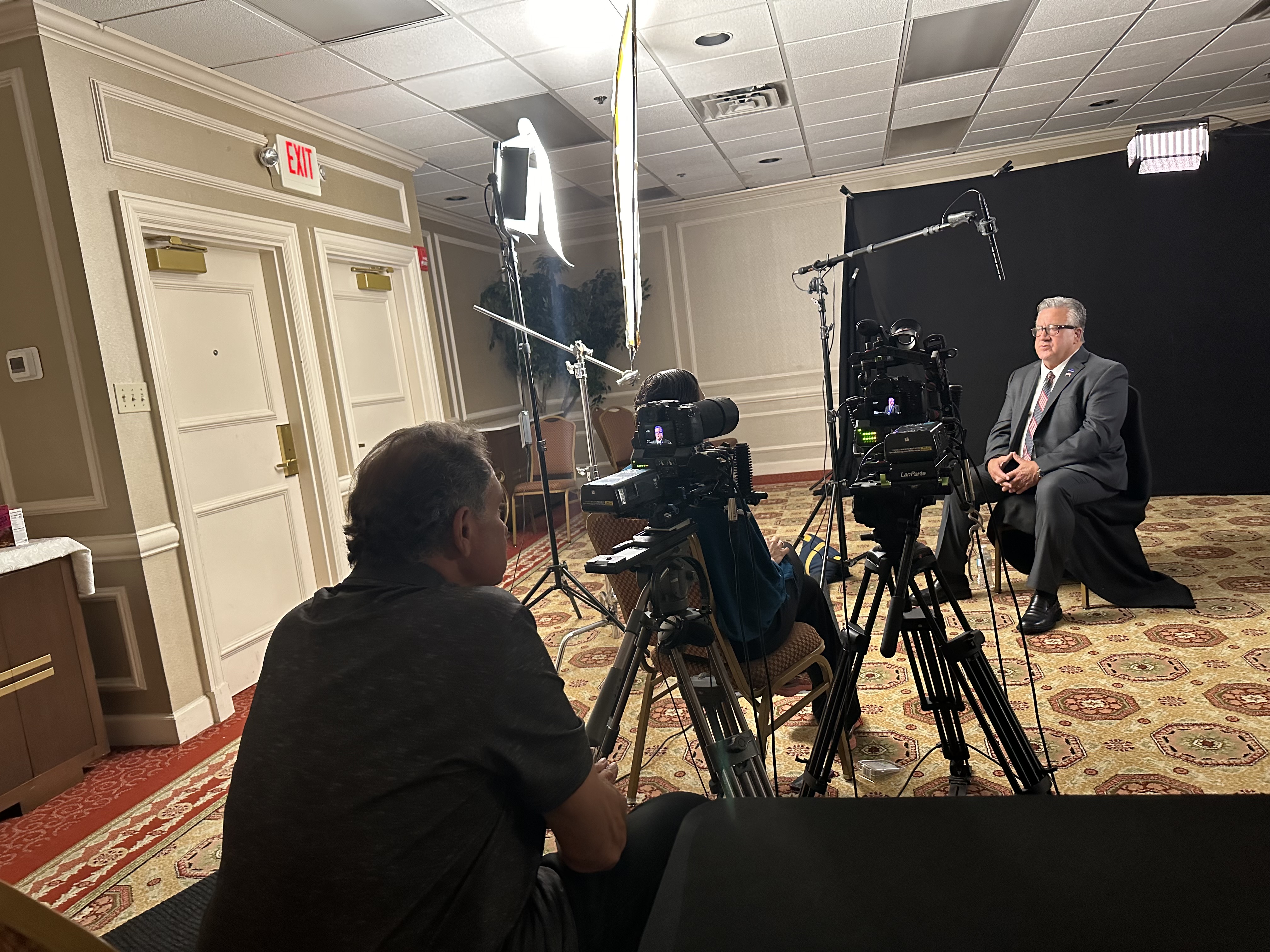
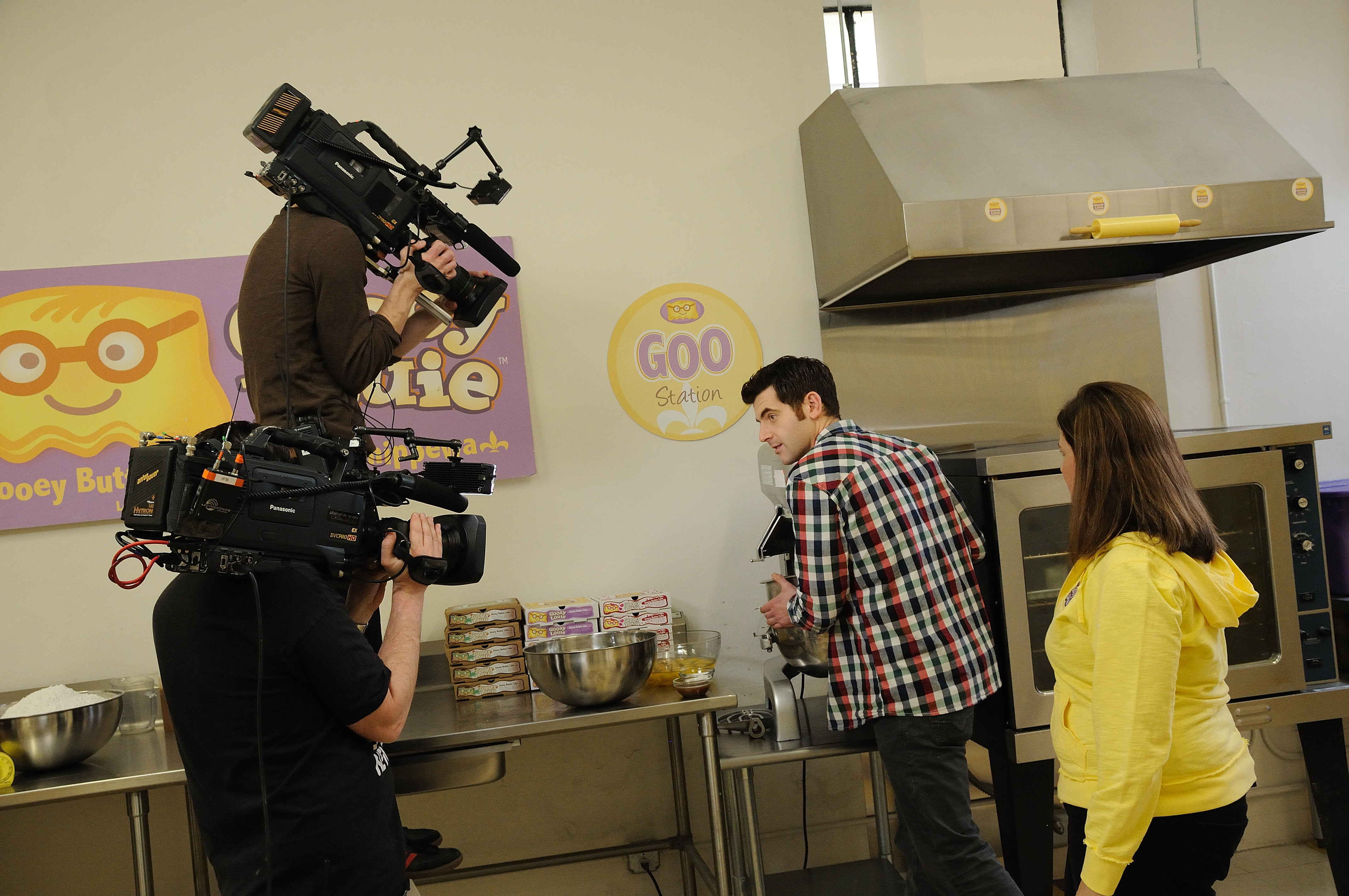
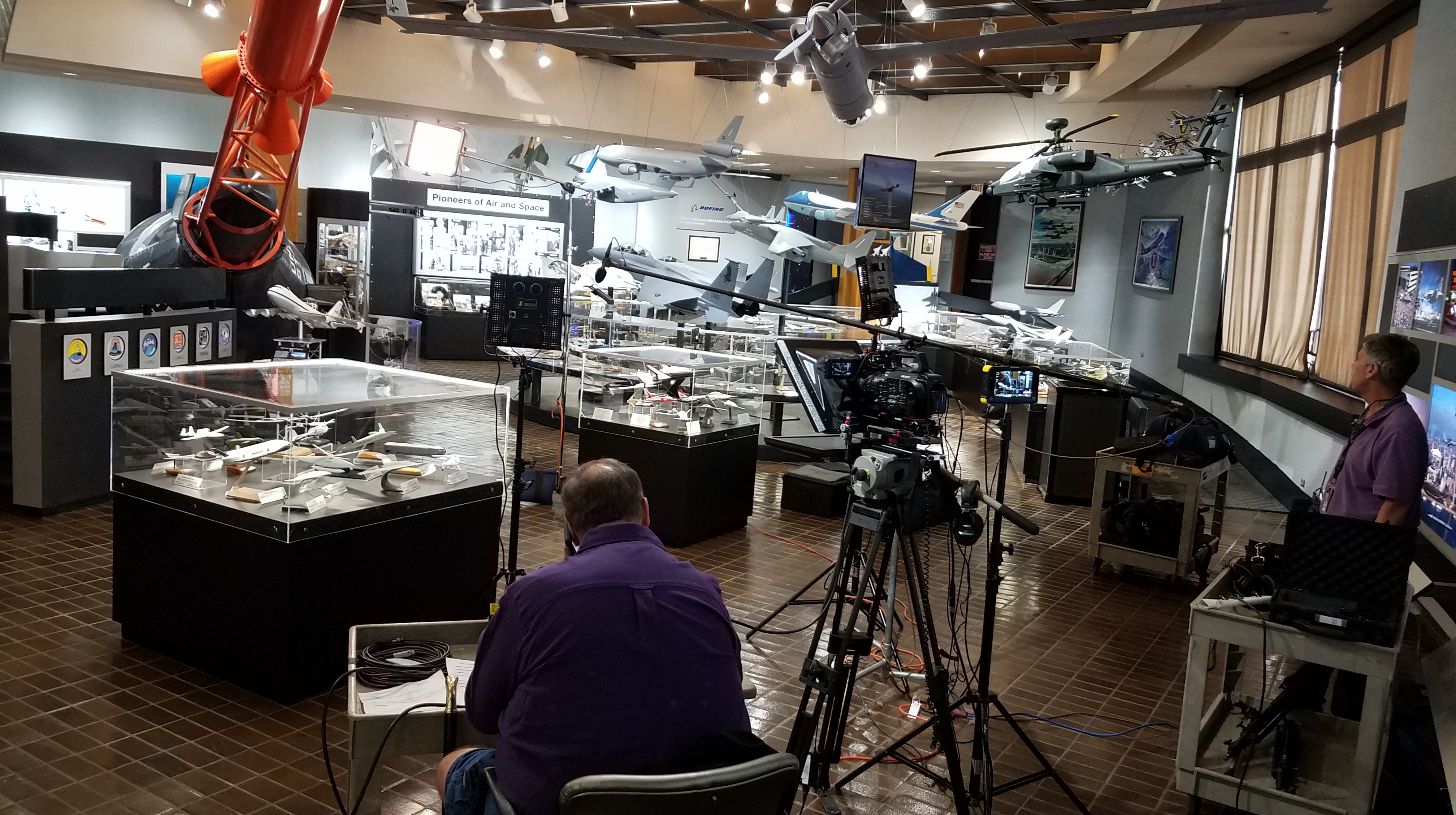
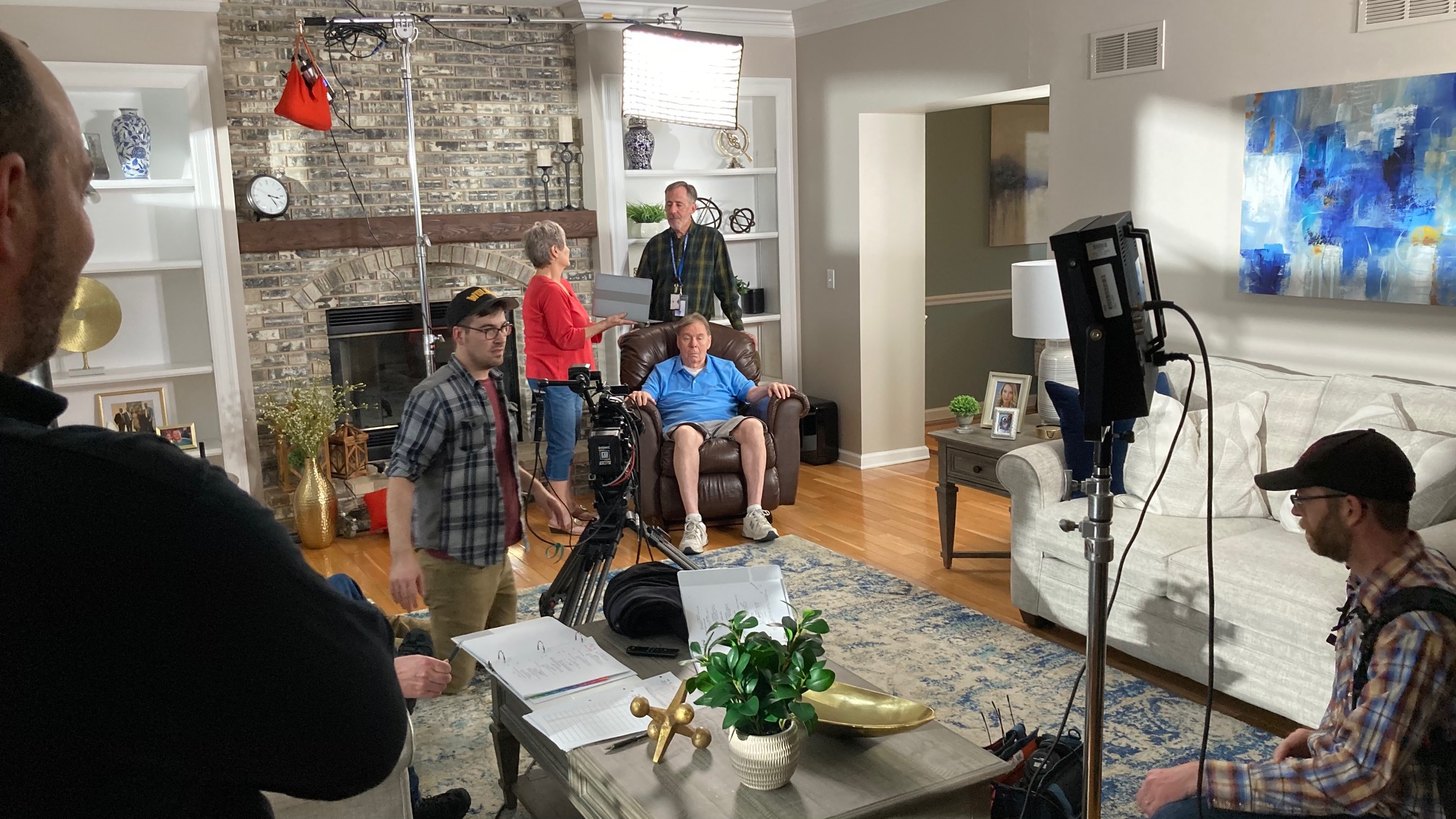
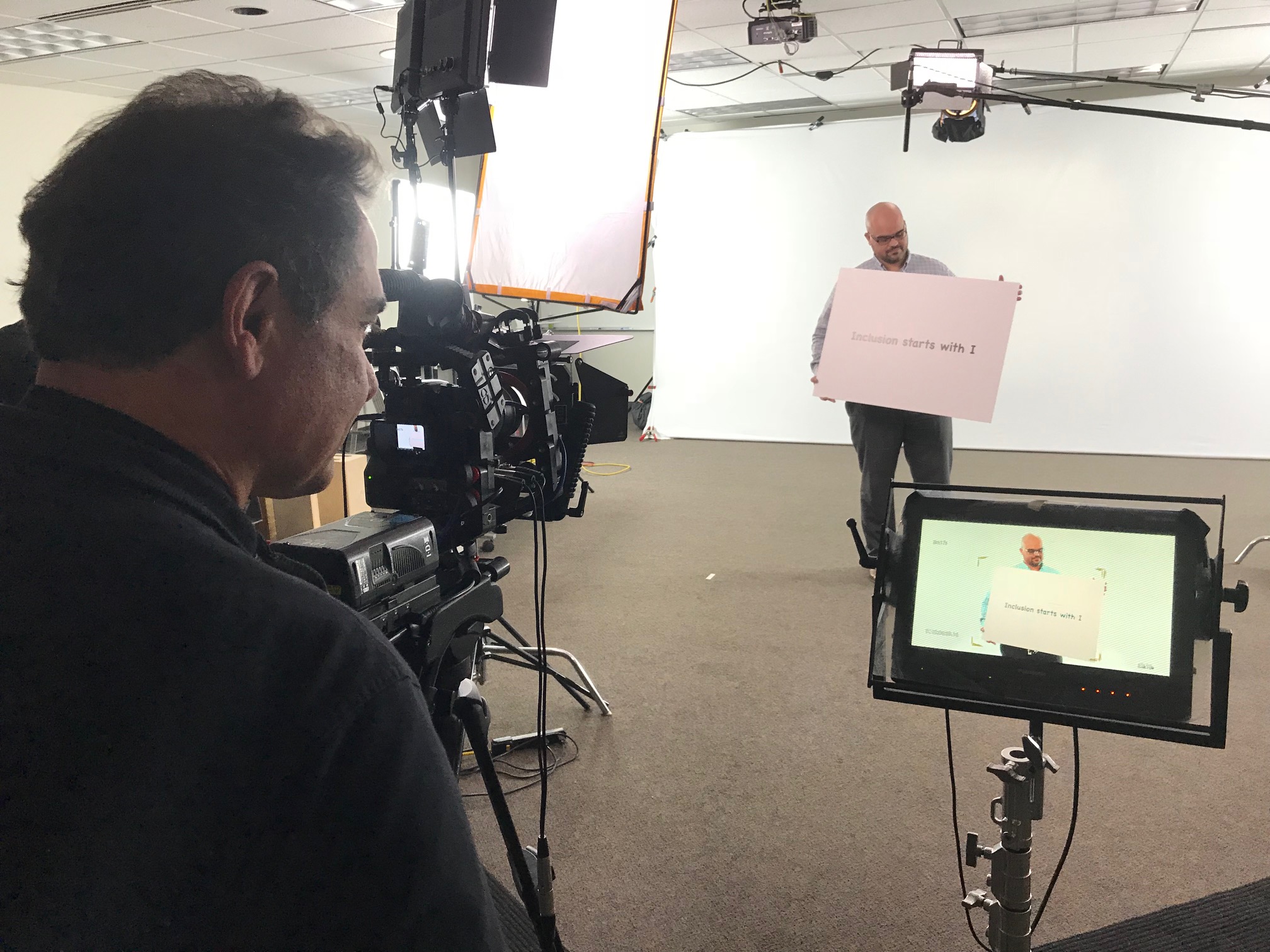
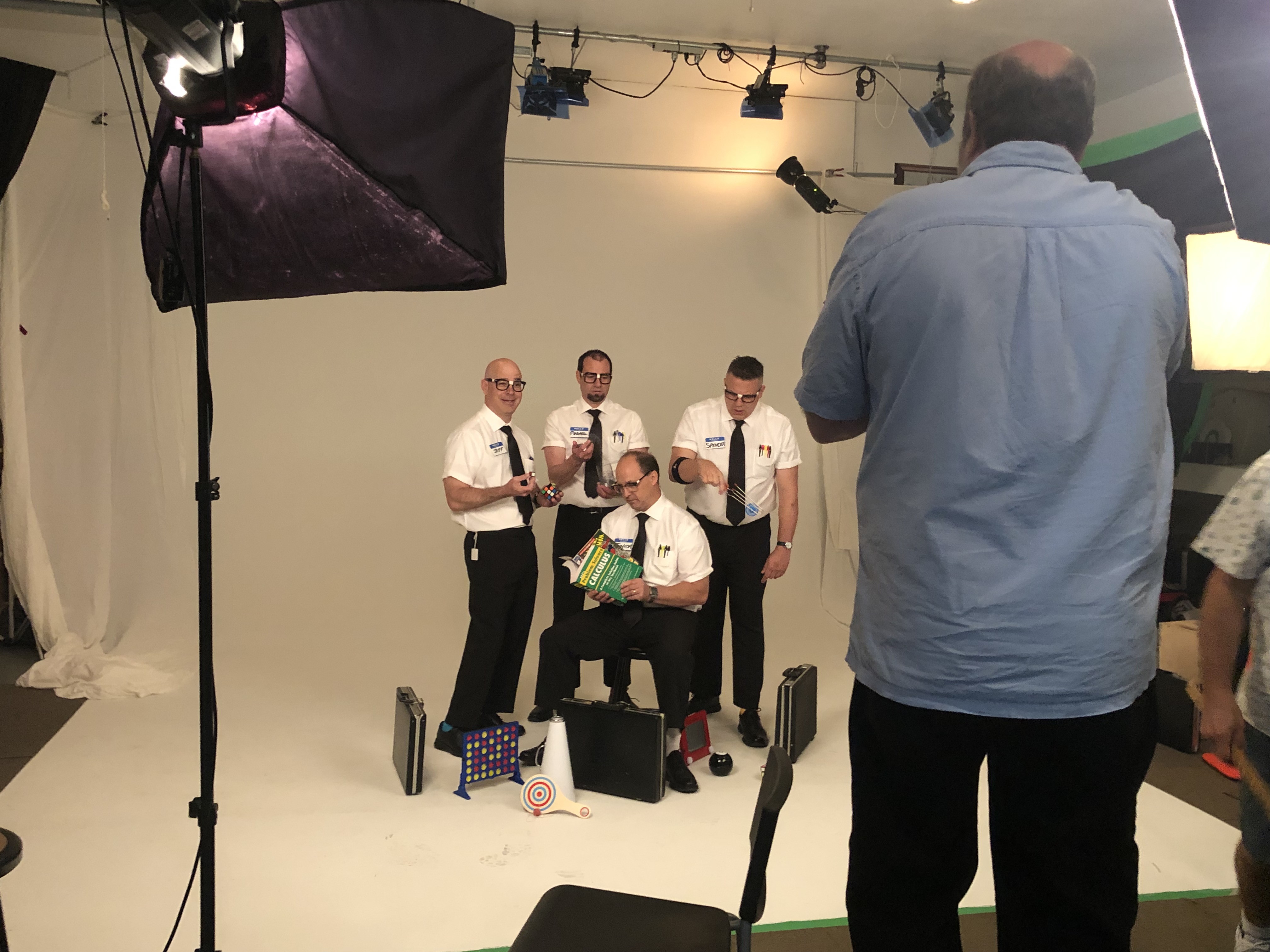
Our private studio lighting and visual setup is ideal for small productions and interview scenes, and our studio is large enough to incorporate props and set elements to round out your environment. We support every aspect of your production—from building a private, custom interview studio to supplying professional sound and camera operators—ensuring your next consulting video is seamless, efficient, and built to perform.

If you’re ready to turn simple scripts into consulting videos that hold attention and earn trust, we can help you build a repeatable video system—not just a one-off shoot.

 314-913-5626 stlouisvideos@gmail.com

Common Hurdles in Safety Video Production and Easy Wins

As a seasoned professional in commercial video production, I’ve witnessed firsthand the critical role that effective safety and training videos play in modern businesses and organizations. They are not merely a compliance checkbox; they are a vital investment in employee well-being, operational efficiency, and legal protection. Yet, many organizations stumble over common hurdles that dilute the impact of their safety messaging.

From our vantage point at Angel Eye Video Productions and Photography, we understand that decision-makers—in marketing, operations, and executive leadership—require content that is not only accurate but also engaging enough to ensure retention and behavioral change.

Here, we dissect the most frequent challenges in safety video production and offer practical, “easy wins” to elevate your next project from mandatory to memorable.


Hurdle 1: The “Boredom Factor” – Lack of Engagement

The most common failing of safety content is that it’s mind-numbingly dull. Employees are conditioned to tune out lengthy, text-heavy, or passively-narrated videos, especially in a world saturated with dynamic media. If your video feels like reading an instruction manual aloud, it has already failed.

Easy Win: Embrace Cinematic Storytelling and Pacing.

  • Show, Don’t Just Tell: Instead of a narrator stating, “Always wear a hardhat,” show a brief, high-impact scene illustrating the consequences of not wearing one (a near-miss, for example, emphasizing the kinetic energy involved).
  • Vary the Shots: Use diverse camera angles, including close-ups on the critical steps or equipment, establishing shots of the environment, and point-of-view (POV) shots to put the viewer in the action.
  • Interview Peers: Include short, genuine testimonials from experienced employees. Hearing a relatable peer discuss a safety practice is often more compelling than an anonymous voiceover.
  • Incorporate Motion Graphics: Use animated text and graphics to highlight key statistics, acronyms, or steps, breaking up the visual monotony.

Hurdle 2: Overly Generic or Abstract Scenarios

Many template safety videos use actors and settings that do not accurately reflect the audience’s actual workspace, leading employees to think, “That doesn’t apply to my job.” Abstract instructions are difficult to internalize and apply practically.

Easy Win: Hyper-Realistic, Site-Specific Context.

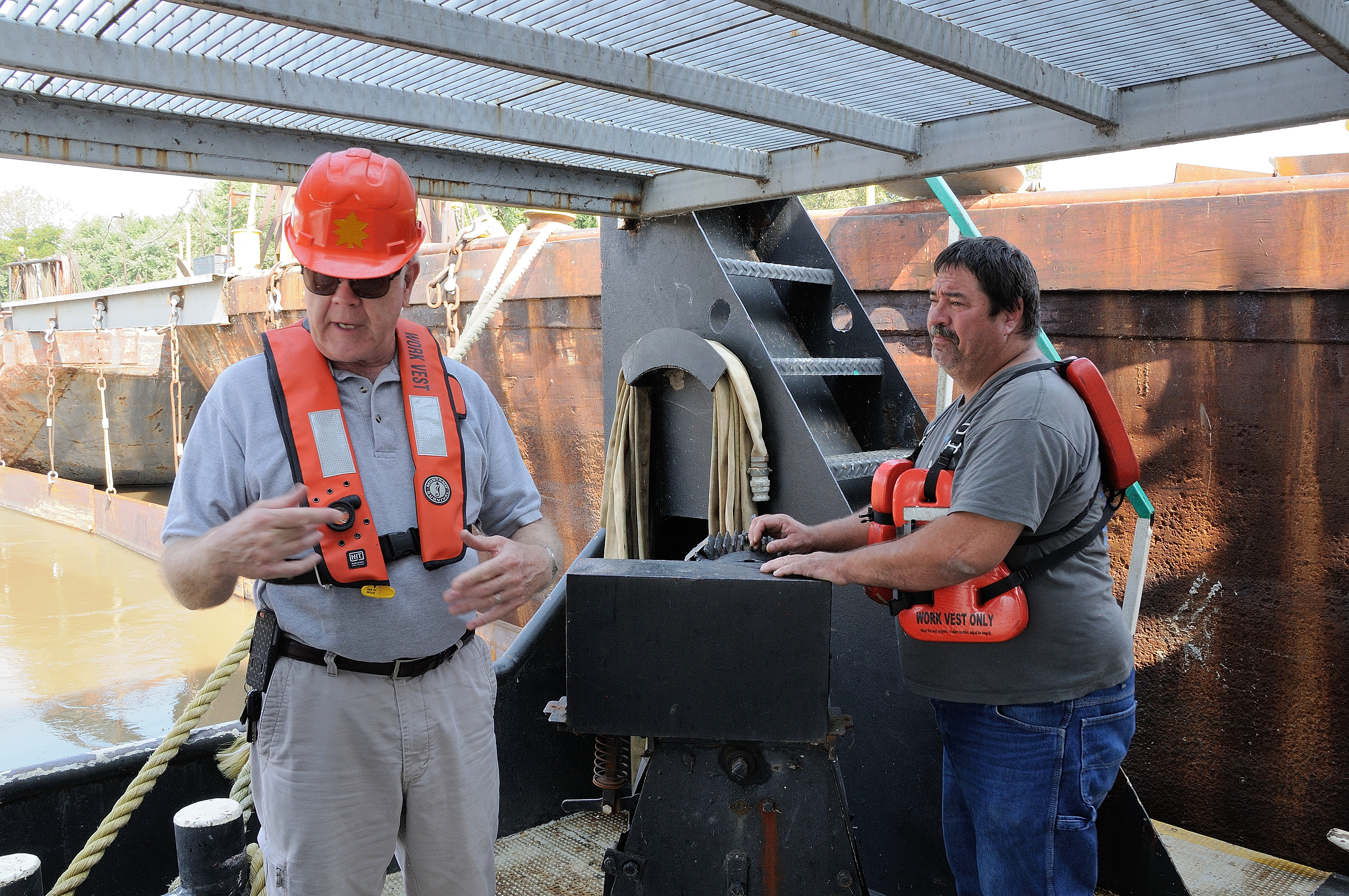
  • Shoot on Location: Film the training in your actual facility, using your equipment, and featuring your staff (where appropriate and consented). This instantly increases relatability and credibility.
  • Focus on ‘The Why’: Clearly articulate the immediate benefit of the procedure. For example, instead of just how to set up a fall-protection harness, explain that the specific action ensures a rapid rescue and prevents severe injury.
  • Demonstrate the Proper Tools: Ensure the equipment shown in the video is the exact model and type used by your team. Discrepancies lead to confusion and a breakdown of trust in the training.

Hurdle 3: Poor Technical Execution – Compromised Clarity

A video with subpar lighting, muffled audio, or shaky camera work undermines the professionalism of your entire operation. If the training is difficult to see or hear, the message is lost, and the organization’s commitment to safety may be perceived as low-effort.

Easy Win: Insist on Professional-Grade Equipment and Expertise.

  • Crisp Audio is Non-Negotiable: Invest in professional-grade microphones (lavalier, boom, etc.) and sound mixing. If people can’t clearly hear the instructions over background noise, the video is useless.
  • Master the Lighting: Safety instructions often take place in challenging environments (warehouses, factory floors, construction sites). Expert lighting is required to properly illuminate the subjects and, crucially, the detail of the procedure being demonstrated.
  • High-Resolution Detail: Use cameras capable of high-resolution image acquisition to ensure that detailed shots—such as reading a gauge, securing a lock, or checking a label—are perfectly clear on all playback devices. Specialized cameras and macro lenses may be necessary.

Hurdle 4: One-Size-Fits-All Delivery

Modern media consumption is diverse. A single, lengthy video is ineffective for on-the-go reference, pre-shift reminders, or different departments with varied needs.

Easy Win: Modular Content for Multi-Platform Repurposing.

  • Create “Micro-Lessons”: Instead of a 30-minute video, produce five 5-minute segments, each focused on a single key topic. This facilitates easier scheduling, faster review, and better retention.
  • Design for Diverse Media: Plan the shoot to acquire content for various outputs:
    • Full Video for formal training sessions.
    • Short Vertical Clips (Reels/Shorts) for quick social media reminders or internal safety communications.
    • High-Quality Stills for accompanying safety posters, compliance manuals, and website use.
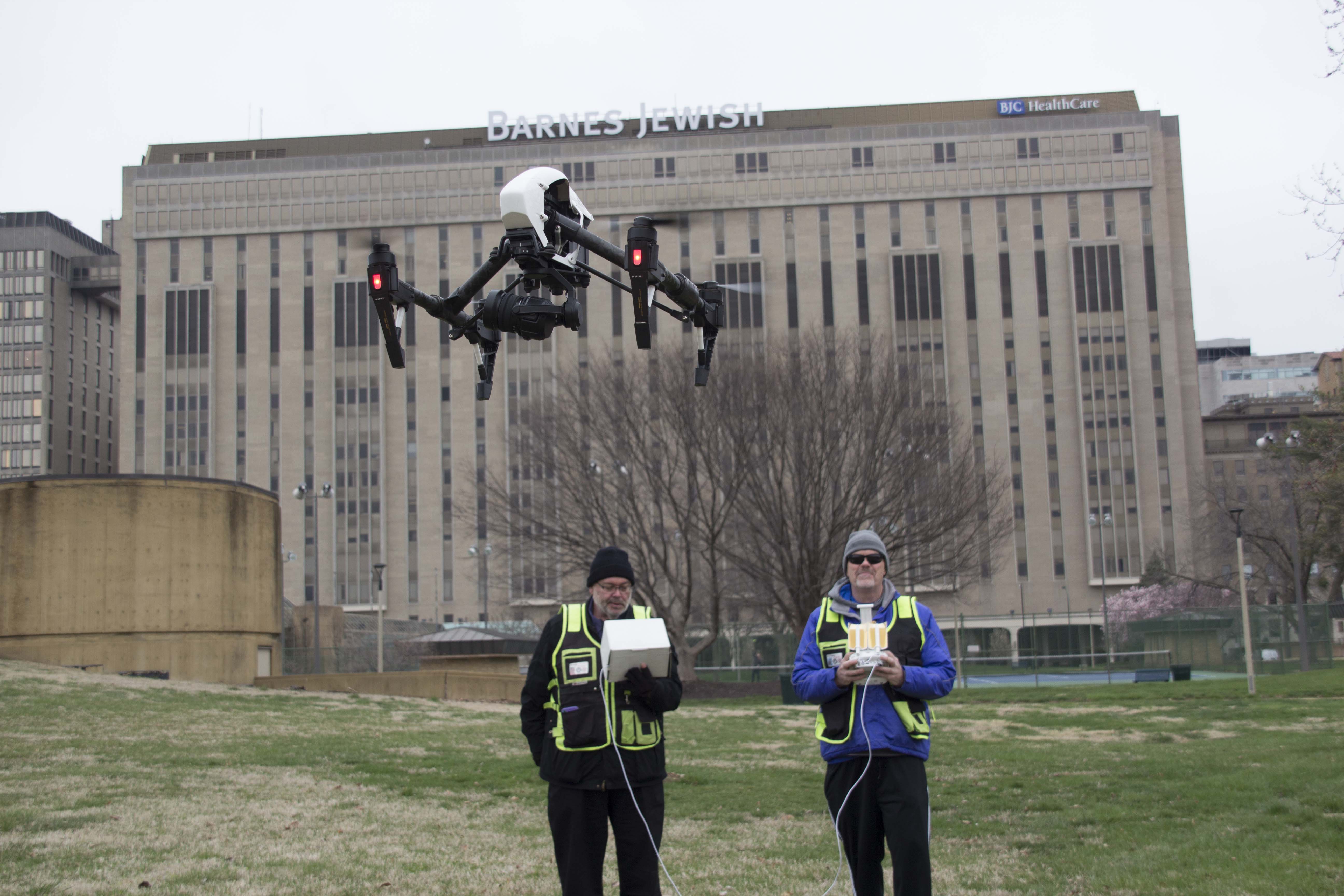
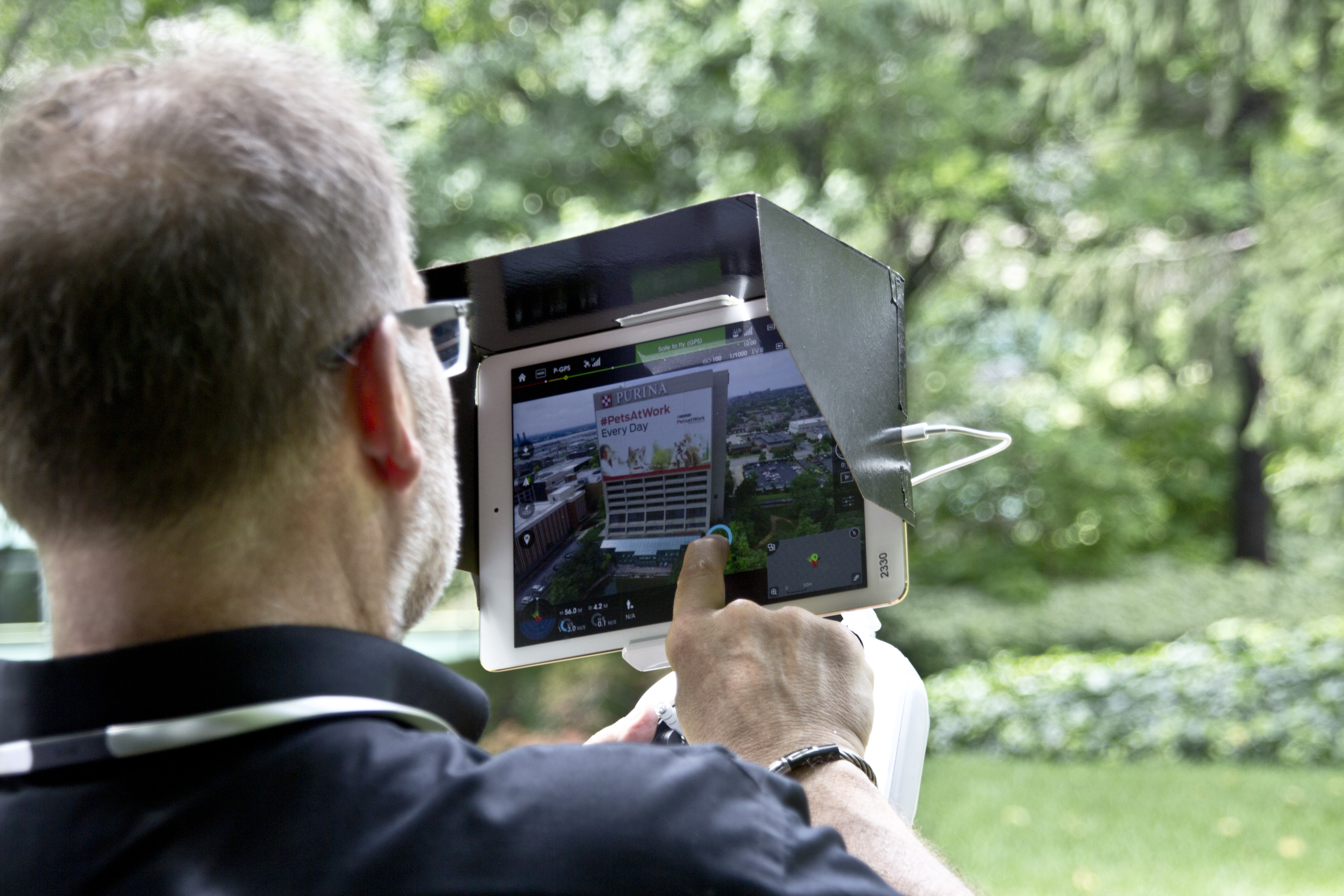
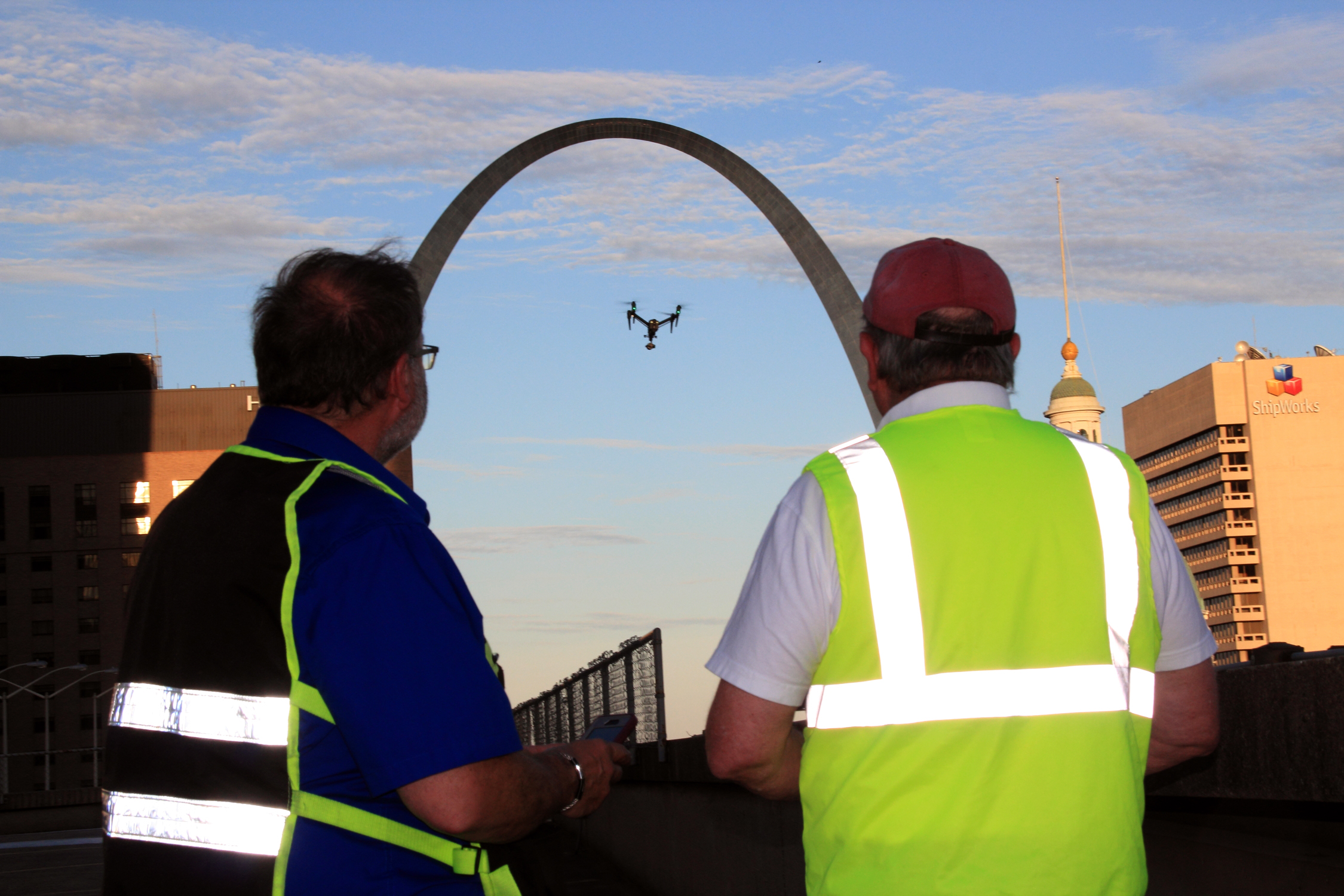
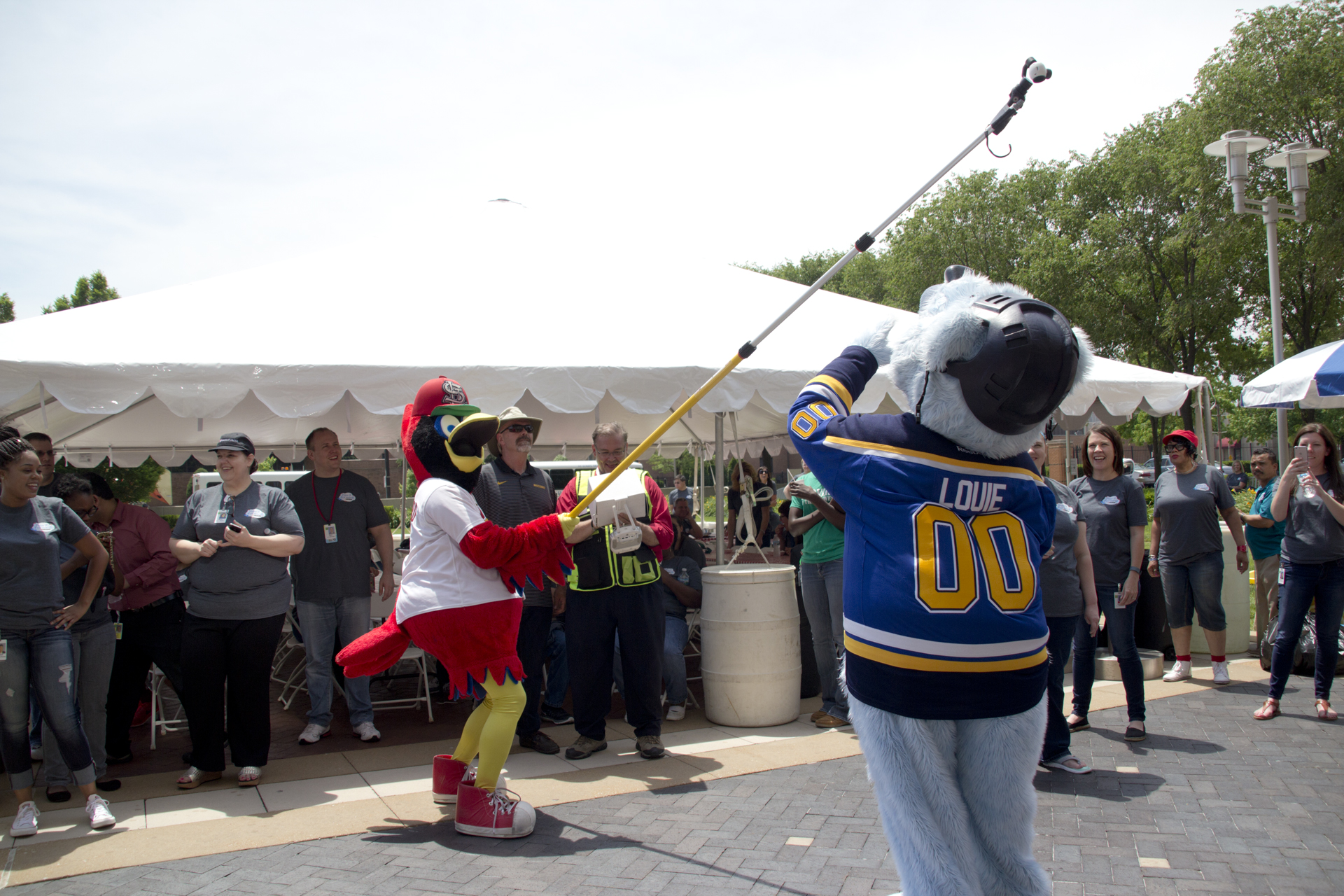
    • Drone Footage for capturing large-scale site overviews, evacuation routes, or equipment placement that can’t be safely captured from the ground.

Why Angel Eye Video Productions and Photography is Your Partner for Success

Overcoming these common hurdles requires more than just a camera; it demands a strategic, creative, and experienced approach.

Angel Eye Video Productions and Photography is a full-service professional commercial photography and video production company, operating as a corporation since 1982. Our longevity in the St. Louis area, working with countless businesses, marketing firms, and creative agencies, is a testament to our expertise in successful image acquisition for corporate branding and training.

We possess the right equipment and a creative crew service experience to make your next safety or training project seamless and successful.

  • Comprehensive Service: We offer full-service studio and location video and photography, as well as editing, post-production, and licensed drone pilots. We can even fly our specialized drones indoors to safely capture unique perspectives within complex facilities.
  • Customization and Repurposing: We customize your productions for diverse types of media requirements. Repurposing your photography and video branding to gain more traction is a specialty—we are well-versed in all file types, styles of media, and accompanying software to ensure your content works everywhere.
  • Cutting-Edge Technology: We use the latest in Artificial Intelligence for all our media services, enhancing everything from color correction and stabilization to detailed post-production analysis.
  • State-of-the-Art Studio: Our private studio lighting and visual setup is perfect for small productions and interview scenes, and is large enough to incorporate props to round out your set.
  • Full Production Support: We support every aspect of your production—from setting up a private, custom interview studio to supplying professional sound and camera operators, as well as providing the right equipment—ensuring your next video production is successful.

When the safety of your team and the efficiency of your operations are on the line, partner with a production team that brings four decades of expert insight and technical excellence to the field.

Shari Haller 314-913-5626 stlouisvideos@gmail.com

Tell a Better Story with a Mix of Ground and Drone Footage: Elevate Your Brand with Multi-Angle Video Production

In today’s fast-paced digital landscape, visual storytelling is more than just compelling content—it’s strategic communication. Businesses and marketing professionals are continually seeking innovative ways to capture attention and leave a lasting impression. One of the most effective methods for creating dynamic, immersive video content is through the strategic combination of ground-level cinematography and aerial drone footage.

At Angel Eye St Louis Commercial Video Production, we’ve found that blending these two perspectives unlocks a richer narrative and gives businesses a competitive edge in their marketing efforts.


Why Mixing Ground and Drone Footage Works

While traditional ground footage allows for detailed, intimate views—such as interviews, product showcases, or close-up brand storytelling—aerial drone video brings scale, context, and drama. When used in tandem, these two perspectives create a visually layered experience that enhances storytelling on multiple levels.

1. Establish Context with Aerial Views

Drone footage is perfect for setting the scene. Whether it’s showcasing a corporate campus, construction progress, retail location, or event venue, an overhead shot delivers immediate visual context and scale. These “establishing shots” grab attention and prime your viewer for what’s to come.

2. Add Cinematic Movement

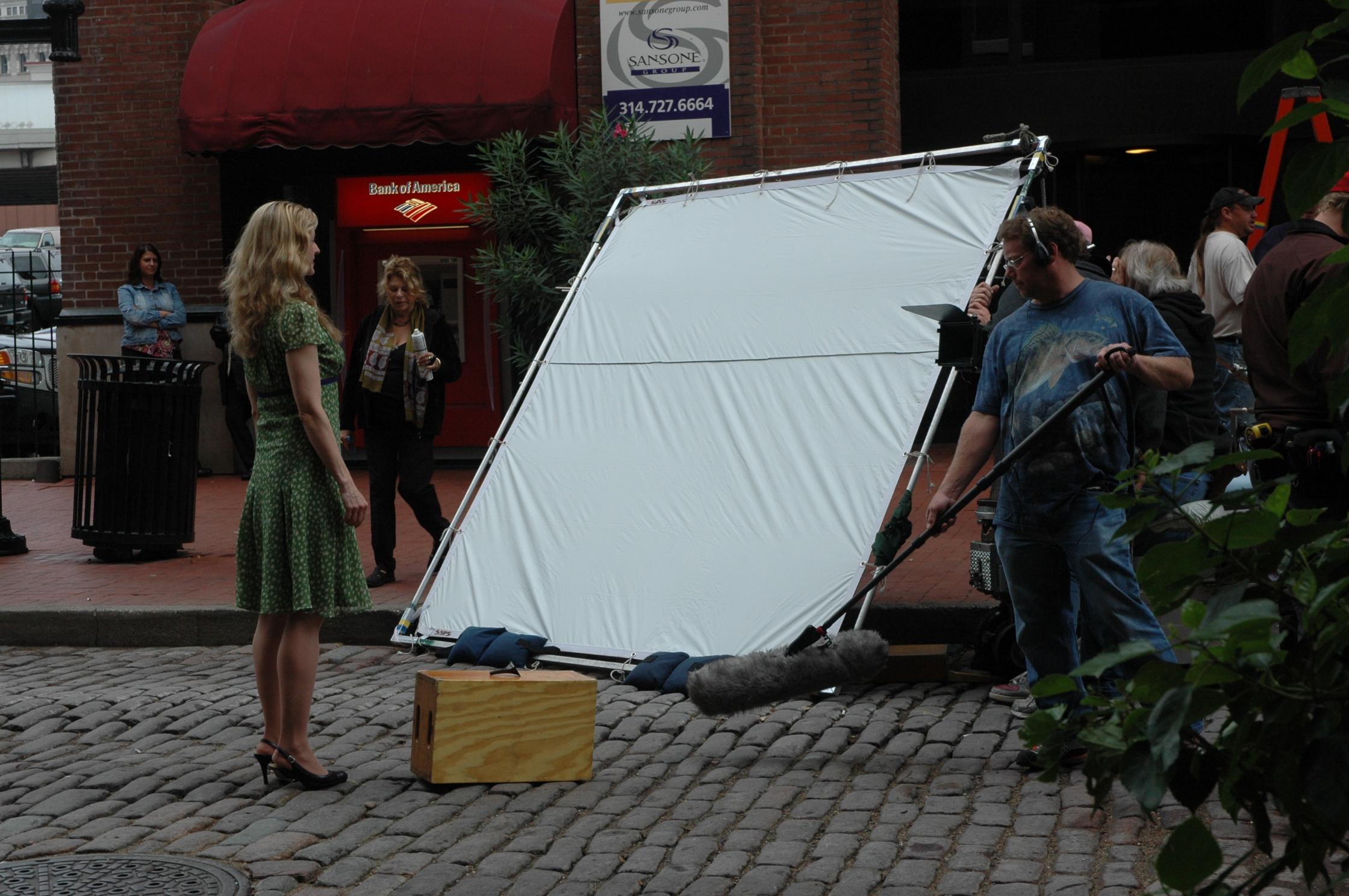
The fluid motion of a drone soaring over a landscape or gliding through an indoor warehouse adds production value that communicates professionalism and innovation. When paired with stable, ground-level camera work—such as slider shots, handheld b-roll, or gimbal-stabilized walk-throughs—the final product feels intentional and polished.

3. Highlight Details and Atmosphere

Ground footage is essential for capturing human expression, voice, emotion, and intricate detail—key storytelling ingredients. Whether it’s a customer testimonial, a hands-on product demo, or a scene-setting interview, these shots provide the emotional core of your narrative.

Meanwhile, drone shots can reintroduce scale, space, and movement to break up close scenes with energy and breadth.

4. Create Visual Variety and Maintain Viewer Engagement

A successful video production hinges on pacing and engagement. Switching between ground and aerial footage keeps the content visually fresh, allowing your audience to stay connected to the story without distraction or fatigue.
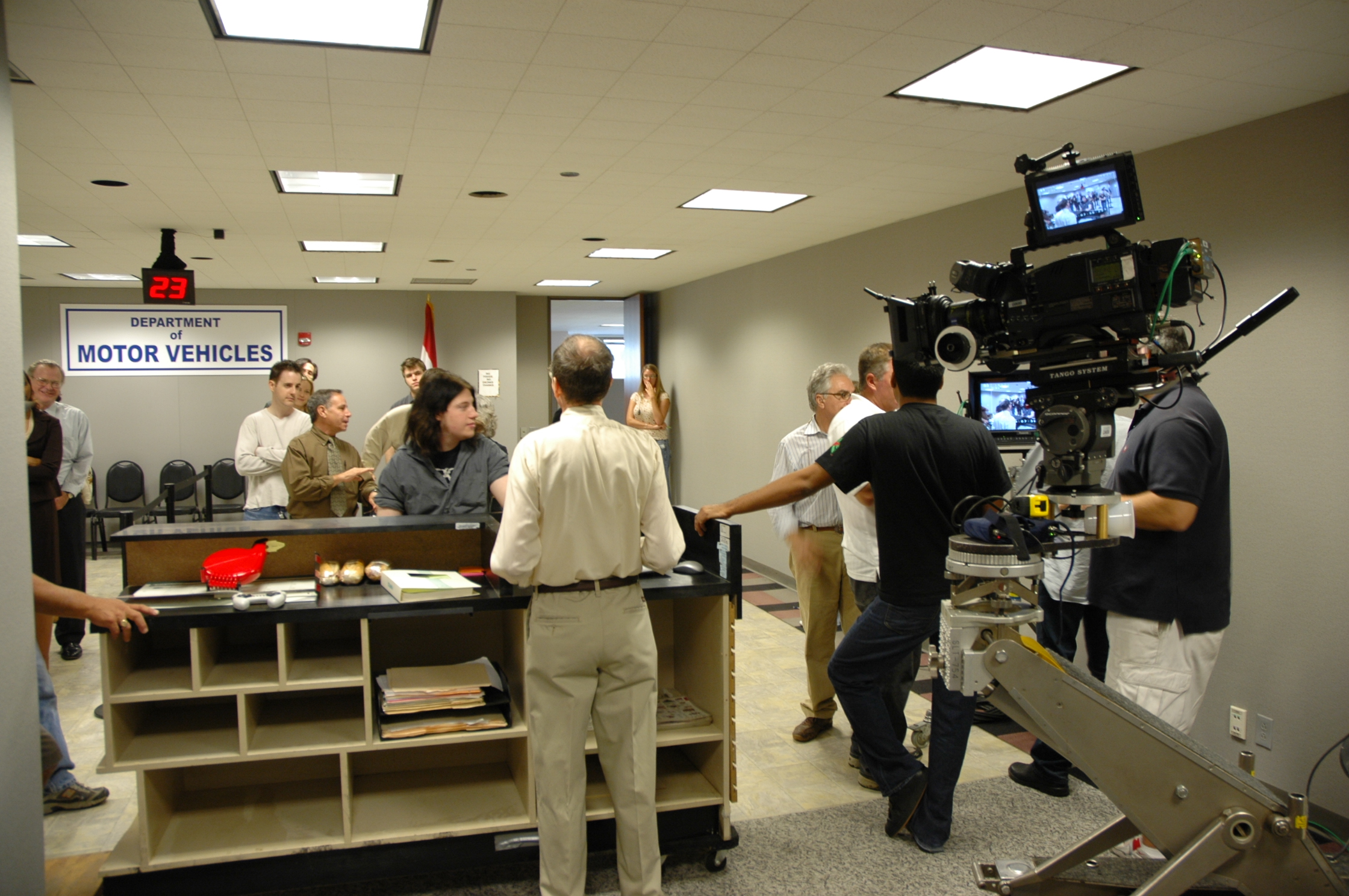

Strategic Uses of Combined Footage in Corporate Video

  • Commercial Real Estate: Show property size and proximity with drone footage, then cut to ground-level tours of key rooms or offices.
  • Construction and Industrial Sites: Document progress with drone flyovers, then use ground shots to capture team interviews and operational details.
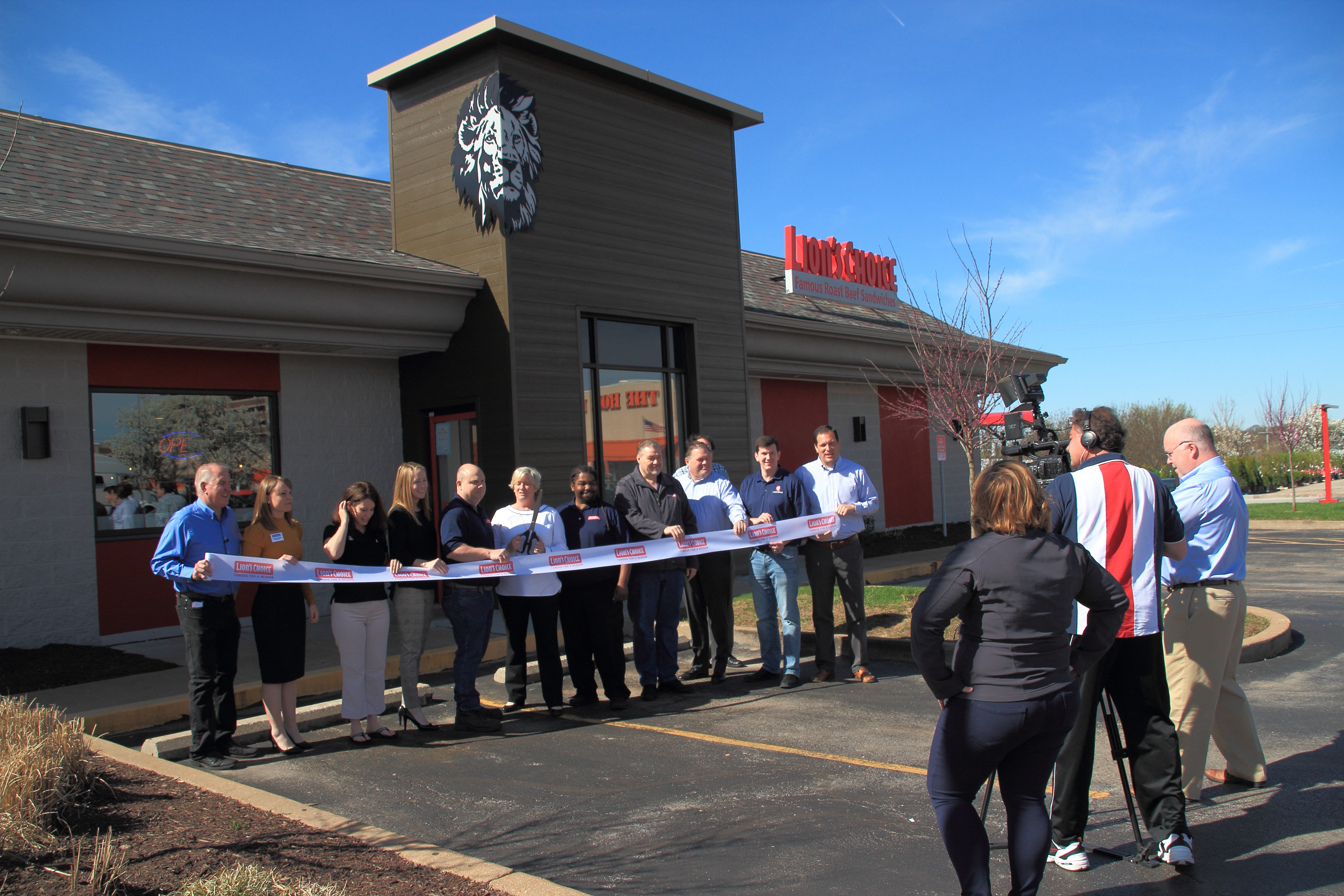
  • Event Coverage: Capture the scale of a corporate event or trade show from above, then weave in ground-level highlights, speaker clips, or testimonials.
  • Brand Stories & Testimonials: Start with a sweeping aerial view of your company headquarters or service region before narrowing in on personal, authentic interviews that build trust.

How Angel Eye St Louis Commercial Video Production Makes It Seamless

At Angel Eye St Louis Commercial Video Production, we’re experts in blending aerial and ground footage into cohesive, compelling videos that tell your brand’s story effectively. As a full-service commercial photography and video production company, we offer:

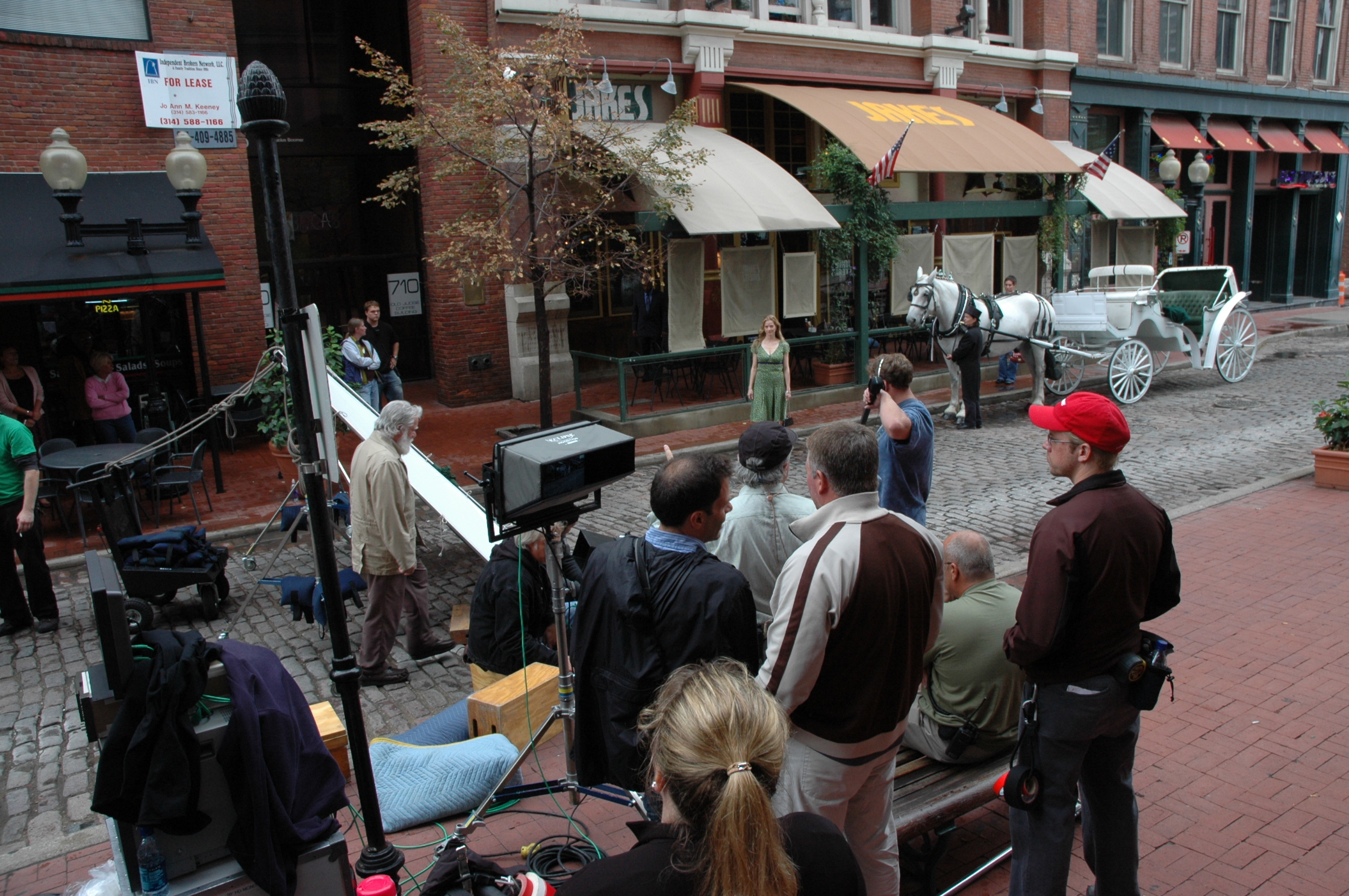
  • Full-service studio and on-location video and photography
  • Professional editing and post-production services
  • FAA-licensed drone pilots for outdoor and indoor flights
  • Advanced AI-enhanced workflows to maximize quality and efficiency
  • A private studio lighting and interview setup, ideal for testimonials and presentations
  • On-site sound and camera operators, prop staging, and more

We understand the needs of modern businesses and creative agencies. Since 1982, we’ve worked with marketing firms, corporate teams, and brand strategists across St. Louis to create tailored productions that meet evolving media goals.

From a sweeping drone shot of your corporate headquarters to an emotionally resonant interview in our studio, Angel Eye St Louis Commercial Video Production has the right crew, equipment, and creative eye to tell your story from every angle.
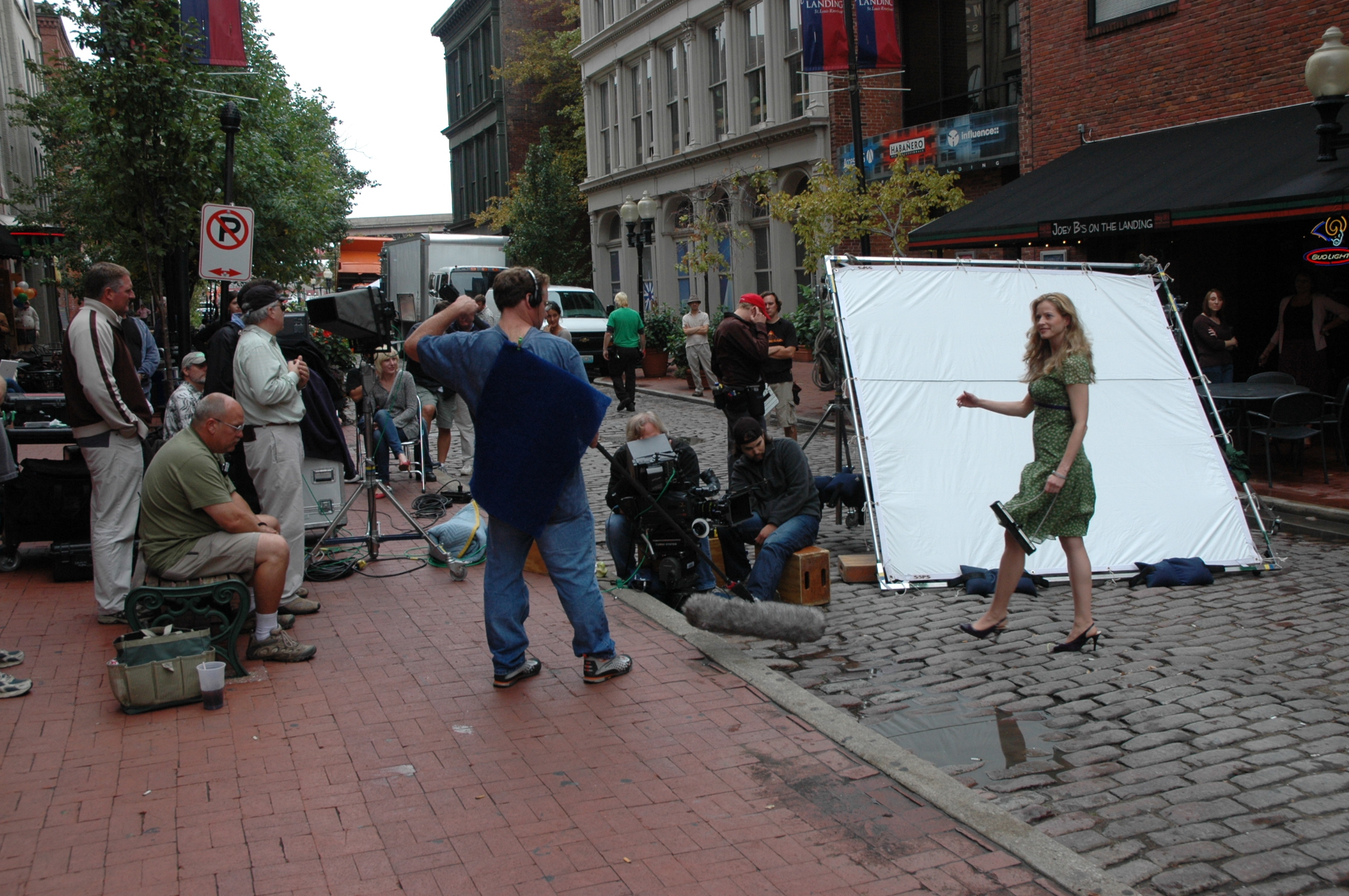

Ready to elevate your next marketing video with a powerful mix of ground and drone footage?
Let Angel Eye St Louis Commercial Video Production craft your visual story—capturing your brand from all the right perspectives.
 314-913-5626 stlouisvideos@gmail.com

What Are the Different Styles of Marketing Videos You Can Create for Your Small Business?

In today’s digital landscape, video marketing has become an indispensable tool for small businesses looking to engage their audience, build brand awareness, and drive sales. But with so many different styles of marketing videos available, it can be challenging to decide which type will best serve your business goals. Below, we’ll explore various styles of marketing videos, their unique benefits, and how they can be leveraged to elevate your brand.

Event videos capture the energy and highlights of a live event, such as a conference, trade show, or product launch. These videos can be used to promote future events, share insights from the event, or provide a recap for those who couldn’t attend.

1. Explainer Videos

Explainer videos are short, engaging pieces that explain a product, service, or concept in a clear and concise way. They often use animations, voiceovers, and on-screen text to break down complex ideas, making them easy for the audience to understand. These videos are ideal for introducing a new product or service, simplifying technical information, or explaining how something works.

Why Use Them? Explainer videos are effective at capturing attention and delivering key information quickly. They can also improve user engagement on your website and increase conversion rates by helping potential customers understand the value of your offering.

2. Testimonial Videos

Testimonial videos feature satisfied customers sharing their positive experiences with your product or service. These authentic, first-person accounts provide social proof, helping to build trust and credibility with your audience. When prospects see real people vouching for your brand, they’re more likely to feel confident in making a purchase.

Why Use Them? Testimonial videos are particularly effective in the consideration stage of the buyer’s journey, where potential customers are weighing their options. They humanize your brand and offer persuasive evidence of your product’s effectiveness.

3. Product Demo Videos

Product demo videos showcase your product in action, highlighting its features and demonstrating how it works. These videos are perfect for businesses with physical products or software solutions, as they provide a visual and hands-on understanding of what you offer.

Why Use Them? Product demo videos are valuable for educating potential customers, reducing the learning curve, and addressing any concerns they might have before making a purchase. They can also be repurposed for training and customer support purposes.

4. Corporate Culture Videos

Corporate culture videos offer a behind-the-scenes look at your company, its values, and the people who work there. These videos help to build a connection between your brand and your audience by showcasing the human side of your business.

Why Use Them? Corporate culture videos are excellent for recruiting new talent, building brand loyalty, and differentiating your company in a crowded market. They resonate well on social media platforms, where audiences value authenticity and transparency.

5. Educational Videos

Educational videos provide valuable information to your audience on a topic relevant to your industry. These videos position your brand as a thought leader and a trusted resource for knowledge and advice.

Why Use Them? Educational videos are highly shareable and can drive organic traffic to your website. They help establish your authority in your field and keep your audience engaged by offering them something of value, beyond just selling a product.

6. Event Videos

Event videos capture the energy and highlights of a live event, such as a conference, trade show, or product launch. These videos can be used to promote future events, share insights from the event, or provide a recap for those who couldn’t attend.

Why Use Them? Event videos create a sense of urgency and excitement around your brand. They’re also a great way to extend the life of your event, allowing you to reach a broader audience and keep the conversation going long after the event has ended.

7. Social Media Videos

Social media videos are short, engaging, and optimized for sharing on platforms like Instagram, Facebook, and LinkedIn. These videos often focus on a single message or call to action and are designed to grab attention quickly.

Why Use Them? Social media videos are perfect for reaching a large audience, building brand awareness, and driving traffic to your website. Their snackable format makes them ideal for the fast-paced nature of social media, where users are often scrolling quickly through their feeds.

8. Animated Videos

Animated videos use graphics and illustrations to tell a story, explain a concept, or promote a product. They’re versatile and can be tailored to fit any brand style, making them a popular choice for explainer videos, tutorials, and brand storytelling.

Why Use Them? Animated videos are highly engaging and can simplify complex ideas in a visually appealing way. They’re also flexible, allowing you to create content that matches your brand’s tone, whether it’s playful, professional, or somewhere in between.

9. Live Videos

Live videos are streamed in real-time, allowing your audience to engage with your content as it happens. This format is ideal for Q&A sessions, product launches, behind-the-scenes tours, and live events.

Why Use Them? Live videos create a sense of immediacy and authenticity, fostering real-time interaction with your audience. They’re also highly engaging, as viewers can ask questions, leave comments, and be part of the conversation in the moment.

Conclusion

Each of these video styles serves a different purpose and can be a powerful tool in your marketing arsenal. The key is to choose the type of video that aligns with your business goals and speaks to your target audience.

At St Louis Commercial Video Production, we understand that creating high-quality, effective marketing videos requires the right blend of creativity, technical expertise, and strategic thinking. As a full-service professional commercial photography and video production company, we have the equipment, experience, and creative crew to bring your vision to life.

We offer studio and location video and photography, editing, post-production, and licensed drone pilots to customize your production for diverse media requirements. Our expertise in repurposing photography and video branding ensures that your content gains the maximum traction across various platforms.

With extensive experience in all file types, media styles, and accompanying software, we’re equipped to handle every part of your production process. Our private studio lighting and visual setup is perfect for small productions and interview scenes, with enough space to incorporate props and round out your set.

Since 1982, St Louis Commercial Video Production has been a trusted partner for businesses, marketing firms, and agencies in the St. Louis area, delivering high-quality corporate photography and video services. From custom interview studio setups to specialized indoor drone flights, we have everything you need to make your next video production perfect. Let us help you tell your brand’s story through compelling and impactful videos.

314-913-5626 stlouisvideos@gmail.com

What are the Best Practices for Creating a Great Promotional Video Production?

In today’s digital age, video marketing has become one of the most effective ways to reach and engage with your audience. Promotional videos can be a powerful tool for businesses to showcase their products, services, or brand. However, creating a great promotional video production requires more than just recording footage and throwing it together. In this article, we will discuss the best practices for creating a great promotional video production that will help you achieve your marketing goals.

Creating a great promotional video production can be a challenging and time-consuming process, but it’s worth the effort. A well-crafted video can help you reach and engage with your target audience and achieve your marketing goals.

Define Your Goals and Target Audience

Before you start the video production process, it is essential to define your goals and target audience. Your goals should be specific, measurable, attainable, relevant, and time-bound (SMART). This will help you determine what kind of video you need to create and what message you want to convey. Understanding your target audience is equally important. You need to know who they are, what they care about, and what motivates them. This will help you tailor your video to their interests and preferences.

Craft a Compelling Story

Once you have defined your goals and target audience, it’s time to craft a compelling story. A good promotional video should tell a story that captures your audience’s attention and makes them want to learn more about your product or service. A story can be a powerful tool to convey your message and make an emotional connection with your audience. Your story should have a clear beginning, middle, and end, and should be structured in a way that keeps your audience engaged.

Keep it Short and Sweet

In today’s fast-paced world, attention spans are shorter than ever. Your promotional video should be short and sweet, ideally between 30 seconds to 2 minutes. The goal is to capture your audience’s attention and deliver your message in a concise and impactful way. If your video is too long, you risk losing your audience’s attention and missing the opportunity to convey your message effectively.

Plan Your Shots and Visuals

The visuals in your promotional video are just as important as the message you are trying to convey. Plan your shots and visuals carefully to create a visually appealing and engaging video. Think about the colors, lighting, and camera angles you want to use to tell your story. It’s also essential to choose the right music and sound effects to create the right mood and atmosphere.

Invest in Quality Equipment and Editing

Quality equipment and editing can make a significant difference in the final product of your promotional video. Invest in high-quality equipment such as cameras, lighting, and sound recording devices to capture the best footage possible. It’s also crucial to have a skilled video editor who can bring your footage to life and create a polished final product that meets your goals.

Incorporate a Call-to-Action

A call-to-action (CTA) is a crucial part of any promotional video. It’s the part of the video that tells your audience what to do next, whether it’s to visit your website, sign up for a newsletter, or make a purchase. Your CTA should be clear, concise, and easy to follow. It’s also essential to place your CTA strategically in your video to ensure maximum visibility and impact.

Optimize for Search Engines and Social Media

Creating a great promotional video is only half the battle. You also need to optimize your video for search engines and social media to reach your target audience. Use keywords and hashtags relevant to your industry or niche in your video’s title, description, and tags. Share your video on social media channels and encourage your audience to share it with their networks. You can also use paid advertising to reach a wider audience.

Test and Measure Your Results

Once your promotional video is live, it’s essential to track and measure your results to determine its effectiveness. Use analytics tools

to monitor metrics such as views, engagement, and conversions to see how your video is performing. Use this data to refine your video marketing strategy and create even more effective videos in the future.

Conclusion

Creating a great promotional video production requires careful planning, attention to detail, and a focus on your goals and audience. By following these best practices, you can create a video that effectively showcases your brand, product, or service and engages your target audience. Remember to craft a compelling story, keep it short and sweet, plan your shots and visuals, invest in quality equipment and editing, incorporate a call-to-action, optimize for search engines and social media, and test and measure your results. With these tips, you can create a promotional video that stands out and helps you achieve your marketing goals.

Additional Tips

Here are some additional tips that can help you create an even better promotional video production:

1. Know Your Unique Selling Proposition (USP)

Your unique selling proposition is what sets you apart from your competitors. It’s what makes your product or service unique and valuable. Incorporating your USP into your promotional video can help you stand out and attract more customers.

2. Use Emotion to Connect with Your Audience

Emotion is a powerful tool in video marketing. By incorporating emotion into your promotional video, you can make a deeper connection with your audience and create a lasting impression. Whether it’s humor, inspiration, or empathy, using emotion can help your audience remember your brand and message.

3. Tell a Story with Your Customer Testimonials

Customer testimonials are an excellent way to showcase the value and effectiveness of your product or service. By telling a story with your customer testimonials, you can create a more compelling and engaging video. Use your customer testimonials to highlight the benefits of your product or service and how it has helped others.

4. Show, Don’t Tell

In video marketing, showing is often more effective than telling. Instead of telling your audience about the benefits of your product or service, show them. Use visuals and demonstrations to showcase how your product or service works and how it can help your audience.

5. Keep Your Branding Consistent

Consistency is key in branding. Make sure your promotional video production is consistent with your brand’s style, tone, and messaging. Use your brand colors, fonts, and logo throughout your video to reinforce your brand’s identity and make it more memorable.

Final Thoughts

Creating a great promotional video production can be a challenging and time-consuming process, but it’s worth the effort. A well-crafted video can help you reach and engage with your target audience and achieve your marketing goals. By following the best practices outlined in this article and incorporating additional tips, you can create a video that effectively showcases your brand, product, or service and sets you apart from your competitors. Remember to tell a compelling story, keep it short and sweet, plan your shots and visuals, invest in quality equipment and editing, incorporate a call-to-action, optimize for search engines and social media, test and measure your results, and above all, be creative and have fun!

314-913-5626  stlouisvideos@gmail.com