Roof problems rarely begin as obvious failures. They start small—trapped moisture, compromised seams, deteriorating insulation, punctures around penetrations, flashing issues, drainage trouble, or subtle heat loss that goes unnoticed until staining, mold, rising utility costs, or interior damage forces attention. By the time a traditional visual inspection identifies the issue, the damage is often more extensive and more expensive to correct.
That is why infrared drone technology has become such a valuable tool for commercial and industrial roof assessments. For building owners, facility managers, property managers, insurance professionals, and marketing decision makers responsible for documenting properties and planning capital improvements, infrared drones offer a faster, safer, and more informative way to detect roofing problems before they escalate.
At Angel Eye Video Productions and Photography, we understand that decision makers need more than attractive aerial footage. They need actionable visual information. Infrared drone inspections can reveal conditions that standard photography alone cannot show, helping organizations make better maintenance, repair, insurance, and asset-management decisions.
What an Infrared Drone Inspection Actually Does
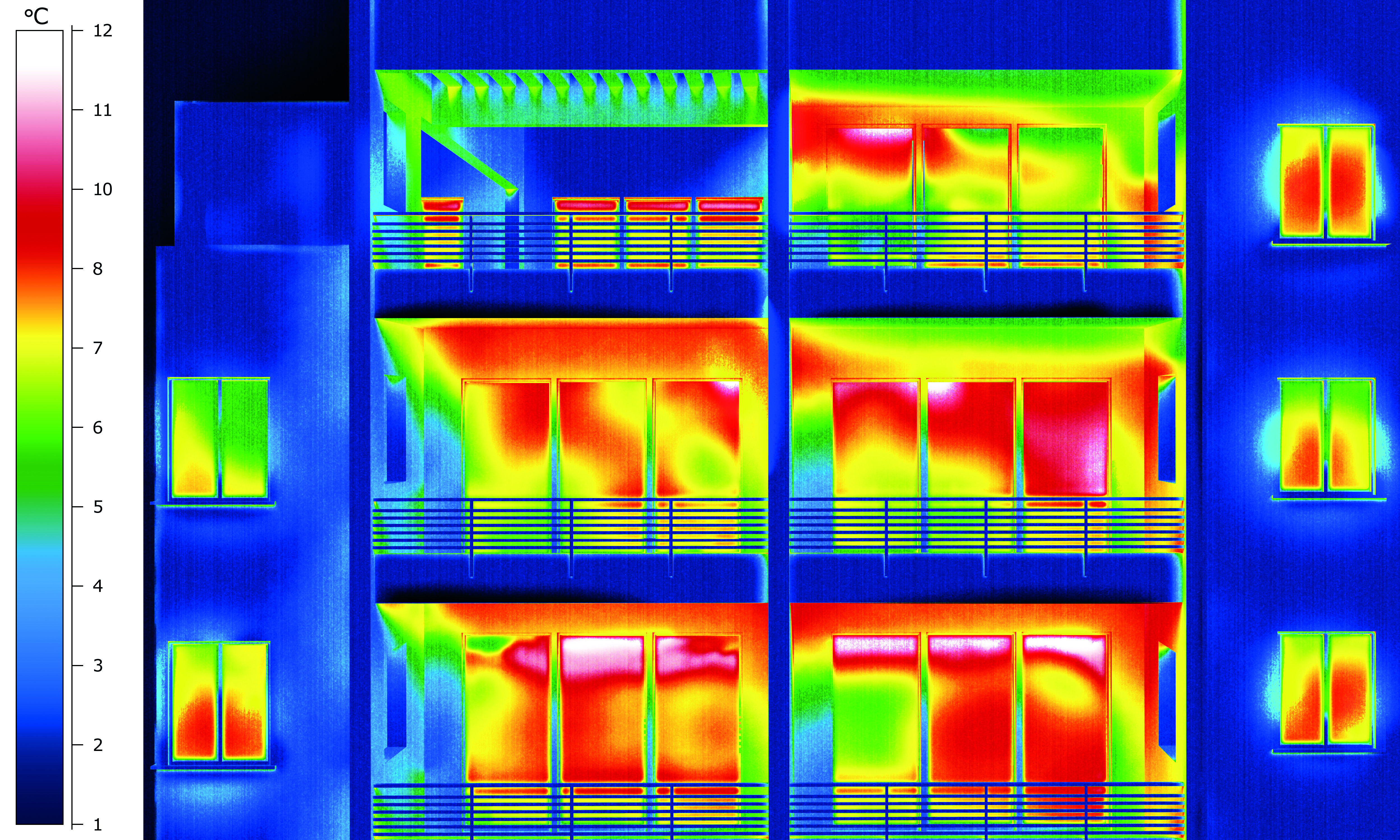
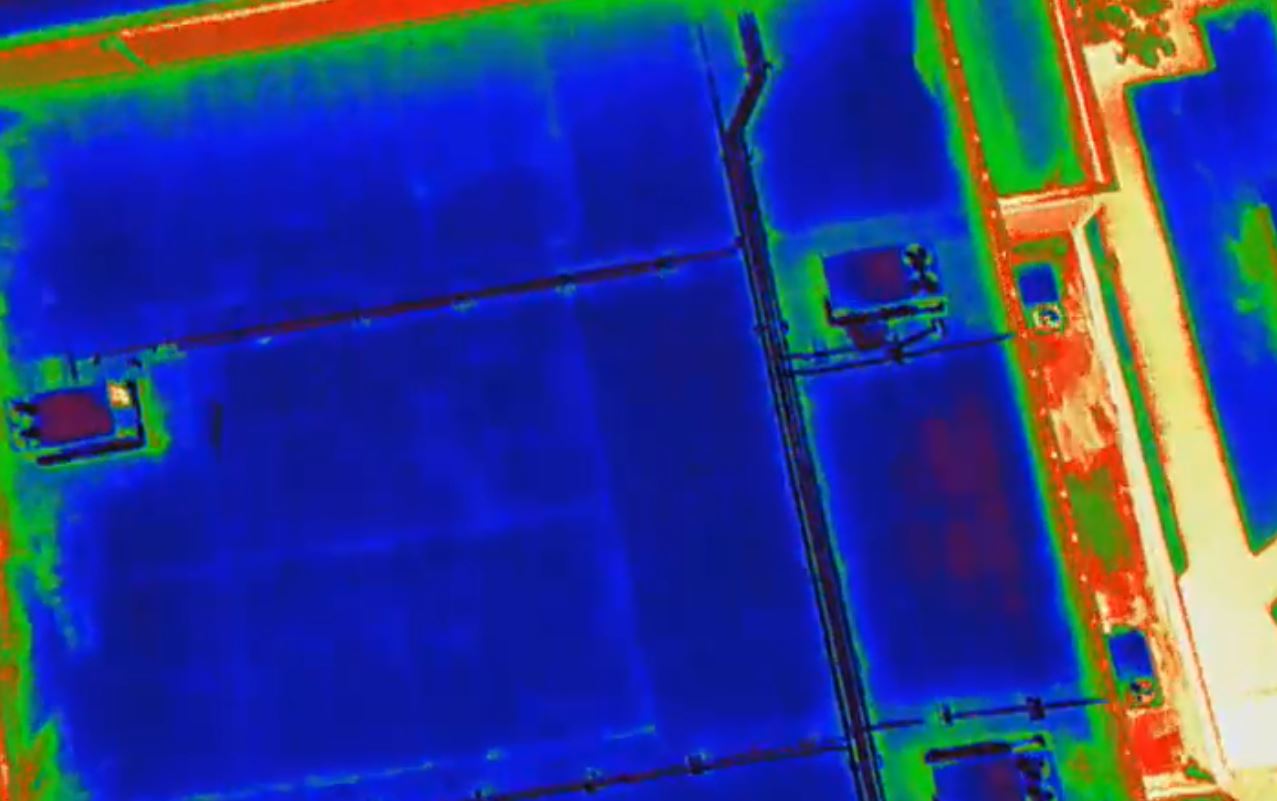
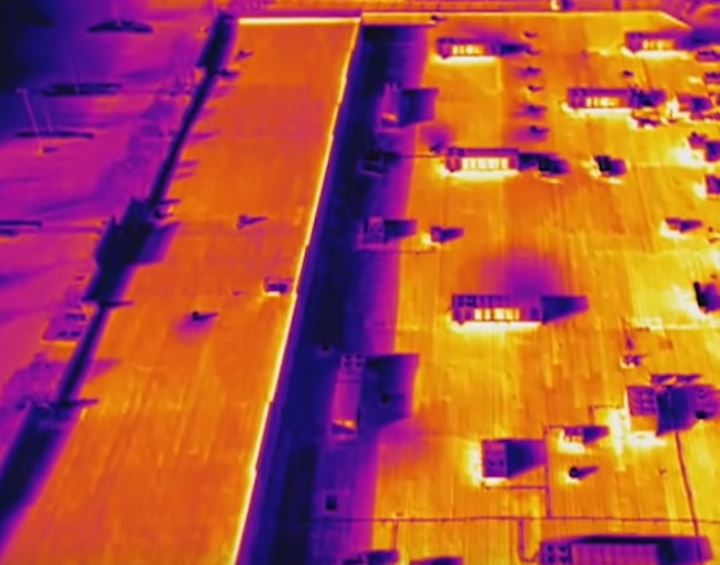
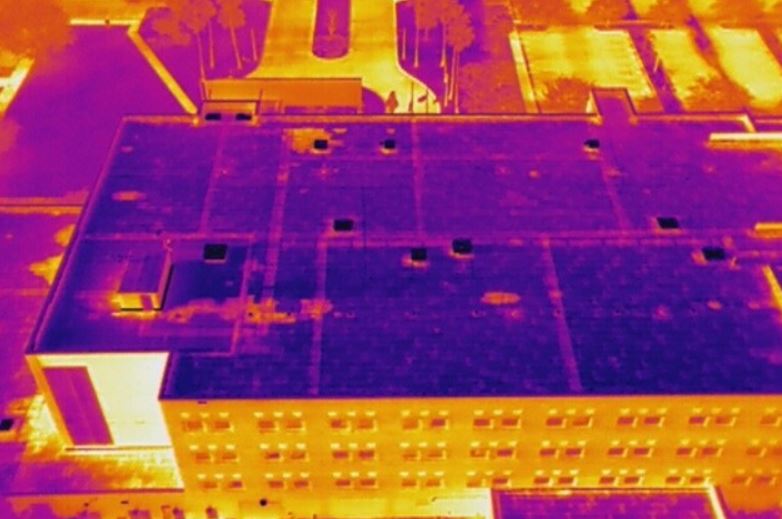
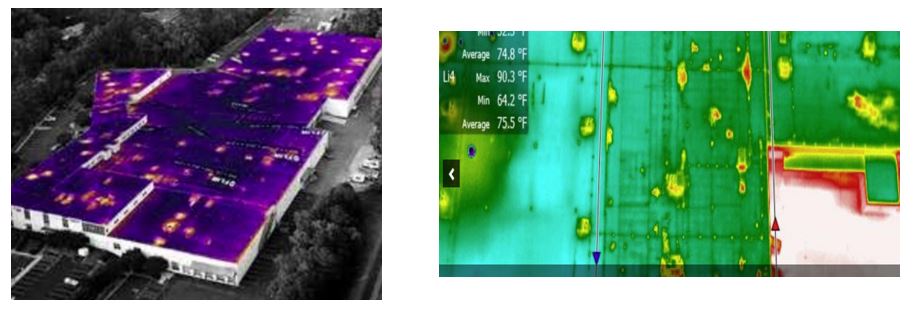
An infrared drone uses a thermal imaging camera to detect temperature differences across a roof surface. Those temperature variations can indicate anomalies that deserve closer attention. Wet insulation, trapped moisture, membrane separation, poor sealing, heat leakage, blocked drains, and failed repairs often change how a roof absorbs and releases heat. Thermal imaging allows those differences to appear in a clear visual pattern.
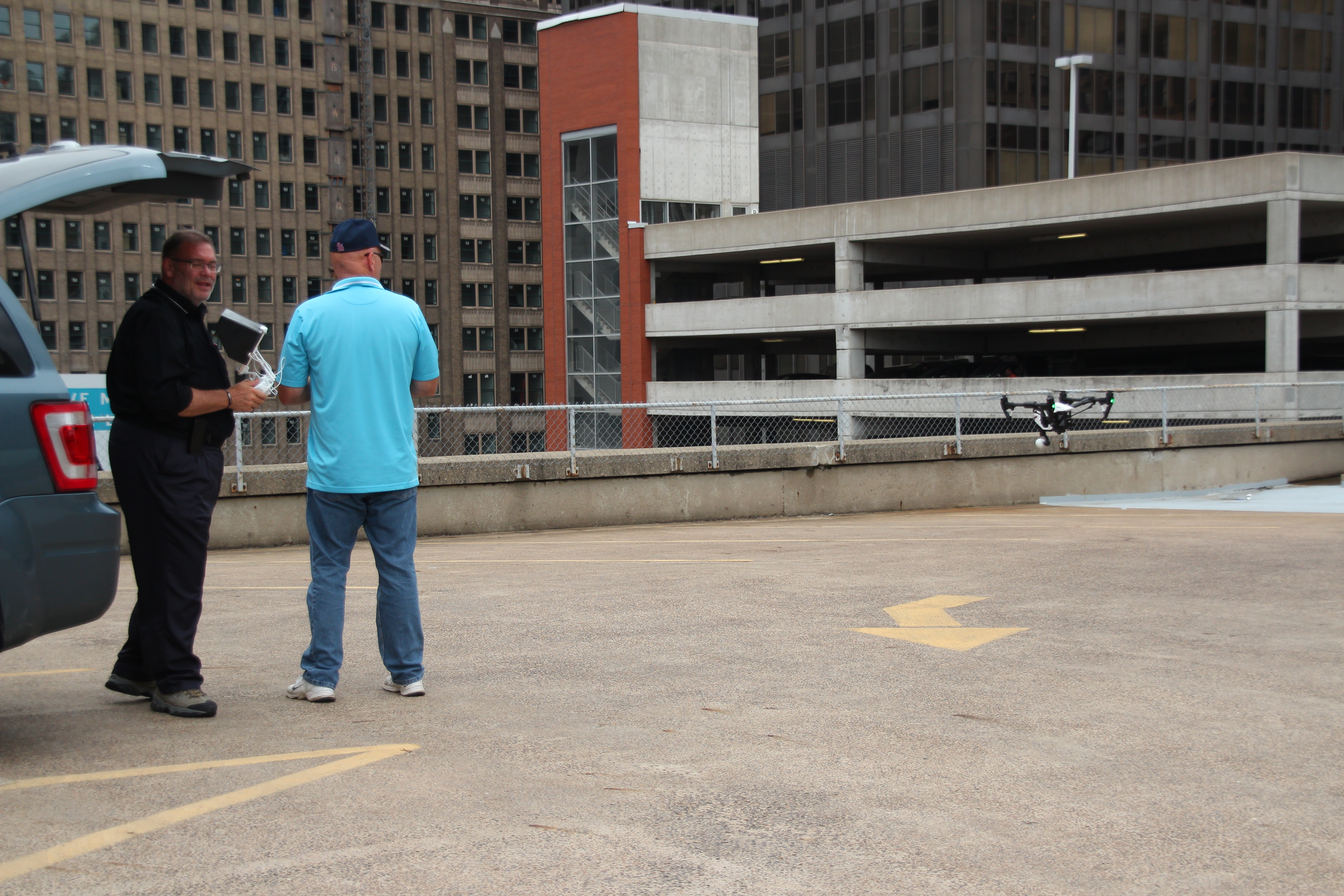
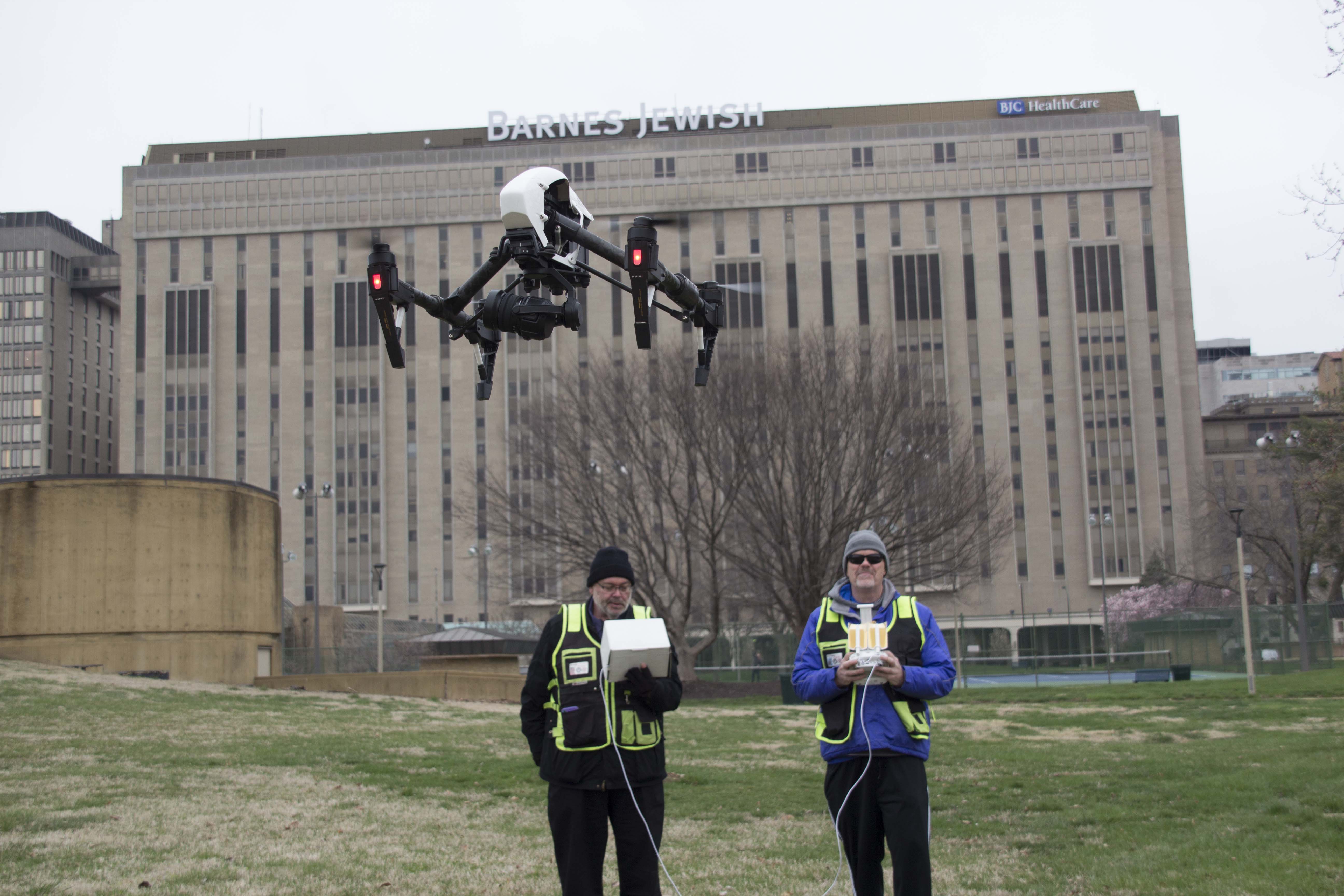
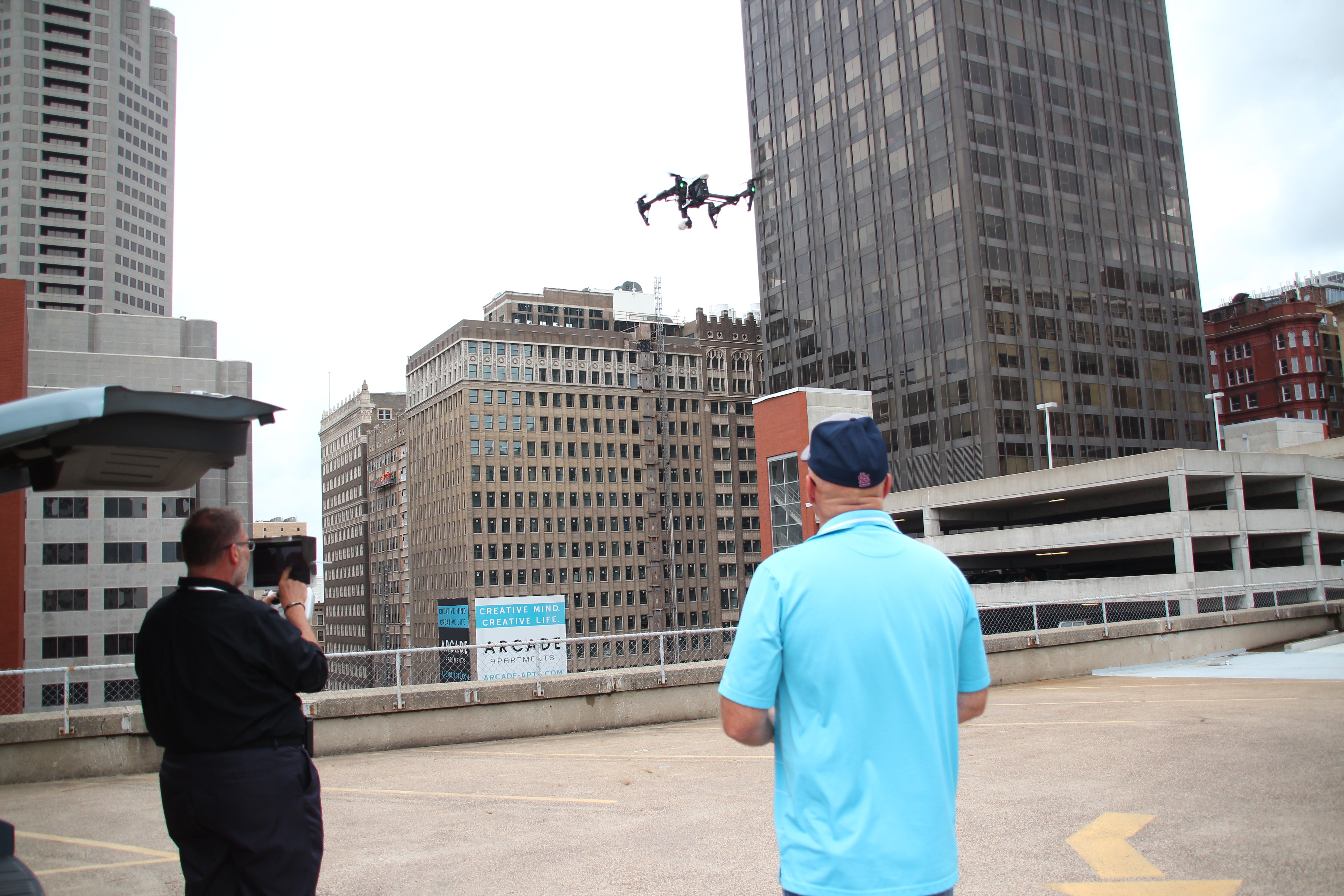
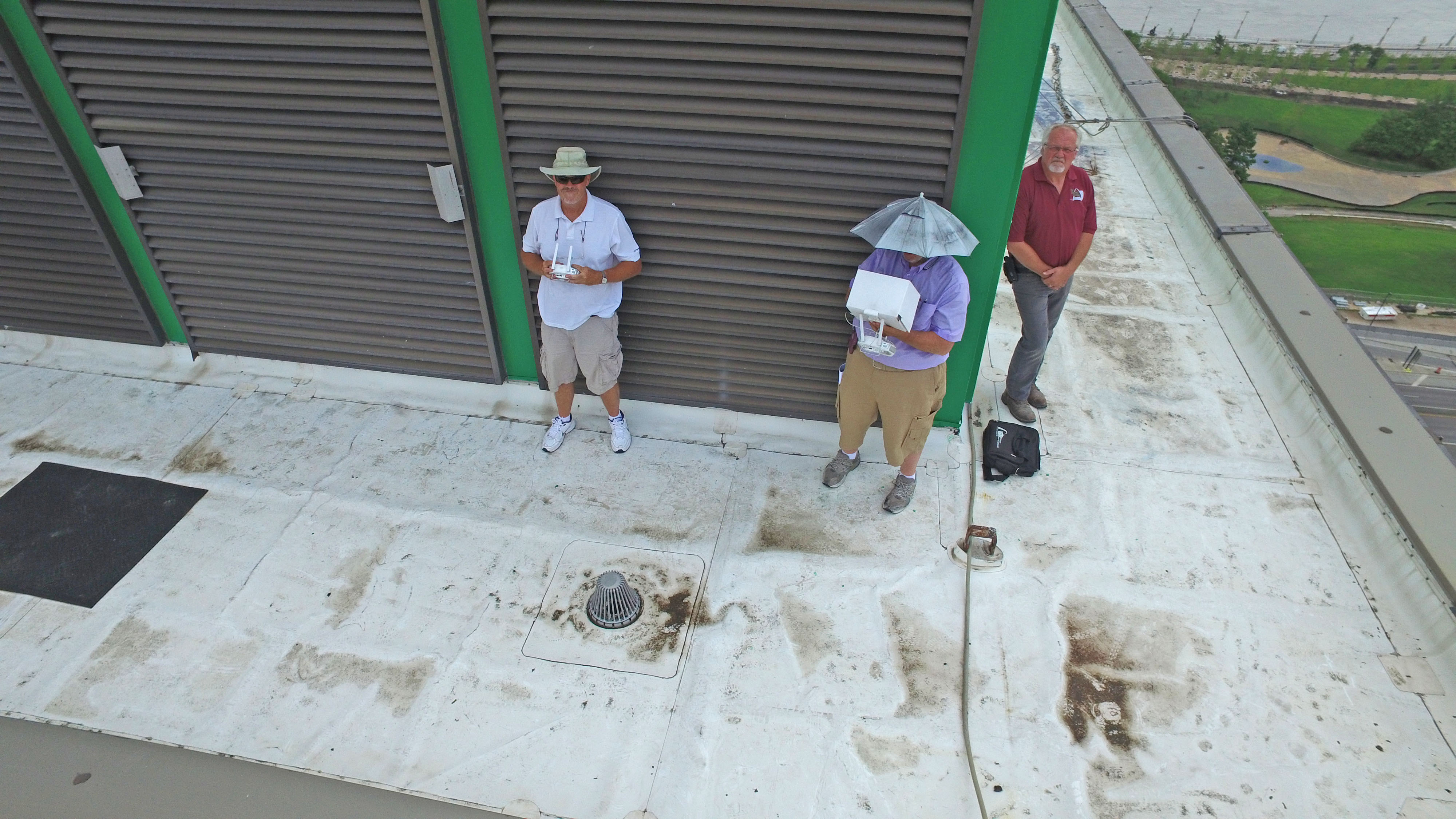
When mounted on a specialized drone platform, the thermal camera can quickly scan large roof areas from above and capture consistent, high-angle imagery that would otherwise require ladders, lifts, or extensive foot traffic on the roof. This approach is particularly valuable on expansive commercial roofs, multi-building campuses, industrial facilities, schools, warehouses, office complexes, healthcare properties, and retail centers.
Rather than relying solely on a manual walkthrough and the naked eye, a drone-based infrared inspection adds another layer of evidence. It gives stakeholders a broader view of the roof system and a visual record that can be reviewed, shared, archived, and compared over time.
Why Traditional Roof Inspections Often Miss Early Problems
A visual roof inspection is still important, but visual inspection alone has limitations. Many roofing failures begin below the surface. A membrane can look acceptable from above while moisture is already spreading beneath it. Small breaches around seams, HVAC units, skylights, drains, curbs, and parapets may not present obvious surface damage until the underlying materials are already compromised.
Traditional inspections can also be inconsistent because access, lighting, weather, roof slope, and physical safety concerns all affect what can be seen and documented. On large commercial roofs, it is difficult to capture the full context of the roof’s condition from ground level or through scattered handheld photographs.
Infrared drones help overcome those limitations by delivering:
- A broader and more consistent roof overview
- Rapid coverage of large surface areas
- Access to hard-to-reach locations
- Reduced need for extensive roof traffic
- Thermal data that complements standard visual imagery
- High-resolution documentation for review and reporting
This does not mean thermal imaging replaces a qualified roofing professional. It means it gives that professional, along with the property owner or facilities team, better visual intelligence to guide further investigation and repair decisions.
What Infrared Drones Can Potentially Reveal
A properly timed and professionally executed infrared drone survey can help identify patterns that may suggest:
1. Moisture Intrusion
One of the most important uses of thermal roof imaging is detecting areas where moisture may be trapped beneath the roofing membrane. Wet insulation and damp substrates often retain heat differently than dry materials, creating identifiable thermal signatures.
2. Failing Seams and Flashing
Roof seams, flashing transitions, and penetrations are among the most common points of failure. Infrared imagery can help isolate suspicious thermal irregularities near those vulnerable areas.
3. Drainage Issues
Standing water, poor slope, blocked drains, and recurring ponding problems can contribute to premature roof deterioration. Thermal mapping may reveal patterns that support drainage analysis and maintenance planning.
4. Insulation Deficiencies
Damaged or degraded insulation can contribute to energy loss and inconsistent roof temperatures. Infrared imagery can help visualize areas where insulation performance may be compromised.
5. Repair Verification
When repairs have already been made, drone-based thermal imaging can help verify whether trouble areas appear stabilized or whether anomalies persist, helping support better follow-up decisions.
6. Building Envelope Concerns
Although the focus may be the roof, thermal surveys can also help identify related heat loss or moisture patterns around rooftop units, parapet transitions, wall-to-roof intersections, and other structural junctions.
Why Drones Make Roof Inspection More Efficient
Speed matters when managing commercial properties. Scheduling roof access, coordinating maintenance staff, arranging lifts, and minimizing disruption all cost time and money. A drone-based infrared inspection dramatically improves efficiency, especially on larger sites.
Instead of relying on slow, labor-intensive rooftop documentation, a drone can capture a comprehensive visual and thermal survey in a fraction of the time. This is especially beneficial when decision makers need to inspect multiple structures, compare buildings across a campus, or gather preliminary data before bringing in additional contractors.
Drone inspections also reduce unnecessary foot traffic on the roof. That matters because walking extensively on certain roof systems can create risk, especially on aging materials or sensitive surfaces.
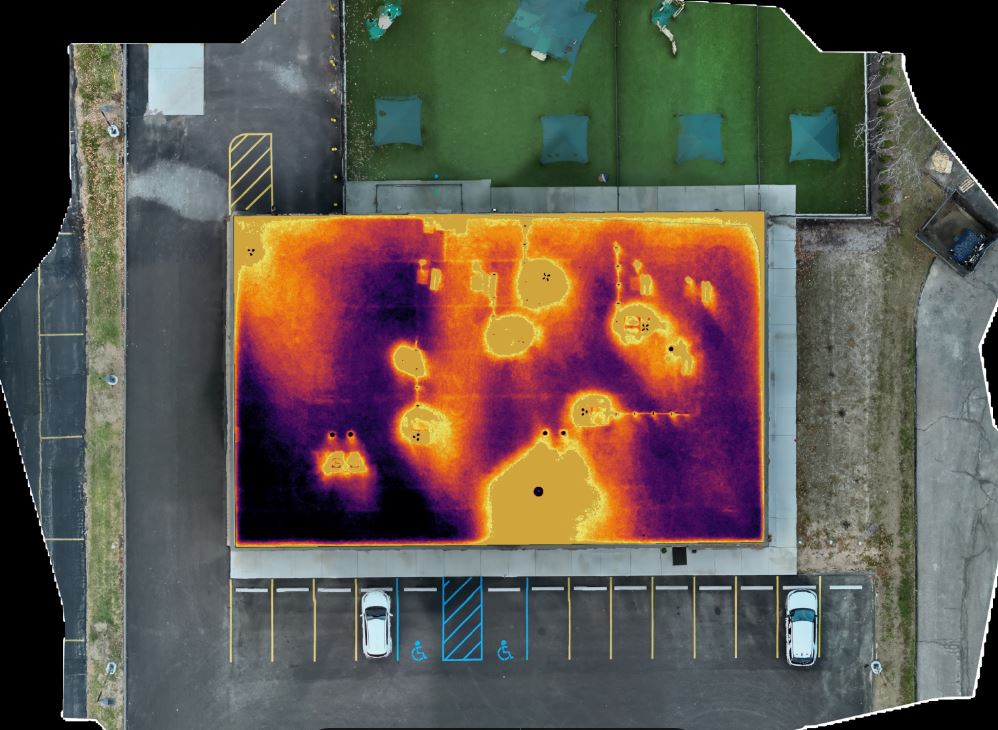
For marketing teams, asset managers, and property stakeholders, the value is not just operational. It is communicational. Aerial thermal imagery makes it easier to explain conditions to executives, boards, insurers, maintenance teams, and clients. Problems that are difficult to describe verbally often become immediately understandable when shown visually.
The Importance of Proper Timing in Thermal Roof Imaging
Infrared imaging is not simply a matter of flying a drone at any time of day. Roof thermal surveys are most effective when environmental conditions support meaningful temperature contrast. Factors such as sun exposure, cloud cover, wind, ambient temperature, roof composition, moisture content, and time of day all affect results.
In many cases, thermal roof inspections are performed during specific windows—often after the roof has absorbed daytime heat and is beginning to cool. That cooling cycle can help wet and dry areas present different thermal behavior. Proper flight planning and experienced interpretation are essential.
This is one reason why professional execution matters so much. Good thermal imaging is not just about having the camera. It is about understanding when and how to capture usable data, how to match thermal imagery with visible-light imagery, and how to present the findings clearly for the client’s objectives.
Applications for Businesses and Organizations
Infrared drone roof inspections are useful across many industries and organizational settings.
Commercial Real Estate
Property managers and owners can use thermal drone imaging to assess asset conditions, support maintenance planning, and provide documentation before lease negotiations, tenant improvements, or capital budgeting.
Industrial Facilities
Manufacturing plants, warehouses, and logistics centers often have large roof surfaces where small issues can become costly disruptions. Drone thermal surveys can help prioritize repairs and reduce the chance of undetected roof deterioration.
Schools and Universities
Educational campuses with multiple buildings benefit from efficient, repeatable inspections that reduce disruption and provide visual documentation for facilities departments and administrators.
Healthcare Facilities
Hospitals and medical properties need dependable roofing performance. Early detection of moisture intrusion and insulation issues can support preventative maintenance and help protect sensitive interior environments.
Retail and Hospitality
Thermal imaging can support roof maintenance efforts in facilities where visual appearance, occupant comfort, and uninterrupted operations all matter.
Insurance and Claims Support
A documented visual and thermal record can be useful when evaluating storm damage, ongoing leaks, or disputed roof conditions. While infrared imaging is not a substitute for formal claims determination, it can provide valuable supporting documentation.
More Than Detection: Better Documentation and Better Decisions
One of the greatest strengths of drone-based infrared inspection is the quality of the documentation. Decision makers are often not physically present for the inspection itself. They depend on the clarity of the deliverables.
Professional drone imaging can produce:
- High-resolution aerial stills
- Thermal imaging overlays
- Side-by-side visible and infrared comparisons
- Wide roof context shots
- Close-up anomaly imagery
- Video documentation of roof areas and conditions
- Archival visual records for future comparison
This makes the inspection more useful beyond the day of capture. The imagery can support maintenance logs, board presentations, insurance conversations, vendor coordination, repair planning, and property due diligence.
When organizations can see the issue more clearly, they can prioritize more intelligently. That leads to better budgeting, more targeted repairs, and fewer surprises.
The Role of Aerial Imaging in Preventative Maintenance
Too many roof issues are addressed only after leaks become visible indoors. By then, the costs may include not only roof repair, but damaged insulation, stained ceilings, interior finishes, disrupted operations, and potential mold remediation.
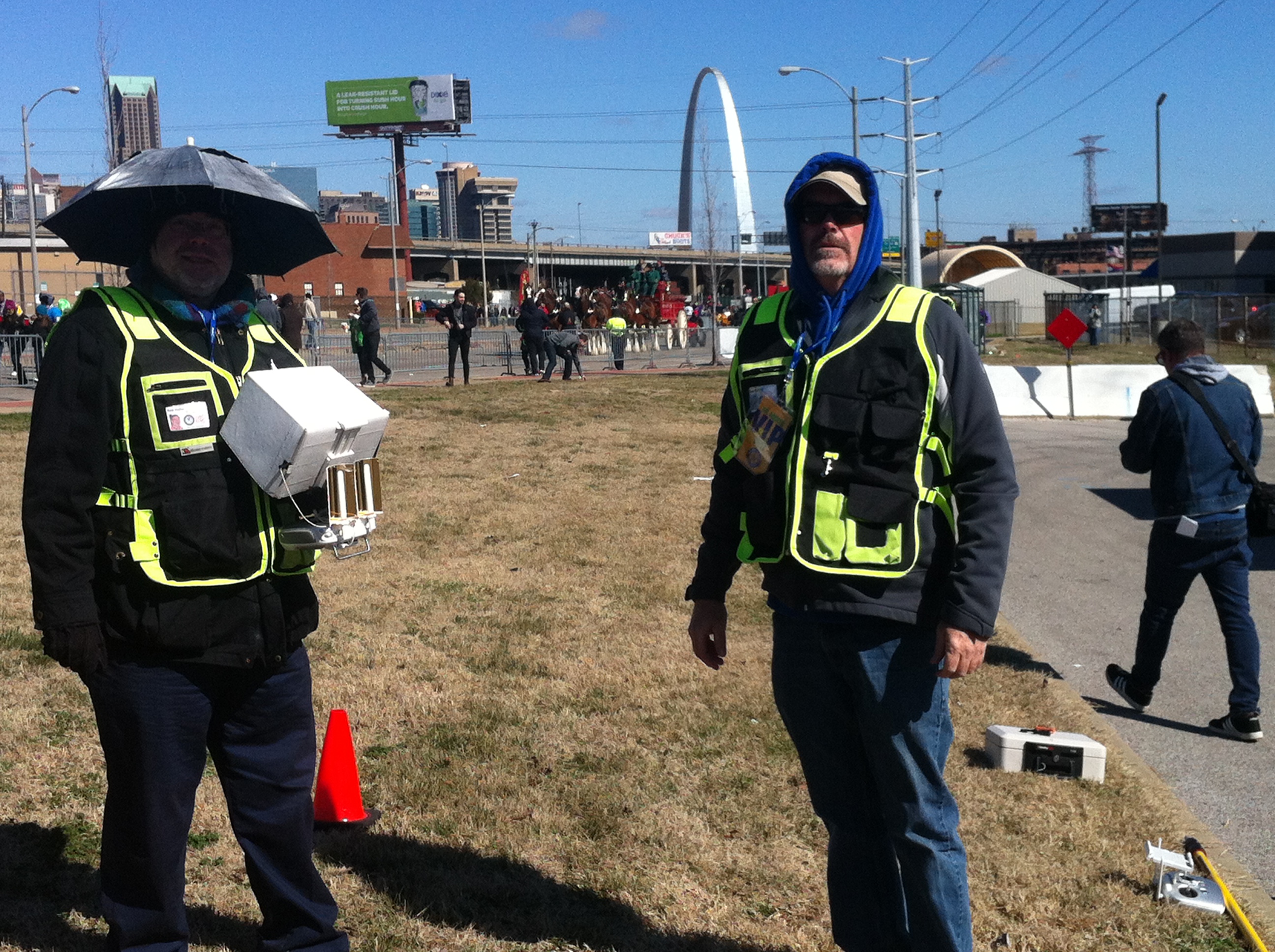
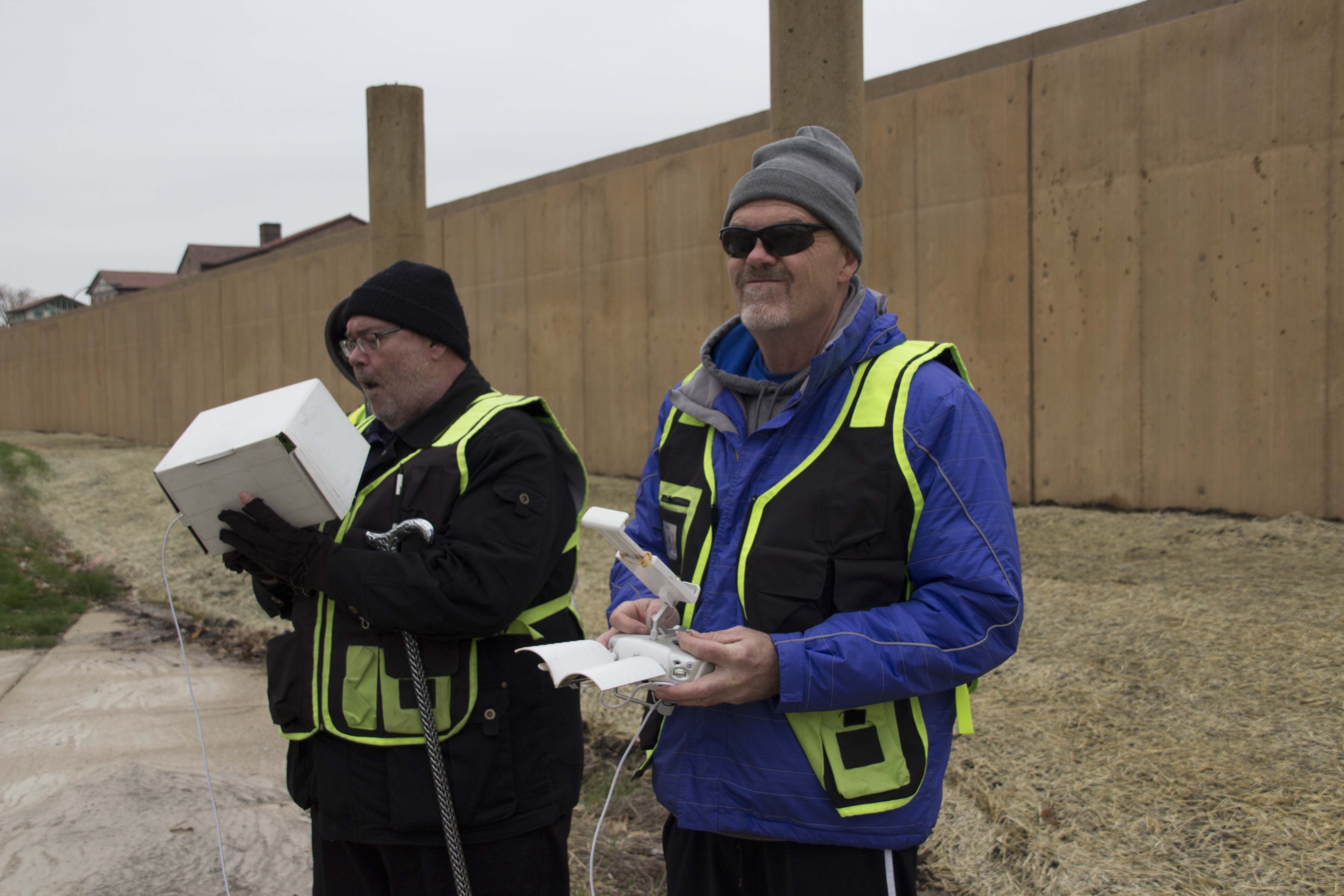
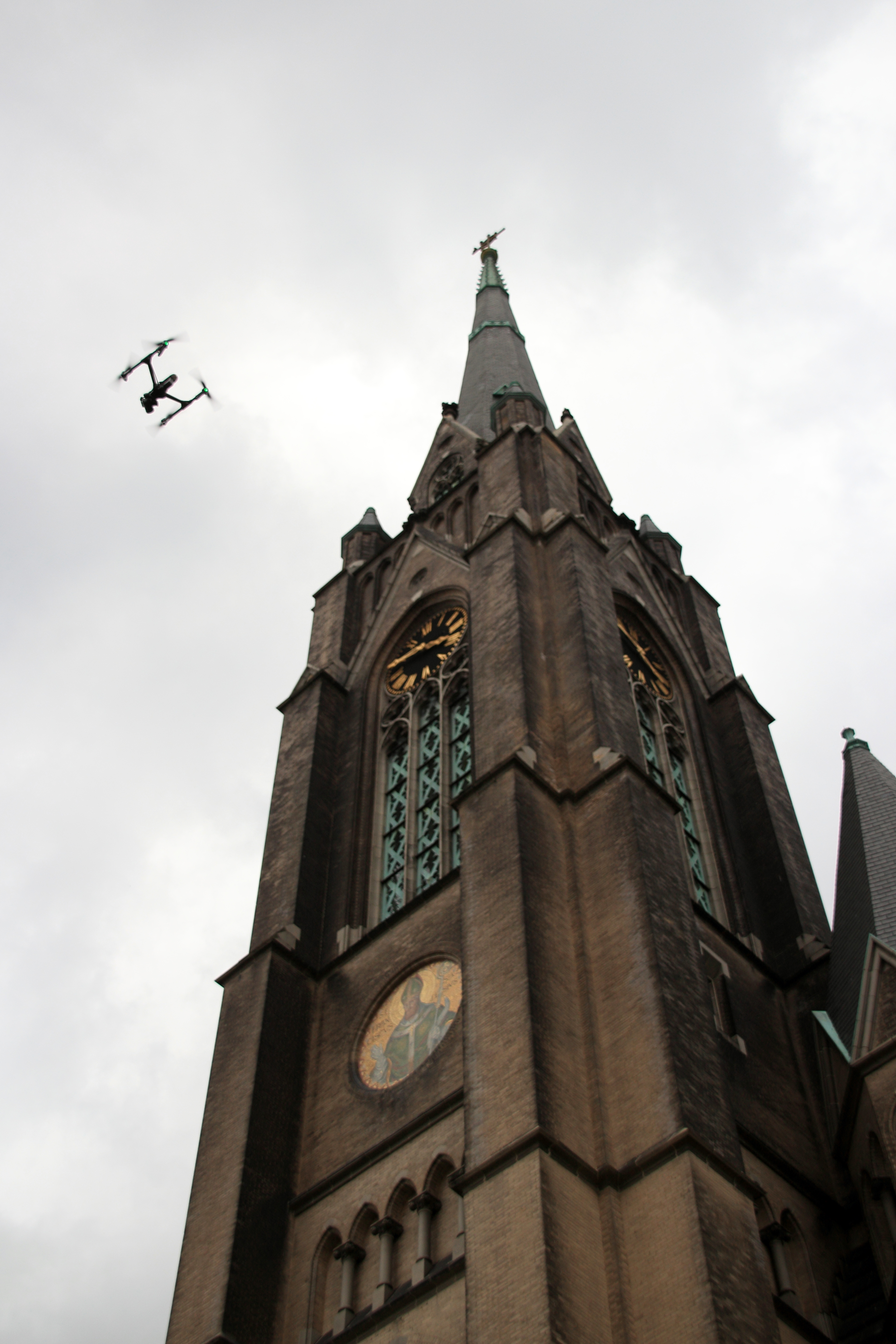
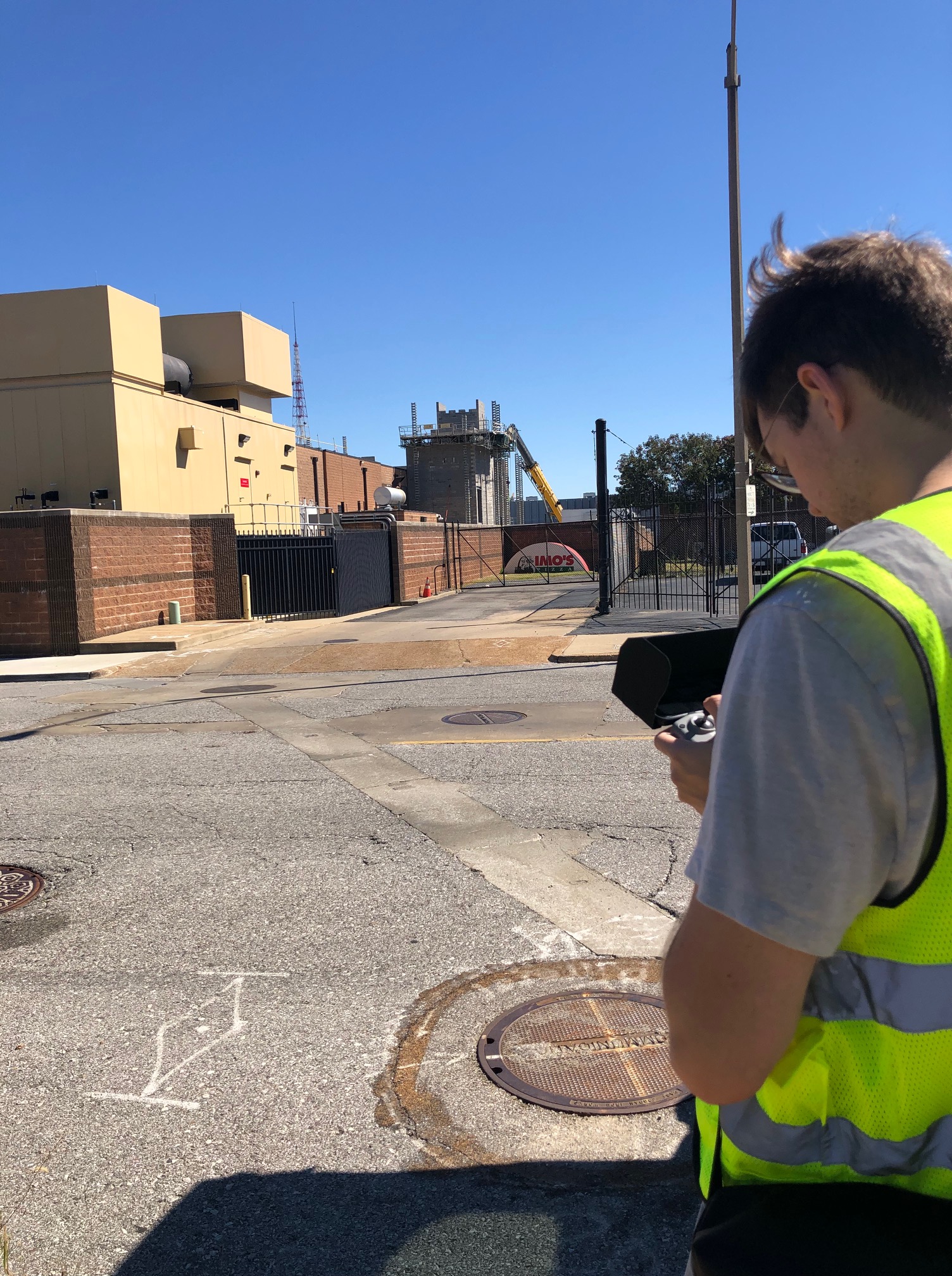
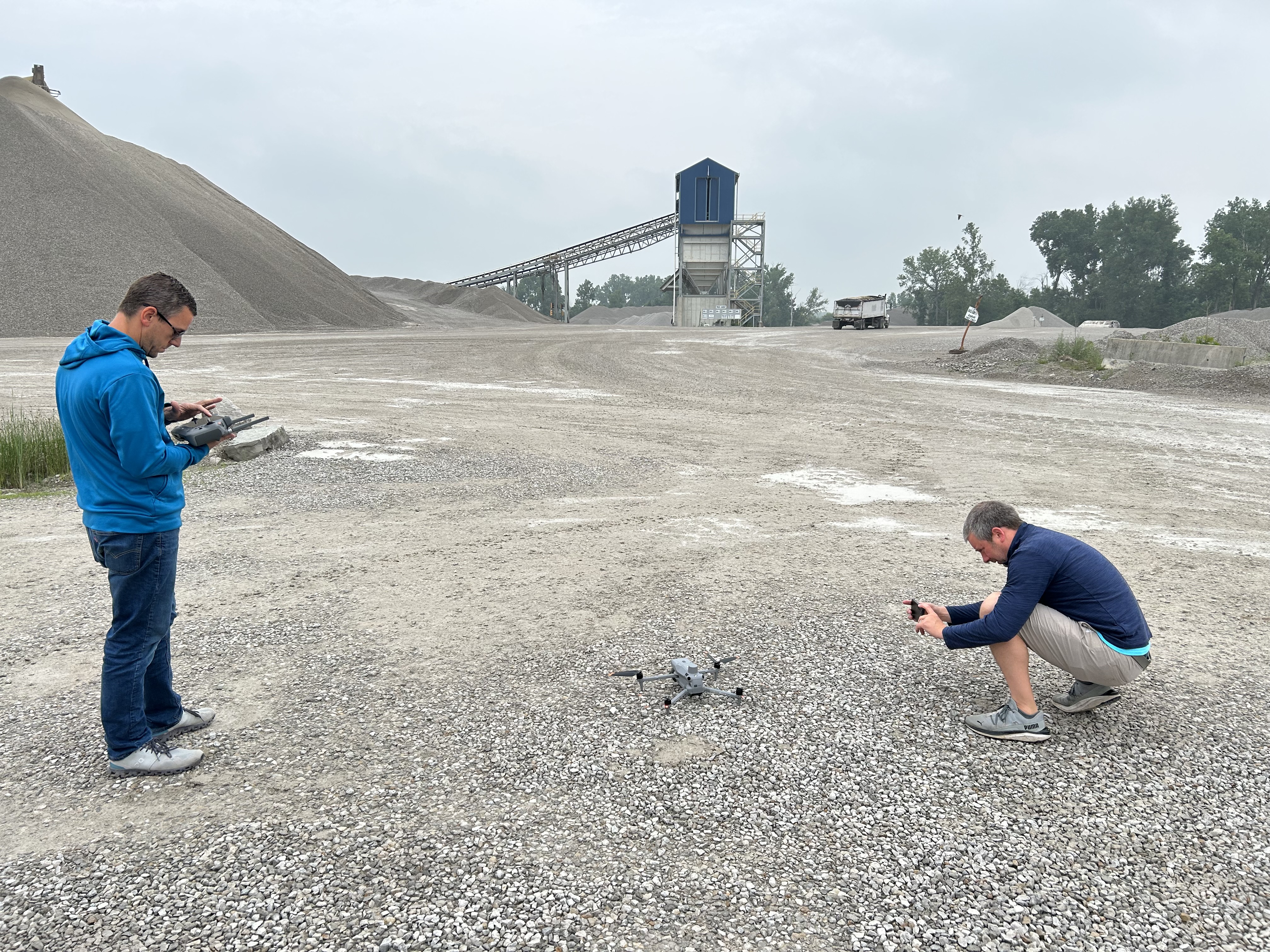
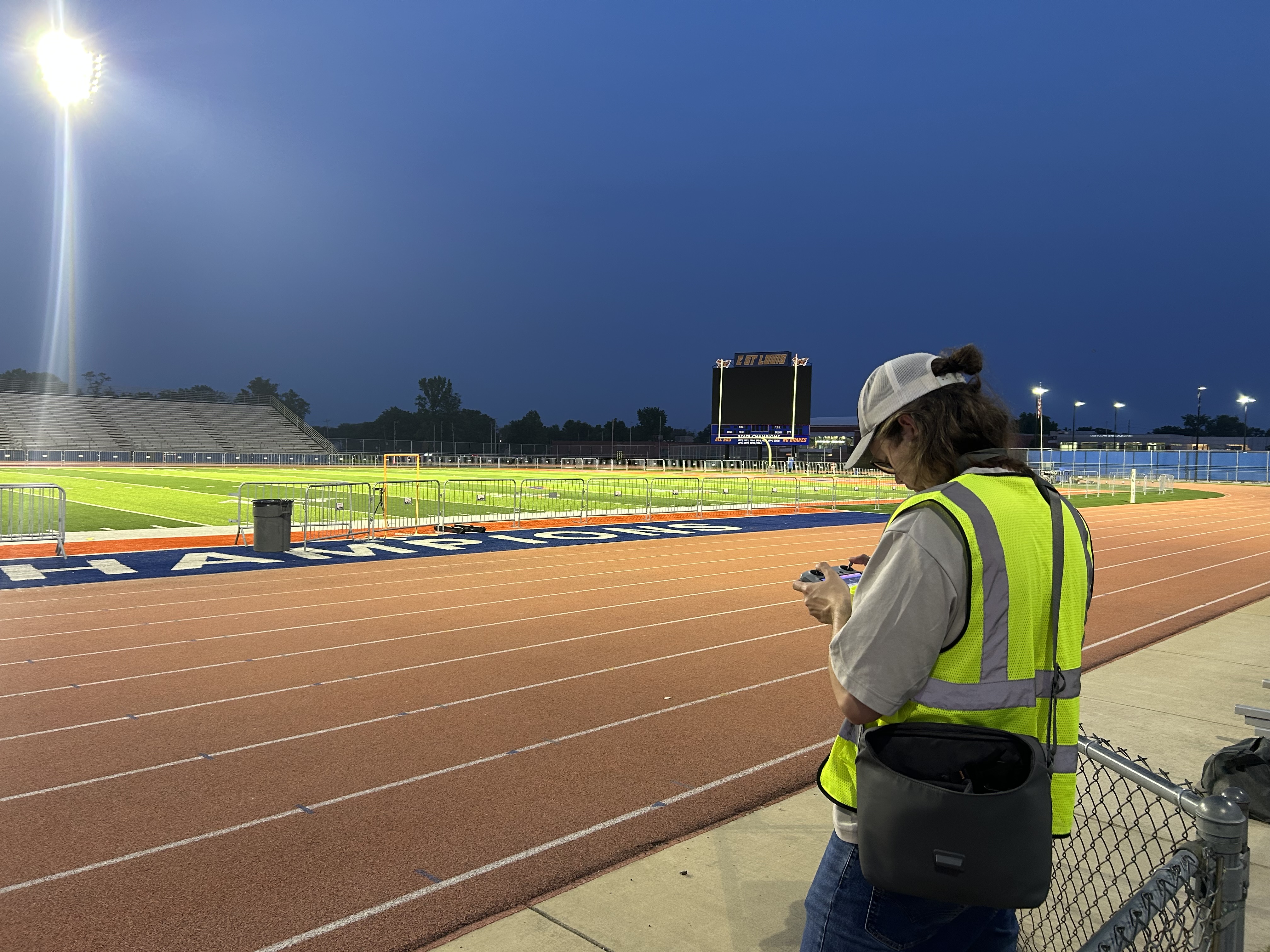
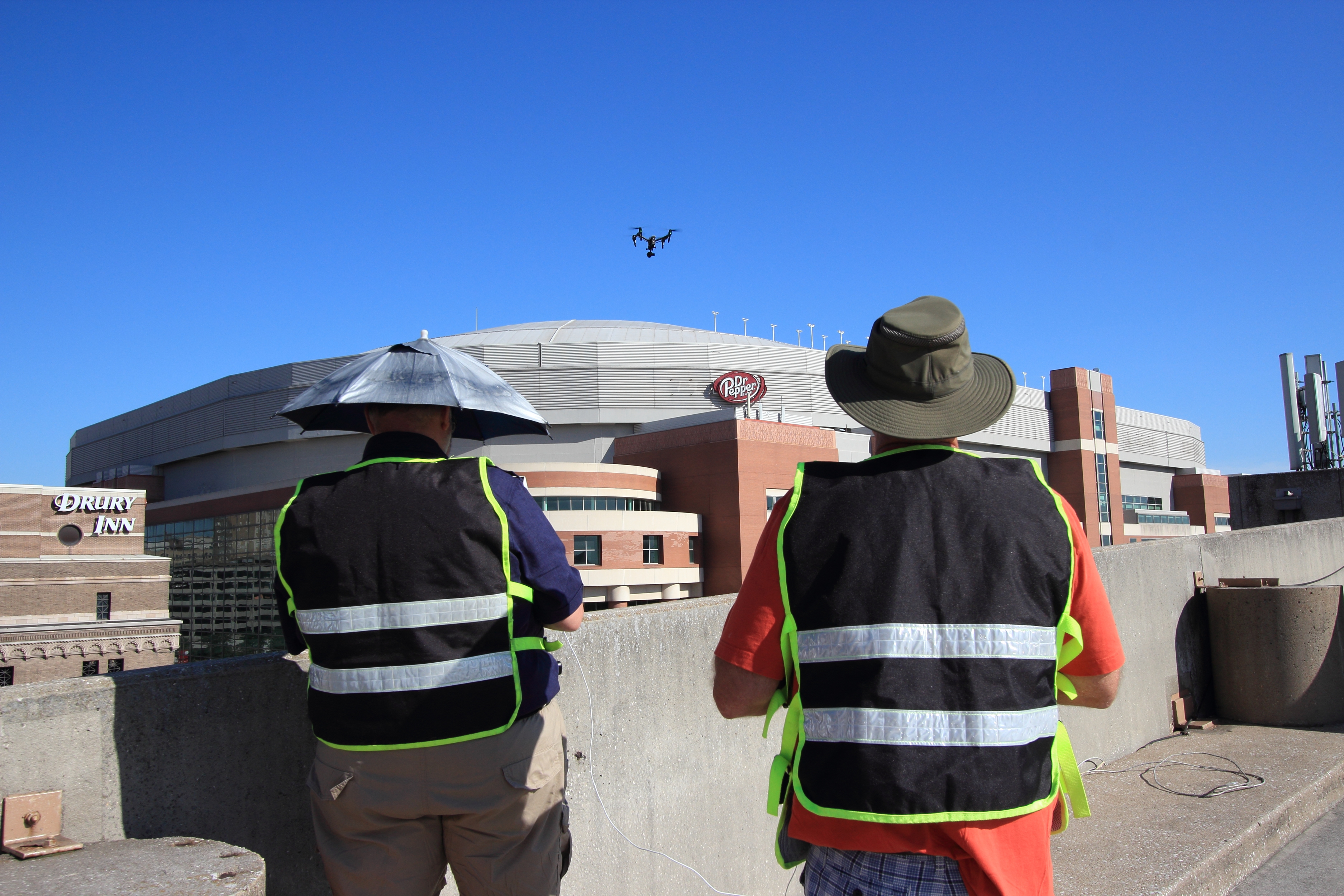
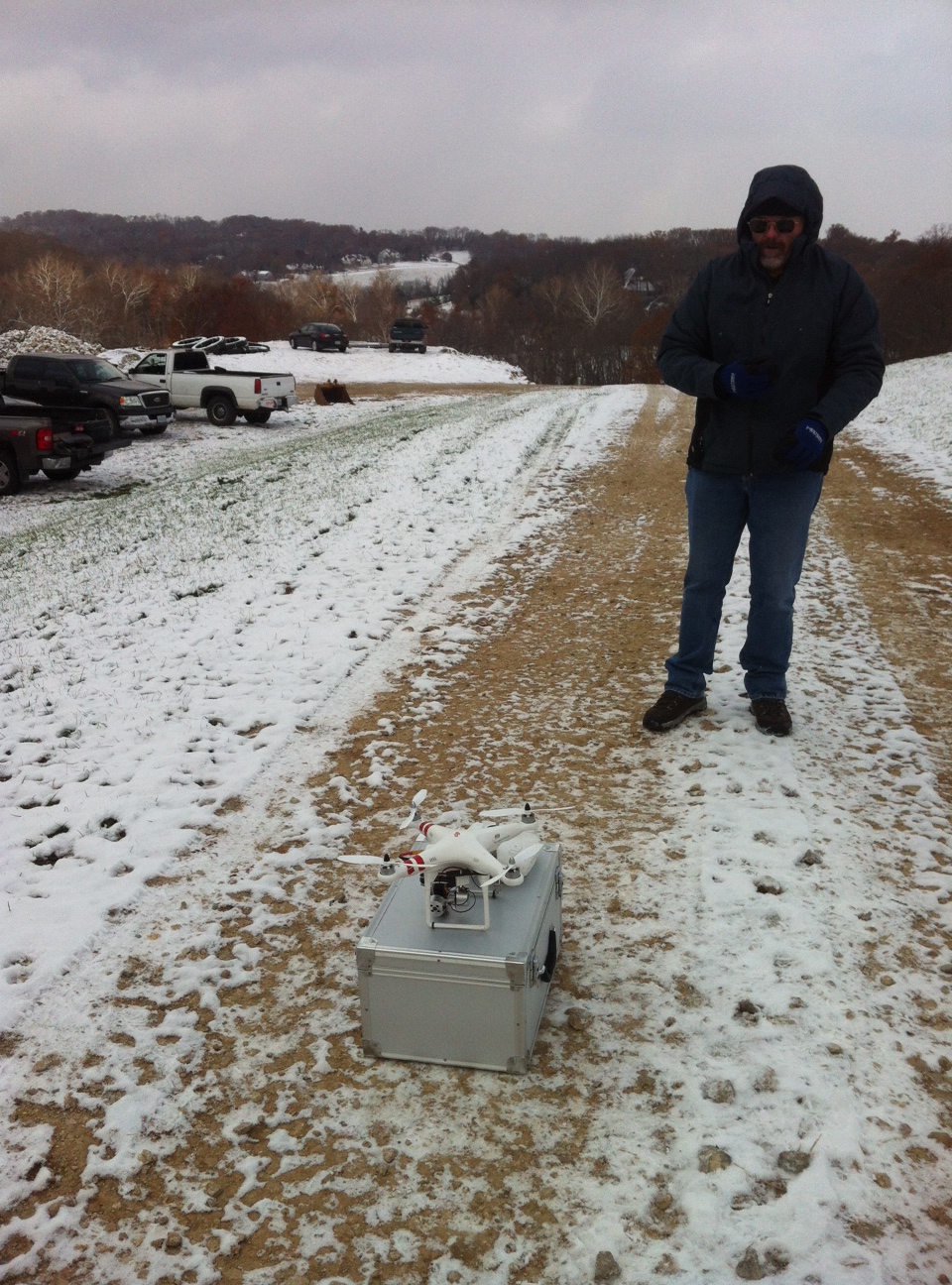
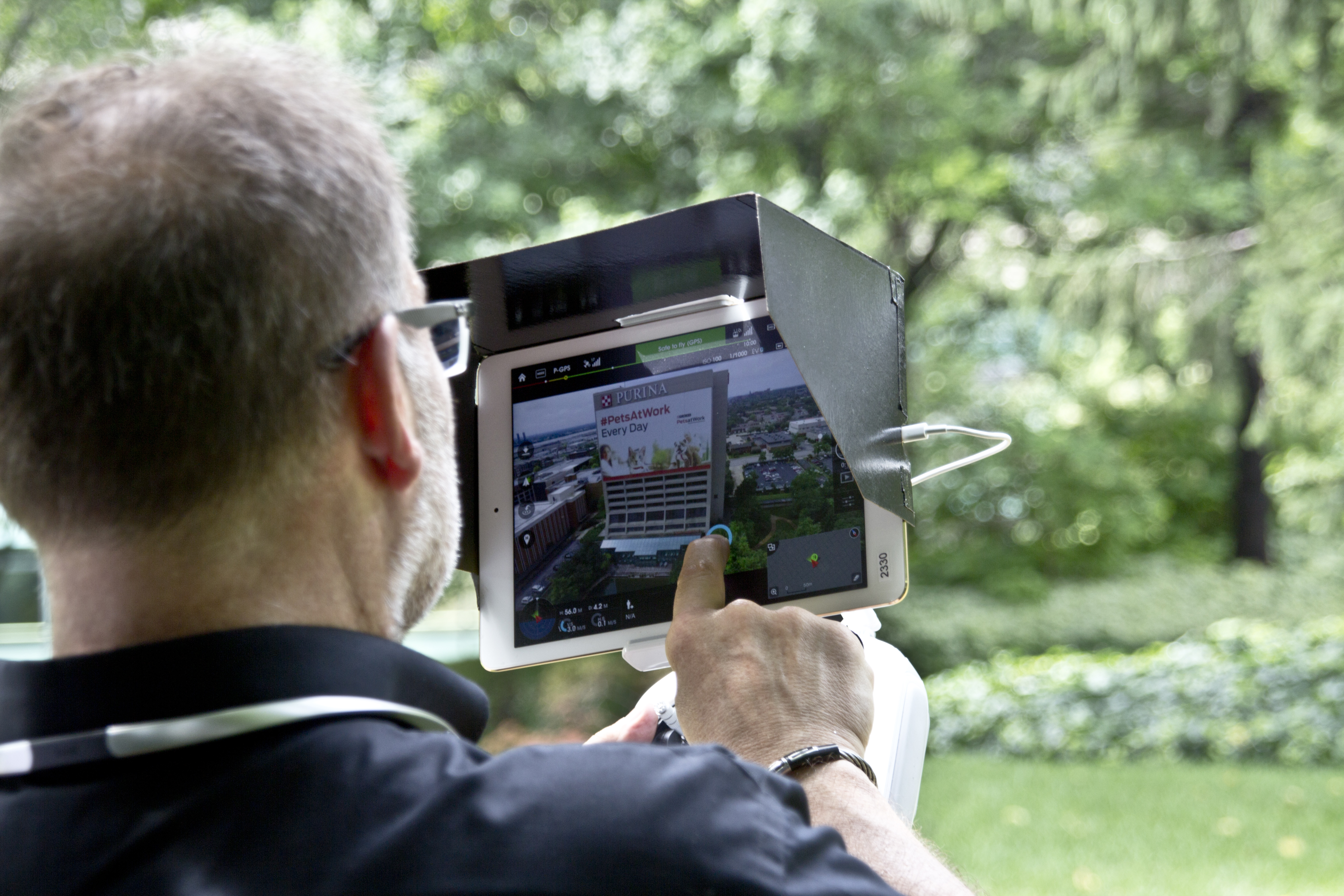
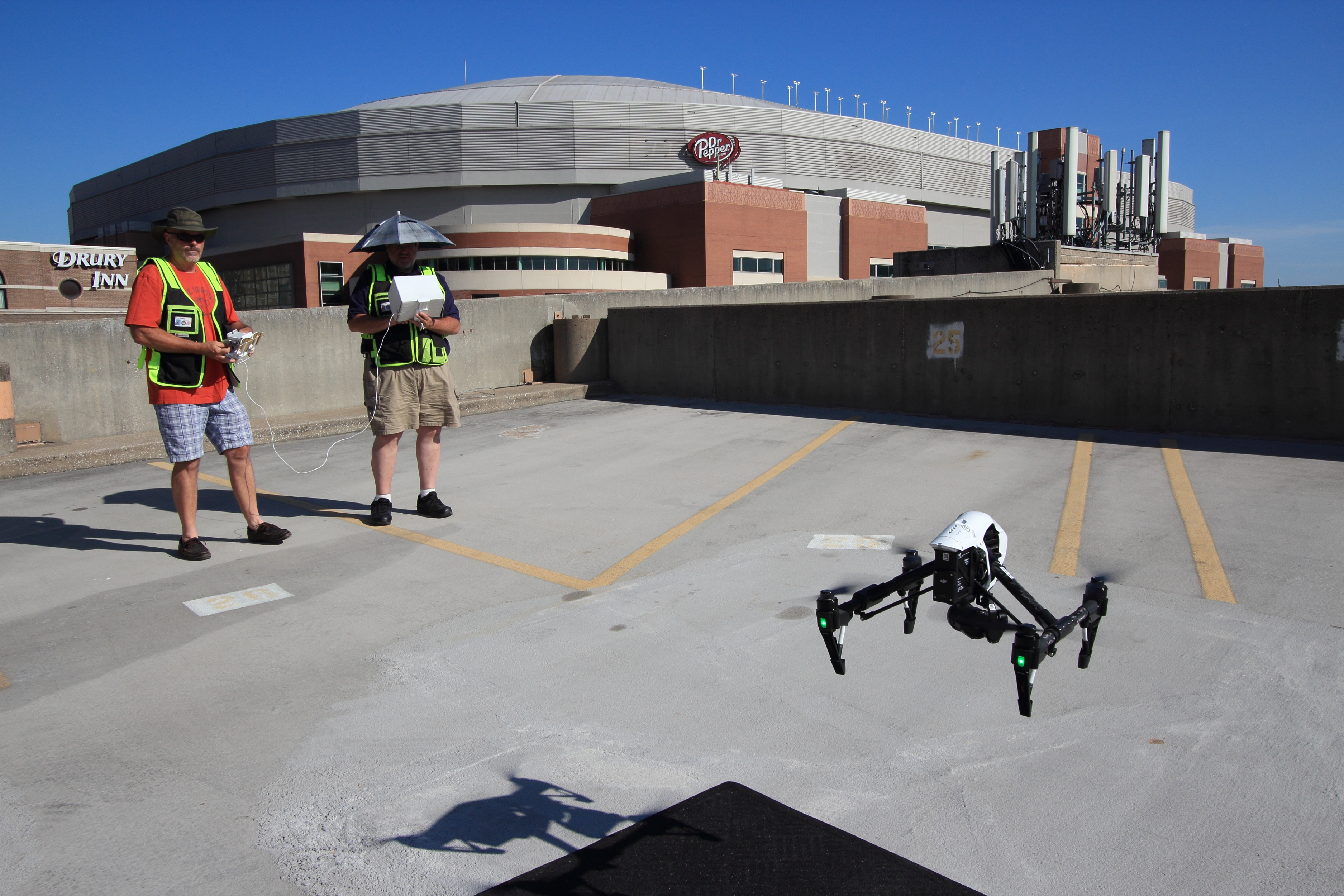
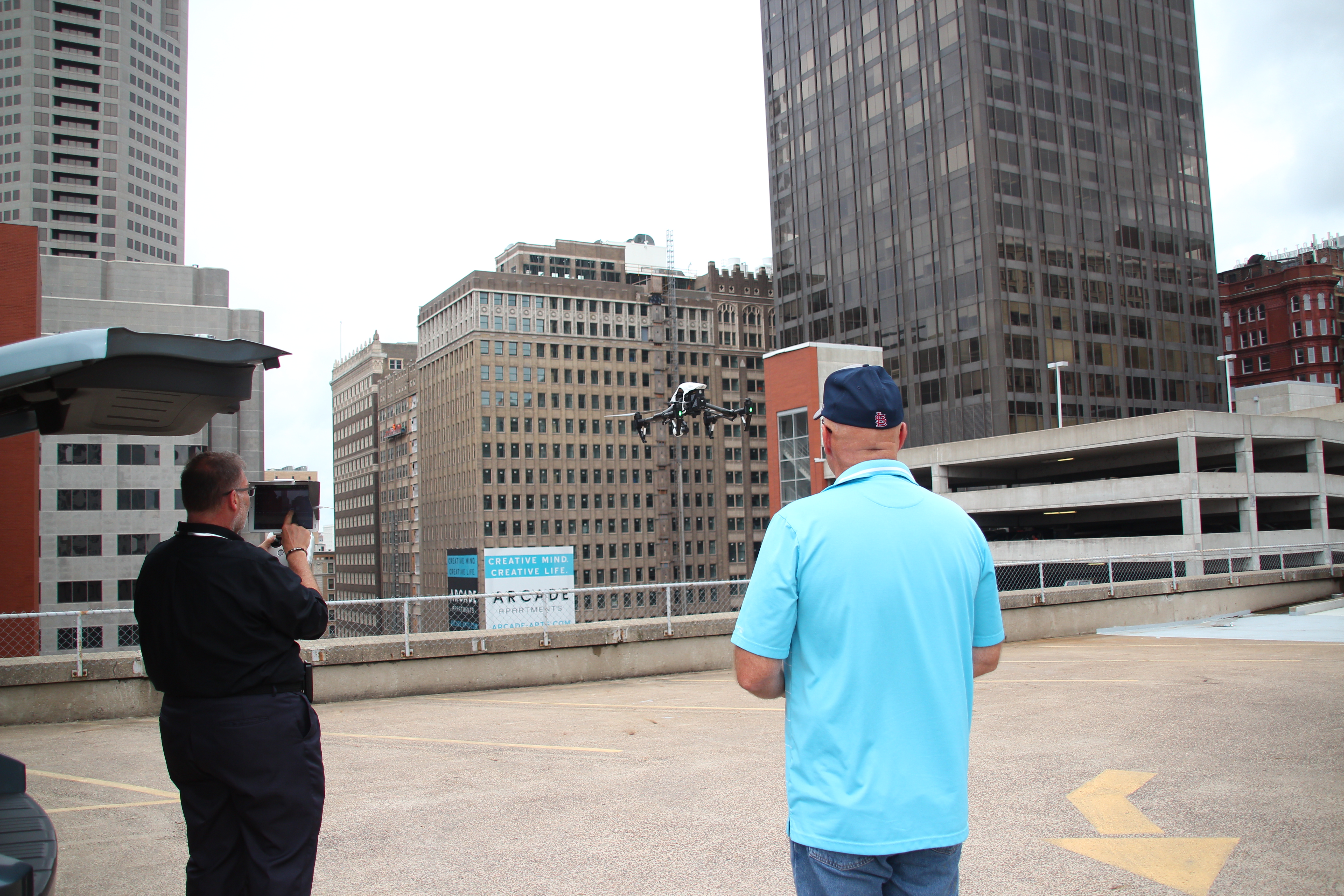
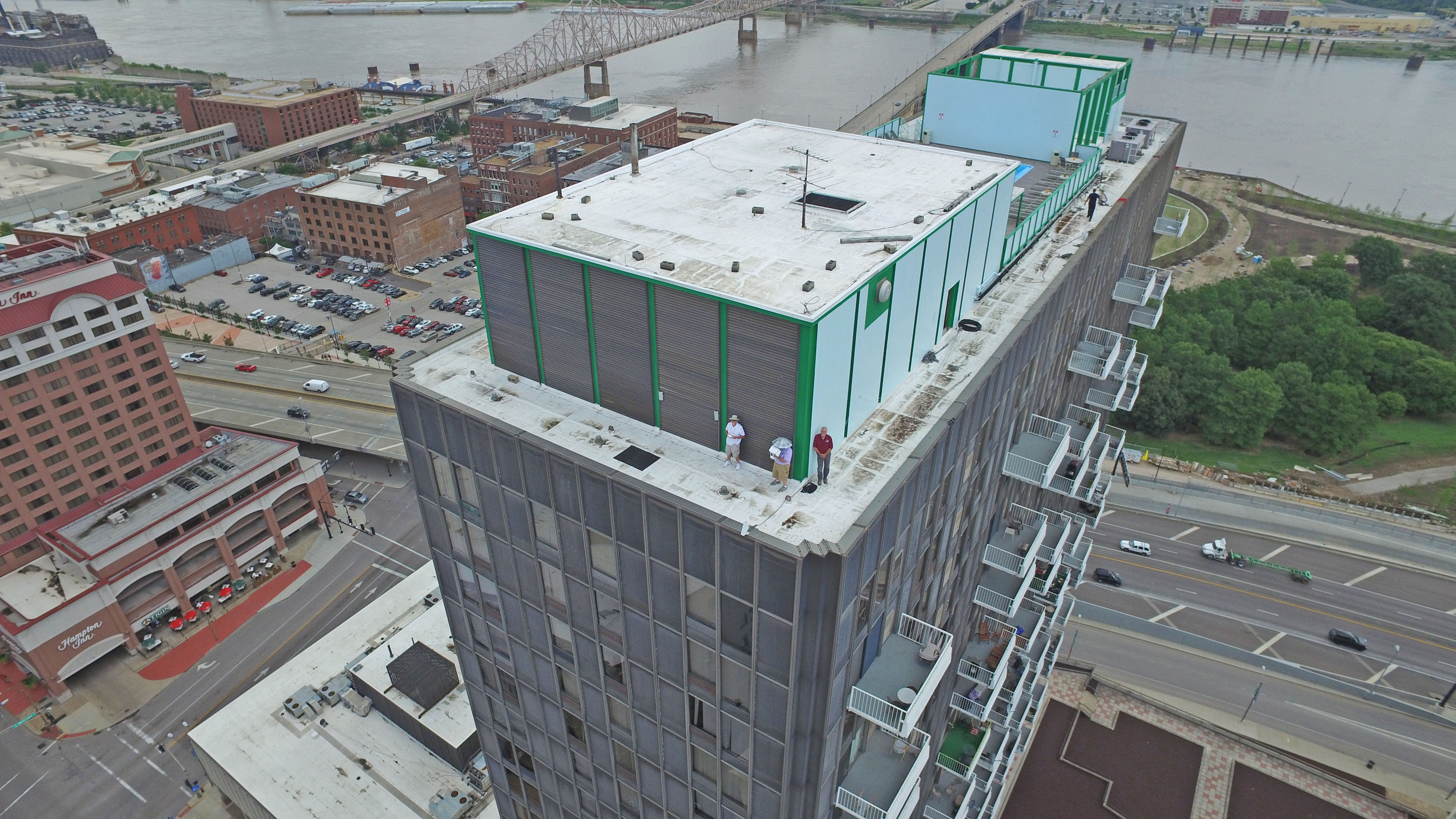
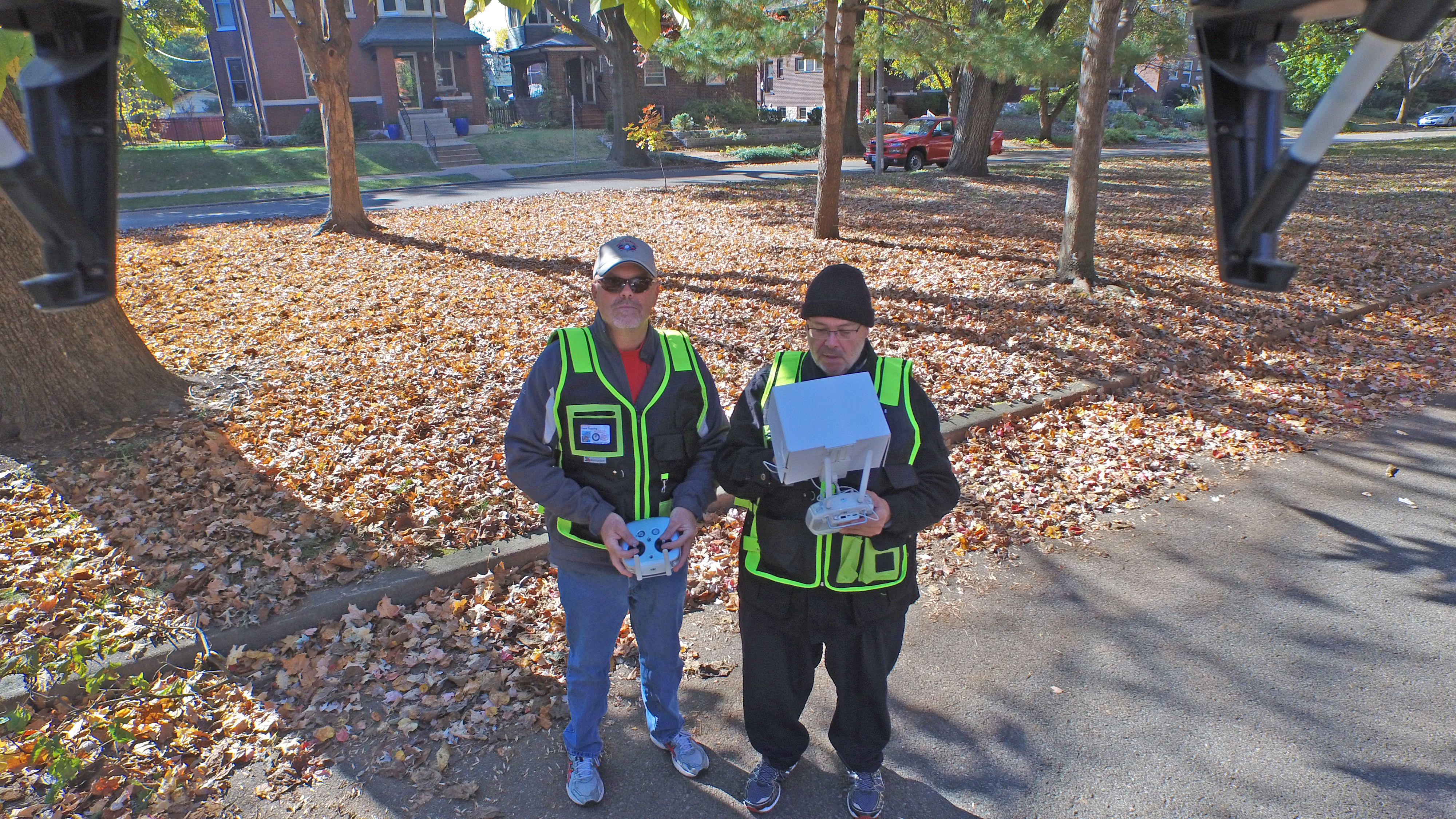
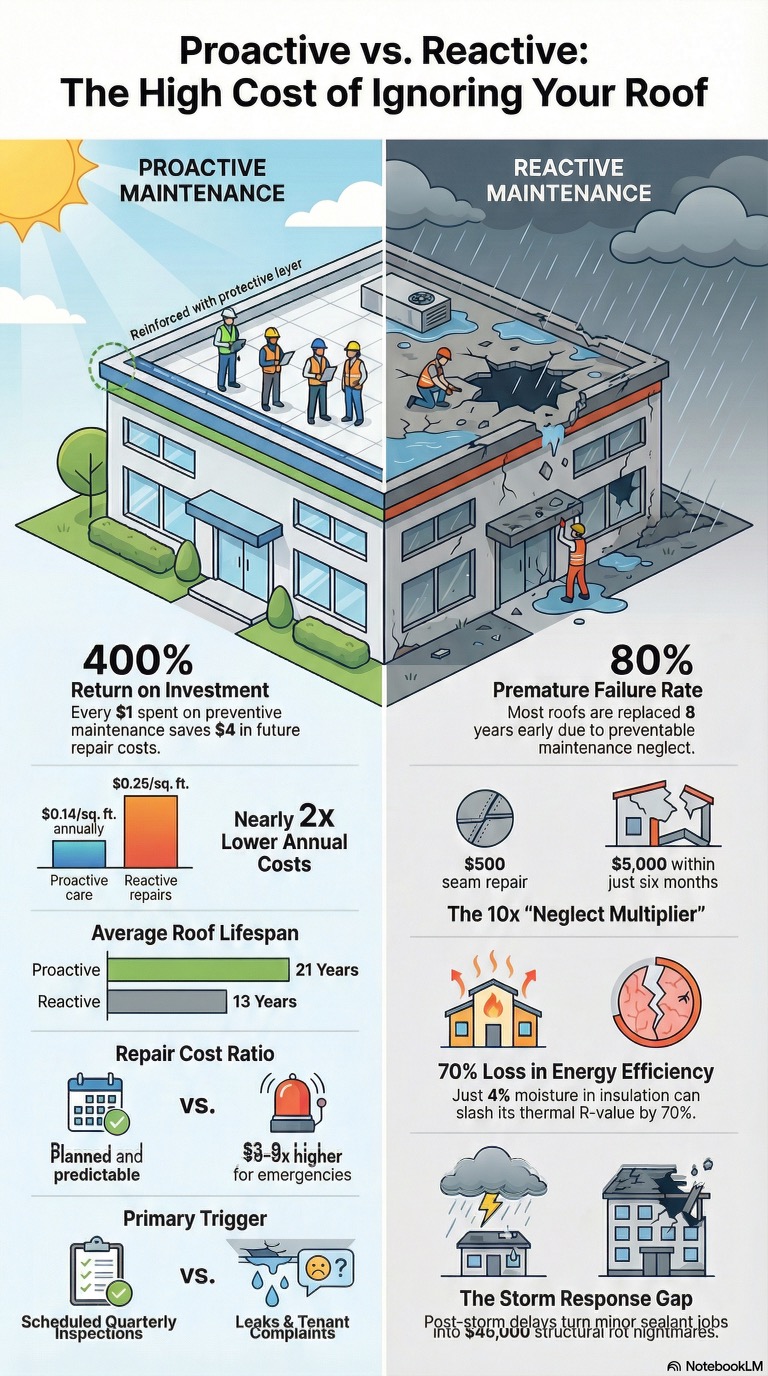
Infrared drone inspections support a more proactive maintenance strategy. Instead of waiting for a failure, organizations can identify suspicious areas earlier, investigate further, and address problems before they spread. This can extend roof life, reduce emergency repair costs, and improve long-term building performance.
Preventative maintenance is not just a facilities issue. It is a brand issue and an operational issue. Water intrusion, shutdowns, unsafe conditions, or deferred maintenance can affect employee experience, customer confidence, tenant satisfaction, and organizational credibility.
Why Visual Communication Matters to Modern Decision Makers
Today’s stakeholders expect visual proof, not vague descriptions. Whether the audience is a facilities director, CFO, marketing executive, property owner, or agency client, strong imagery helps move decisions forward.
This is where a company with real visual production expertise brings added value. Capturing usable infrared and aerial roof data is not only a technical exercise; it is also a communication exercise. The imagery must be clear, organized, accurate, and professionally delivered so that it works for real-world decision making.
That means combining technical drone operation with photography, video, composition, lighting knowledge, framing discipline, post-production, file management, and presentation experience. In other words, the difference is not just the drone. It is the production quality and the experience behind it.
Final Thoughts
Infrared drones have changed the way roof problems can be detected, documented, and communicated. For businesses and organizations responsible for protecting physical assets, reducing maintenance surprises, and making informed repair decisions, thermal drone inspections offer a safer, faster, and more insightful approach than relying on visual inspection alone.
When deployed correctly, infrared drone imaging can help reveal hidden moisture, insulation concerns, drainage issues, and other roof anomalies before they become more serious and more expensive. It provides valuable documentation, supports preventative maintenance, and gives stakeholders a clearer basis for action.
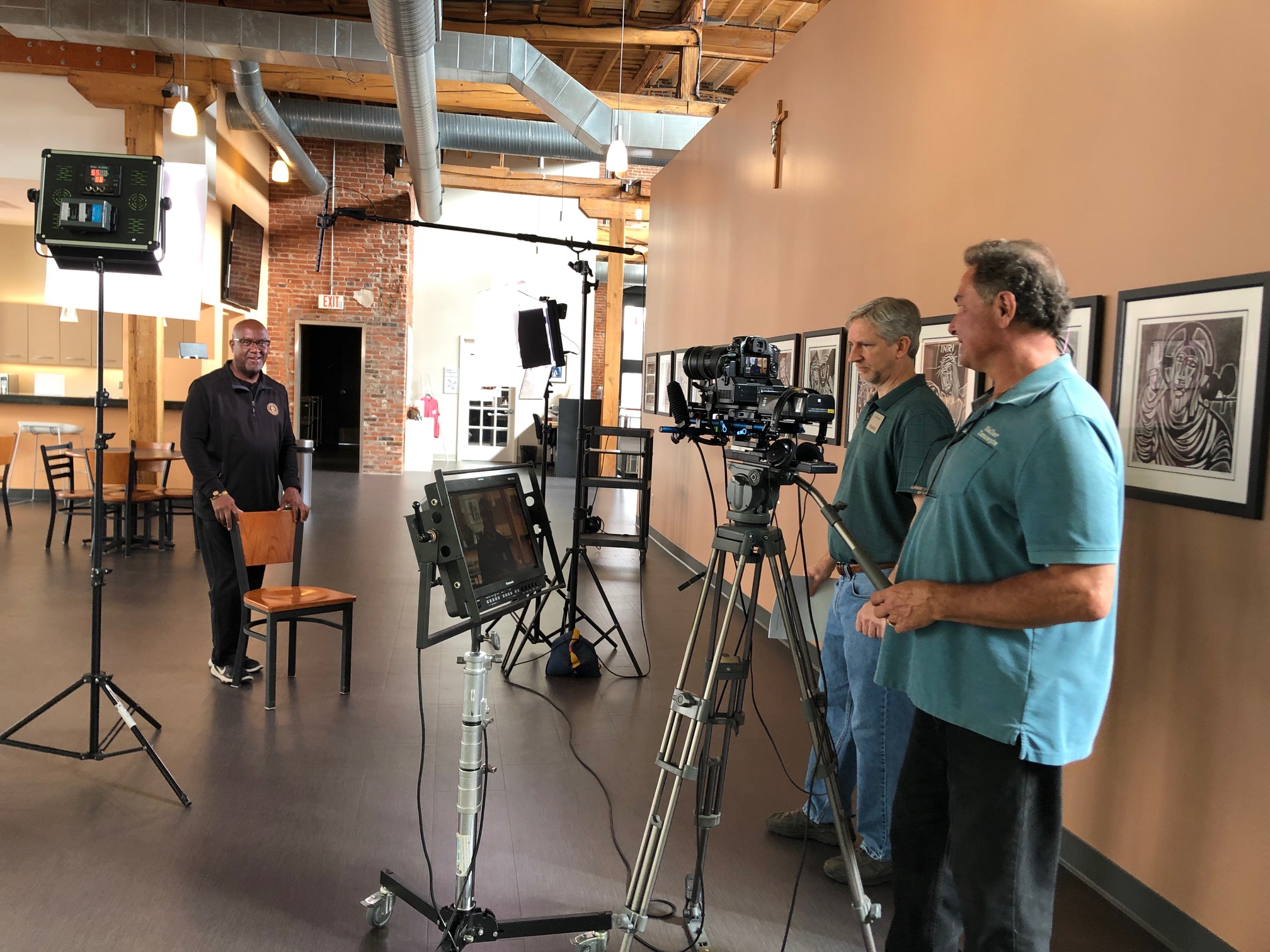
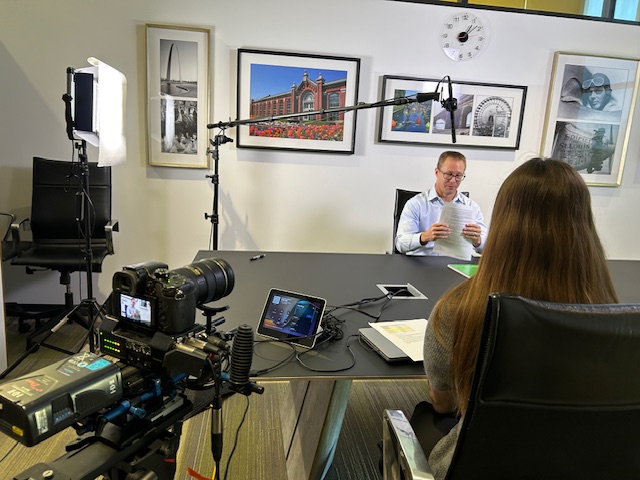
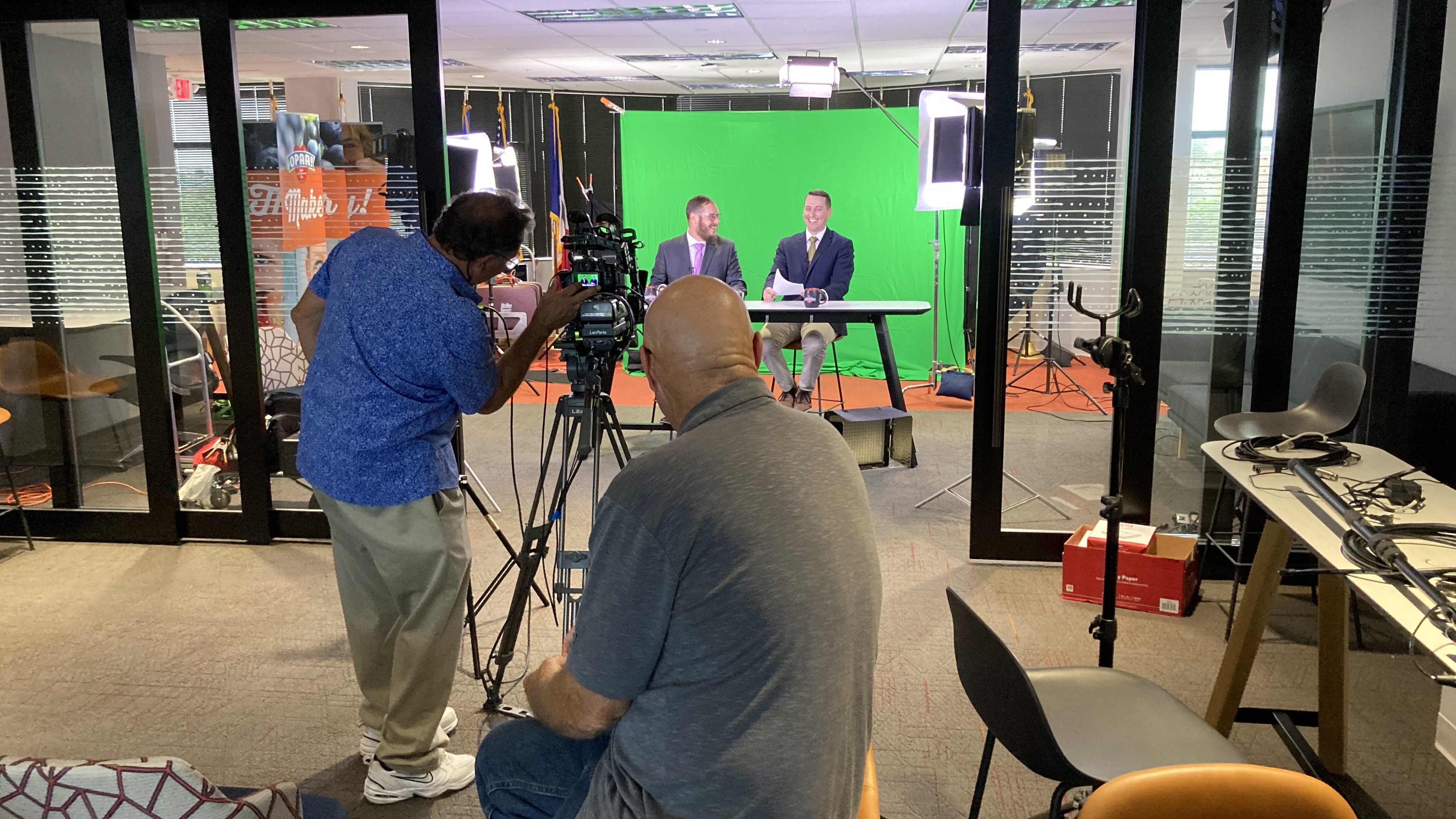
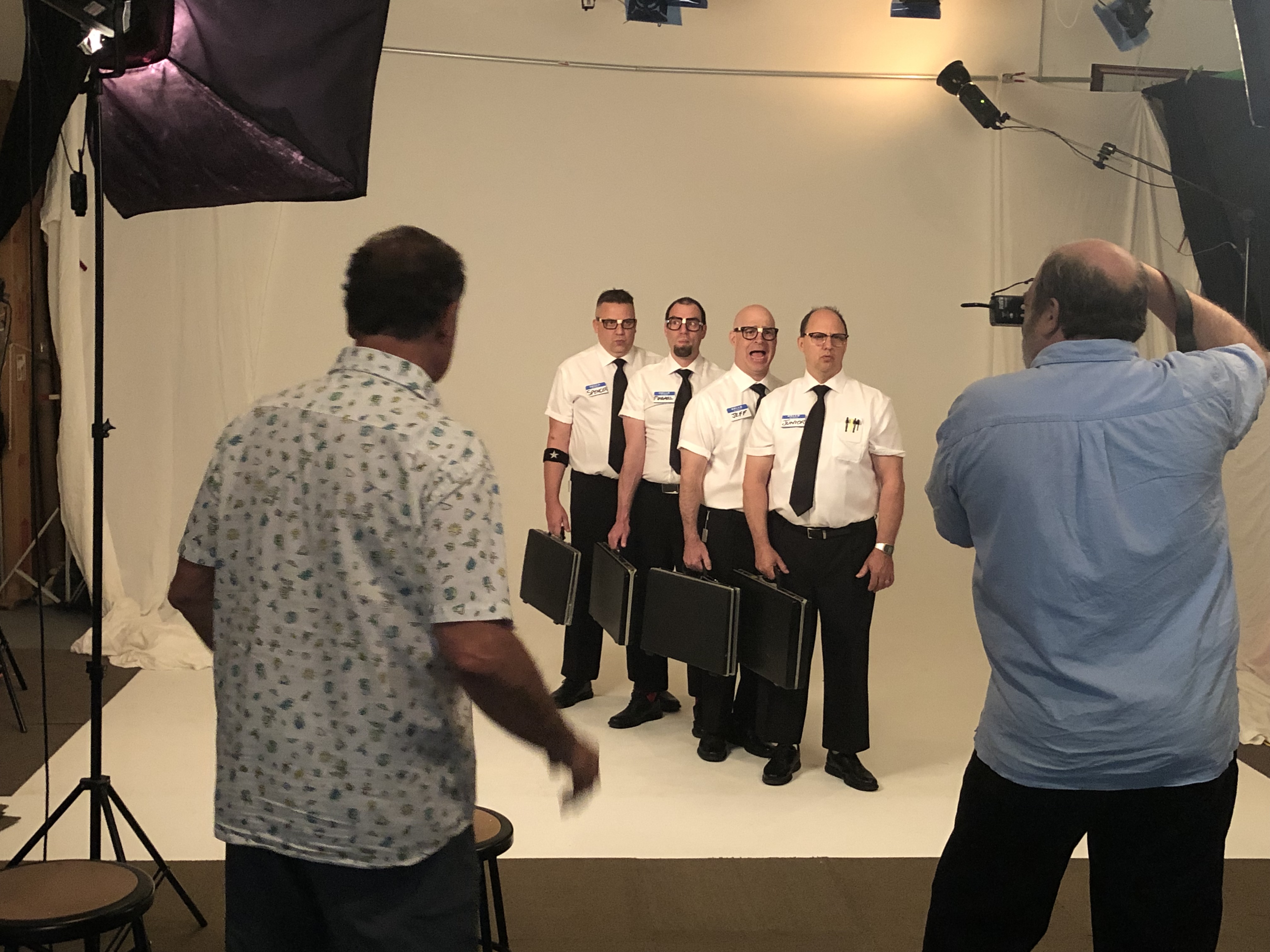
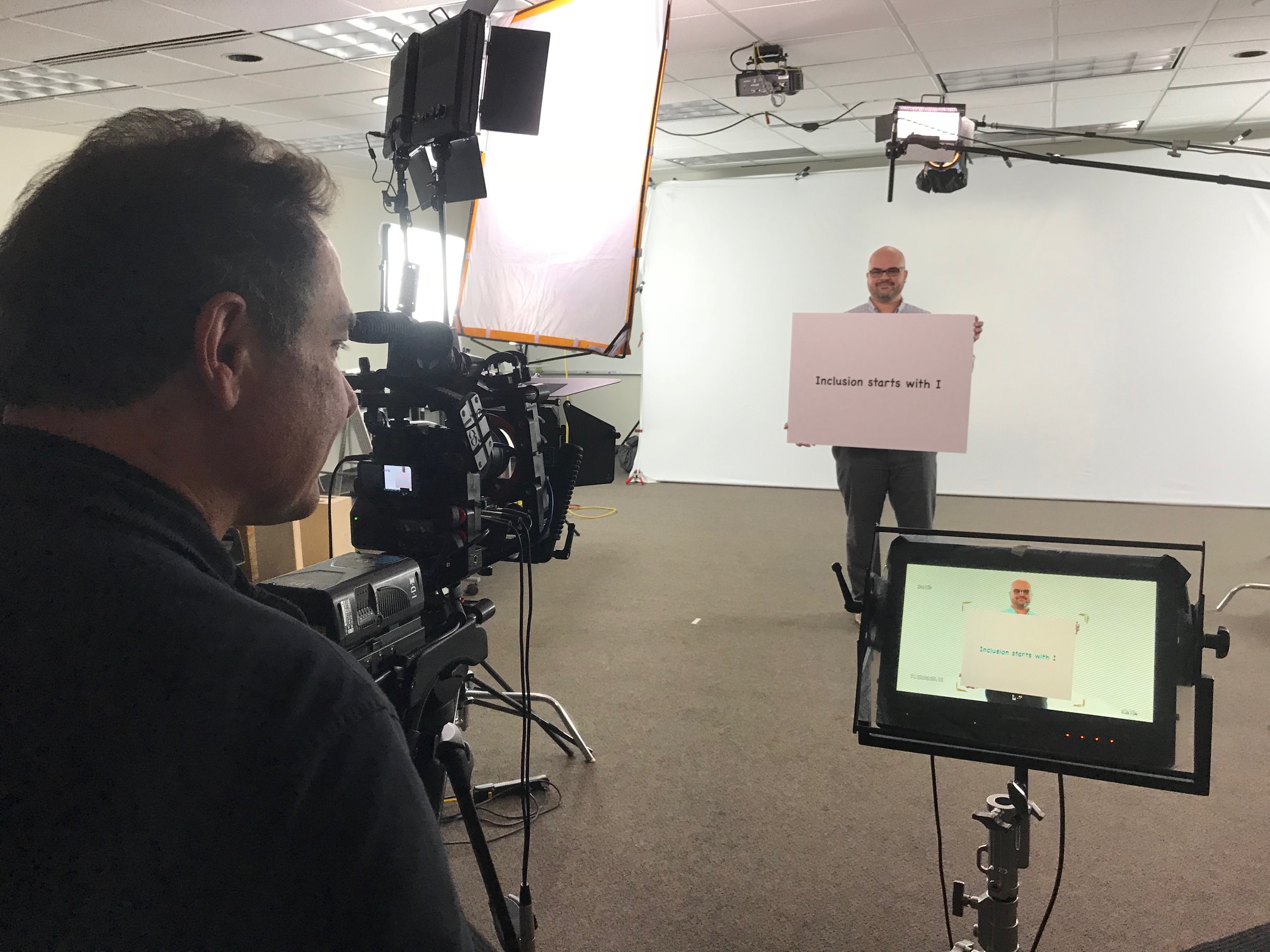
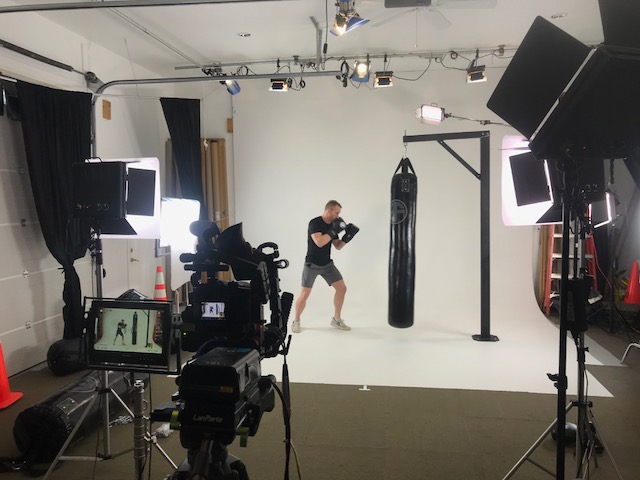
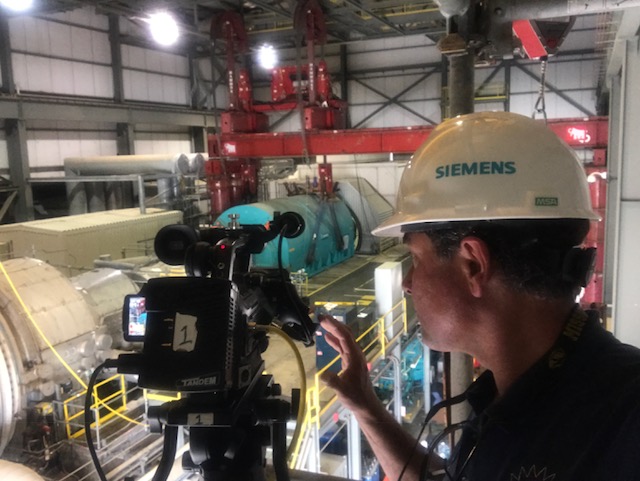
At Angel Eye Video Productions and Photography, we bring the experience, equipment, and visual production discipline needed for successful image acquisition. We are a full-service professional commercial photography and video production company serving businesses, marketing firms, and creative agencies in the St. Louis area since 1982. We offer full-service studio and location video and photography, as well as editing, post-production, and licensed drone services. Angel Eye Video Productions and Photography can customize your productions for diverse media requirements, and repurposing your photography and video branding to gain more traction is one of our specialties.
We are well-versed in all file types, media styles, and accompanying software, and we use the latest in Artificial Intelligence across our media services. Our private studio lighting and visual setup is ideal for small productions and interview scenes, and our studio is large enough to incorporate props that round out your set. We support every aspect of your production—from setting up a private custom interview studio to supplying professional sound and camera operators, as well as providing the right equipment—so your next video production is seamless and successful. We can even fly our specialized drones indoors.
When your organization needs more than generic aerial coverage—when you need meaningful visual information, polished deliverables, and an experienced creative crew—Angel Eye Video Productions and Photography is ready to help.
 Angel Eye Video Productions and Photography