Tag Archives: content-creation

Proof Over Hype: The Practical Playbook for Testimonials & B-Roll That Convert

Decision-makers don’t need more “content.” You need credible proof that moves buyers. Well-produced testimonials—supported by purposeful B-roll—are still the fastest way to deliver that proof. Here’s the field-tested playbook we use on commercial sets to keep interviews authentic, visuals elevated, and outcomes measurable.

Define Success Before You Roll

  • Business outcome first: Map each testimonial to a specific funnel stage (awareness, consideration, proof, renewal) and KPI (demo requests, sales enablement usage, time-on-page, ad ROAS).
  • One promise per video: “From 6-month onboarding to 6-week deployment,” “Cut downtime by 32%,” etc. Make the claim measurable and visually provable in B-roll.
  • Audience and channel: Decide final aspect ratios and durations up front (16:9 web, 1:1 LinkedIn, 9:16 reels/stories) so we shoot what we need once.
Casting & Story Architecture

  • Pick customers who mirror your next buyer. Same industry, role, revenue band, or pain profile.
  • Write a proof arc, not a script:
    1. Pain (stakes, risk), 2) Decision (why you vs. alternatives), 3) Outcome (numbers, speed, delight), 4) Future (what they can’t imagine going back to).
  • Pre-interview call (15–20 min): Surface specifics, secure sensitive data approvals, and compile visual opportunities for B-roll.
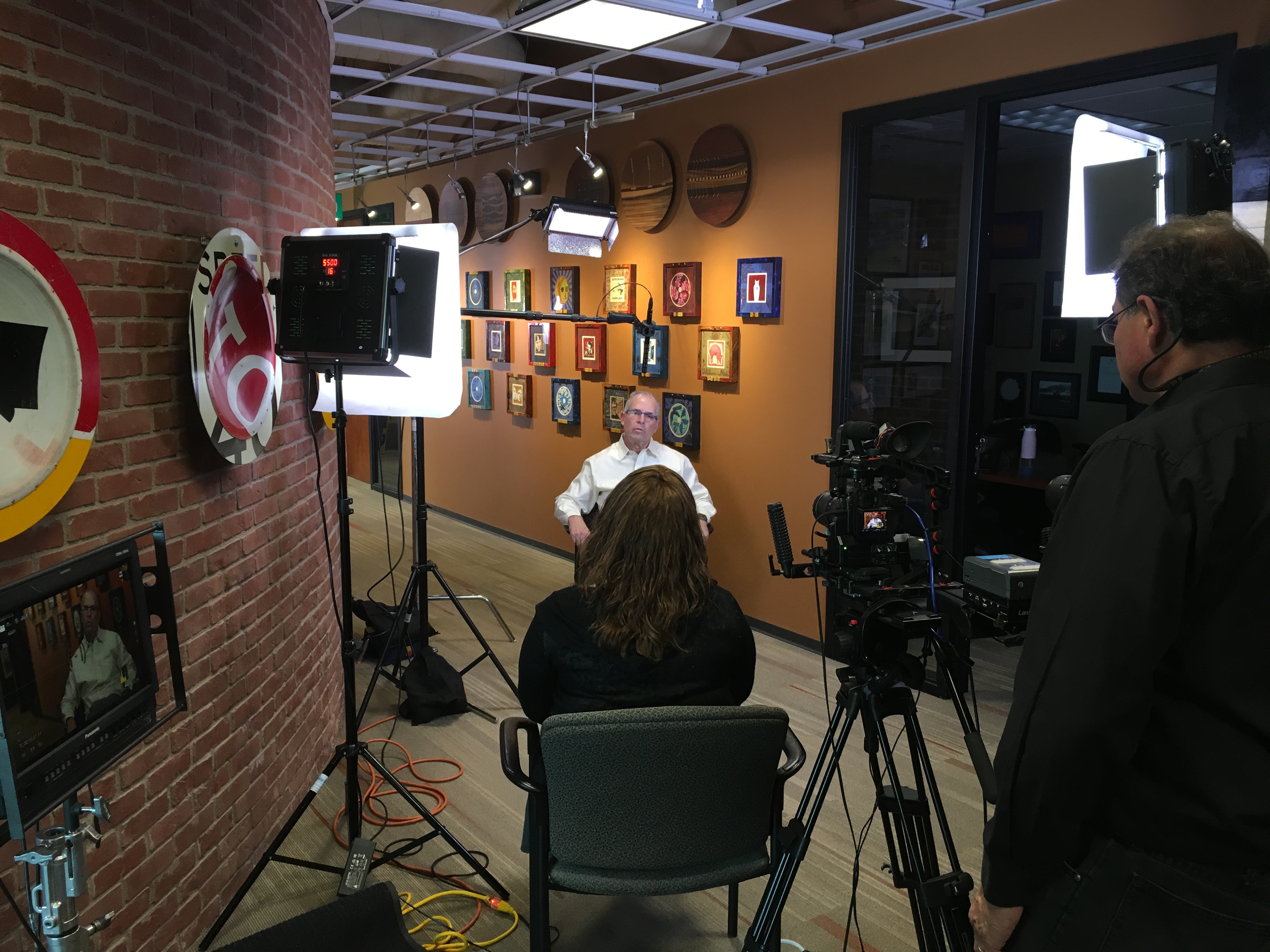
  • Clear the runway: Get location permission, brand approvals, and signed releases early. Reserve quiet rooms; kill HVAC/ice machines during takes.

Interview Craft That Sounds Natural (But Lands on Message)

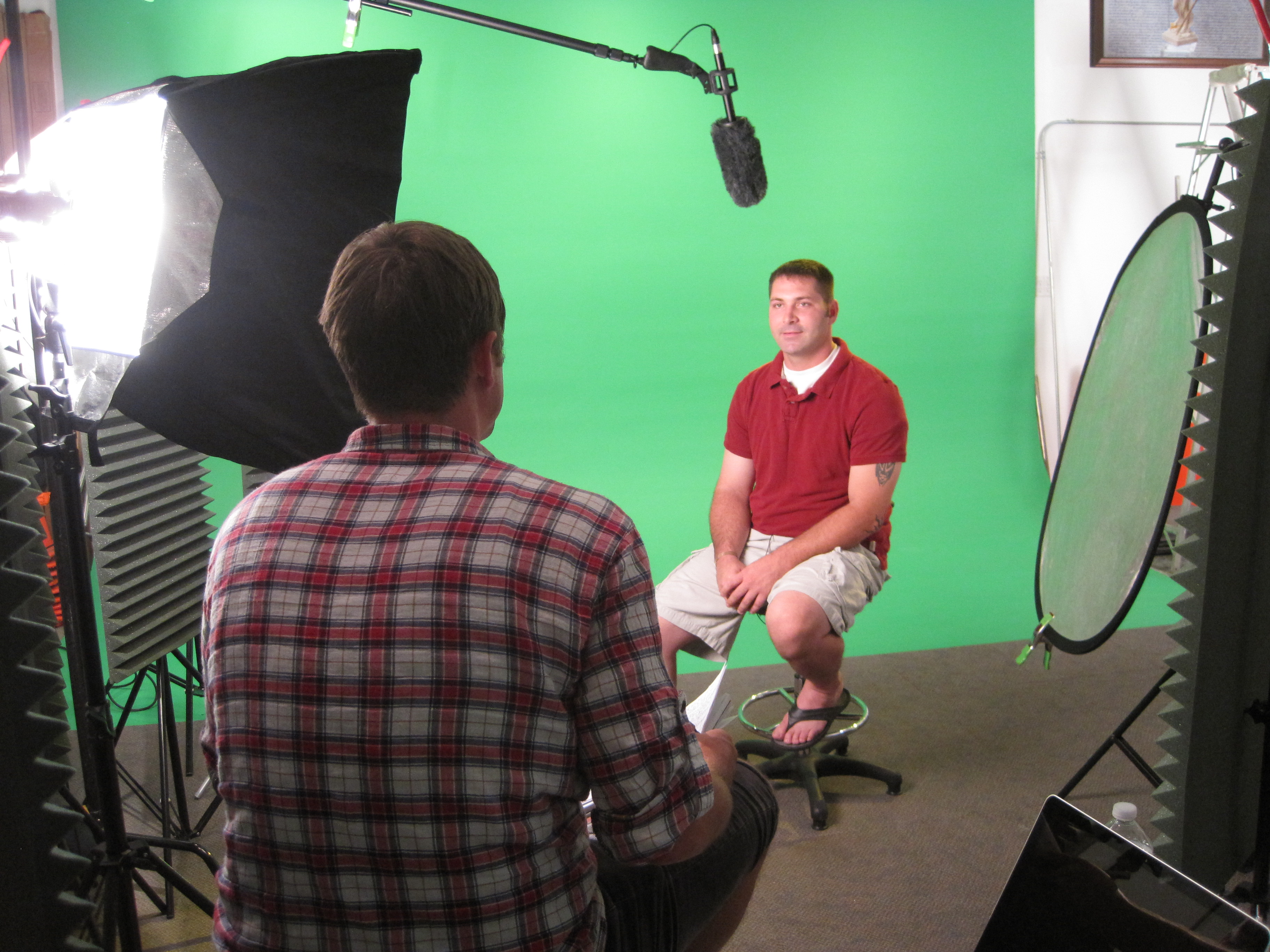
  • Prompts, not lines: “Walk me through the last straw that made you change.” “What nearly derailed deployment?” “If your past-self asked ‘Is this worth it?’ what would you say now?”
  • Coach for specifics: Replace “helped a lot” with numbers, time saved, or a changed behavior.
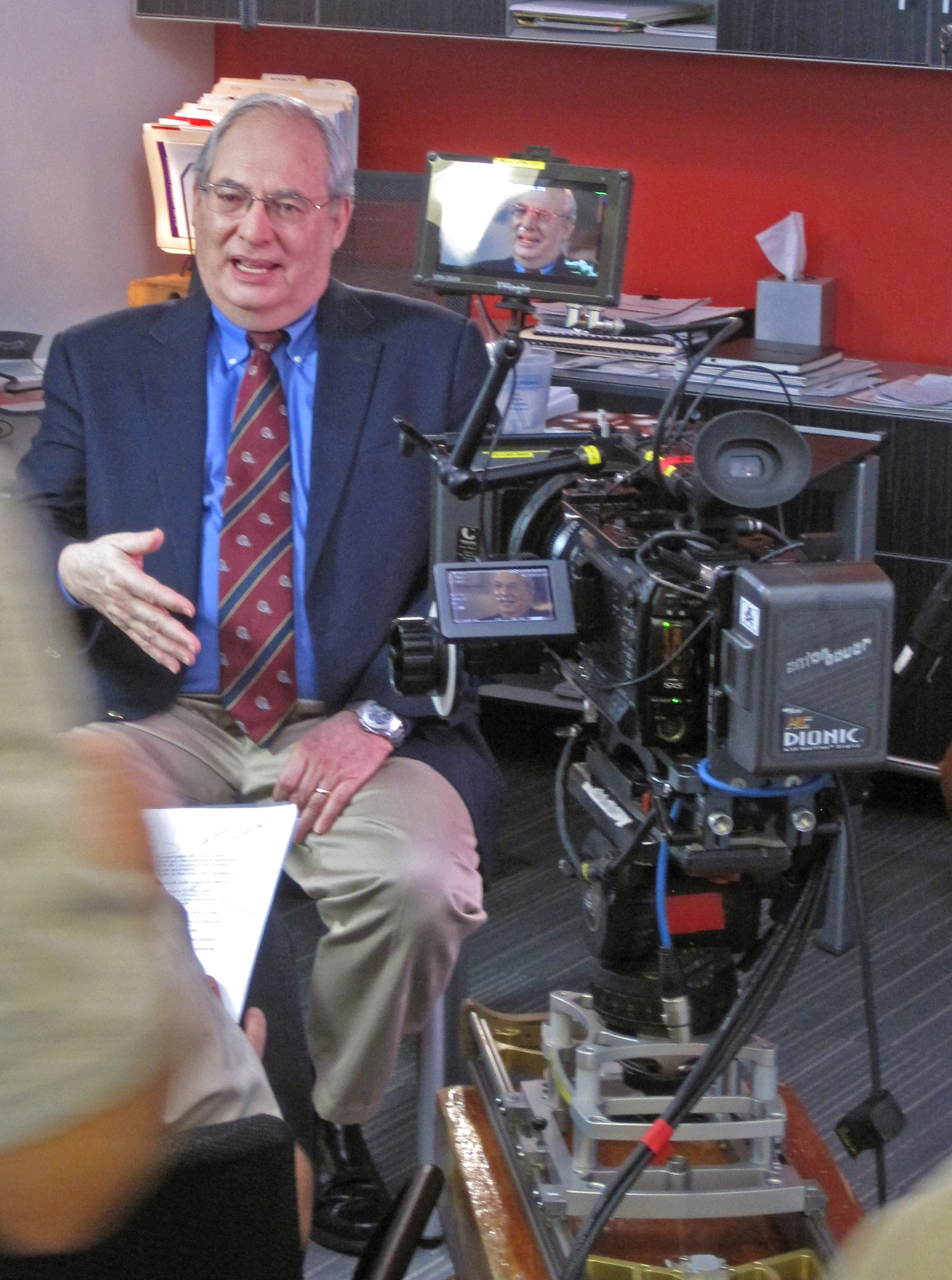
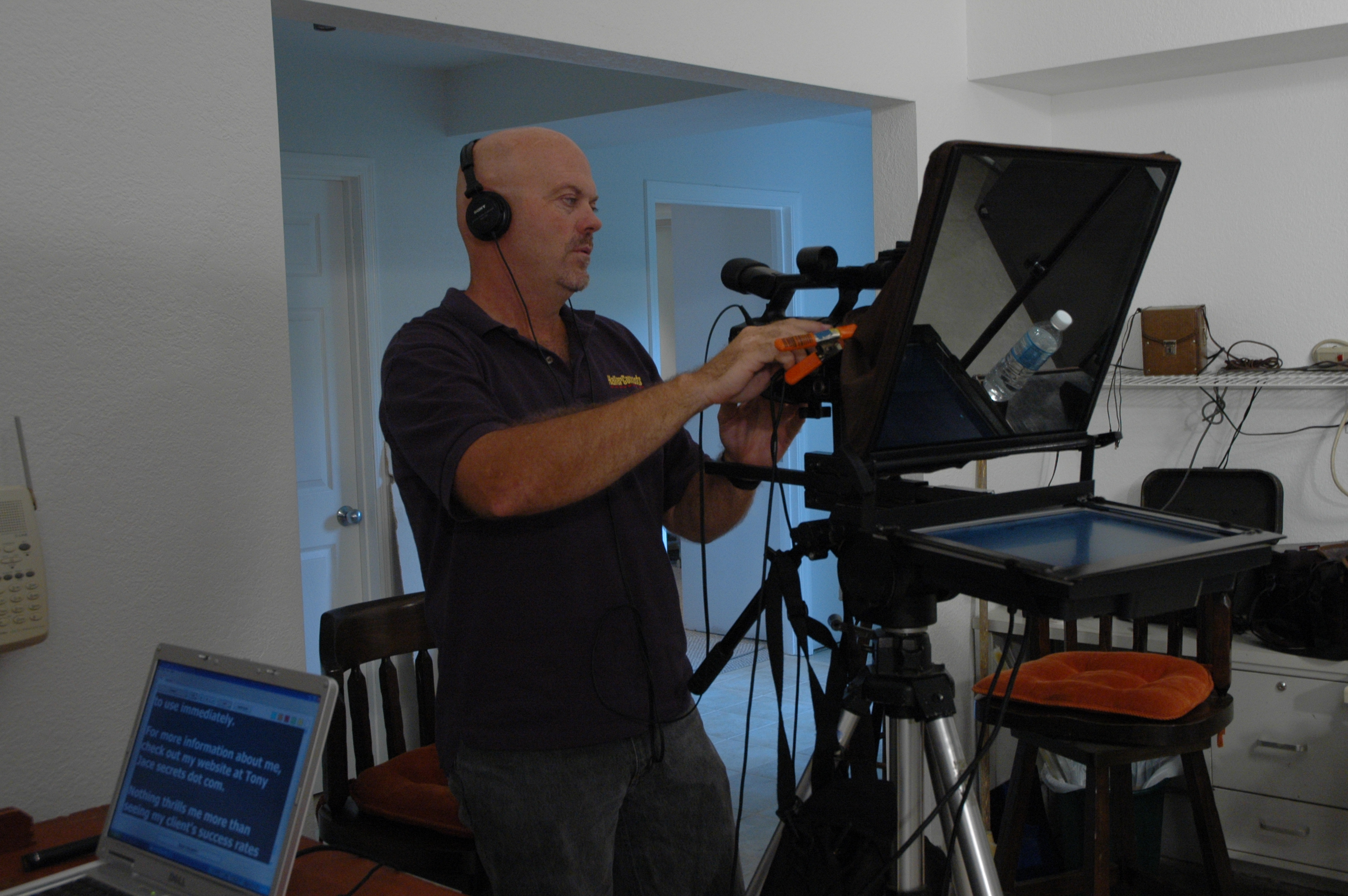
  • Keep eyes off the lens (unless the creative calls for direct-to-camera). Seat the interviewer just off-axis for connection.
  • Bite-sized answers: Encourage complete thoughts in 10–20 seconds for easy editing and cut-downs.
  • Redundancy on the record: Ask for the headline claim twice in slightly different words.

Image & Sound: The Quiet Differentiators

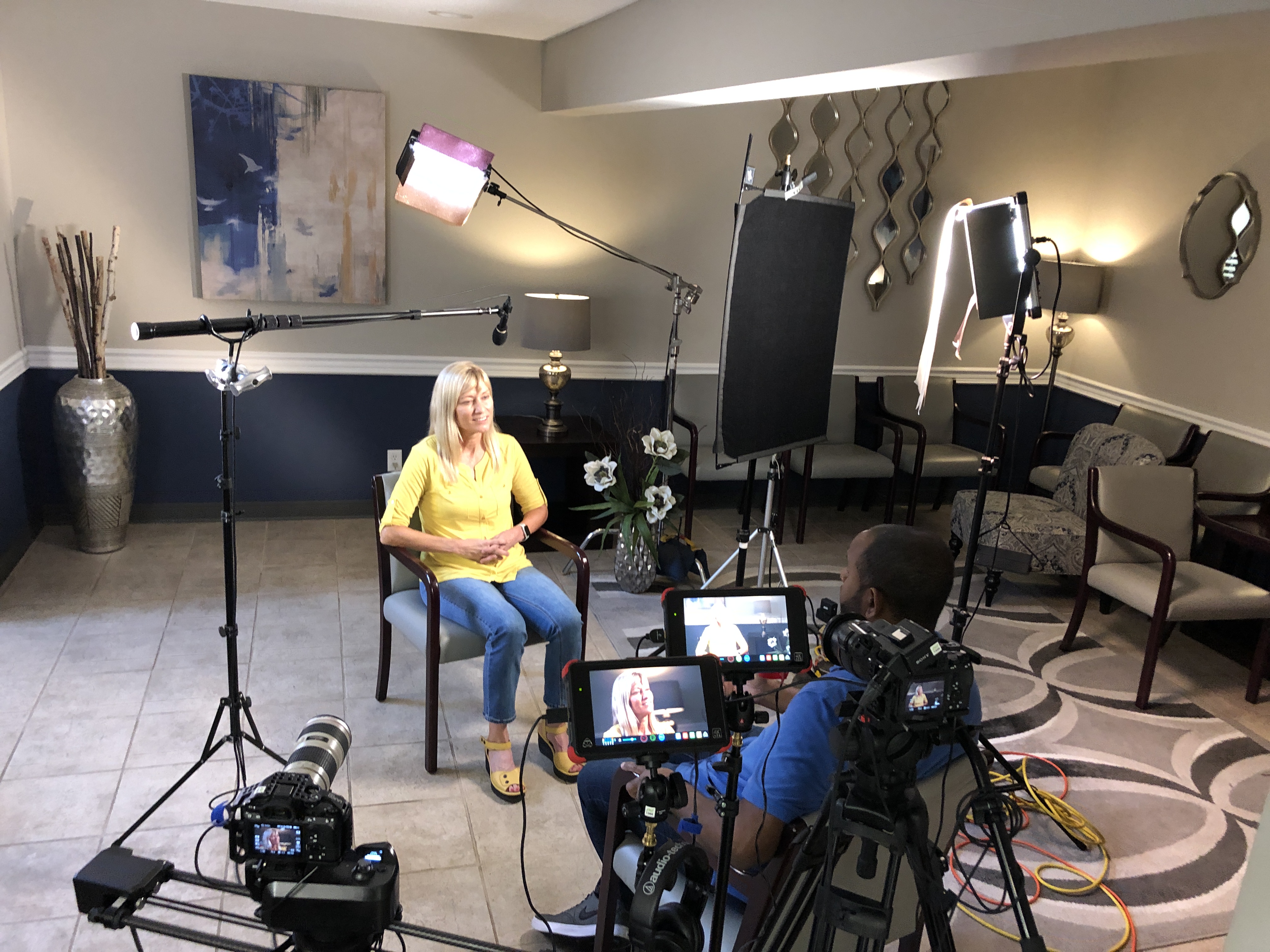
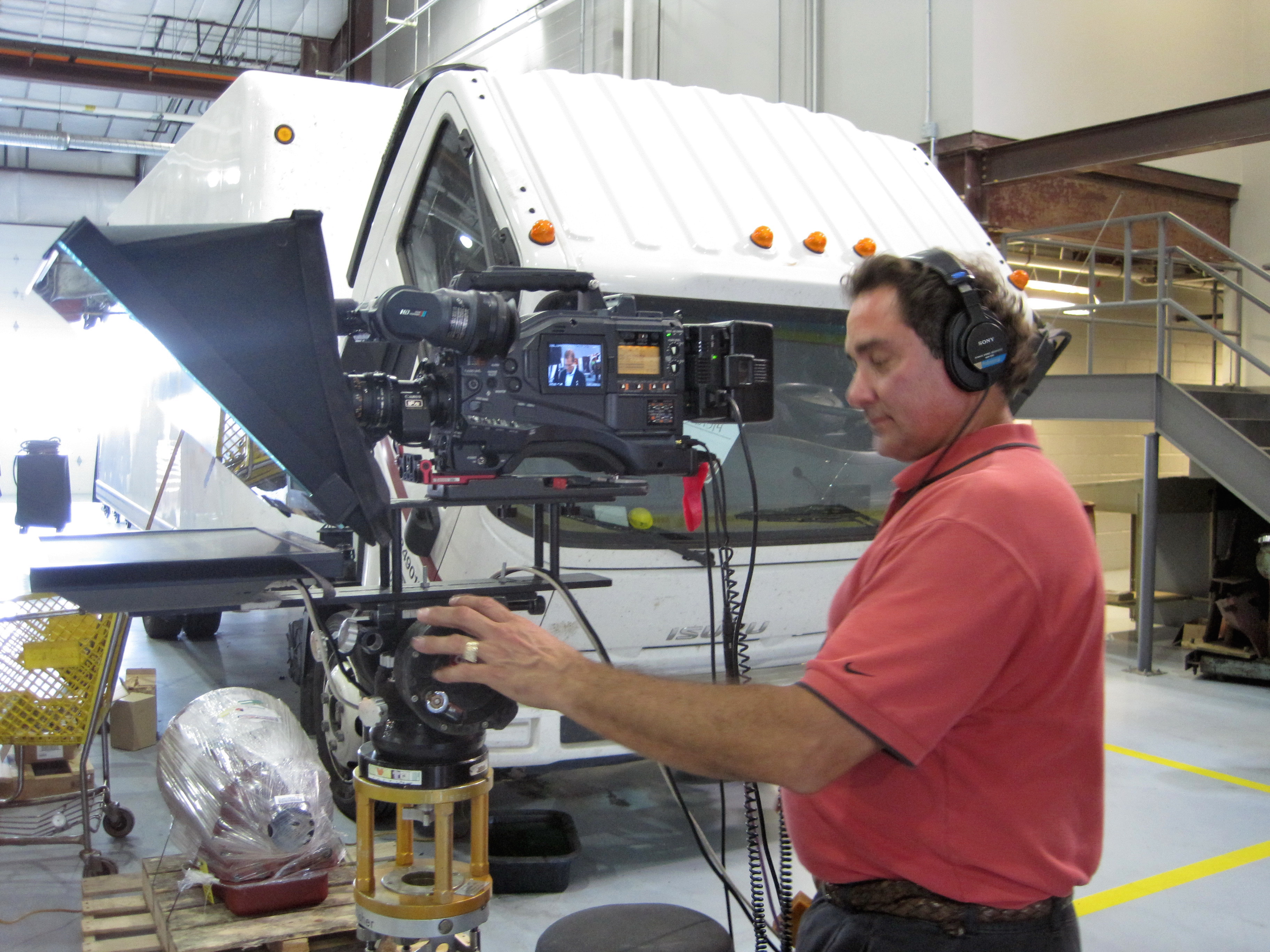
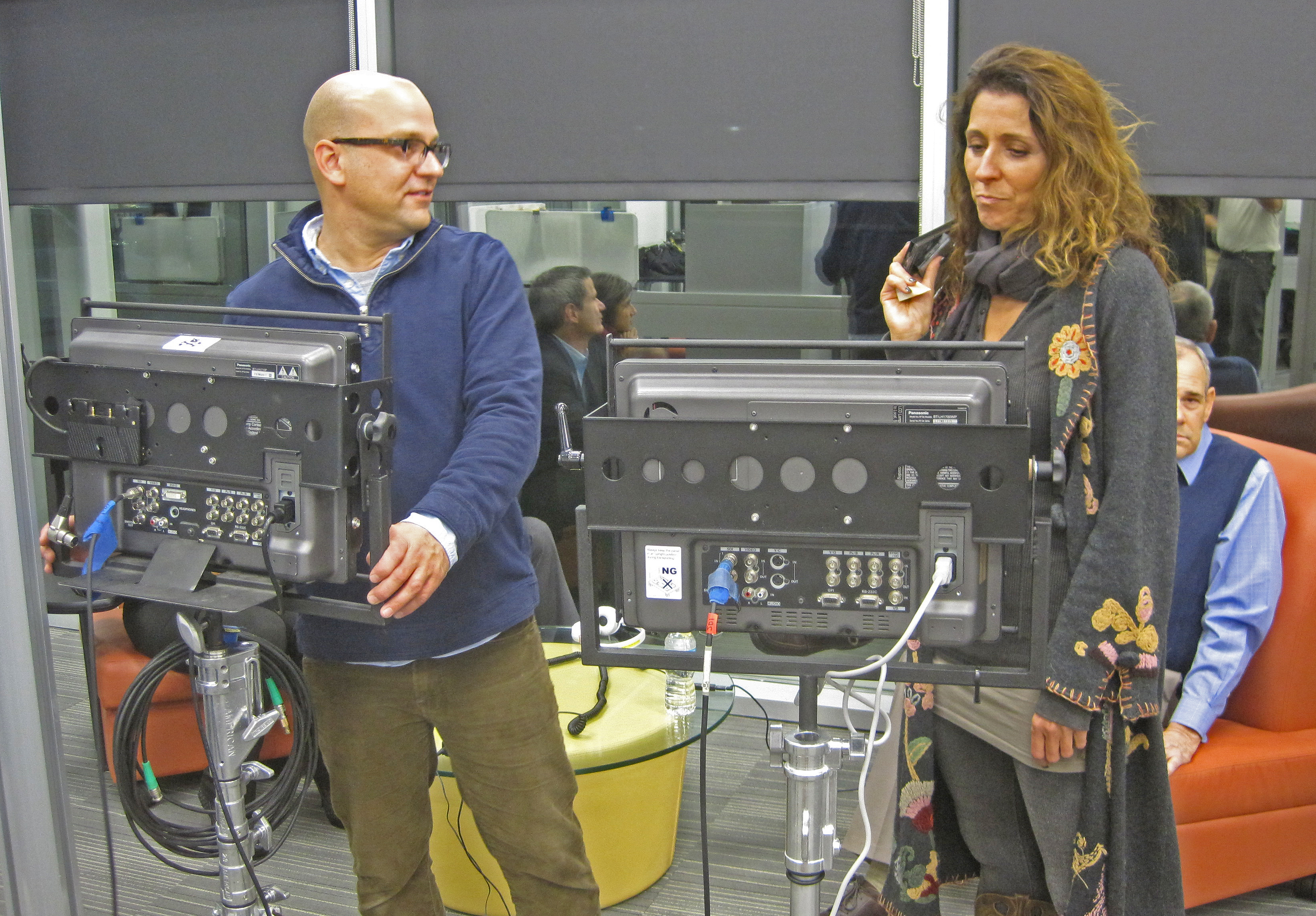
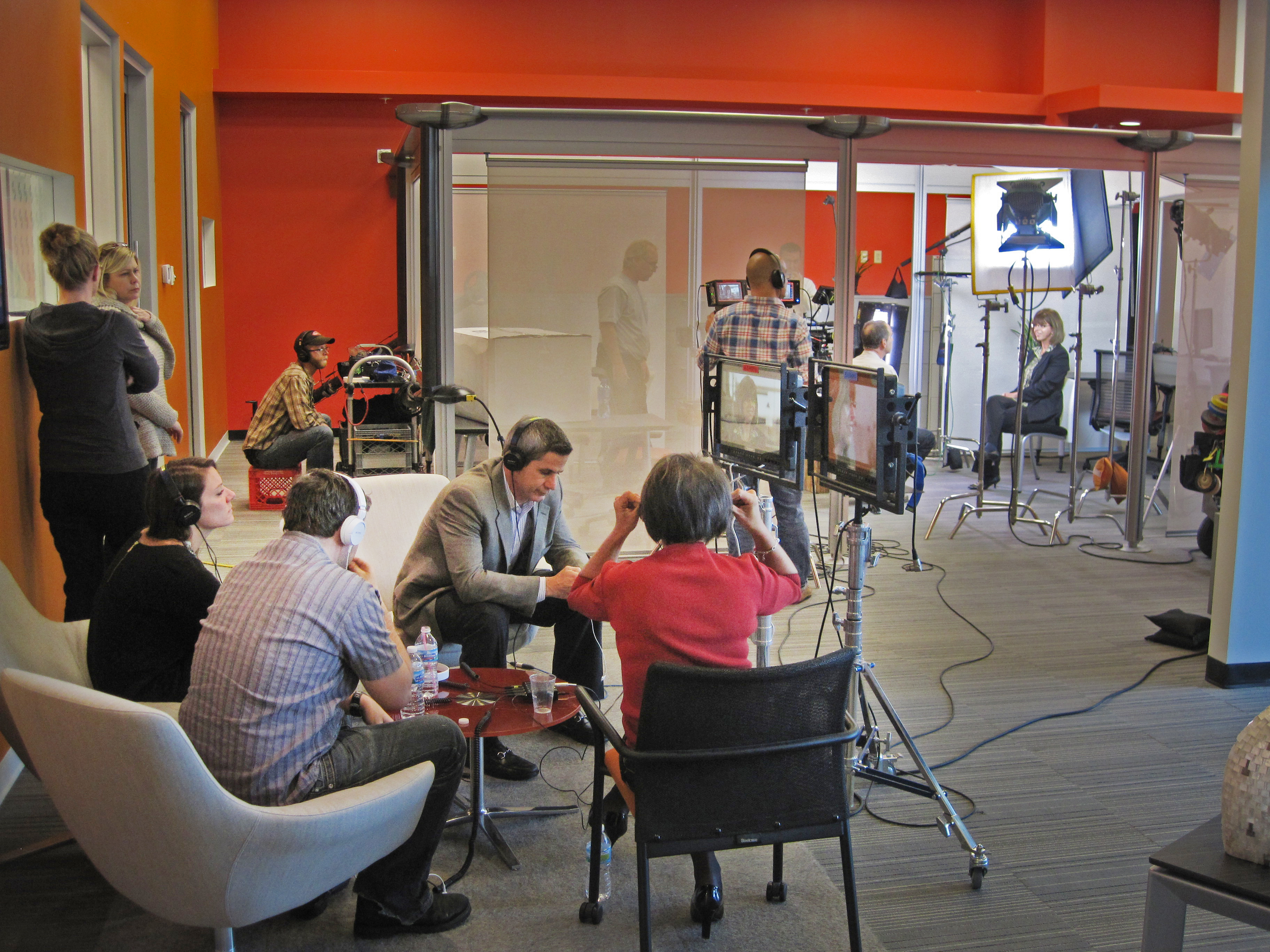
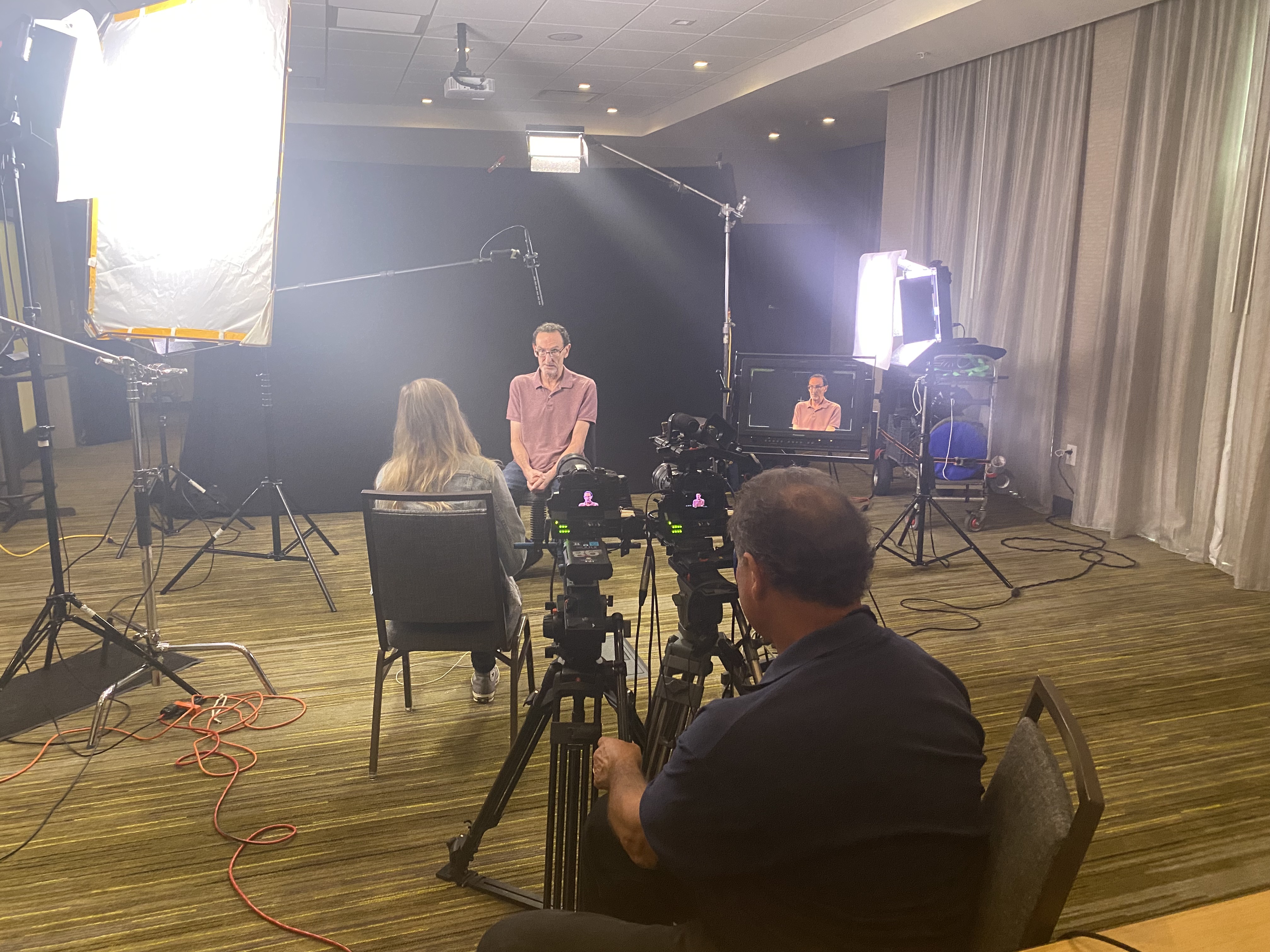
  • Audio first: Dual-system sound when possible; always lav + boom. Monitor with closed-backs. Capture 30 seconds of room tone.
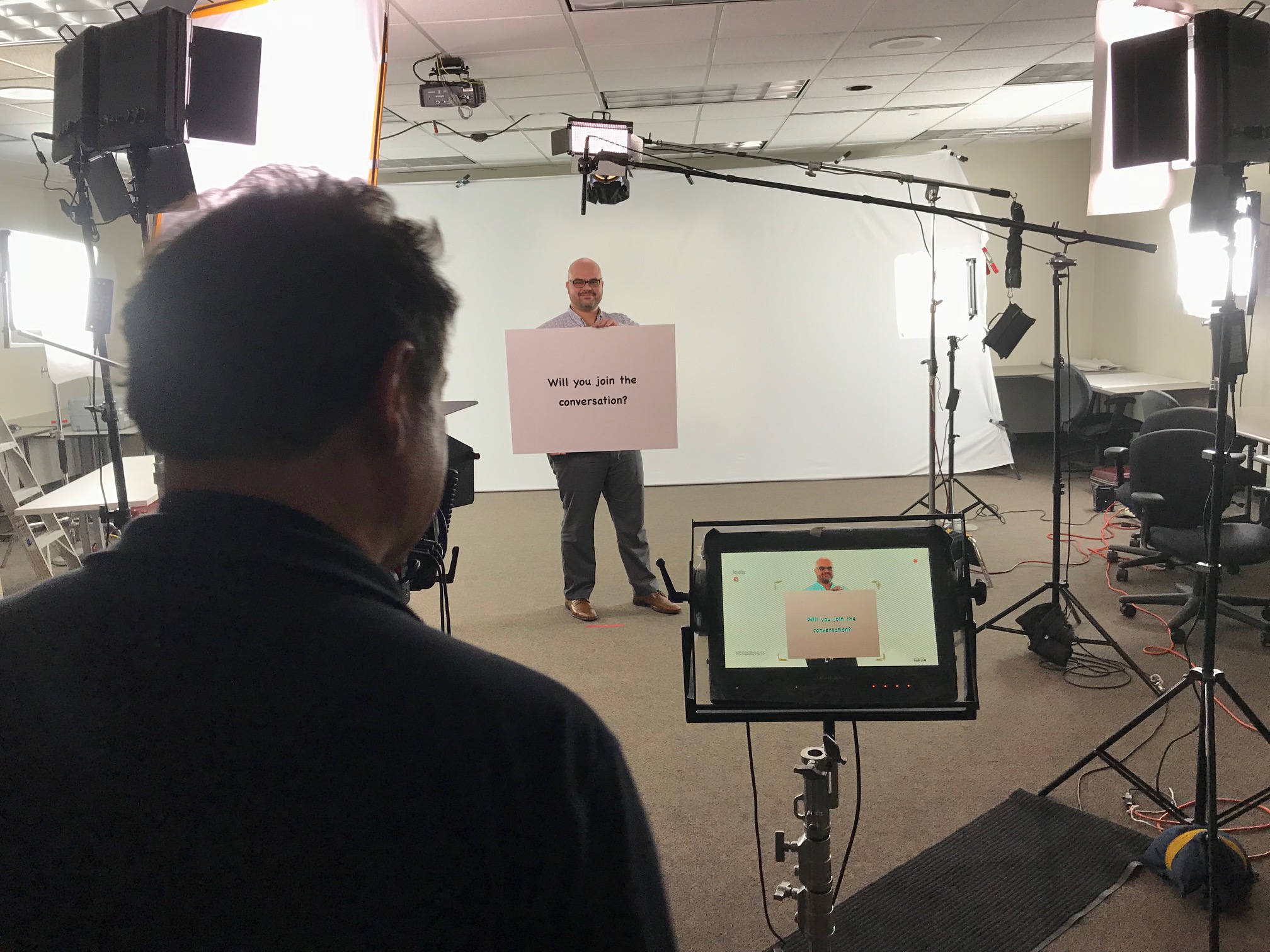
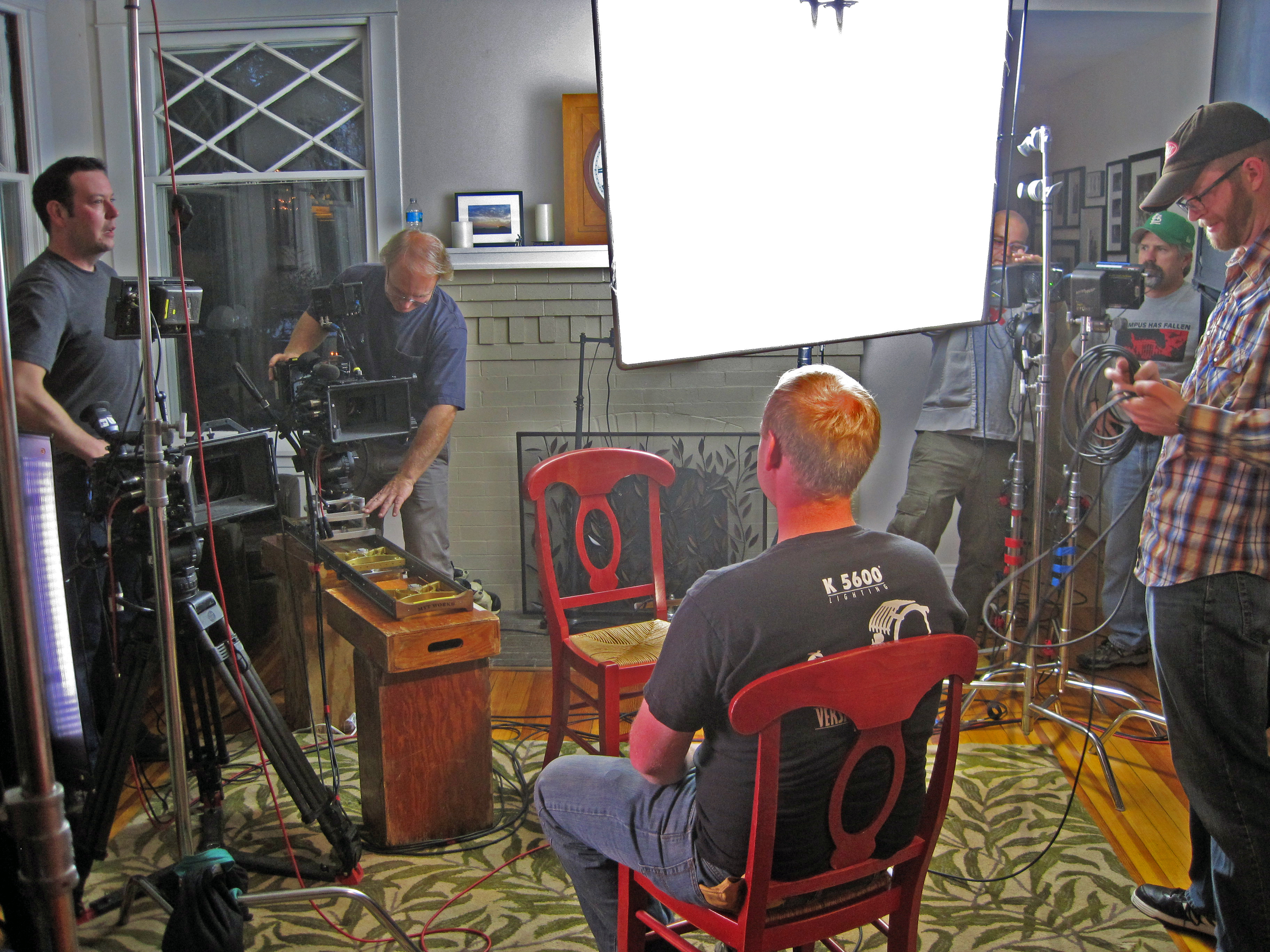
  • Light with intent: Key at ~45°, feathered; add negative fill for shape; hair/back light for separation. Match ambient color; kill mixed color temps.
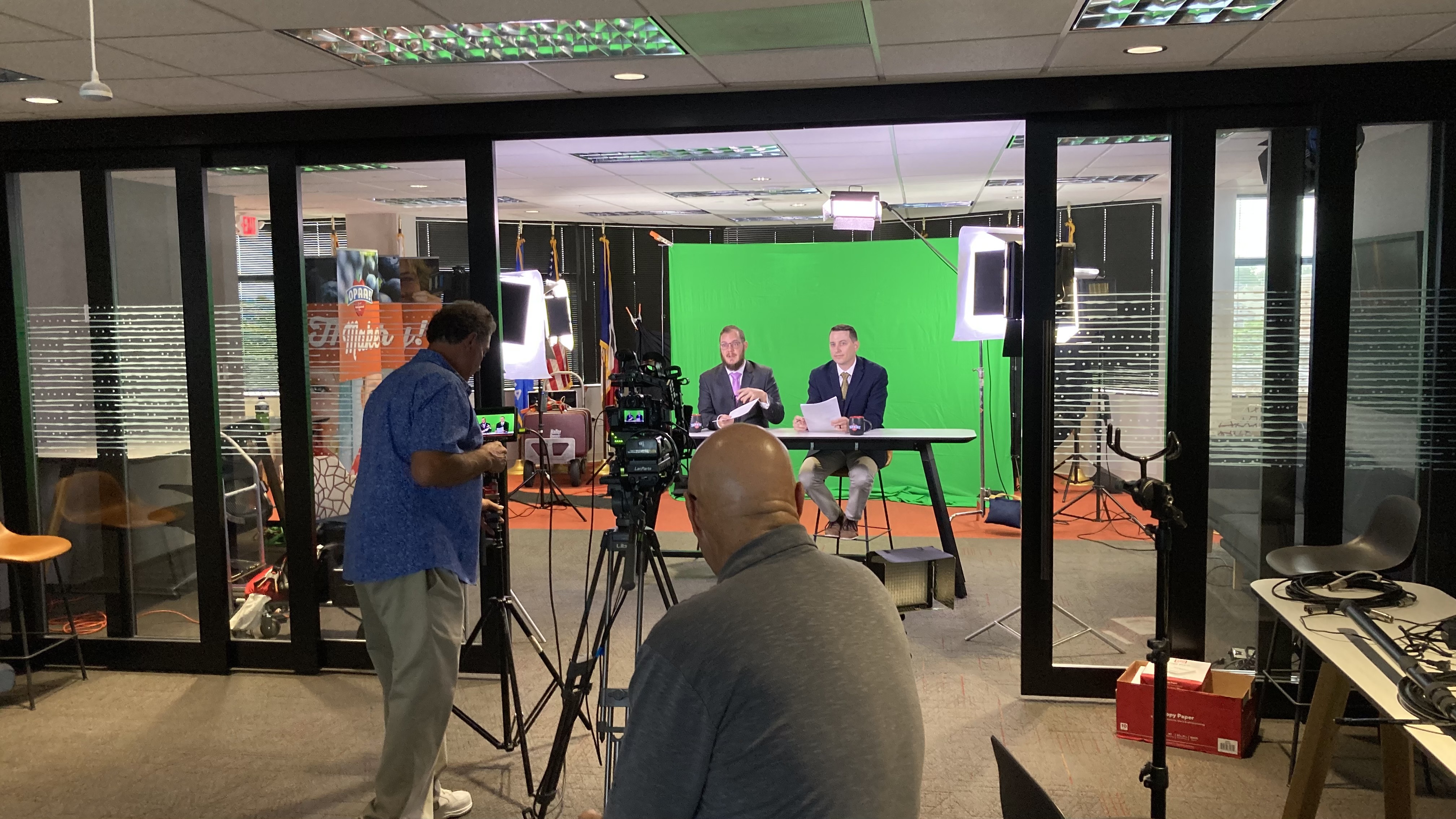
  • Backgrounds with story: Subtle brand artifacts (prototypes, dashboards, shop floor), depth, and practical motivation (lamps/screens) read as real and reduce “talking head” fatigue.
  • Framing for deliverables: Compose to protect safe zones for 9:16 and 1:1 crops without losing eye-line.

B-Roll That Works Hard (Not Just Pretty)

Think of B-roll as visual evidence of the claims made in the testimonial.

  • Shot families for coverage:
    • Wides for context, mediums for process, tights for details/data.
    • Hands-in-action: typing, calibrating, scanning, lifting, reviewing dashboards.
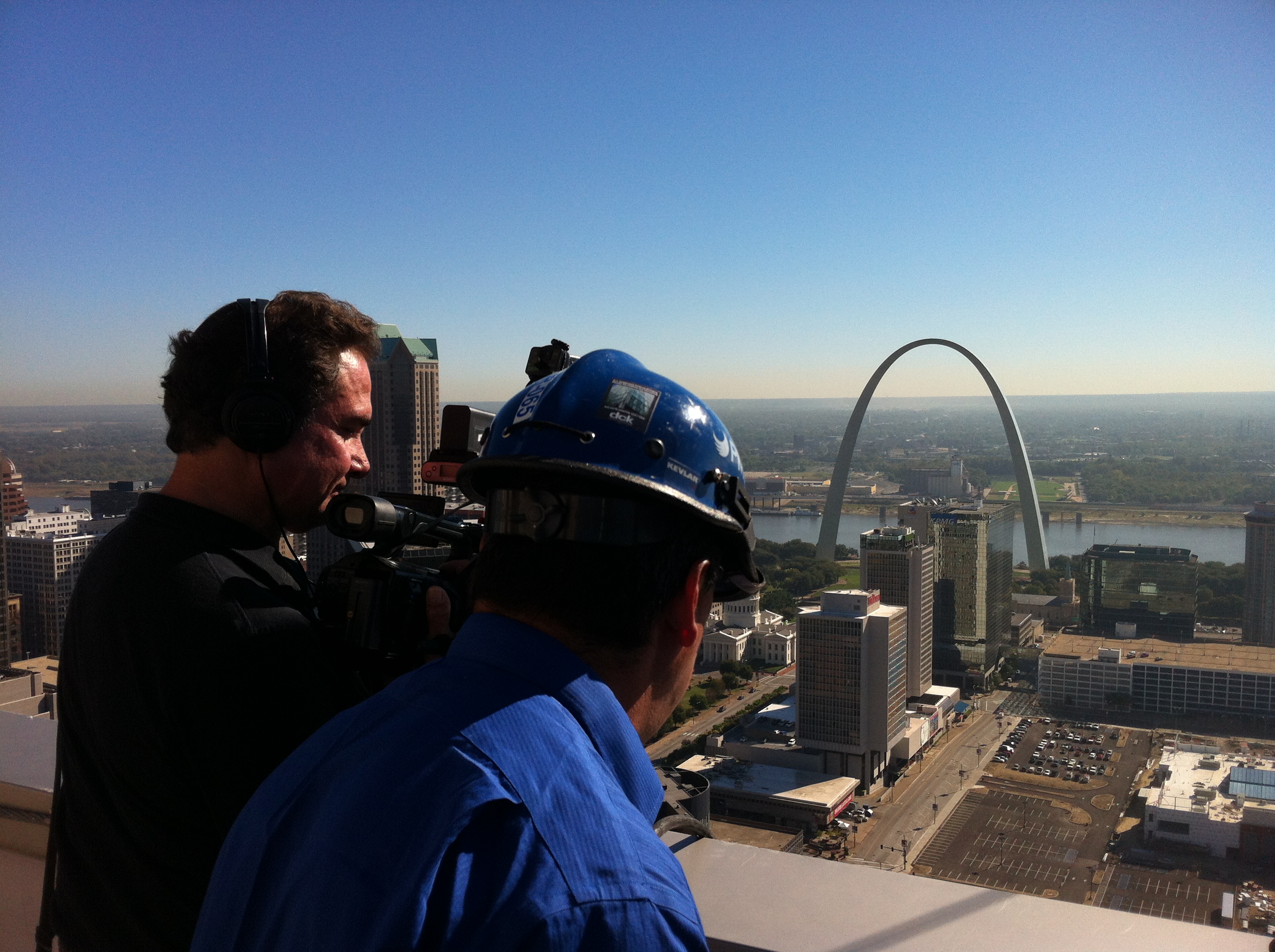
    • Transitioners: doors, signage, skyline, time-lapse, rack-focuses.
  • Match each claim with a visual: If they say “cut rework by 30%,” show the old vs. new workflow, QC stations, dashboards, or shipping volume.
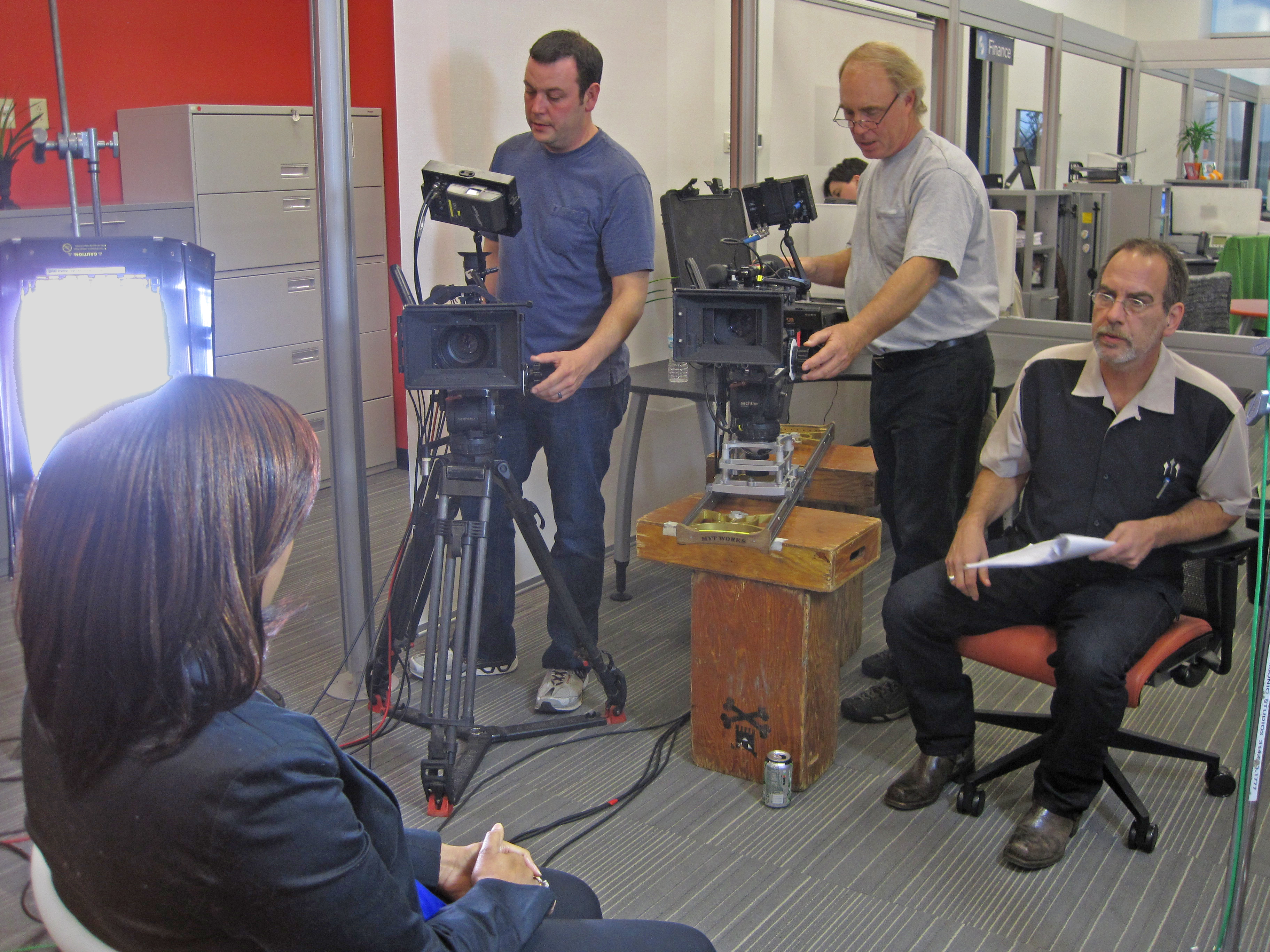
  • Smart motion: Controlled dolly/slider moves; gimbal sparingly to avoid drift. Lock-offs for analytical overlays.
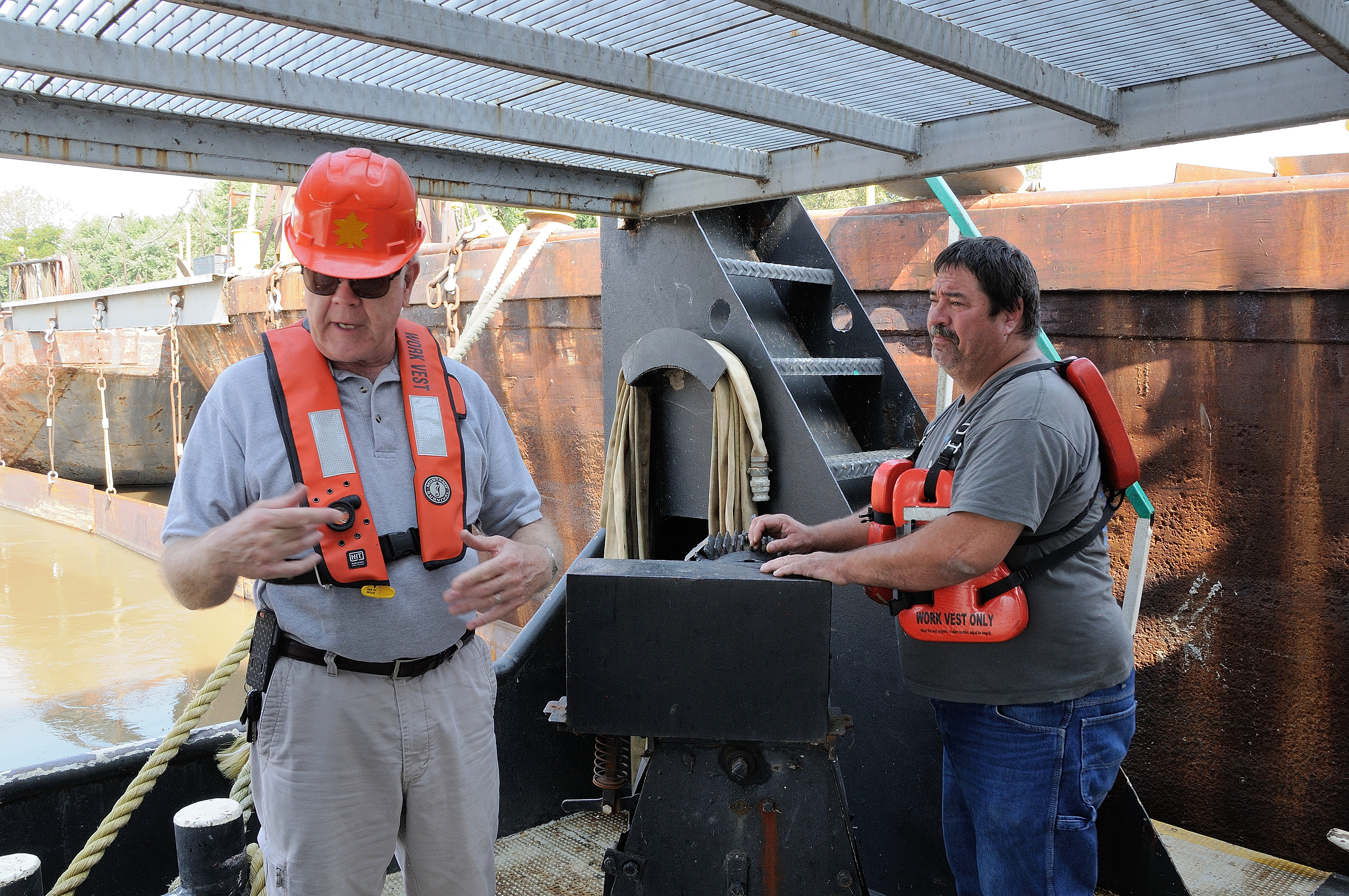
  • People + process: Capture micro-moments—eye contact, head nods, handoffs, whiteboard circles—buyers connect with human proof.
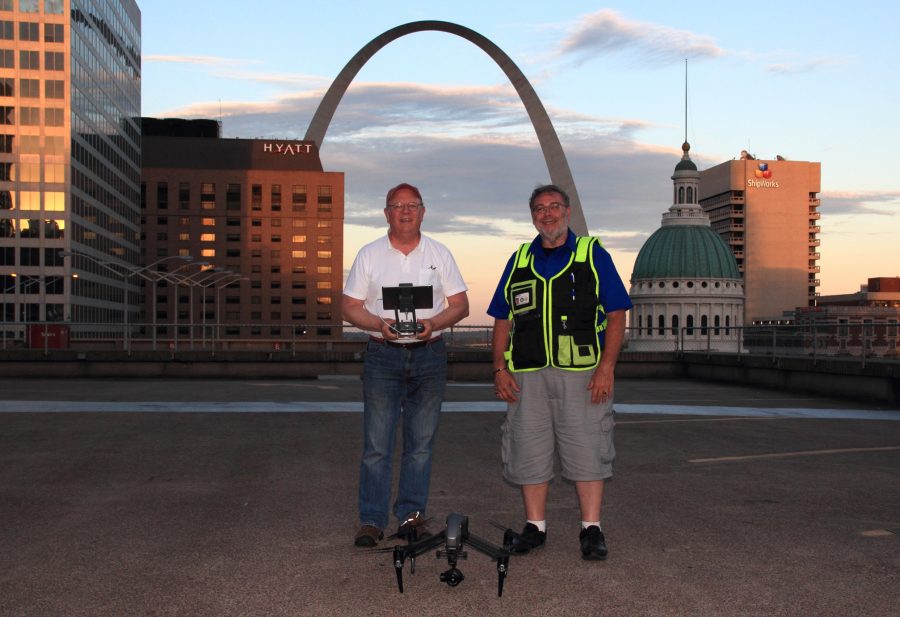
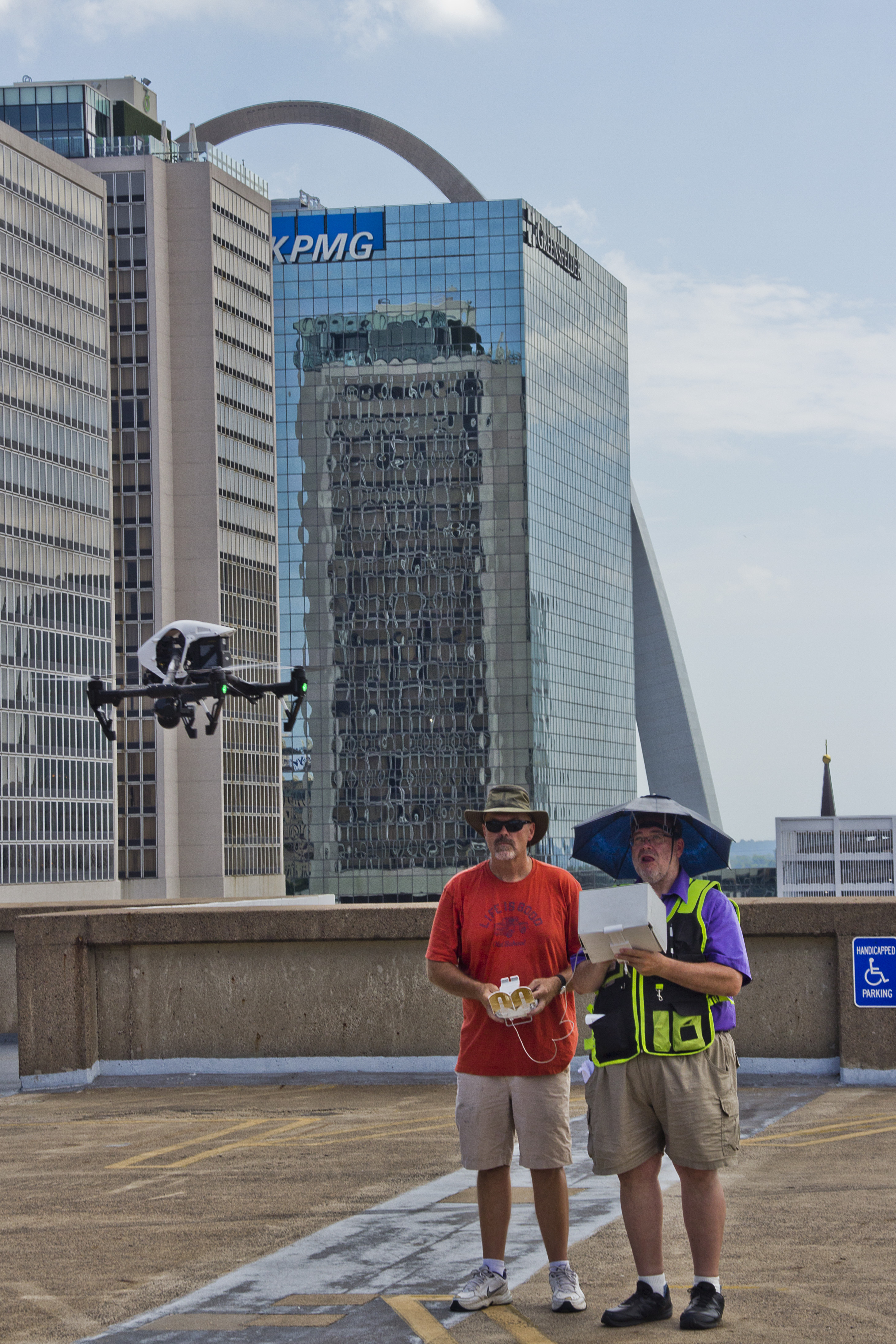
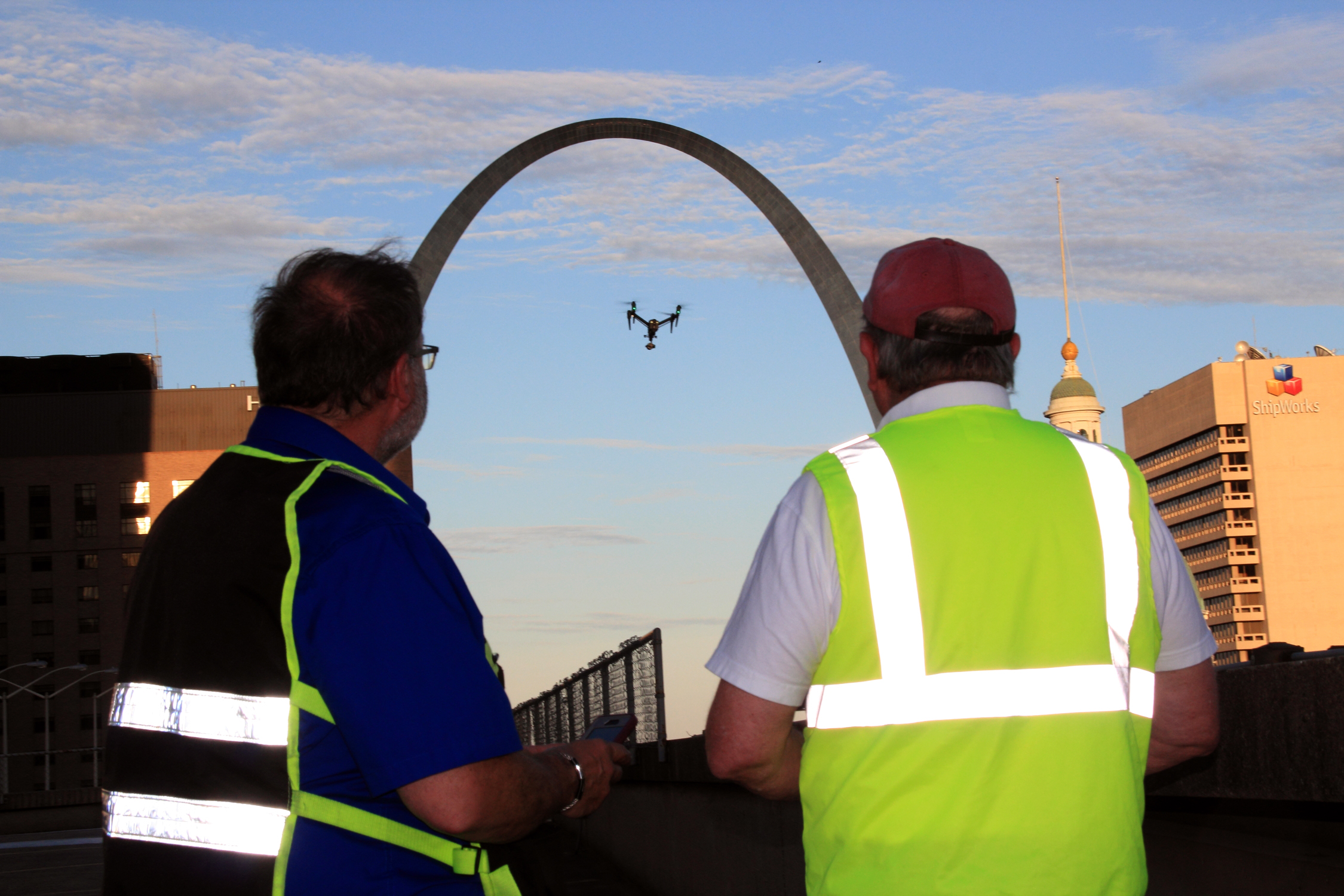
  • Aerial interiors when warranted: Indoor micro-drone passes for plant layouts, warehouse flow, production lines—planned with safety/prop-guard protocols.
  • Roll for sound: Gather machine hums, keystrokes, door closes—great for editorial rhythm and transitional sound design.
A One-Day Field Plan (Sample)

  • 08:00–09:00 Load-in, scout, audio test, lighting build, dress background
  • 09:00–10:30 Primary interview (Subject A), room tone
  • 10:30–12:00 B-roll set 1 (process + environment), stills for thumbnails
  • 12:30–13:15 Secondary interview (Subject B or SME)
  • 13:15–15:00 B-roll set 2 (people + product), aerial/establishers
  • 15:00–16:00 Pick-ups: hero lines, plate shots, UI captures, product details
  • 16:00–16:30 Backup media, sign paperwork, strike

Post-Production That Multiplies Assets

  • Foundations: Dialogue edit, noise reduction, EQ/compression, color match + grade to brand LUTs, graphics lower-thirds, tasteful branded open/close.
  • Proof overlays: On-screen metrics, process diagrams, callouts that mirror the spoken claim.
  • Cut-down strategy: From the master (60–120s), derive 15–30s paid variants, 6–10s hooks, 9:16 verticals with burned-in captions. Build a content pyramid once, publish many.
  • Accessibility & reach: Accurate captions, clean transcripts, and subtitles for priority regions.
  • AI assists (responsibly): Transcription, rough string-outs from selects, noise print learning, automated captioning, and versioning—always human-reviewed for tone and accuracy.
  • Handoff discipline: Logical file naming, proxy + full-res, audio stems, color LUTs, caption files (.srt/.vtt), thumbnail PSDs, and an asset map for your DAM.

Distribution & Measurement (Where ROI Lives)

  • Own the first frame: Headlines that promise a result; start with the strongest line or a visual proof beat.
  • Placement: Website solution pages, outbound ABM emails, SDR decks, paid social, trade-show loops, customer success onboarding.
  • Tagging & UTMs: Track which testimonial themes and visuals correlate with conversions.
  • Refresh cadence: Re-cut quarterly with new CTAs, fresh intros, and updated stats to extend shelf life.

Common Pitfalls (And How We Avoid Them)

  • Vague claims: We pre-interview to gather numbers and secure approvals.
  • Noisy locations: We scout alternates and bring isolation tools (sound blankets, carpets, dynamic mics).
  • B-roll mismatch: We build a claim-to-visual matrix before we shoot.
  • Single format delivery: We design for multi-ratio outputs day one.

Quick Checklist You Can Use Tomorrow

  • One claim per video, with a metric
  • Pre-interview done, releases signed
  • Shot list mapped to claims (wide/medium/tight)
  • Audio plan: lav + boom + room tone
  • Background tells a story; mixed color temps solved
  • Deliverable ratios defined (16:9 / 1:1 / 9:16)
  • Captions + cut-downs in the scope
  • Asset map and file naming agreed

Why Teams Choose Us for This Work

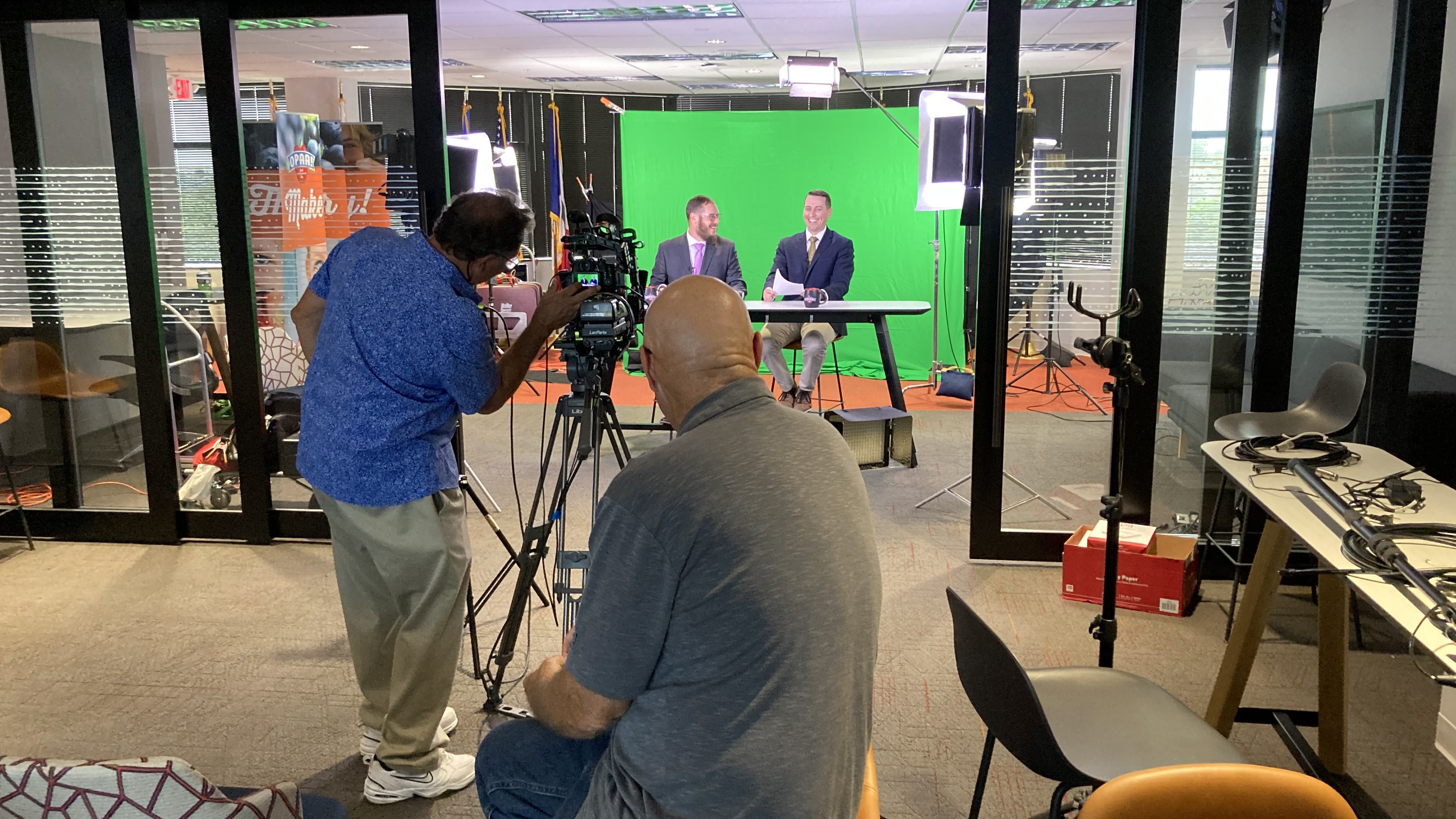
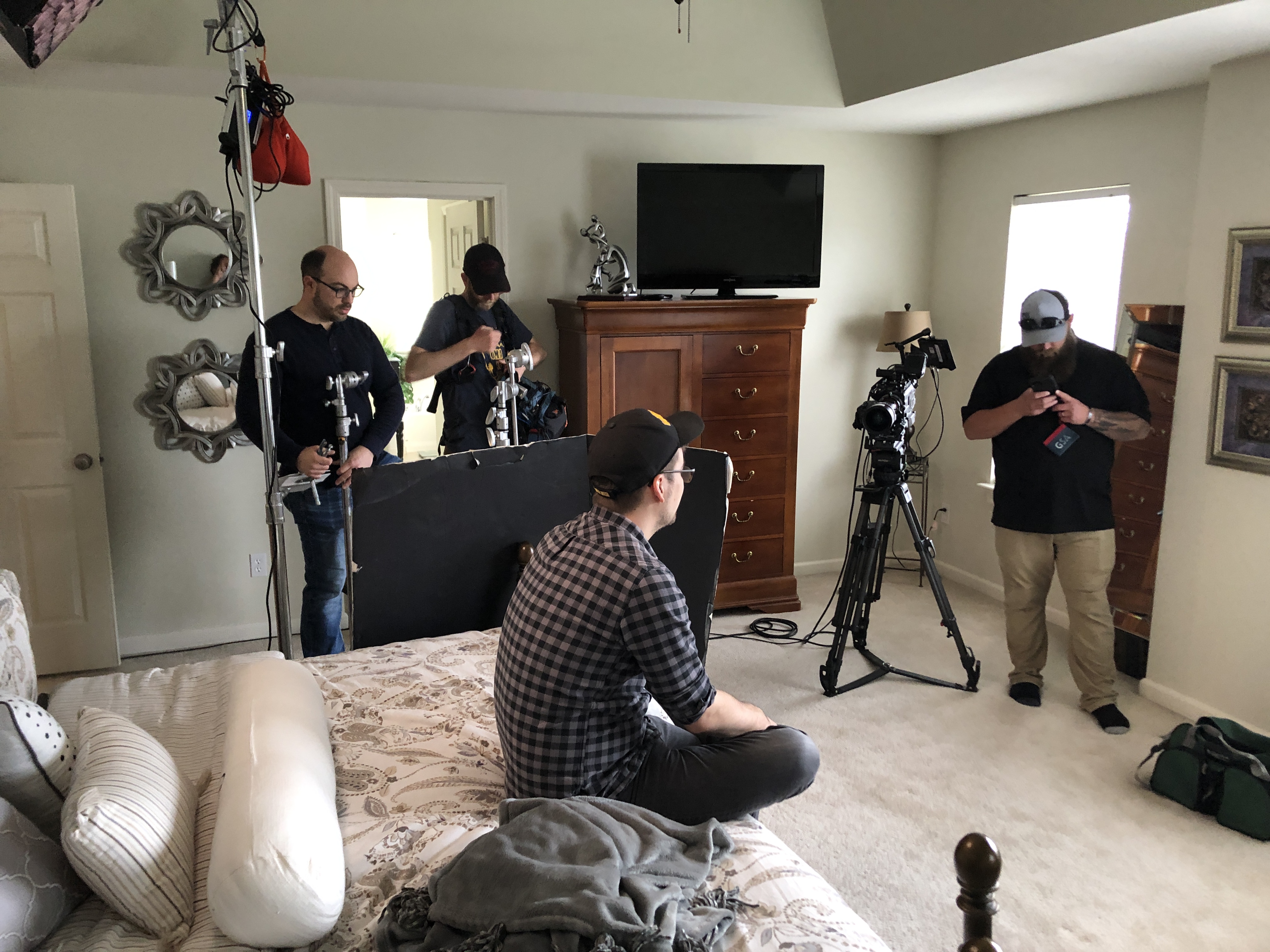
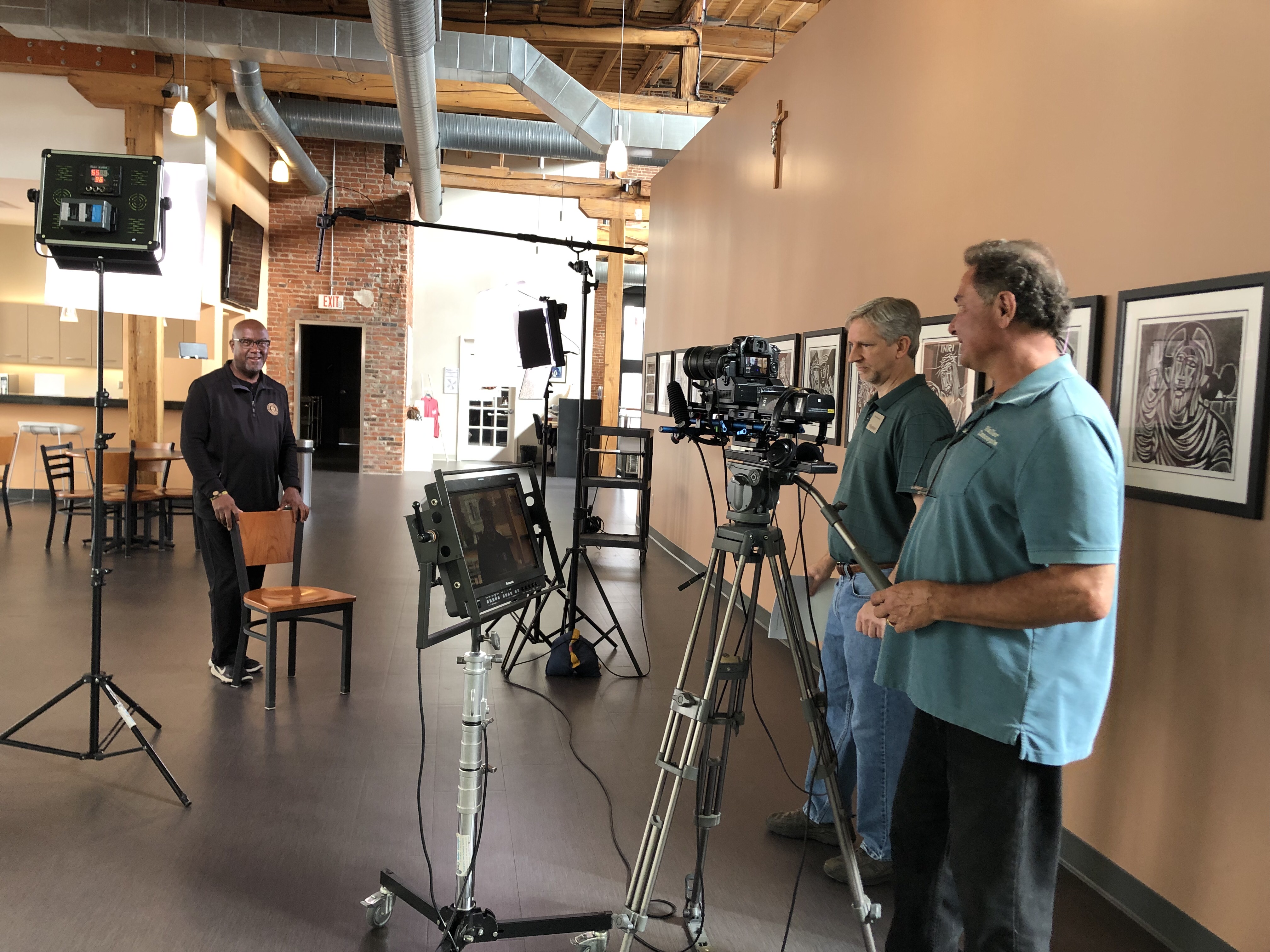
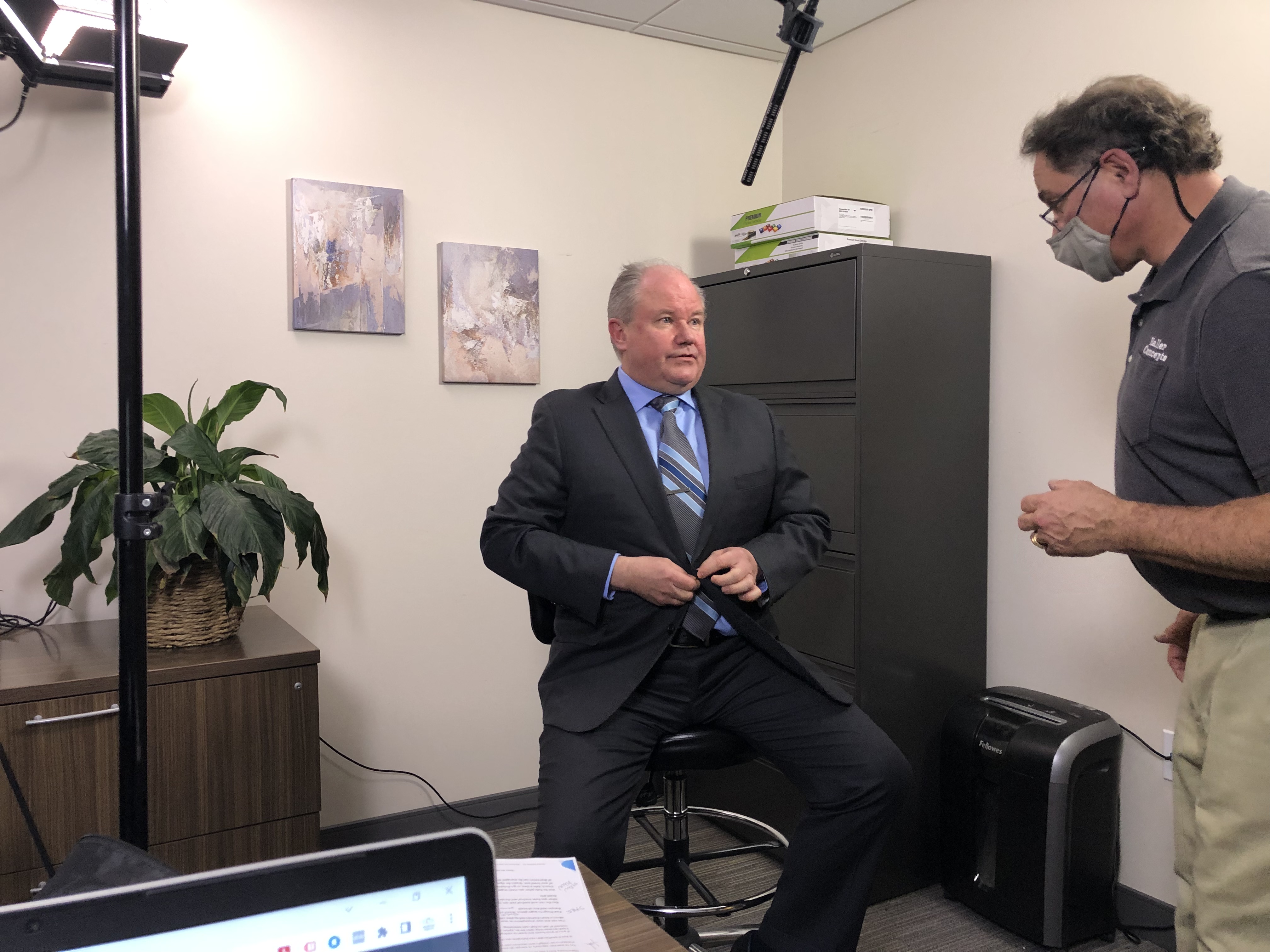
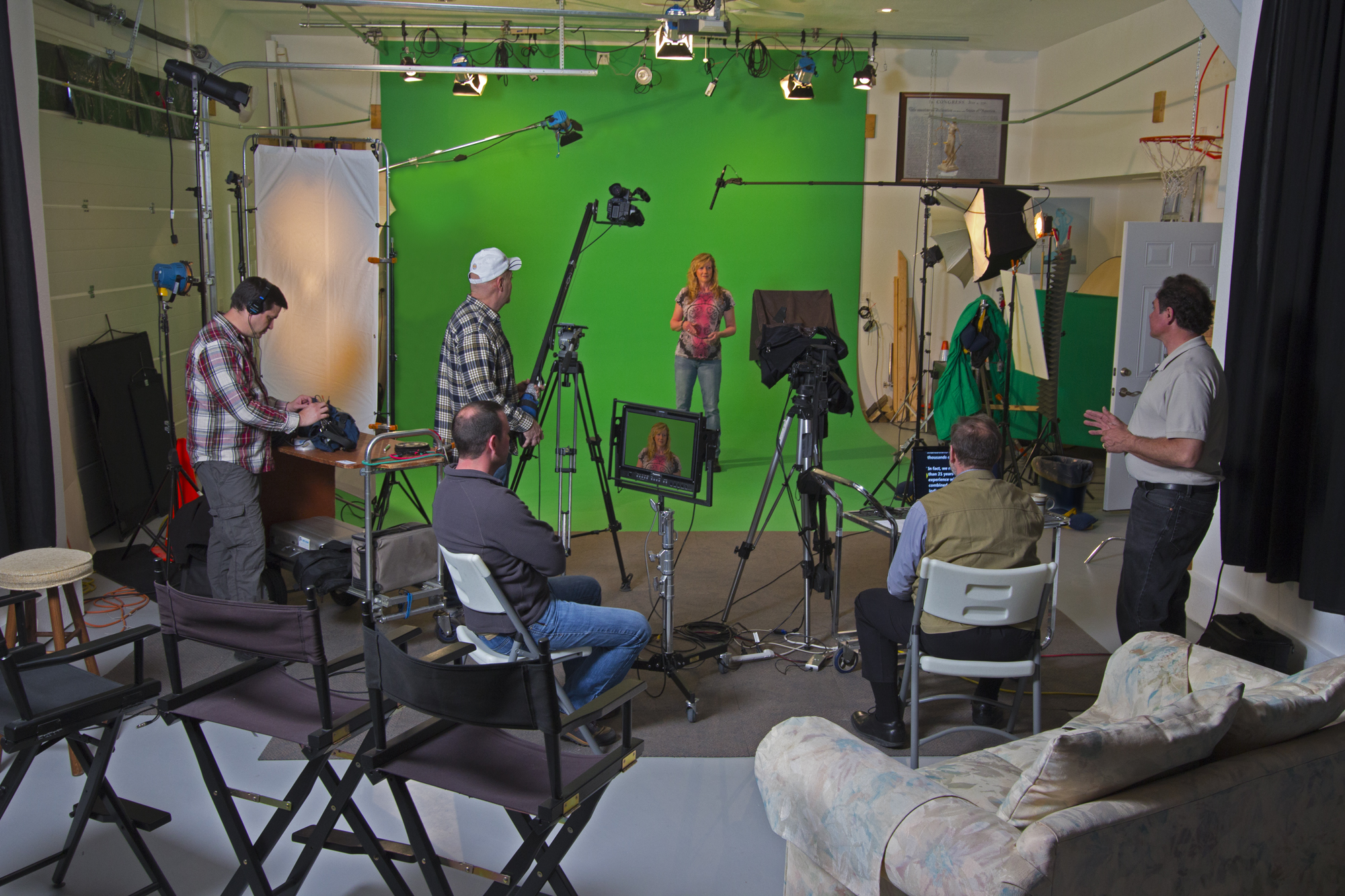
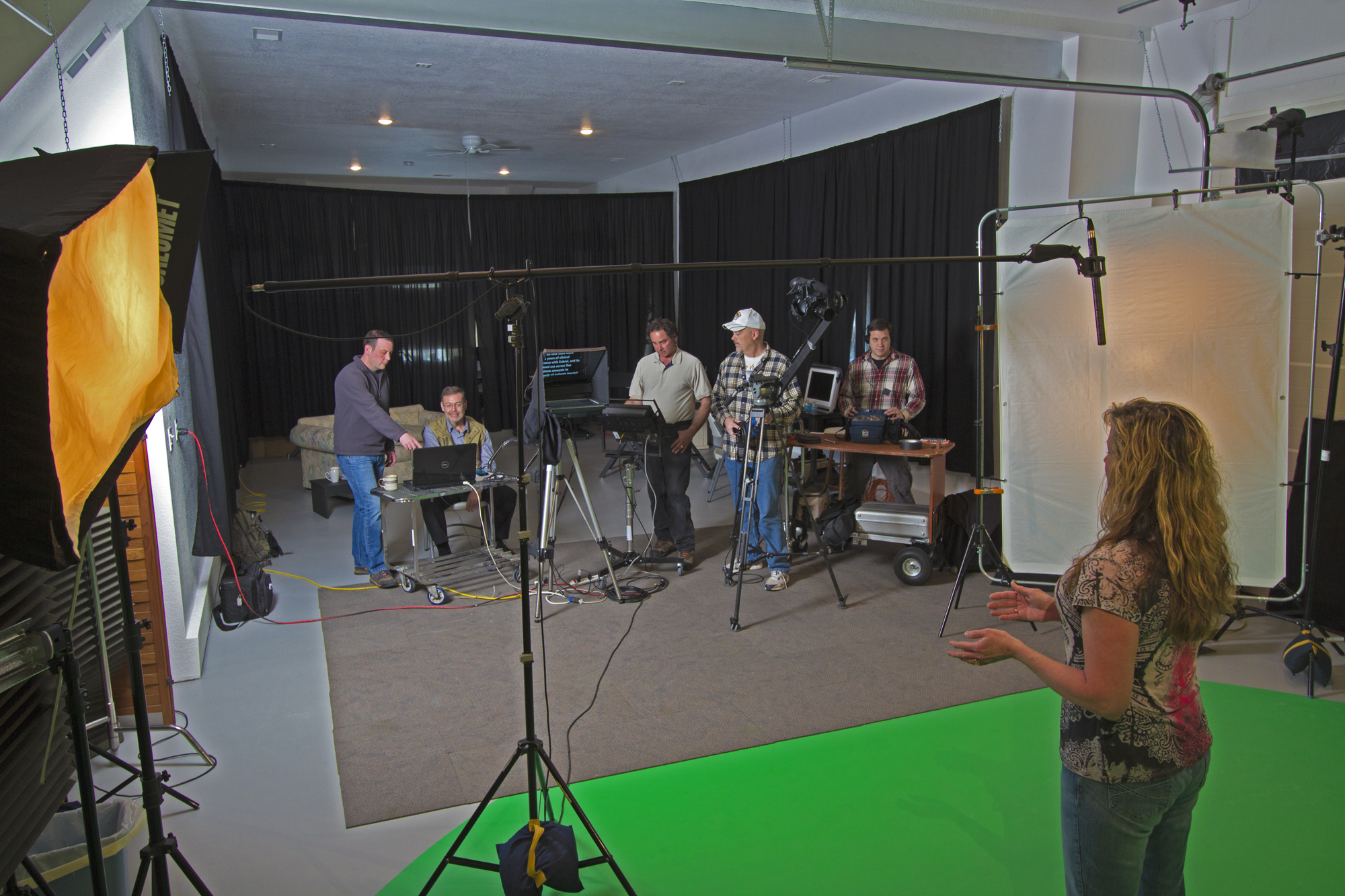
Since 1982, St Louis Commercial Video Production has partnered with businesses, marketing firms, and creative agencies across the St. Louis region to produce marketing photography and video that deliver results. We’re a full-service commercial photography and video production company with the right equipment and seasoned crew to ensure successful image acquisition. We provide studio and on-location video and photography, editing and post-production, and licensed drone pilots—including specialized indoor drone capabilities for dynamic facility coverage. We customize every production for your media requirements and excel at repurposing your photography and video assets to gain more traction across channels. Our team is fluent in all common file types, media styles, and software, and we incorporate the latest AI tools (with human oversight) for transcription, captioning, noise reduction, and efficient versioning. Our private studio features flexible lighting and a configurable set—perfect for interview scenes and product demos—with space for props to fully realize your brand environment. From building a private, custom interview studio to supplying professional sound and camera operators—and providing the right gear end to end—we support every aspect of your production so your next testimonial and B-roll project is seamless, on-brand, and built to convert.

Shari Haller 314-913-5626 stlouisvideos@gmail.com
From Sit-Down to Scroll-Stopping: Easy Ways to Repurpose Interview Clips for Social Media

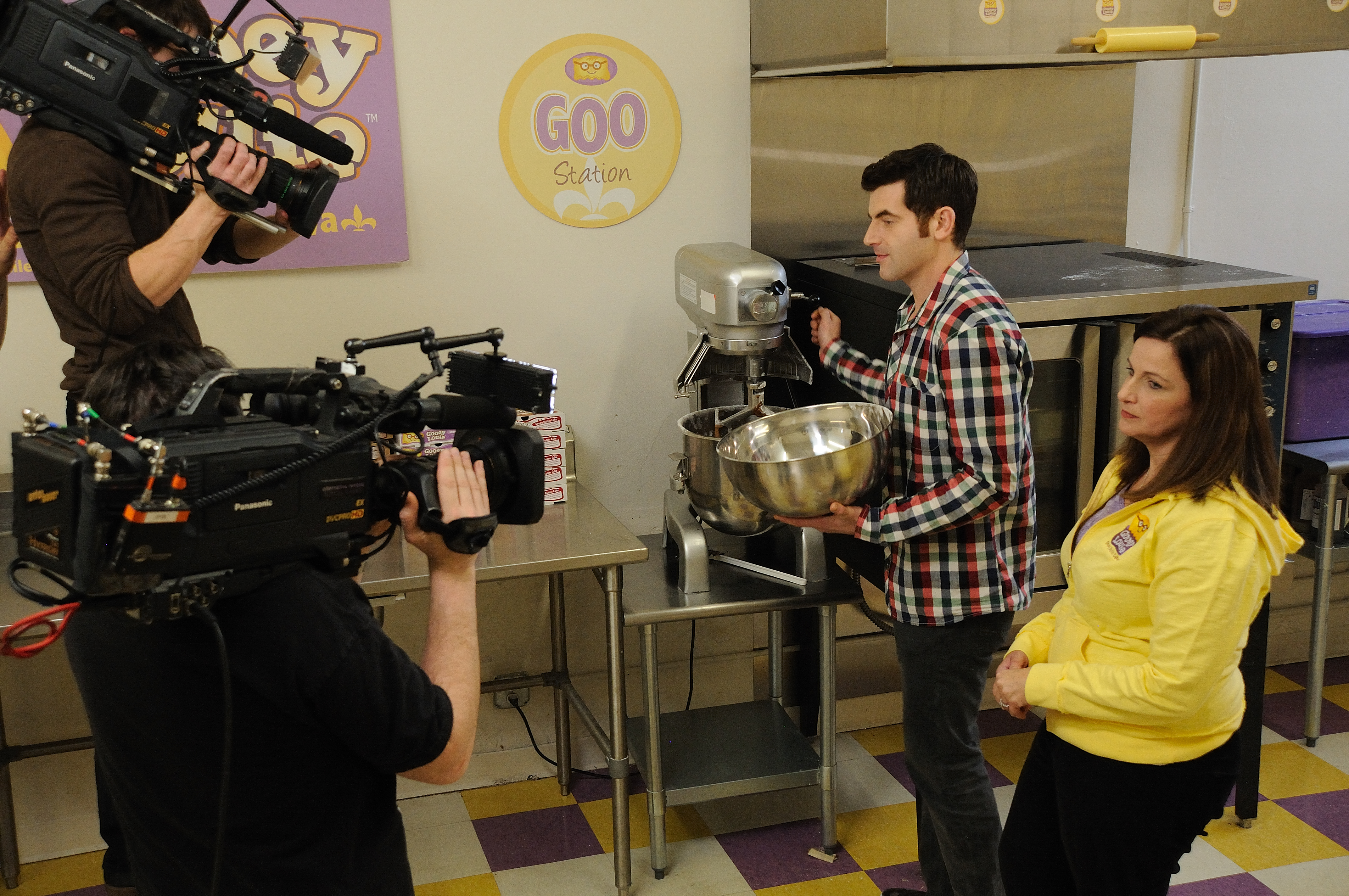
If your business has invested in a well-produced sit-down interview, don’t let that valuable footage live a short life on your website or get buried in a YouTube archive. With a strategic approach, you can extract weeks—even months—of high-performing social media content from just a single interview shoot.

Here are some expert tips on how to transform your interview footage into multiple attention-grabbing assets optimized for every major platform:


1. Pull Powerful Soundbites

Look for concise statements that deliver strong takeaways—thought leadership, company values, unique selling points, or compelling testimonials. These become perfect standalone clips (15–60 seconds) for LinkedIn, Instagram Reels, TikTok, and Facebook.

Pro Tip: Use captions on all platforms. Most viewers scroll without sound, and captioned videos see significantly higher engagement.


2. Create Thematic Mini-Series

Instead of dumping content all at once, group related answers or themes into a short series. For instance:

  • “3 Lessons from Our CEO”
  • “Customer Success Stories: Episode 1”
  • “Behind the Scenes: How We Work”

This tactic keeps your audience returning and gives you a content calendar built from just one recording.


3. Overlay with B-Roll

Cut between the speaker and relevant b-roll (e.g., your team at work, your facility, your product in action). This keeps attention high and helps illustrate your message. Even a simple overlay of photos, logos, or subtle animation elevates production value.


4. Add Text Graphics for Social Hooks

Use bold text animations or simple title cards to lead with a hook. Examples:

  • “Here’s what most companies get wrong…”
  • “How we helped a local brand scale nationwide…”

This sets expectations, increases retention, and aligns with short-form social trends.


5. Convert Quotes to Visual Posts

Pull strong quotes and turn them into branded graphic cards. Pair them with a headshot or still from the video. These quote cards are ideal for platforms like LinkedIn, X (Twitter), or Instagram carousels.


6. Create Vertical Edits for Mobile Platforms

Crop interview clips into 9:16 format to match the native dimensions of Reels, TikTok, and YouTube Shorts. Add branded elements like your logo, colors, and consistent fonts for brand recognition across all platforms.


7. Use AI-Powered Tools for Efficiency

Modern AI editing tools can help identify key soundbites, auto-caption, and even suggest social headlines based on the content of your video. These tools help speed up your content pipeline without sacrificing quality or brand control.


8. Don’t Forget Your Stories & Email Campaigns

In addition to public posts, repurposed interview clips work well for Instagram Stories, LinkedIn Stories, and short animated GIFs in email newsletters. It adds a human element to your message, especially when paired with a relevant CTA.


Maximize ROI on Every Production

Repurposing is about strategic visibility. One well-produced video can become dozens of assets tailored for different audiences, platforms, and moments in your marketing funnel. It’s a smart, budget-conscious way to extend your reach and reinforce your brand message consistently.


Why Work with St Louis Commercial Video Production?

At St Louis Commercial Video Production, we specialize in capturing high-impact interviews and then expertly transforming them into powerful media content that drives engagement across platforms. As a full-service professional commercial photography and video production company, we’ve been serving businesses, marketing firms, and creative agencies in the St. Louis area since 1982.

We offer full-service studio and location video and photography, as well as editing, post-production, and licensed drone pilots. Our team is skilled in repurposing your photography and video branding to gain more traction and visibility. We are well-versed in all file types, styles of media, and accompanying software, and we utilize the latest in Artificial Intelligence for efficient, high-quality media processing.

Our private studio lighting and visual setup is ideal for interviews and small productions. Plus, our facility is large enough to accommodate props and set design that enhance your storytelling. From custom-built interview sets to providing professional sound and camera operators, we support every aspect of your production—including flying our specialized drones indoors when needed.

Let us help you create once and repurpose endlessly.
St Louis Commercial Video Production: Where content is crafted to perform.

314-913-5626 stlouisvideos@gmail.com
Title: Tricks for Making Short Training Videos Work: Tips from St. Louis Commercial Video Experts

In today’s fast-paced business environment, training videos have become an essential tool for organizations looking to engage and educate their employees. Whether you’re onboarding new hires, explaining company procedures, or rolling out a new product, short training videos can make the learning process more effective and memorable. However, creating a successful short training video involves more than just pressing “record”—it requires careful planning, production, and editing.

Repurposing content can be a great way to extend the reach of your training materials. For example, if you already have training videos or photography assets, we can help you repurpose that content to create fresh training materials.

As an experienced videographer and photographer at St. Louis Commercial Video, I’ve helped numerous organizations across the St. Louis area create training videos that engage their target audience and deliver key information efficiently. Here are some expert tricks to ensure your short training videos work.

1. Start with a Clear Objective

Before you even think about turning on the camera, it’s crucial to define the goal of your video. What specific knowledge or skills should the viewer take away from the video? Keep in mind that the most effective training videos are focused on one topic at a time. Trying to cover too much in one short video can lead to confusion or disengagement. Stick to one key point or skill per video to keep things clear and manageable.

2. Keep It Short and Engaging

When creating a short training video, aim to keep it under 5 minutes. Attention spans are short, and viewers are more likely to absorb and retain information when it’s presented in small, digestible chunks. Use compelling visuals, graphics, and animations to enhance the content and keep the viewer’s interest. Visual aids can go a long way in helping to clarify complex concepts and make the video more engaging.

3. Use Professional Equipment and Lighting

High-quality video production can make a big difference in how your message is perceived. Poor lighting, sound issues, or shaky camera work can distract from the content and make it harder for viewers to focus. That’s where St. Louis Commercial Video comes in. We provide full-service studio and location video and photography production, equipped with the right tools to ensure your video looks and sounds professional.

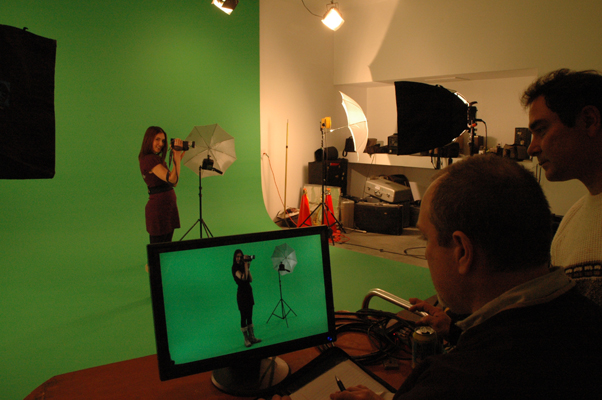
Our private studio offers excellent lighting and visual setups, ideal for small productions and interview scenes. Whether you’re filming in our studio or at an off-site location, we ensure the lighting and sound are optimized for the best possible results. This attention to detail makes all the difference when it comes to keeping your audience engaged.

4. Create a Custom Interview Studio Setup

If your training video involves interviews or speaking segments, it’s essential to have a comfortable and professional environment for your speakers. St. Louis Commercial Video specializes in custom interview studio setups. We can tailor your studio for specific needs, whether it’s a formal corporate setting or a more casual atmosphere, and provide professional sound and camera operators to ensure high-quality results.

5. Leverage the Power of Drone Shots (Yes, Inside!)

If your training video could benefit from aerial shots or a unique perspective, consider using a drone. While drones are often associated with outdoor shots, we can fly our specialized drones indoors to capture stunning aerial footage that adds a dynamic element to your video. This is perfect for creating engaging training videos with a fresh look, especially for larger spaces or demonstrations that require a wide-angle view.

6. Incorporate Repurposed Content

Repurposing content can be a great way to extend the reach of your training materials. For example, if you already have training videos or photography assets, we can help you repurpose that content to create fresh training materials. St. Louis Commercial Video specializes in repurposing photography and video branding to gain more traction across different platforms. Our team is well-versed in all file types, media styles, and the accompanying software to ensure your content works across multiple channels.

7. Effective Editing and Post-Production

The post-production phase is where the magic happens. Once the video footage is captured, the editing process brings everything together. It’s essential to ensure that your video is concise, well-paced, and that any unnecessary content is trimmed. With the right editing tools, we can enhance your video with graphics, text overlays, transitions, and sound effects, making it even more engaging. St. Louis Commercial Video offers professional editing and post-production services to ensure your training video looks polished and is ready to be distributed.

8. Make Your Video Accessible

Finally, ensure your video is accessible to all employees, including those with disabilities. Adding subtitles or captions can help people with hearing impairments, non-native speakers, or those in noisy environments better understand the content. Providing multiple formats (e.g., downloadable files or embedded versions) can also improve the accessibility and shareability of your training materials.


Why Choose St. Louis Commercial Video for Your Training Videos?

At St. Louis Commercial Video, we understand the importance of creating high-quality, engaging content for your business. Since 1982, we’ve worked with businesses, marketing firms, and agencies in the St. Louis area, helping them produce effective corporate photography and video content.

Our full-service capabilities include studio and location video and photography, editing, post-production, and the use of licensed drone pilots for aerial footage. We can customize your productions for diverse media requirements, ensuring that your training videos are tailored to your audience’s needs. Whether you need a private interview studio setup, specialized drone footage indoors, or a comprehensive media strategy to repurpose your existing content, we have the experience and expertise to make it happen.

With our team of creative professionals, we can handle every aspect of your production, from lighting and camera work to post-production editing and final delivery. Trust St. Louis Commercial Video to deliver a training video that enhances learning and leaves a lasting impact on your team.

Let’s make your next training video perfect—contact us today to get started!

314-913-5626 stlouisvideos@gmail.com
Business Videography: Emerging Technologies and Trends

In the realm of business marketing and communication, videography has evolved into a powerful tool that can captivate audiences, convey messages effectively, and drive engagement. As decision makers overseeing photography and video production services for businesses and organizations, it’s crucial to stay abreast of the latest technologies and trends shaping the industry. In this comprehensive guide, we’ll explore some of the emerging technologies and trends in business videography that are reshaping the landscape and providing new opportunities for businesses to connect with their audience.

Whether it’s broadcasting a product launch, hosting a Q&A session, or streaming a behind-the-scenes look at your business operations, live streaming allows you to engage with your audience in a more authentic and immediate way.

1. Virtual and Augmented Reality (VR/AR)

Virtual and augmented reality technologies are revolutionizing the way businesses engage with their customers. VR and AR allow for immersive experiences that can transport viewers to different locations, showcase products in a lifelike manner, or provide interactive training simulations. Integrating VR and AR into your business videography strategy can enhance viewer engagement and provide a memorable experience that sets your brand apart.

2. 360-Degree Video

360-degree video offers viewers a fully immersive experience, allowing them to explore a scene from every angle. This technology is particularly effective for showcasing real estate properties, event venues, or tourist destinations. By incorporating 360-degree video into your business videography repertoire, you can provide viewers with a dynamic and interactive viewing experience that enhances their engagement with your brand.

3. Live Streaming

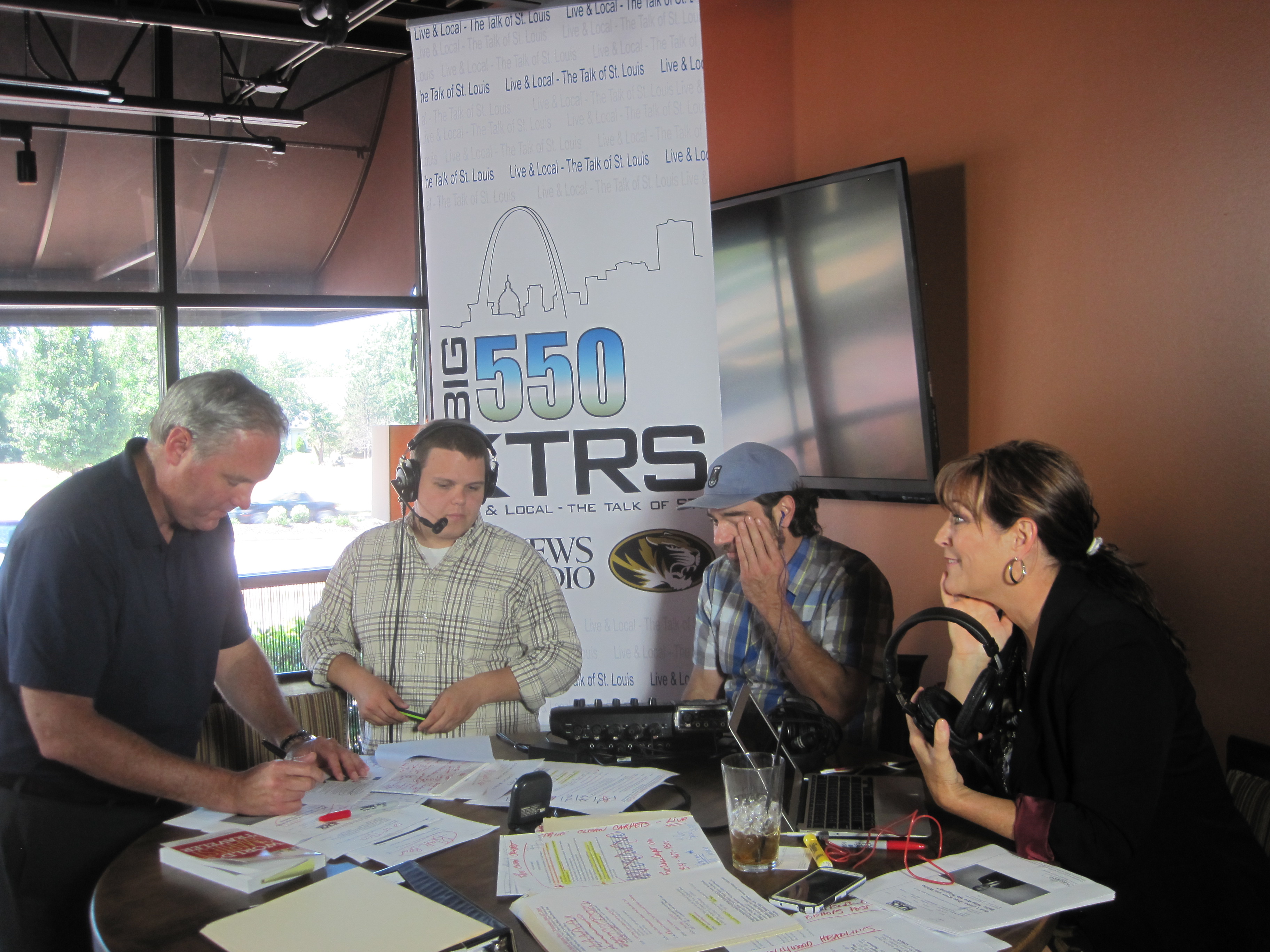
Live streaming has become increasingly popular in recent years, offering businesses the opportunity to connect with their audience in real-time. Whether it’s broadcasting a product launch, hosting a Q&A session, or streaming a behind-the-scenes look at your business operations, live streaming allows you to engage with your audience in a more authentic and immediate way. Integrating live streaming into your business videography strategy can help you foster stronger connections with your audience and drive engagement.

4. Interactive Video Content

Interactive video content allows viewers to actively engage with the content by making choices or taking actions that influence the outcome. This type of content can be highly engaging and immersive, making it ideal for storytelling, product demonstrations, or interactive training modules. By incorporating interactive elements into your business videography, you can create a more personalized and engaging experience for your audience.

5. Drone Videography

Drone videography has become increasingly popular for capturing stunning aerial footage that provides a unique perspective on a subject or location. Whether it’s showcasing expansive landscapes, capturing dynamic action shots, or providing aerial views of a property or event, drone videography can add visual interest and production value to your business videos. Leveraging drone technology in your videography projects can help you create visually compelling content that stands out from the competition.

Conclusion

As technology continues to evolve, so too does the field of business videography. By staying abreast of emerging technologies and trends, businesses can leverage videography to effectively communicate their message, engage their audience, and drive results. Whether it’s incorporating VR and AR for immersive experiences, embracing live streaming for real-time engagement, or leveraging interactive video content for enhanced viewer interaction, businesses have more tools at their disposal than ever before to create compelling and impactful video content.

As a full-service video and photography production company, Angel Eye Productions Video and Photography is equipped with the expertise and resources to help businesses harness the power of videography for their marketing and communication needs. With our experienced team, state-of-the-art equipment, and creative approach to storytelling, we can customize productions to meet diverse media requirements and help businesses achieve their goals. Partner with Angel Eye Productions Video and Photography for your next corporate photography and video project in the St. Louis area, and let us help you elevate your brand through the power of visual storytelling.

Contact us today to learn more about how Angel Eye Productions Video and Photography can elevate your business through professional videography and photography services.

314-913-5626 stlouisvideos@gmail.com