
A practical framework for consulting firms that want more leads, more trust, and more watch-time—without sounding “salesy.”
Most consulting videos fail for one predictable reason: they start where the consultant wants to start (credentials, services, frameworks) instead of where the viewer’s brain starts (risk, uncertainty, and “is this worth my time?”). Decision makers don’t need more content—they need faster clarity.
The good news: you don’t need a cinematic budget or a 12-page voiceover. You need a simple script structure that earns attention in the first 5–10 seconds, sustains it with relevance, and ends with a next step that feels natural.
Below are proven consulting-video script patterns that work because they align with how executives evaluate value: problem → risk → path → proof → action.
Why “simple scripts” win in consulting
Consulting is an intangible service. Your audience can’t “test drive” the outcome. So your video’s job is not to explain everything—it’s to reduce perceived risk.
A strong consulting video does three things:
- Diagnoses the problem quickly (so the viewer feels understood).
- Frames the stakes (so the viewer feels urgency without pressure).
- Proves you have a path (so the viewer feels confidence).
Simple scripts help you do that consistently, across many topics, without reinventing the wheel every time.
The attention formula: Hook → Tension → Clarity → Proof → Next step
If you remember one structure, make it this:
- Hook (0–10 sec): Call out a specific pain or misconception.
- Tension (10–25 sec): Show consequences of doing nothing or doing the wrong thing.
- Clarity (25–60 sec): Offer a clean framework or “first move.”
- Proof (60–90 sec): Evidence—results, process, or credibility.
- Next step (last 5–10 sec): A simple action that matches the viewer’s intent.
This works for 30 seconds or 3 minutes. The difference is how many proof points and examples you include.
Script Pattern 1: “The Cost of Doing Nothing”
Best for: Risk, compliance, operational inefficiency, revenue leakage, churn, tech debt.
Why it works: Executives move when the cost of inaction becomes specific.
Script (plug-and-play):
- Hook: “If you’re seeing [symptom], it’s usually not a [surface issue]—it’s a [root issue].”
- Tension: “Here’s what it costs over 6–12 months: [time], [money], [risk].”
- Clarity: “The fastest first step is [diagnostic]—not a big overhaul.”
- Proof: “When we ran this for [type of org], we found [finding] and fixed [result].”
- Next step: “If you want, we can share a [checklist/benchmark] we use to spot this in 20 minutes.”
Key detail: The “cost” must be measurable (cycle time, margin, error rate, churn, SLA misses), not generic.
Script Pattern 2: “3 Mistakes Smart Teams Keep Making”
Best for: Thought leadership, differentiators, positioning, lead nurturing.
Why it works: Lists create a clear promise and keep retention high.
Script:
- Hook: “Three mistakes I see even strong teams make in [topic]…”
- Mistake 1: [misbelief] → “Instead, do [better approach].”
- Mistake 2: [misstep] → “Instead, use [simple tactic].”
- Mistake 3: [blind spot] → “Instead, measure [metric].”
- Proof: “We’ve used this approach in [industry] to improve [result].”
- Next step: “Comment ‘checklist’ and we’ll send the [resource] / or “Book a 15-minute fit call.”
Pro tip: Make the mistakes counterintuitive. “We should do X” → “Actually, X causes Y.”
Script Pattern 3: “Before / After (The Case Study Mini-Story)”
Best for: Sales enablement, website hero video, retargeting ads.
Why it works: Proof beats claims. Stories compress complexity.
Script:
- Hook: “A [company type] came to us with [pain].”
- Before: “They were dealing with [symptoms + metrics].”
- The turning point: “We started with [diagnostic] and uncovered [root cause].”
- After: “Within [timeframe], they achieved [result 1], [result 2], [result 3].”
- How: “The difference was [one key method].”
- Next step: “If you’re seeing [same symptom], let’s talk—this is usually fixable fast.”
Note: A single strong metric is better than five vague wins.
Script Pattern 4: “Myth vs Reality”
Best for: Crowded markets, confusing categories, new service lines.
Why it works: It positions you as a guide and lowers skepticism.
Script:
- Hook: “Most people think [myth] about [topic].”
- Reality: “But what actually drives results is [truth].”
- Example: “Here’s a quick example…”
- Clarity: “If you remember one thing: [rule].”
- Proof: “This is the approach we use when we help [type] teams.”
- Next step: “If you want, we’ll share our [one-page guide].”
Script Pattern 5: “The 60-Second Diagnostic”
Best for: Short-form, LinkedIn, email embeds, outreach sequences.
Why it works: It gives immediate value and creates reciprocity.
Script:
- Hook: “Here’s a 60-second way to tell if you have a [problem].”
- Step 1: “Look at [metric/process].”
- Step 2: “If [condition], that’s a signal.”
- Step 3: “Do [quick test].”
- Meaning: “If you see [result], the fix is usually [approach].”
- Next step: “If you want a deeper read, we’ll run this with you and show you what we find.”
Writing the hook: 10 plug-and-play openers that actually hold attention
Use these to start strong without gimmicks:
- “If you’re spending money on [thing] but still seeing [bad result], here’s why.”
- “Most [role] teams get [topic] wrong in one specific way…”
- “Here’s the fastest way to reduce [risk] without adding headcount.”
- “If I had to fix [problem] in 30 days, I’d do this first.”
- “The metric you’re not tracking is quietly driving [pain].”
- “You don’t have a [problem] problem—you have a [cause] problem.”
- “Stop doing [common approach] until you check this.”
- “What looks like [symptom] is usually [root issue].”
- “Here are three signs your [system/process] is about to break.”
- “If you’re considering [big initiative], watch this first.”
Matching script to buyer intent: pick the right video for the job
Decision makers watch different videos at different stages:
- Awareness (cold): Mistakes, myth vs reality, cost of doing nothing
- Consideration (warm): Diagnostic, framework, mini case study
- Decision (hot): Case studies, process walk-through, “what it’s like to work with us”
- Expansion (existing clients): Playbooks, updates, training micro-videos
A common mistake is using a “decision-stage” video (full service overview) for an “awareness-stage” audience. That’s how you lose watch-time fast.
Production details that make simple scripts look premium
Even the best script gets ignored if the video feels hard to watch or hard to trust. Here’s what matters most:
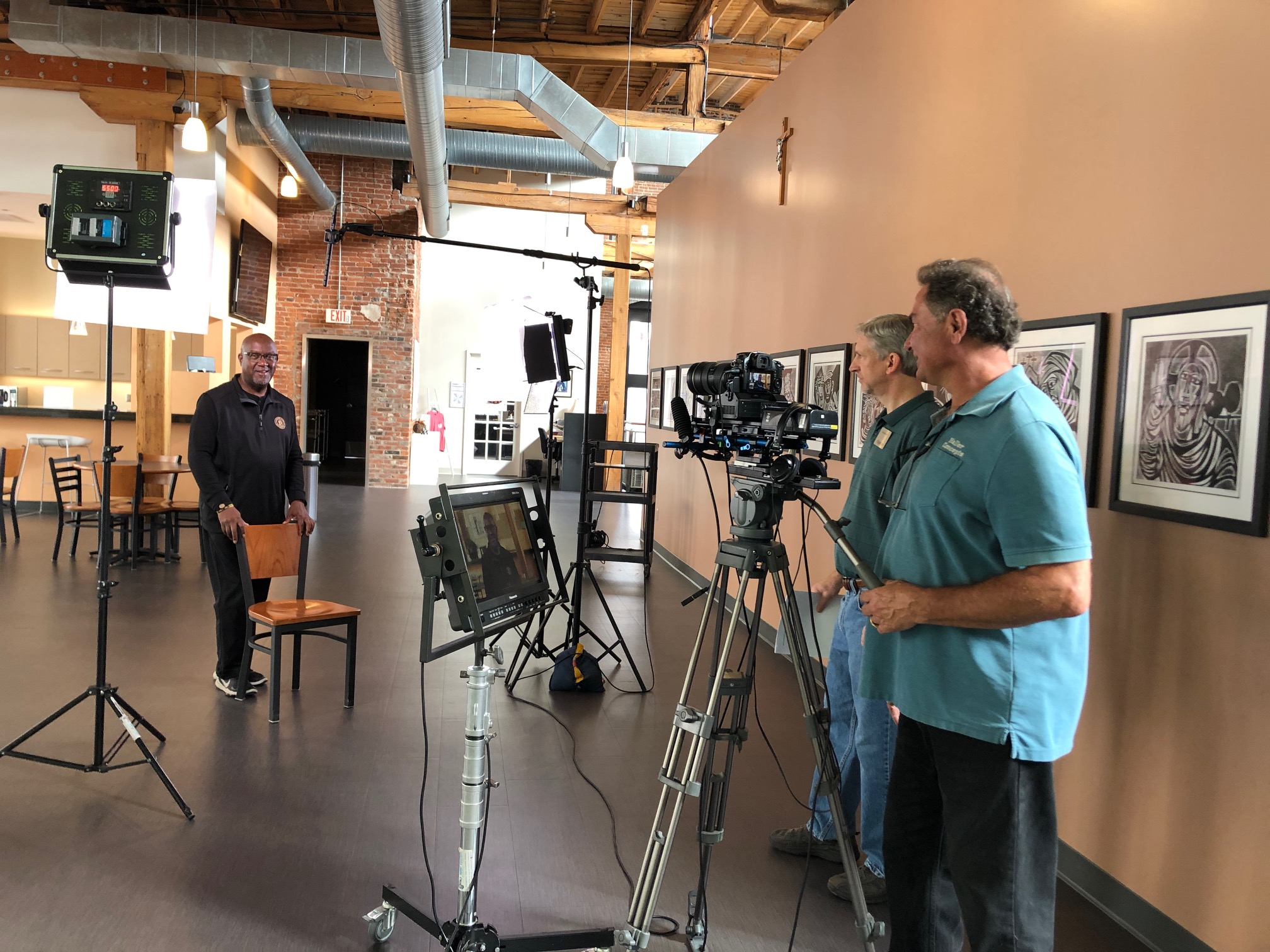
- Audio beats everything. If the voice is thin, echoey, or noisy, trust drops instantly.
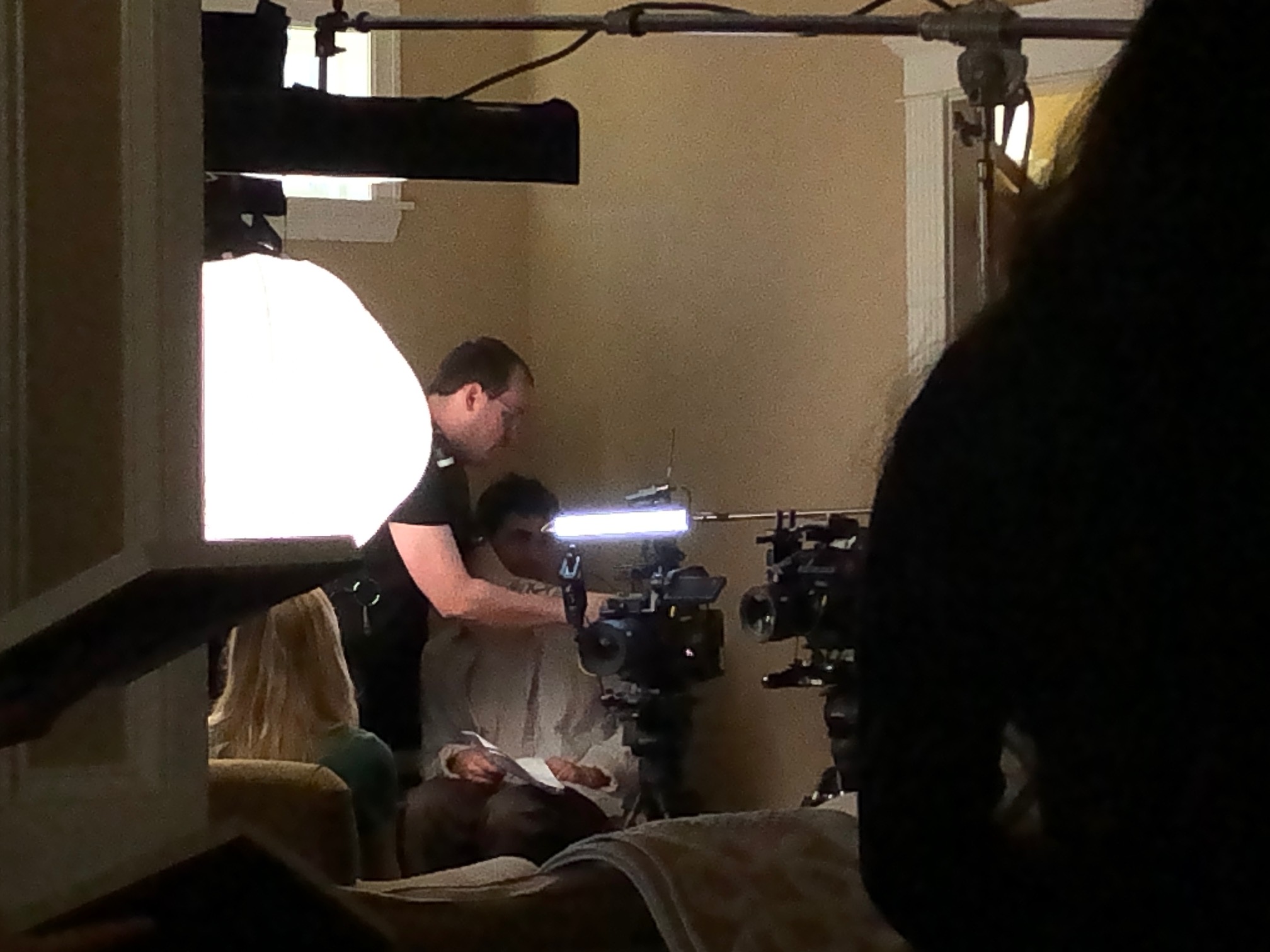
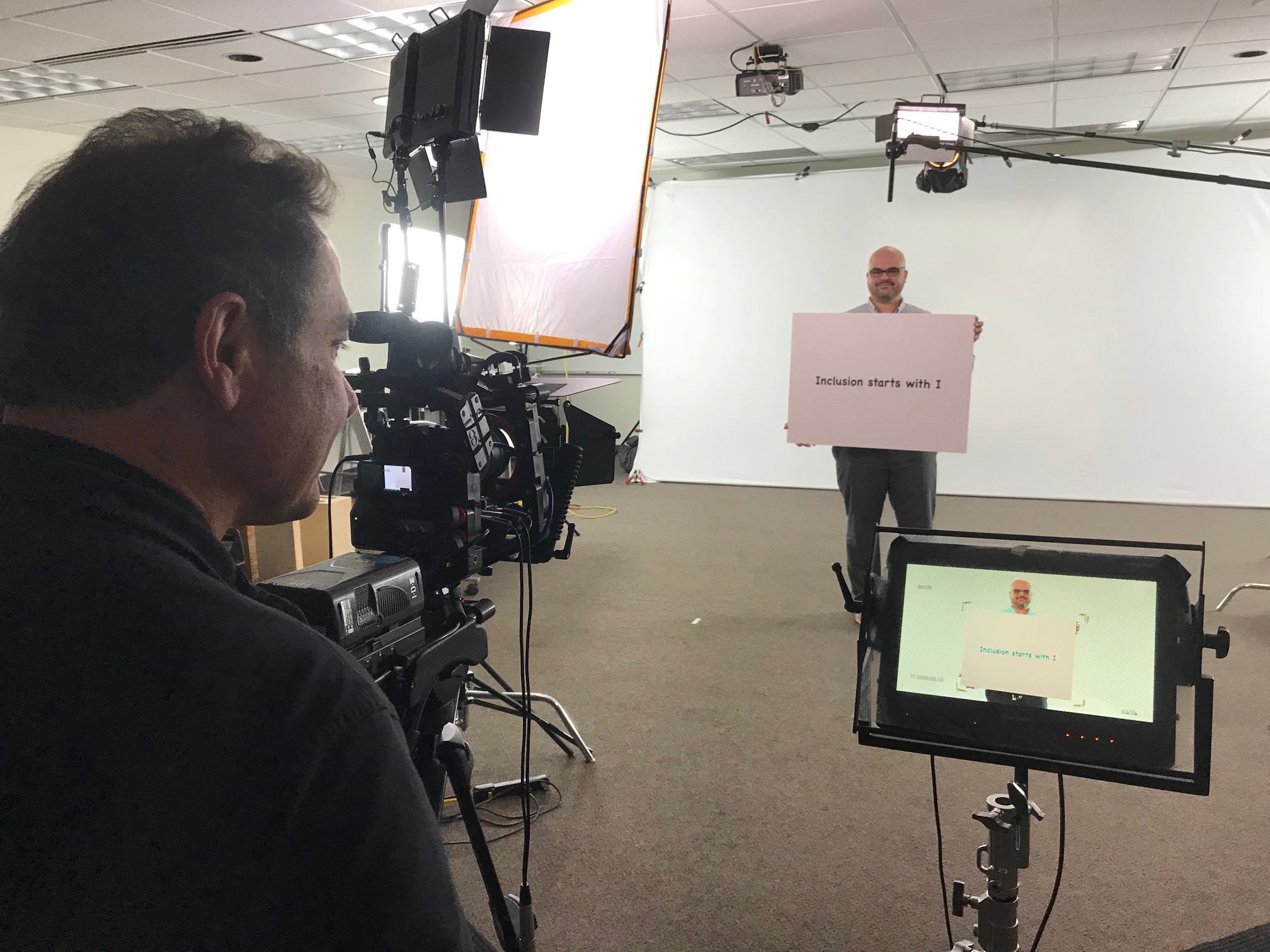
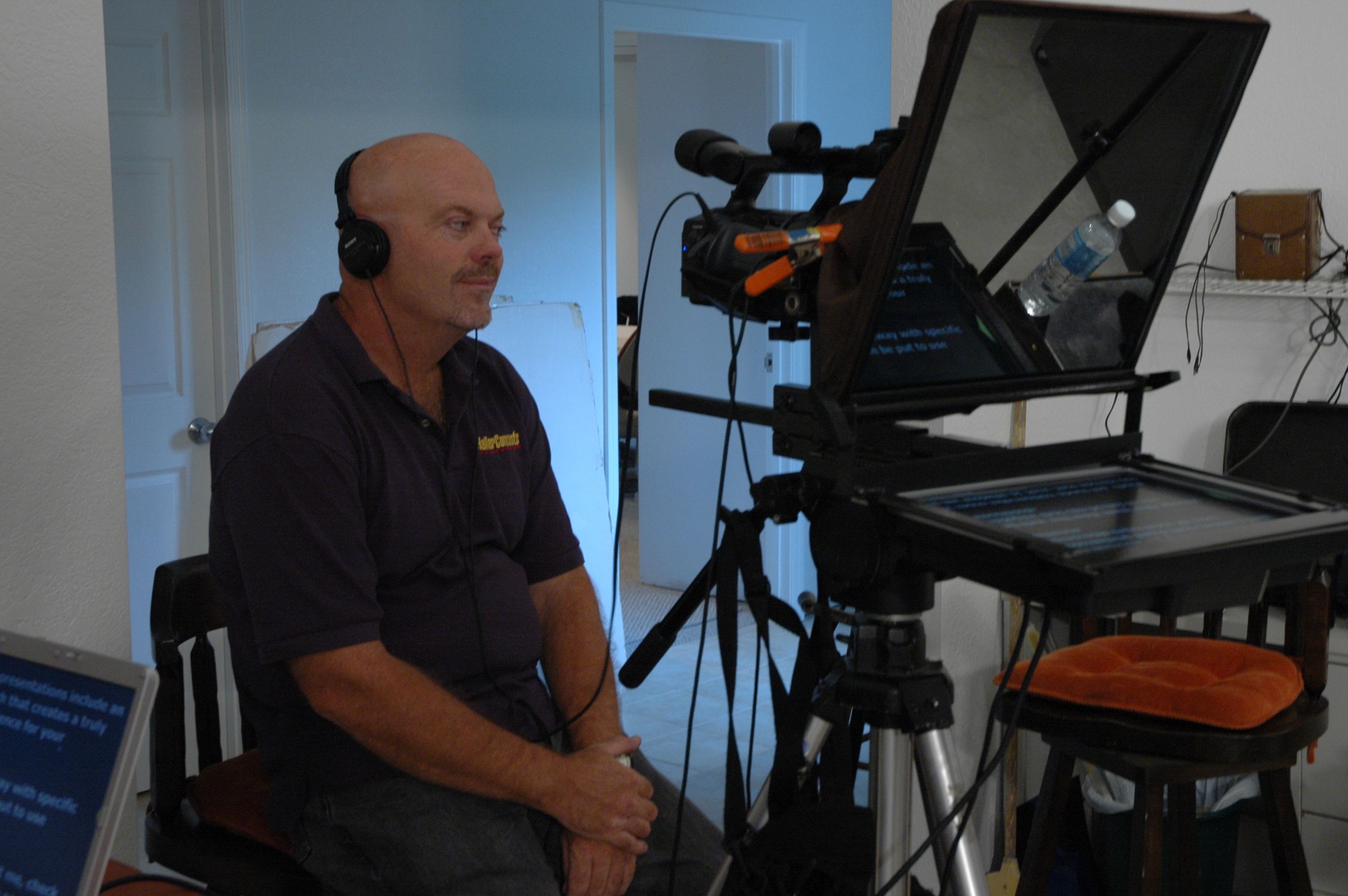
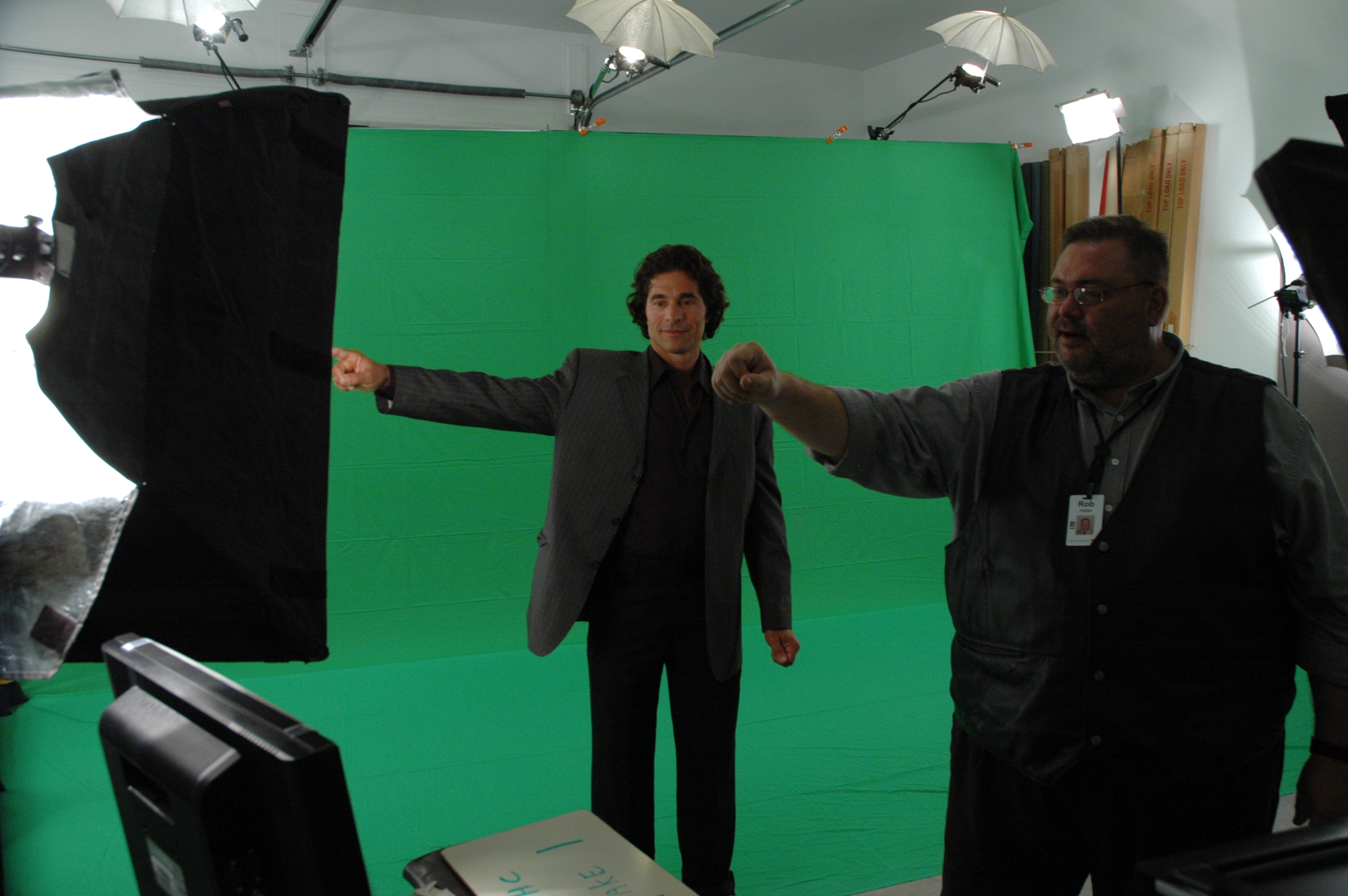
- Lighting signals competence. Soft, controlled lighting is the difference between “polished consultant” and “webcam pitch.”
- Pacing needs visual variety. Use b-roll, on-screen keywords, simple charts, or quick cutaways every 5–8 seconds.
- On-screen text should summarize, not duplicate. Reinforce the point, don’t subtitle the entire speech unless needed.
- One message per video. One problem. One framework. One action.
Repurposing: one script, many assets
Consulting content performs best when you treat each shoot as a content system:
- 1 core video (2–4 minutes) for your website / YouTube
- 3–6 short clips (15–45 seconds) for LinkedIn and paid social
- 1 written post distilled from the script
- 1 email embed for outbound or nurture
- 1 “sales follow-up” clip personalized for proposals
That’s how you turn a “single video” into a month of consistent authority-building touchpoints.
Closing: why St. Louis Commercial Video Production is built for consulting videos that convert
At St. Louis Commercial Video Production, we’ve been producing professional video and photography for businesses, marketing firms, and creative agencies in the St. Louis area since 1982—and we understand what decision makers actually need from consulting content: clarity, credibility, and polish.
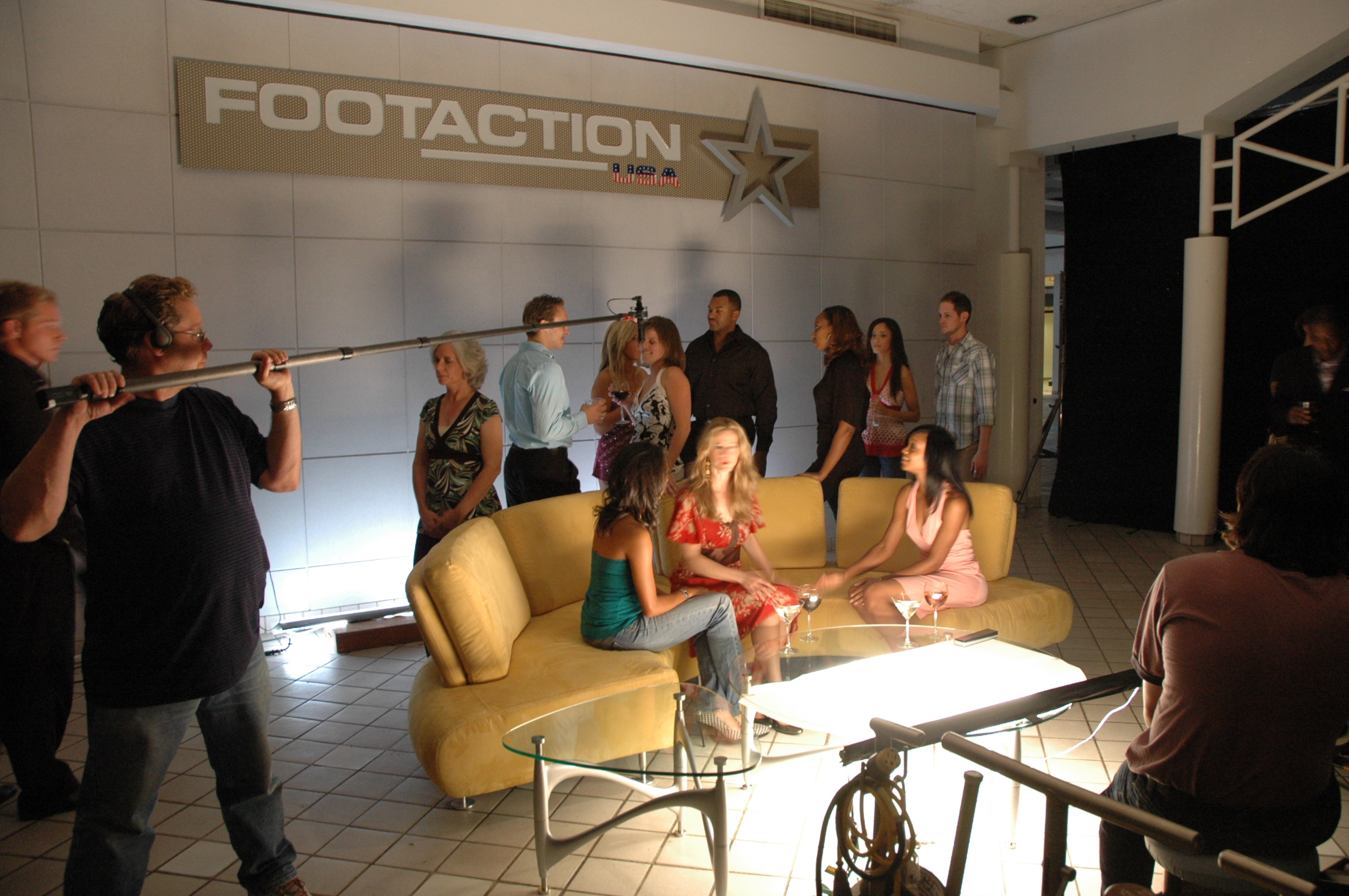
We’re a full-service commercial photography and video production company with the equipment, crew depth, and real-world production experience required for successful image acquisition. We offer full-service studio and location video and photography, plus editing and post-production, and licensed drone pilots—including the ability to fly specialized drones indoors when the shot demands it.
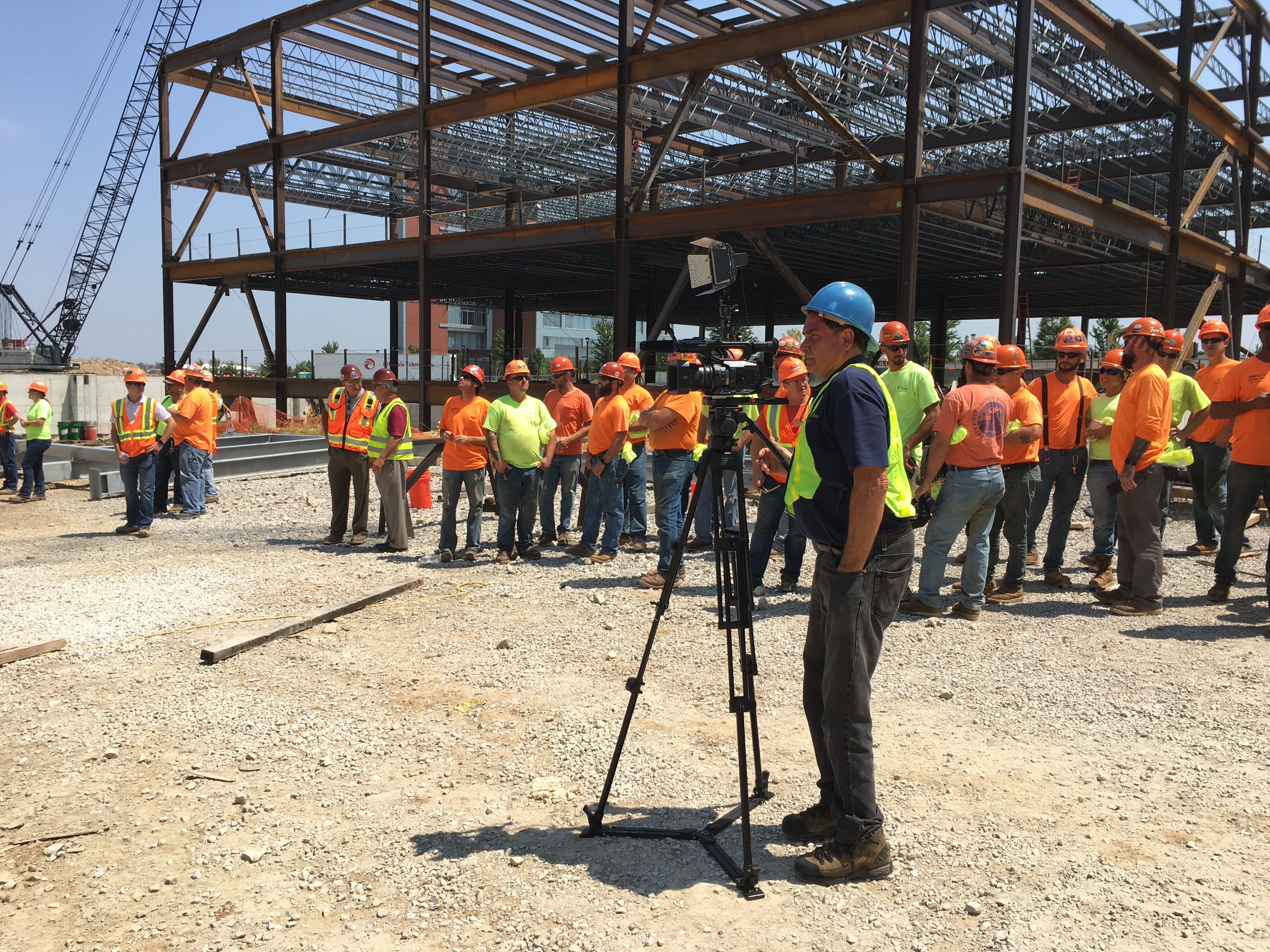
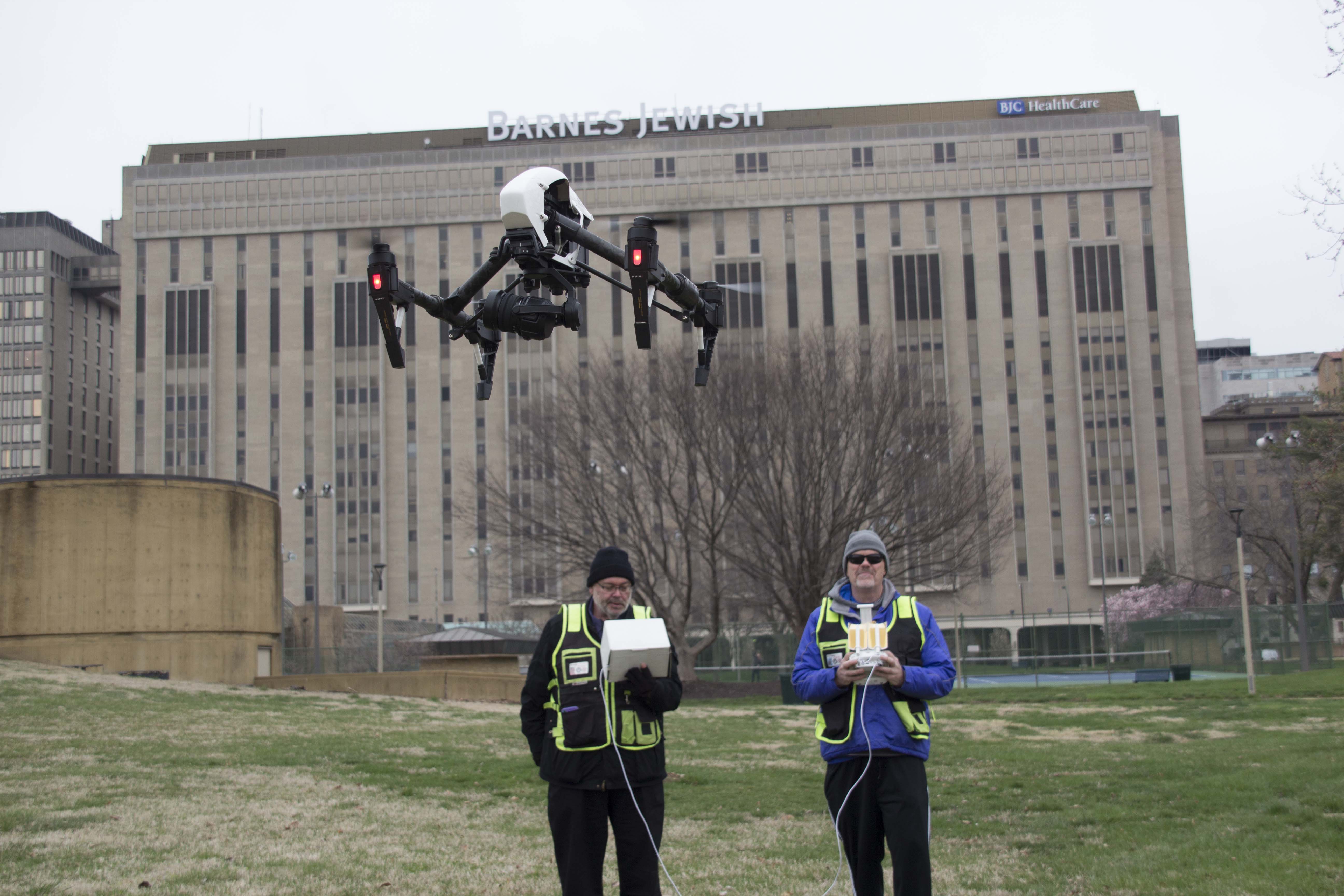
We can customize your production for virtually any media requirement, from a clean consulting “talking head” series to a full brand campaign. We specialize in repurposing your photography and video branding so every shoot creates more traction across your website, LinkedIn, sales outreach, and internal communications. We’re well-versed in all file types, deliverable formats, and media styles—and we incorporate the latest Artificial Intelligence tools to streamline workflows, enhance post-production, and accelerate versioning for different platforms.
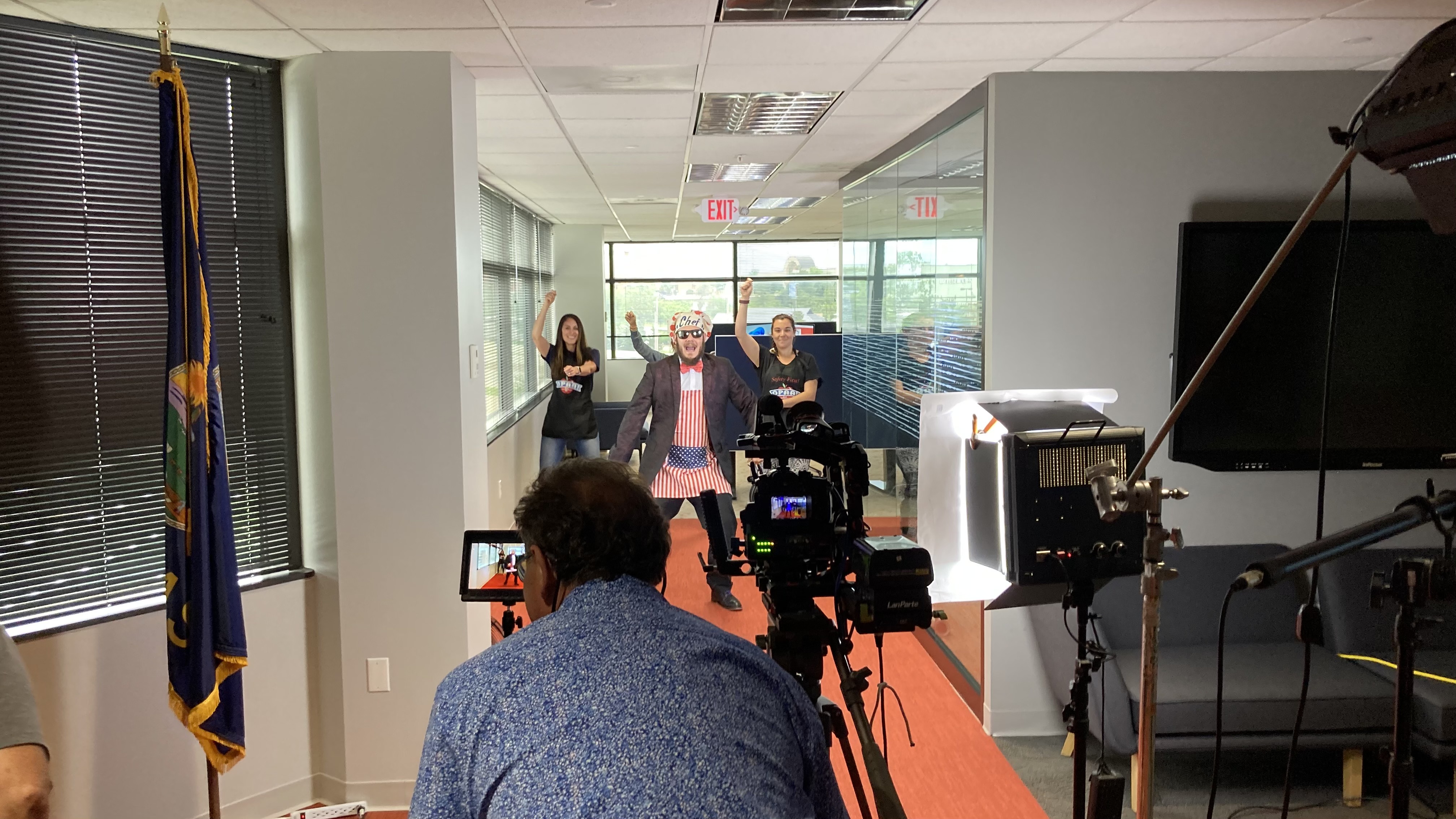
Our private studio lighting and visual setup is ideal for small productions and interview scenes, and our studio is large enough to incorporate props and set elements to round out your environment. We support every aspect of your production—from building a private, custom interview studio to supplying professional sound and camera operators—ensuring your next consulting video is seamless, efficient, and built to perform.
If you’re ready to turn simple scripts into consulting videos that hold attention and earn trust, we can help you build a repeatable video system—not just a one-off shoot.
 Angel Eye Video Productions and Photography